What Shoes To Wear To A Golf Tournament: Dress Guide
A golf tournament can mean several things: a casual event at a local club, a junior competition, a charity scramble, or a formal professional tournament. In each case, your shoes affect comfort, balance, grip, and golf etiquette. The right pair helps you walk with less strain and swing with a stable base.
The best shoes for a golf tournament are clean, comfortable golf shoes with enough grip for the course and enough support for the amount of walking you expect. Spiked and spikeless shoes can both work. The best choice depends on the course, weather, dress code, your feet, and whether you will walk or ride.
This guide explains what shoes to wear to a golf tournament, how golf shoes differ from regular athletic shoes, what juniors and seniors should consider, and how tournament rules can affect your choice.

Quick answer: What shoes should you wear to a golf tournament?
Wear clean golf shoes that fit well, provide steady grip, and suit the course and weather. Spiked shoes can suit wet or hilly courses, while spikeless shoes can suit dry courses, walking, and events with a smart-casual dress code. Avoid worn sneakers, open-toe shoes, high heels, and any footwear that may damage the turf or cause you to slip.

If you are unsure, check the tournament notice, host club, or committee before the event. A dress code may limit shoe color, spike type, or casual footwear. The latest Rules of Golf and local tournament rules should always guide play.
Why footwear matters during a tournament
Your shoes connect your body to the ground. A stable connection can help you keep your stance, control your posture, and make a balanced swing. It also matters when you walk on slopes, wet grass, rough, sand, paths, and firm ground.

Golf is not played only from a flat fairway. You may stand on a sidehill lie, a damp tee box, thick rough, or a bunker edge. Each surface asks for a different level of grip and balance.
Shoes affect swing stability
During the backswing, your trail foot needs enough traction to support a controlled turn. During the downswing, your lead foot helps you brace and rotate through impact. If your feet slide, your posture can change and your strike can suffer.
Grip does not mean your feet should feel locked to the ground. Good golf shoes allow natural movement while reducing unwanted sliding. This balance is useful for beginners and skilled players alike.
Shoes affect walking comfort
A tournament round may take several hours. Walking can add many miles, especially on a spread-out course. Tight shoes, hard seams, poor heel support, or wet socks can distract you from your golf and lead to blisters.
This matters most for golfers who walk, seniors, players with foot concerns, and parents supporting junior players. It also matters for a player who has a long day that includes practice, a warm-up routine, and a second round.
Shoes affect course care
Golf footwear must protect the player without harming the course. Deep marks, torn turf, and damaged greens create work for the maintenance team and can affect other groups.
Avoid dragging your feet on greens. Walk carefully near the hole, repair ball marks, and follow cart paths when required. A good golfer respects the course as well as the scorecard.
Types of golf footwear for tournament play
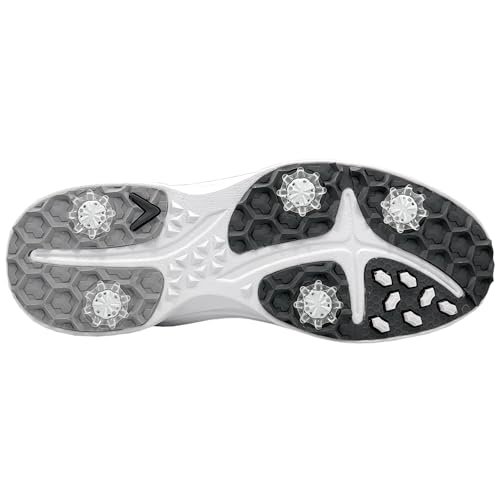
The main difference between spiked and spikeless golf shoes is how they create traction. Spiked shoes use replaceable or fixed cleats. Spikeless shoes use small rubber elements built into the sole.

Both types can be suitable. Neither type is automatically best for every golfer or every tournament.
| Footwear type | Main strength | Best suited to |
|---|---|---|
| Spiked golf shoes | Strong grip on wet or sloped turf | Walkers, wet climates, hilly courses |
| Spikeless golf shoes | Light feel and easy walking | Dry conditions, firm courses, casual events |
| Athletic-style golf shoes | Flexible movement and simple comfort | Beginners, juniors, and short rounds |
| Traditional metal-spike shoes | Specialized traction on some surfaces | Only where the club and committee allow them |
Spiked shoes can help when the grass is wet or the course has steep slopes. Spikeless shoes can feel easier on paths and hard ground. The club’s policy matters more than personal preference if a tournament has a specific footwear rule.
Spiked shoes
Spiked shoes use cleats under the sole. Modern golf spikes are often made from soft materials and can provide strong traction without the damage linked to older metal spikes.
They may suit a golfer with a fast swing, a steep swing path, or a course with wet hills. They can also suit players who feel their back foot slides during the downswing.
Spikes are not a cure for poor balance. A golfer still needs a stable stance, good posture, and a smooth tempo. Too much grip can also feel awkward if the shoe does not flex with the foot.
Spikeless shoes
Spikeless golf shoes have molded traction patterns across the sole. They can work well on dry fairways and firm tee boxes. Many golfers also find them comfortable for walking between holes.
They may suit beginners, seniors, and players who move between grass, paths, and indoor areas during an event. They can also be useful for a charity scramble or spectator day where the dress code is smart but relaxed.
Spikeless shoes may lose some grip in heavy rain, soft mud, or steep rough. The quality of the tread and the condition of the sole matter. A worn sole is not reliable, even if the shoe once performed well.
Traditional athletic shoes
Regular athletic shoes may be acceptable for some casual golf events. They can work on a dry executive course, a practice area, or a non-competitive outing.
They are less suited to a serious tournament if the sole is smooth. Running shoes are built for forward motion, not the twisting force of a golf swing. They may also collect wet grass and offer less side-to-side stability.
Ask the event host before wearing them. “Comfortable” does not always mean “permitted.”
Boots, sandals, and fashion shoes
Boots can feel heavy and may damage soft turf. Sandals leave the foot exposed and offer poor support during a swing. Dress shoes may have a smooth sole that slips on grass.
High heels are not suitable for golf play. They can damage greens and make walking on uneven ground unsafe. Open-toe footwear also increases the chance of injury from rocks, branches, insects, or an errant ball.
Match the shoes to the course and weather
The best way to choose tournament shoes is to match them to the playing surface, forecast, and walking plan. A dry, flat course asks less from your sole than a wet, hilly course.

Course type also matters. A links course may have firm ground, strong wind, and exposed slopes. A parkland course may have soft fairways, tree roots, and damp rough. An executive course may involve less walking but still require grip around greens and bunkers.
| Course or condition | Useful footwear traits | Why it matters |
|---|---|---|
| Wet fairways | Secure traction and water resistance | Reduces slipping on soft turf |
| Hilly course | Firm heel hold and side support | Helps on slopes and uneven lies |
| Dry, firm course | Flexible sole and moderate grip | Supports walking on hard ground |
| Links course | Stable fit and low-profile traction | Handles firm turf and wind-exposed ground |
| Heavy rough | Strong side stability | Helps when grass pushes against the shoe |
| Hot weather | Breathable upper and comfortable fit | Reduces heat and sweat buildup |
Do not confuse water resistance with complete waterproofing. In steady rain, wet socks can create discomfort even when the outer shoe looks dry. Your socks, trousers, and walking plan also affect comfort.
Wet weather
Wet turf increases the risk of slipping. Use shoes with clean, working traction and a secure heel. Tie the laces firmly, but do not make them so tight that they restrict blood flow.
Wet greens need special care. Walk softly, avoid twisting in place, and follow any temporary local rule. The committee may use a rule about preferred lies or cart limits when conditions are poor.
Hot weather
Heat can swell the feet. A shoe that feels fine in the morning may feel tight late in the round. Choose a fit that leaves room for natural movement without allowing the heel to lift.
Wear suitable socks and take regular water breaks. Use sun protection and watch for signs of heat illness. A tournament result is never more important than your health.
Cold weather
Cold feet can reduce comfort and focus. Thick socks can change the fit of a shoe, so test the full combination before tournament day. Avoid a shoe that compresses your toes.
Cold ground may also feel hard and slick. Keep your warm-up routine light and active. Begin with walking, mobility work, and short swings before hitting full shots.
Mud and soft ground
Mud can build up under the sole. This reduces traction and may spread soil onto putting surfaces. Clean the sole before walking onto a green when the course allows it.
Do not scrape mud off by dragging your foot across the green. Use the cleaning area or method provided by the club.
🌿 Course Care Note: Soft turf is easy to damage. Walk around worn areas, avoid unnecessary cart turns, and repair any ball mark or divot that you make.
Choose shoes for walking or riding
Walking and riding create different footwear demands. Walkers need comfort, support, and protection from changing ground. Riders still need a stable shoe because every shot begins with a balanced stance.

A riding golfer may walk from the cart to the ball, tee, and green many times. Do not treat cart use as a reason to wear unsafe or unsupportive shoes.
For golfers who walk
A walking golfer should pay close attention to heel comfort, arch support, toe space, and sole flexibility. The shoe should bend near the front of the foot but should not fold in the middle.
Break in the shoes before the event through normal practice or short walks. Do not use a brand-new pair for a long tournament round. A small pressure point can become a painful blister after several hours.
A golfer with a high handicap may walk more slowly because of extra shots or lost balls. That makes comfort even more important. Pace of play still matters, so plan your route and stay ready when it is your turn.
For golfers who ride
Cart riders need a shoe that grips grass and does not slide when stepping in or out of the cart. Keep both feet inside the cart while it moves and follow all cart signs.
Avoid hard soles that may slip on wet pedals. Do not stand on the cart while it is moving. Cart safety is part of golf etiquette.
For spectators and families
Spectators should wear closed, comfortable shoes with good traction. A tournament venue may include steep banks, gravel, wet grass, and crowded paths.
Parents at junior tournaments should choose comfort and safety over fashion. A child may move between tee boxes, practice areas, and greens for many hours. Junior-sized footwear should fit the child’s current foot, with enough room for toes but no loose heel.
What tournament dress codes may require
A tournament dress code can control footwear even when the Rules of Golf do not. The host club or tournament committee may require golf shoes, ban metal spikes, or restrict bright colors and open footwear.

Rules and dress codes are not the same. The Rules of Golf govern play. A club’s dress policy governs access and conduct at that venue.
| Situation | Likely concern | What to check |
|---|---|---|
| Club tournament | Formal dress expectations | Club dress code and notice |
| Charity scramble | Smart-casual footwear | Event instructions and course policy |
| Junior event | Safety and proper fit | Junior rules and parent guidance |
| Professional event | Player-only restrictions | Tournament committee instructions |
| Spectator day | Walking and venue access | Spectator guide and weather plan |
When instructions are unclear, contact the tournament organizer. Do not assume that a shoe allowed at one course is allowed at another.
Golf shoes and the Rules of Golf
The Rules of Golf generally do not require every player to wear a certain style of shoe. However, the committee can set conditions for the competition, and the host club can enforce its own dress code.
Some equipment rules also address devices or features that may give an unusual advantage. Ordinary golf footwear is normally not an issue, but unusual designs should be checked with the committee.
Always check the latest Rules of Golf, local rules, and club requirements. A rules official can provide the clearest answer for a specific event.
📜 Check the Rules: If a tournament bans metal spikes, requires soft-spike or spikeless footwear, or has a formal dress code, that local requirement controls your choice. Ask before the event rather than arguing at the first tee.
Metal spikes
Metal spikes are banned or restricted at many clubs. They can damage greens and floors, create noise, and leave marks on soft turf.
Never assume that a professional tournament’s footwear policy applies to your event. The course may have stricter rules. Check before arriving.
Fit and comfort: the most important test
The best golf shoe is one that stays secure without pressure. Your heel should remain stable, your toes should be able to move, and your foot should not slide from side to side.

Fit can vary by foot shape. Men’s, women’s, and junior golf shoes may use different shapes, but gender labels do not replace a proper fit. A woman with a wide forefoot or a man with a narrow heel still needs a shoe that suits his or her actual foot.
Check the heel
Your heel should not lift with each step. Excess movement can cause rubbing and reduce stability during the swing.
Walk up and down a slope if possible. A shoe that feels secure on flat ground may slip at the heel on a hill.
Check the toe area
Your toes should not touch the front during a downhill walk. Leave enough length for normal foot swelling, but do not allow the foot to slide forward.
A cramped toe box can affect comfort, balance, and walking rhythm. It may also increase pressure on the toenails.
Check the middle of the foot
The lacing or fastening area should hold the foot without creating sharp pressure. A secure midfoot helps the shoe move with you during the backswing and follow-through.
Do not use very tight laces to fix a shoe that is too large. The shoe may still move in ways that cause blisters or instability.
Check the sole
The sole should flex near the toes and remain stable through the midfoot. A sole that is too soft may twist during the swing. A sole that is too stiff may make walking uncomfortable.
| Fit check | Good sign | Warning sign |
|---|---|---|
| Heel | Stays in place while walking | Repeated lifting or rubbing |
| Toes | Can move without hitting the front | Numbness or cramped toes |
| Midfoot | Feels held, not squeezed | Pressure or foot sliding |
| Sole | Bends near the front | Folds or twists in the middle |
| Walking test | Comfortable on grass and paths | Pain after a short walk |
Test shoes with the socks you plan to wear. Your foot can feel different in the morning than after a warm-up or long walk.
Shoes for men, women, juniors, and seniors
Different golfers face different footwear needs. Age, foot shape, strength, mobility, and course experience can all affect the right choice.

The goal is not to follow a fashion category. The goal is to protect balance, comfort, and safe movement.
Shoes for men
Men who swing fast or create strong ground force may want a secure heel and stable midsole. This can help the foot stay connected during the transition from backswing to downswing.
A fast swing does not require an aggressive shoe. If the shoe feels rigid or causes knee, ankle, or back discomfort, it may not suit the golfer.
Shoes for women
Women’s golf footwear should provide the same core traits: grip, fit, comfort, and support. Foot shape can differ, but each golfer should assess her own heel, toe, and midfoot needs.
Women who wear golf clothing with a formal style should not choose fashion over traction. A smart-looking shoe still needs to work on grass, slopes, and wet paths.
Shoes for juniors
Junior golfers need a secure fit that does not restrict growth or movement. Oversized shoes can cause slipping, while tight shoes can affect the child’s walking and stance.
A junior also needs room to practice chipping, pitching, bunker shots, and putting without discomfort. Parents should check the sole for wear and make sure the child can tie or secure the shoe properly.
👪 Parent or Beginner Note: Let a junior walk, squat, and make a slow practice swing in the shoes. If the child complains of rubbing, pain, or slipping, address it before tournament day.
Shoes for seniors
Senior golfers may benefit from strong heel support, reliable grip, and light overall weight. These traits can help on uneven lies and long walks.
Golf fitness also matters. Gentle ankle, calf, hip, and back mobility before play can prepare the body. A senior with foot pain, balance problems, or arthritis should ask a doctor or qualified professional for guidance.
Shoes for golfers with foot problems
Foot pain can change your stance and posture. That change may spread stress to the ankle, knee, hip, or lower back.
Do not try to play through sharp or growing pain. Stop if needed and seek medical advice. A PGA professional can help with golf movement, but a doctor or physical therapist should assess persistent pain.
A simple tournament shoe checklist
Use a short checklist before you leave for the course. It can prevent small problems from becoming distractions during the round.

The day before
- Check the tournament dress code.
- Check whether the course permits spikes or requires spikeless shoes.
- Look at the forecast and course conditions.
- Walk in the shoes with your tournament socks.
- Inspect the sole for worn or missing traction.
- Clean the upper and sole.
- Pack a backup pair only if the event rules and your travel plan make that useful.
A backup does not replace proper planning. If rain is likely, know where you can change socks and how the course handles wet conditions.
Before the first tee
Arrive with enough time for a calm warm-up routine. Walk a little, move the ankles and hips, and make a few easy practice swings.
Do not hit full driver shots before your body is ready. Begin with short putting, chipping, and half swings. Your shoes should feel secure during each movement.
| Check before play | Why it helps | Suits |
|---|---|---|
| Tread is clean | Keeps traction working | Every golfer |
| Heel feels secure | Supports a stable stance | Players on slopes |
| Toes have room | Reduces pressure while walking | Walkers and seniors |
| Socks feel dry | Limits rubbing and blisters | Long rounds |
| Laces are secure | Prevents foot movement | Juniors and beginners |
| Dress code is clear | Avoids a rules or access issue | Tournament players |
During the round
Keep your stride natural. Do not drag your feet or twist on the green. If your shoes become muddy, clean them in the proper place.
Notice early signs of trouble. Hot spots, numb toes, heel rubbing, or repeated slipping are reasons to adjust before the problem grows.
Common shoe mistakes golfers make
Many footwear problems come from simple planning errors. The good news is that most are easy to avoid.

Wearing new shoes for the first time
New shoes can feel fine for ten minutes and painful after two hours. Short practice sessions can reveal pressure points before the tournament.
This advice suits every skill level. Even an experienced golfer can misjudge a new fit.
Choosing style over function
A smooth sole may look formal but can slip on wet grass. An open shoe may feel cool but offer little protection. A heavy boot may feel tough but make walking tiring.
Tournament footwear should support golf first. Clean appearance matters, but safe movement matters more.
Ignoring the course forecast
A dry-weather shoe may not suit steady rain. A heavily insulated shoe may feel too hot in summer. Check conditions and plan for the surface you will actually play.
Using worn traction
Traction wears down over time. A shoe may look clean but have a smooth or cracked sole. Inspect it before a major event.
Wearing the wrong socks
Cotton socks that hold moisture can increase rubbing. Very thick socks can make the shoe too tight. Test the full combination before the round.
Walking in damaged shoes
A loose sole, broken lace, or worn heel can change your stance. It can also create a fall risk. Do not wait until the first tee to notice the damage.
How shoes support the golf swing
Shoes do not create a good swing by themselves. They provide the base for skills such as grip, stance, posture, tempo, and balance.

A beginner should first build a stable stance. Stand with the feet about shoulder-width apart for a full iron shot. Widen the stance slightly for a driver and narrow it for putting.
The ball position changes with the club. A driver often sits forward in the stance, while a short iron sits closer to the center. Shoes should let you make these small stance changes without sliding.
Ground pressure and balance
Ground pressure is the force you create against the ground during the swing. Good players use the ground without jumping or losing posture. Stable shoes can help you feel that pressure.
A player with a fast swing may notice slipping during the transition. A beginner may notice it during the follow-through. Both players should first check swing balance and tempo rather than blaming footwear alone.
Sloped lies
On a slope, set your body to match the ground. Keep your balance and make a controlled swing. Shoes with side stability can help, but no shoe removes the challenge of an uneven lie.
For a downhill lie, the ball often flies lower. For an uphill lie, it often launches higher. Course management means accepting a safe target instead of forcing a risky shot.
Around the green
Chipping and pitching need quiet feet and controlled motion. Bunker shots need stable footing in sand. Putting needs a balanced stance and smooth movement.
Avoid shoes with a sole that catches or twists when you turn. Near the green, walk with care and protect the putting surface.
Tournament footwear by golfer type
The right choice depends on what the golfer needs most. A new player may value comfort and simplicity, while an advanced player may focus on traction on a difficult lie.

| Golfer type | Main footwear priority | Possible limitation |
|---|---|---|
| Beginner | Comfort, easy walking, steady grip | May overfocus on shoes instead of setup |
| Improving amateur | Secure base and course-specific traction | May choose too much grip |
| Low-handicap player | Consistent fit and reliable ground contact | May ignore comfort during long events |
| Senior golfer | Support, light weight, and safe walking | Needs careful fit for swelling or pain |
| Junior golfer | Proper size, flexibility, and safety | Outgrowing or loose shoes |
| Spectator or parent | Walking comfort and weather protection | May face more walking than expected |
A golfer with a handicap index of 25 may walk more shots and spend more time on uneven ground than a golfer with a handicap index of 5. That does not mean the higher-handicap player needs a more technical shoe. It means comfort and stability may matter even more.
A left-handed golfer and a right-handed golfer use different lead feet, but both need secure traction. A left-handed player may feel pressure in different areas during the swing, so fit should be tested through the player’s own movement.
Shoes and tournament formats
Footwear needs can change with the event format. Stroke play, match play, a scramble, and Stableford may use the same course but create different movement patterns.

In stroke play, every hole counts toward the total score. A player may spend more time walking and waiting. Comfort can support focus during a long round.
In match play, players compete hole by hole. A secure stance can help when a match turns tense, but footwear does not replace sound course management.
In a scramble, teams may move quickly between shots and may walk to several balls before choosing one. Comfortable shoes can help with this extra movement.
In Stableford, points are based on scores relative to par. Players may pick up when no points are available, but the round can still involve long walks.
| Format | Movement pattern | Shoe concern |
|---|---|---|
| Stroke play | Full round with steady pace | Long-term comfort |
| Match play | Hole-by-hole pressure | Stable stance under stress |
| Scramble | Extra walking between team shots | Flexible, comfortable fit |
| Stableford | Variable hole length and score | Comfort during changing pace |
| Junior tournament | Walking, waiting, and practice | Proper fit and safe traction |
The format does not usually change the basic footwear rule. The course and tournament committee still control local requirements.
How to care for golf shoes before and after play
Clean shoes support both performance and course care. Mud and grass can hide sole wear and reduce traction.

After the round, remove soil with the method allowed by the club. Let shoes dry in a ventilated place. Avoid harsh heat that can damage materials or change the shape.
Check the laces, heel, upper, and sole. If a shoe causes pain or shows damage, do not ignore the warning. A damaged shoe can affect your next practice session and your safety.
Course etiquette
Good footwear habits fit within wider golf etiquette:
- Do not drag your feet across the green.
- Repair ball marks.
- Replace or sand divots when asked.
- Rake bunkers after a shot.
- Keep carts away from restricted areas.
- Follow the pace of play.
- Keep voices low near another player’s shot.
- Dispose of broken tees and litter properly.
- Leave damaged turf for the maintenance team to repair.
A course superintendent manages grass, drainage, mowing, and turf recovery. Small actions by golfers can support that work.
FAQs about what shoes to wear to a golf tournament
Q: Can I wear regular sneakers to a golf tournament?
A: You may be able to wear regular sneakers at a casual event if the course permits them and the ground is dry. Smooth running-shoe soles can slip during a swing, and some clubs require golf shoes. Check the event and club policy first.
Q: Are spikeless golf shoes good for tournaments?
A: Yes. Spikeless shoes can suit dry courses, firm turf, walking, and smart-casual events. They may be less suitable for heavy rain, soft ground, or steep slopes if the tread does not provide enough grip.
Q: Are spiked golf shoes better than spikeless shoes?
A: Neither is always better. Spiked shoes can provide more traction on wet or hilly courses. Spikeless shoes can feel lighter and easier to walk in. Fit, comfort, course conditions, and local rules should guide the choice.
Q: Can I wear metal spikes?
A: Only if the host club and tournament committee allow them. Many courses restrict or ban metal spikes because of turf and facility concerns. Check the current local policy before play.
Q: What shoes should a beginner wear to a golf tournament?
A: A beginner should choose clean, comfortable golf shoes with a secure heel, stable sole, and enough toe room. Spikeless shoes can be simple for dry conditions. The beginner should also practice walking and making slow swings in them before tournament day.
Q: What shoes should a senior golfer wear?
A: A senior golfer may benefit from a light, supportive shoe with reliable grip, a secure heel, and enough room for natural foot swelling. Any persistent foot, knee, hip, or back pain should be assessed by a medical professional.
Q: What should junior golfers wear on their feet?
A: Juniors should wear properly fitted golf shoes or other footwear allowed by the event. The shoe should not be loose, too tight, or worn out. Parents should check comfort during walking, practice swings, and time spent on uneven ground.
Q: Do women need different golf shoes than men?
A: Golf shoes for women and men may use different shapes, but the core needs are the same: grip, fit, comfort, and support. Each golfer should choose based on foot shape and movement, not only on a label.
Q: Can I wear golf shoes on the putting green?
A: Yes, if the shoes are permitted by the course and have clean soles. Walk carefully, avoid twisting, and do not drag your feet. Metal spikes may be restricted.
Q: How long does it take to break in golf shoes?
A: The time varies by shoe, foot, and material. Use short walks and brief practice sessions first. Do not wait until a long tournament round to discover pressure or rubbing.
Q: Should golf shoes be waterproof?
A: Waterproof protection can suit wet climates, but it may reduce breathability in hot weather. Water resistance may be enough for light dew or short showers. Match the shoe to the forecast and your comfort needs.
Q: Can shoes change my golf swing?
A: Shoes can affect your grip, balance, stance, and confidence, but they do not fix swing faults. If you slide during the downswing, review your setup, tempo, and weight shift. A PGA professional can help with a recurring movement problem.
Q: What if my feet hurt during a tournament?
A: Stop and assess the problem. Loosen pressure slightly, check for a blister or foreign object, and change socks if possible. Stop playing and seek medical advice for sharp, worsening, or persistent pain.
Q: Do golf shoes help with a high swing speed?
A: A secure shoe can help a golfer maintain contact with the ground during a fast swing. It does not replace sound technique. Players with high swing speed should still focus on balance, posture, and controlled tempo.
Q: Can I wear hiking shoes on a golf course?
A: Hiking shoes may offer grip, but they can be heavy, stiff, or damaging to turf. Some clubs may not allow them. Ask the course before using them, especially in a formal tournament.
Q: What shoes should spectators wear at a golf tournament?
A: Spectators should wear closed, comfortable shoes with traction for grass, paths, hills, and changing weather. Avoid high heels, smooth dress soles, and open sandals.
Final thoughts
The best shoes to wear to a golf tournament are clean, secure, comfortable, and allowed by the course. Choose traction for the weather, support for the terrain, and a fit that remains comfortable through the full event.
Spiked shoes can suit wet and hilly courses. Spikeless shoes can suit dry ground and long walks. Regular athletic shoes may work at casual events, but only when the course and tournament rules allow them.
Test your shoes before tournament day. Check the dress code, inspect the sole, warm up, protect the course, and listen to your feet. Good footwear does not replace practice, course management, or a sound mental game, but it can give you a stable and comfortable base for the round.