What Shoes To Wear With Golf Shorts: Stylish Shoe Guide
Golf shorts make a round feel cooler, lighter, and more relaxed. But the shoes you wear with them affect much more than style. They can change your grip on the ground, comfort while walking, balance during the swing, and even how safely you move on wet grass or a steep slope.
The best golf shoes with shorts match the course, weather, walking plan, and your level of play. A new golfer may need comfort and steady traction. An improving player may care more about ground feel and swing stability. A junior, senior, or golfer with foot pain may need extra support and a fit that does not limit natural movement.

Quick answer: What shoes should you wear with golf shorts?
The best shoes to wear with golf shorts are golf shoes with soft spikes or spikeless traction, matched to the course and weather. Wear breathable golf shoes for warm days, waterproof golf shoes for wet conditions, and clean athletic shoes only where the course allows them. Your shoes should support walking, grip the turf, and look neat with shorts and golf socks.

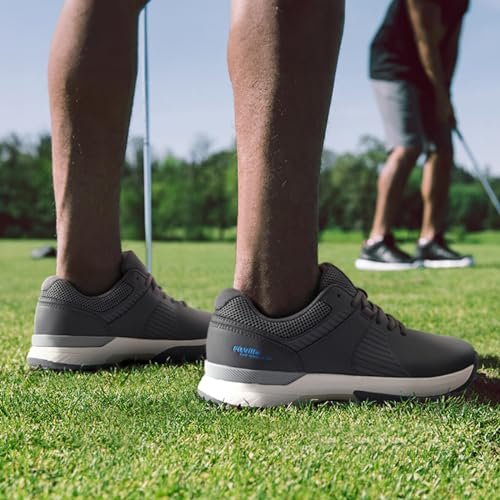
Golf shoes are the safest all-around choice because they are made for grass, slopes, and the twisting force of a golf swing. Spikeless shoes suit dry courses, casual rounds, and golfers who walk between the clubhouse and course. Soft-spike shoes give more grip on wet or hilly courses.
The shoes do not need to match your shorts in color. A clean, simple look works well. More important factors are traction, fit, comfort, weather protection, and whether the course dress code allows the shoe.
Why your shoes matter with golf shorts
Your shoes form the link between your body and the ground. During the backswing, your feet help you stay balanced. During the downswing, they help you push into the turf and rotate through impact. If your feet slide, your posture and swing path may change.

Golf shorts expose more of the lower leg than long pants. This makes the shoe and sock combination more visible. A good outfit looks balanced when the socks, shorts, and shoes suit the course setting.
Shoes also affect a long day on the course. An 18-hole round can involve several miles of walking, often on uneven ground. A shoe that feels fine in a store or at the driving range may feel very different after five hours.
Traction and swing stability
Traction means the shoe’s ability to grip the ground. It matters most during the transition from backswing to downswing, when pressure shifts from the trail foot toward the lead foot.
Too little grip can cause your lead foot to slide. Too much stiffness can limit natural foot movement. Most golfers need a middle ground: stable contact with enough flexibility to walk and rotate comfortably.
Comfort during a walking round
Walking golfers should think about cushioning, heel stability, toe room, and the ground underfoot. A shoe that pinches your toes can change your stride. A shoe that allows too much heel movement can cause blisters and reduce confidence.
This matters for all golfers, but it is especially important for seniors, junior golfers, and players returning after a foot, ankle, knee, or back issue. Comfort does not replace medical advice. Persistent pain deserves attention from a qualified health professional.
Appearance and golf etiquette
Golf shorts are common at many courses, but dress codes vary. Some clubs require a certain short length, tucked shirts, or specific types of golf shoes. Others allow athletic shoes if they do not damage the turf.
Check the course policy before you play. A neat outfit shows respect for the club, your playing partners, and the traditions of golf etiquette.
The main types of shoes to wear with golf shorts
Different golf shoes serve different needs. The right type depends on traction, weather, walking, and course design rather than gender or handicap alone.

A beginner on a flat executive course may be comfortable in spikeless golf shoes. A low-handicap player on a wet links course may prefer stronger traction. A parent helping a junior learn the game should focus on fit, movement, and safety rather than appearance.
Spikeless golf shoes
Spikeless golf shoes use small rubber patterns or traction lugs instead of replaceable spikes. They often feel natural when walking on hard paths, clubhouse floors, and firm turf.
They suit:
- Dry or moderately damp courses
- Casual golfers and beginners
- Walking rounds
- Practice at the driving range
- Players who want a flexible feel
Their limits appear on very wet slopes, soft turf, or courses with steep changes in elevation. The traction pattern may not hold as firmly as soft spikes in those conditions.
Soft-spike golf shoes
Soft-spike shoes use small cleats that grip the turf. They are designed to provide stable contact without the damage linked to older metal spikes.
They suit:
- Wet courses
- Hilly layouts
- Golfers with a fast or forceful downswing
- Players who want a firm base
- Tournament or club settings with strict golf shoe rules
Soft spikes can feel less natural on pavement. Walk carefully between the parking area, clubhouse, and first tee.
Athletic shoes
Some courses allow athletic shoes, especially for casual play or beginner programs. A clean pair with a flat, stable sole may work on dry, flat turf.
However, ordinary running shoes are built for forward motion. Golf requires rotation and side-to-side stability. A very soft running shoe may feel unstable during the swing.
Use this option only when the course permits it and when the ground is dry. It is less suitable for steep, wet, or tournament conditions.
Trail shoes and hiking-style shoes
Trail shoes may offer strong grip and useful protection on rugged ground. They can suit a hilly public course or a walking round in mild weather if the course allows them.
Their heavy tread can press into soft turf. Some are also stiff around the ankle or too heavy for a full round. Avoid any shoe that makes your stance feel fixed or changes your natural footwork.
Casual sneakers
Casual sneakers are usually best for the clubhouse or a short practice session, not a full round. Their support and traction vary widely.
They may suit a first lesson on a dry driving range. They may not suit a wet course, a long walk, or a player who needs firm support during the swing.
| Shoe type | Best use | Main limit |
|---|---|---|
| Spikeless golf shoes | Dry courses, walking, casual rounds | Less grip on wet slopes |
| Soft-spike golf shoes | Wet, hilly, or demanding courses | Less comfortable on hard paths |
| Athletic shoes | Dry practice areas or courses that allow them | Often less stable for golf rotation |
| Trail shoes | Rugged walking and uneven ground | Can be heavy or harsh on turf |
The key takeaway is simple: golf shoes are the most versatile option, while athletic and trail shoes depend on course permission and conditions. Your handicap does not decide the shoe type by itself; the course and your movement needs matter more.
How to match shoes with golf shorts
The best outfit uses balance. Shorts should allow free movement, and shoes should look like part of the golf outfit rather than an afterthought.

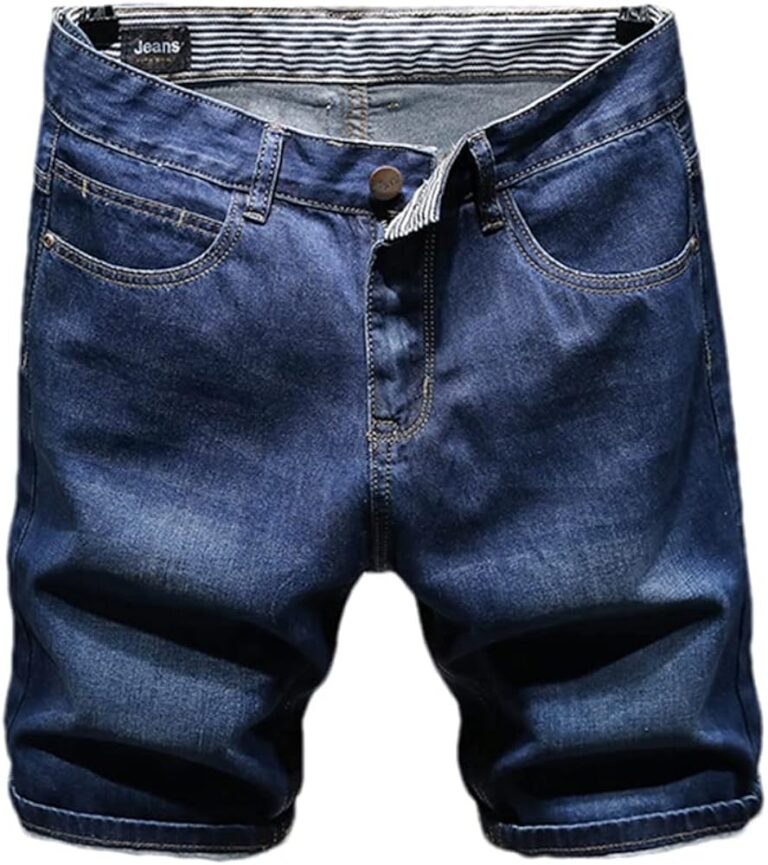
Shorts that end around the knee usually pair well with low-profile golf shoes. Longer or looser shorts can make a bulky shoe look heavy. The goal is not fashion perfection. The goal is a clean shape that lets you walk, bend, and swing without distraction.
Match the shoe shape to the shorts
Slim or regular-fit shorts work well with shoes that have a simple shape. Roomier shorts can handle a slightly stronger shoe profile, but the shoe should still allow normal movement.
Avoid a very narrow shoe if your foot spreads during the stance. Avoid a very wide shoe if it catches on the grass or makes your feet feel slow.
Use socks as a transition
Golf socks create a visual bridge between shorts and shoes. Low socks give a casual look. Ankle or crew socks offer more coverage and may help protect the skin from grass, sun, and irritation.
Choose socks based on comfort and course rules. A golfer with sensitive skin may need a higher sock. A junior may need socks that stay in place without bunching inside the shoe.
Keep colors simple
Neutral shoes can work with many shorts colors. A dark shoe often gives a stronger look, while a light shoe can feel cooler in appearance during summer.
The shoe does not need to repeat the color of your shirt or hat. Too many matching pieces can make the outfit look forced. Clean lines and proper fit matter more.
Consider the clubhouse
Some golfers change shoes before entering the clubhouse. Others wear spikeless golf shoes in both places. Soft spikes may be restricted indoors because they can damage floors.
Check local rules and use shoe-changing areas when provided. This small habit supports good etiquette and helps protect the facility.
| Golf shorts style | Shoe shape that usually works | Sock note |
|---|---|---|
| Tailored shorts | Low-profile, clean golf shoe | Low or ankle socks |
| Relaxed shorts | Stable shoe with a moderate sole | Ankle or crew socks |
| Junior golf shorts | Light, flexible shoe with secure fit | Socks that do not bunch |
| Longer shorts | Simple shoe with a balanced profile | Crew socks can add balance |
Takeaway: fit and comfort should guide the outfit before color. A short that restricts your hip turn or a shoe that pinches your foot can distract you more than a small style mismatch.
Choosing shoes for course and weather conditions
Course conditions can change the right answer. A dry parkland course, a wet links course, and a firm executive course place different demands on your feet.

A links course often has wind, firm ground, exposed slopes, and rough grass. A parkland course may have softer turf, tree roots, and shaded wet areas. An executive course may be shorter, but it can still have steep paths and slippery ground.
Dry summer conditions
Dry turf allows more shoe choices. Spikeless golf shoes usually provide enough traction for many players. Athletic shoes may work during casual play if permitted by the course.
Heat also matters. Breathable materials can help your feet feel cooler, but ventilation does not remove the need for sun protection. Use sunscreen, drink water, and take shade breaks when needed.
Wet mornings and rain
Dew can make grass slippery even when the sky is clear. Waterproof golf shoes or shoes with strong wet traction can help keep your feet stable and dry.
Wet shoes can cause blisters and cold feet. Carry a dry change of socks if you are walking. Never assume a shoe is waterproof simply because it looks solid; check its stated design and care guidance.
Firm or hard ground
Firm ground increases impact under the feet. A flexible sole with suitable cushioning may feel better than a very stiff shoe.
Do not confuse softness with support. A shoe that compresses too much may make the stance unstable. Walk and swing in the shoe before using it for a full round when possible.
Slopes and rough
Slopes test side-to-side grip. Rough grass can catch the outer edge of a shoe, especially during a hurried step. Take shorter steps and keep your knees relaxed.
The safest shoe is not always the shoe with the deepest tread. Deep tread can damage soft turf. Use the traction level needed for the conditions and follow course rules.
| Condition | Useful shoe feature | Golfer most helped |
|---|---|---|
| Dry, flat turf | Flexible sole and moderate traction | Beginners and casual walkers |
| Wet morning | Secure grip and water protection | All golfers, especially walkers |
| Hilly course | Strong side-to-side stability | Seniors and players with balance concerns |
| Hard summer ground | Cushioning with a stable base | Golfers sensitive to foot impact |
| Links or exposed course | Firm contact and reliable traction | Improving and experienced players |
The main lesson is to match traction to risk. If the ground is wet, steep, or uneven, stable golf footwear matters more than a relaxed fashion look.
Shoes for walking, riding, and practice
Your transportation plan changes the demands on your shoes. A rider may spend less time walking, but still needs safe footing around the cart, tee box, bunkers, and greens.

Walking golfers need comfort over distance. Riding golfers need balance, easy movement, and shoes that do not slip when stepping on or off the cart. Practice golfers need shoes that support repeated swings without creating pressure points.
Walking 18 holes
Walking creates repeated stress on the feet, calves, knees, hips, and lower back. Choose a shoe that lets your foot bend without folding under the arch.
Start with a short practice walk before committing to a long round. New shoes, new socks, or a sudden increase in walking can create problems even when the shoe itself fits well.
A golf fitness routine can help. Gentle calf raises, ankle circles, hip mobility, and a short warm-up can prepare the body. Do not stretch into pain.
Riding in a cart
Cart golfers still walk from the cart to the ball, across slopes, and around greens. A shoe with a stable heel and secure upper can help when stepping on uneven ground.
Follow cart paths and local cart rules. Avoid sharp turns on steep slopes. Keep hands and feet inside the cart, and never drive near a hazard or edge without a safe path.
Driving range practice
Range practice can involve many swings in one place. Shoes should support a stable stance without stopping normal foot movement.
Beginners should focus on balance, grip, stance, posture, and tempo rather than forcing the feet into the ground. A shoe cannot correct a poor setup. An improving player can use the range to check whether the shoe allows a smooth finish and stable lead side.
Short-game practice
Chipping, pitching, bunker shots, and putting involve smaller swings but still require balance. A soft, flexible shoe may feel comfortable around the practice green.
Be aware of wet grass, loose sand, and slopes. Walk carefully near the edge of a bunker. Do not drag your feet across a putting green.
| Activity | Main shoe need | Common concern |
|---|---|---|
| Walking 18 holes | Comfort and even support | Blisters or foot fatigue |
| Riding in a cart | Secure fit and stable sole | Slips near slopes or cart paths |
| Driving range | Balanced stance and flexibility | Repeated pressure on one area |
| Short-game practice | Light movement and turf grip | Wet grass or bunker footing |
A shoe that works for a cart round may not work for a walking round. New golfers should test comfort with a short session first. Seniors and golfers with past injuries should increase walking time gradually.
Shoes for men, women, juniors, and seniors
Golf shoe needs are personal. Gender labels do not explain every foot shape or movement pattern. Fit, support, width, and comfort should guide the decision.

Men’s and women’s golf shoes may differ in shape, width, heel design, and sizing systems. Yet the same basic rules apply: the shoe should hold the foot without squeezing it, support the ground without blocking movement, and suit the course.
Women golfers
Women golfers may prefer a lighter shoe or a shape that fits a narrower heel. That does not mean every woman needs a narrow shoe. Foot width and arch shape vary from person to person.
Golf shorts for women may have different lengths and cuts, but the shoe principles stay the same. Make sure the shorts allow a full hip turn and do not ride up during the stance.
Men golfers
Men’s golf shoes often come in broader shapes, but a broad label does not solve every fit issue. A player with a narrow heel may need a secure heel hold, while another may need extra toe space.
Do not judge fit by shoe length alone. Your foot should not slide forward when walking downhill, and your toes should not press into the front during the stance.
Junior golfers
Junior golfers need room to move, but not a loose shoe. A shoe that is too large can let the foot slide inside it and affect balance.
Parents should check the course dress code and help the child practice walking, standing, and swinging. Junior-sized equipment, safe swing-area clearance, sun protection, and hydration matter more than matching an adult outfit.
Senior golfers
Senior golfers may value cushioning, easy flex, and strong heel stability. Balance can change with age, joint stiffness, or reduced ankle movement.
A stable shoe can help, but it cannot fix a balance problem. If a golfer feels unsteady, has numbness, or has recurring foot or joint pain, seek medical advice before changing activity or footwear.
| Golfer | What to prioritize | What may not suit |
|---|---|---|
| Beginner | Comfort, moderate grip, easy walking | Very stiff or aggressive footwear |
| Improving amateur | Stable base and reliable traction | A soft sole that feels unstable |
| Junior | Secure fit, light weight, free movement | Loose shoes or adult-sized shoes |
| Senior | Support, balance, cushioning, room | Heavy or rigid shoes that limit stride |
| Golfer with pain | Medical guidance and safe fit | Using footwear to hide ongoing pain |
The right shoe supports the golfer, not the label. This applies to left- and right-handed players alike. Handedness does not change the basic shoe choice, though a golfer with one-sided knee or ankle pain may need individual advice.
A simple fit and comfort check
The best way to judge golf shoes is to check them while standing, walking, and taking a golf stance. A shoe that feels fine while sitting may feel tight when your feet spread under pressure.
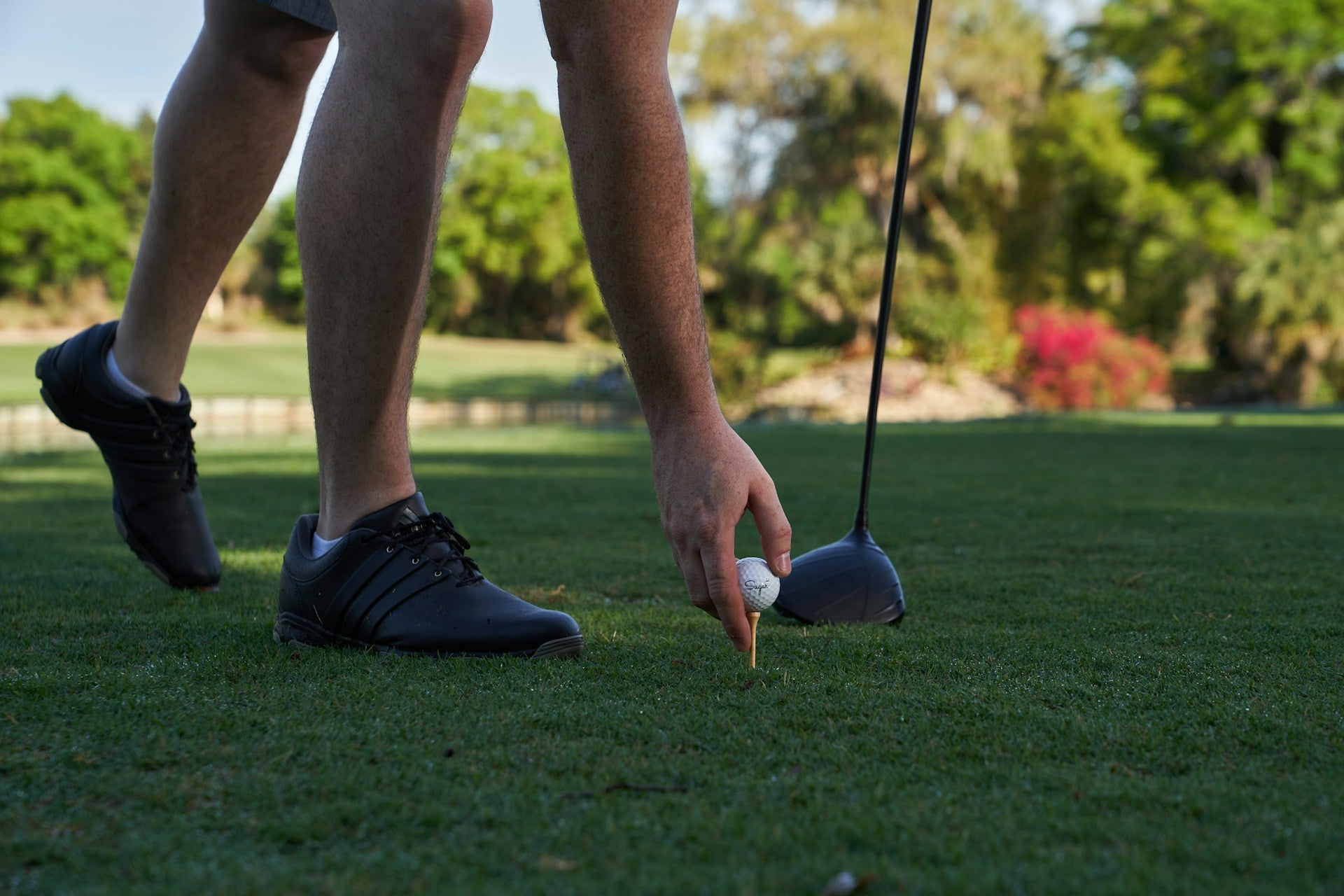
Wear the socks you expect to use on the course. Check both feet because one foot may be slightly larger. Try the shoes later in the day if your feet tend to swell after walking.
Check the heel
Your heel should stay secure without being squeezed. A small amount of natural movement is normal, but the heel should not lift sharply with each step.
Walk on a flat surface and, if allowed, a gentle slope. Notice whether the heel slips or the toes push forward.
Check the toe area
Your toes should have space to spread. They should not touch the front when walking downhill or bending into a golf stance.
A tight toe box can cause pain, numbness, or hot spots. A very loose toe box can reduce control and create rubbing.
Check the midfoot
The middle of the shoe should hold the foot evenly. Tight pressure over the arch or top of the foot can become worse during a long round.
If you use orthotics or have a known foot condition, follow advice from your clinician. Do not assume a standard insole suits every foot.
Take a golf stance
Stand with feet about shoulder-width apart, bend from the hips, and let your knees soften. Make slow practice swings. Check whether the shoe lets you maintain posture, rotate, and finish in balance.
You do not need to swing hard during this check. A controlled tempo reveals more than a forceful swing.
| Fit check | Good sign | Warning sign |
|---|---|---|
| Heel | Secure with little lift | Heel slides at each step |
| Toes | Space to spread | Toes touch or feel numb |
| Midfoot | Even support | Sharp pressure or pinching |
| Golf stance | Stable and free movement | Foot rolls or shoe restricts turn |
| Walking | No rubbing or hot spots | Burning, slipping, or pain |
A good fit should feel secure without feeling rigid. Stop using any shoe that causes pain, numbness, or skin damage.
Common mistakes when wearing golf shorts
Many shoe problems come from a poor match between the footwear, course, and golfer. They are easy to avoid once you know what to watch for.

Wearing running shoes on wet grass
Running shoes often use soft foam and forward-focused tread. They may feel comfortable but slide during the swing or on a slope.
They can suit a dry practice area if the course allows them. They are a poor choice when dew, rain, or steep terrain increases the risk of slipping.
Choosing style over fit
A shoe may look good with golf shorts and still cause pain after six holes. Golf is a moving sport. Fit must come before color or shape.
This applies to men, women, juniors, and seniors. A clean, simple shoe that fits well is more useful than a stylish shoe that changes your stride.
Wearing a shoe that is too loose
Loose shoes can create heel slip and blisters. They can also make the golfer feel unstable at impact.
New players often try to solve this by tightening the laces too much. That can create pressure on the top of the foot. The better fix is a proper fit.
Ignoring wet conditions
Dew is enough to change traction. A morning round can be slippery even without rain.
Check the grass before the first tee. Take shorter steps on slopes, and use extra care near bunkers, bridges, and cart paths.
Wearing dirty or damaged shoes
Mud and grass can reduce traction. Damaged soles may not support the foot evenly.
Clean shoes according to their care instructions. Inspect the sole, upper, laces, and fastening system before a round.
| Mistake | Why it causes trouble | Better approach |
|---|---|---|
| Using soft running shoes on wet grass | Poor side-to-side grip | Use permitted golf footwear with turf traction |
| Wearing a loose shoe | Heel slip and blisters | Check heel hold while walking |
| Picking a shoe by looks | Fit problems appear late | Test stance, walk, and comfort |
| Ignoring course rules | You may be refused play | Check local dress and shoe rules |
| Wearing damaged soles | Uneven grip and balance | Inspect footwear before play |
The fastest way to improve comfort is often to remove the source of rubbing or slipping. Do not keep playing through sharp pain.
Rules, dress codes, and course etiquette
Golf shoes are not governed by one single rule for every course. The Rules of Golf focus on playing the game, while clubs and tournament committees may set dress and equipment policies.

A local rule may limit shoe types to protect turf or clubhouse floors. Some courses may not allow metal spikes. Others may require golf shoes during competitions. Check the latest Rules of Golf and your local committee for updates.
On the course
Shoes should not damage greens, tees, or paths. Avoid dragging your feet on the putting surface. Walk around the edge of a bunker rather than stepping into it unless your shot requires entry.
Repair ball marks, replace divots when asked by local practice, and rake bunkers. Keep pace of play and let faster groups play through when local etiquette calls for it.
In a tournament
Tournament committees can set conditions of competition. A player who ignores a dress or footwear condition may face removal from the event or another local consequence, depending on the event policy.
Do not guess. Ask the committee or check the event notice before play.
In match play and stroke play
Shoe choice does not change the basic difference between formats. Stroke play counts the total score for the round or event. Match play compares each hole. Stableford awards points by score, and a scramble uses a team format.
In every format, safe movement and pace of play remain important. A shoe that makes you slow, unstable, or hesitant can affect your whole group.
📜 Check the Rules: Club dress codes and competition conditions can differ. Verify the current Rules of Golf, local rules, and committee instructions before tournament play.
How shoes affect your golf swing
Shoes do not create a swing, but they can influence how the feet respond during the swing. This is why a shoe that feels comfortable while walking may feel wrong at impact.
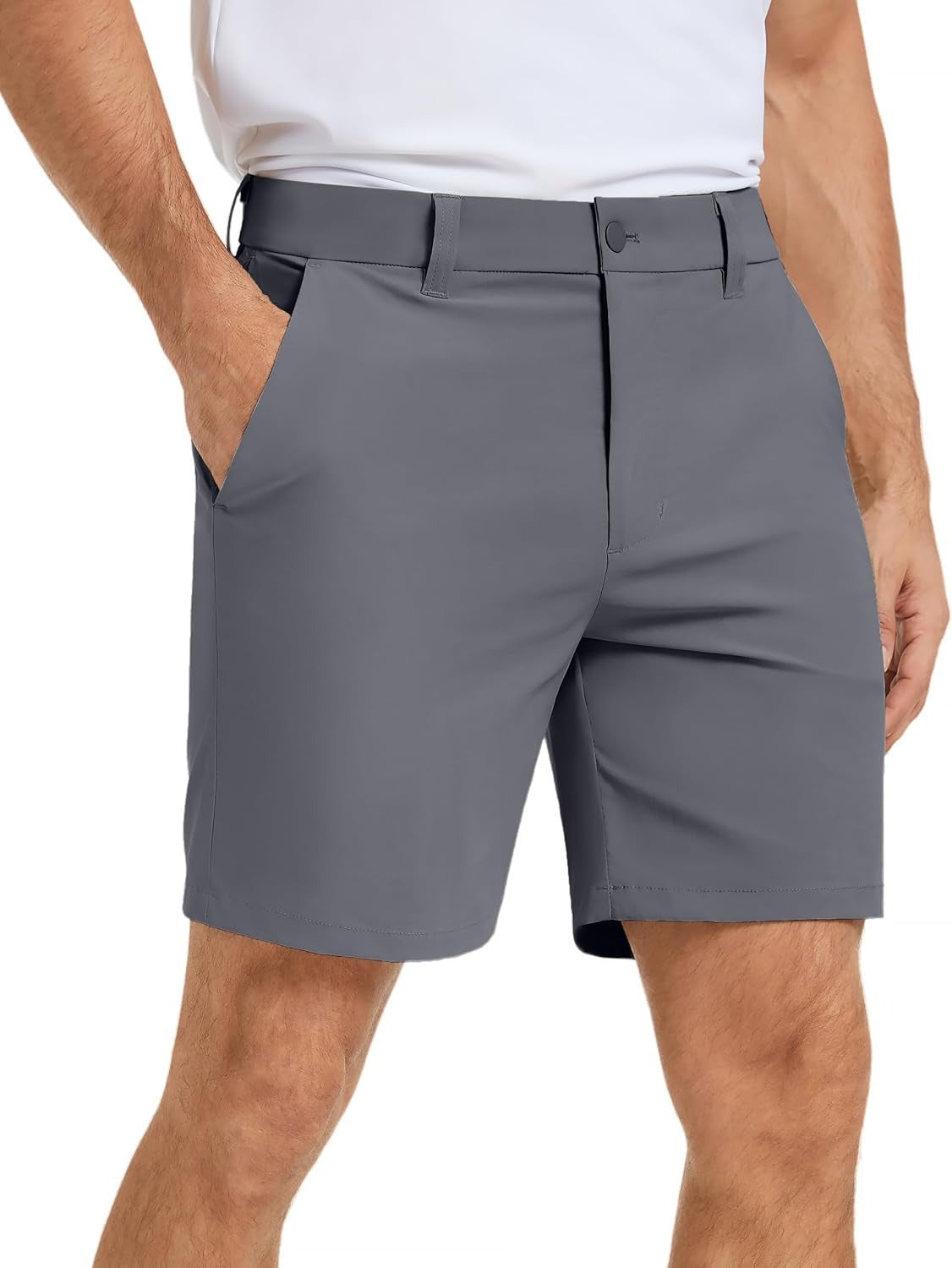
A balanced setup begins with even pressure across the feet. Your stance width depends on the club, body size, and skill level. Most golfers need enough width to feel stable without locking the legs.
Grip and pressure
Foot grip is not the same as hand grip. Foot grip comes from contact with the turf and controlled pressure through the soles.
Avoid pressing the feet into the ground so hard that the knees and hips become stiff. A smooth swing uses pressure shifts, not a frozen stance.
Posture and balance
Good posture lets the hips hinge while the back stays in a useful position. Shoes that force you onto the toes or heels can change this setup.
Take a slow practice swing. Notice whether you finish with weight balanced on the lead side. If you fall away or slide, check your stance and movement before blaming the shoe.
Swing speed and traction
Golfers with higher swing speed may create more force during the downswing. They may value a stable base, especially on wet or sloped turf.
A beginner with a slow swing still needs traction. Skill level changes the amount of force, not the need for safe footing.
| Swing factor | Shoe influence | Useful check |
|---|---|---|
| Setup | Sole shape can change balance | Stand evenly over both feet |
| Backswing | Excess grip may limit natural turn | Make a slow, relaxed turn |
| Downswing | Poor traction may cause sliding | Check lead-foot stability |
| Impact | Unstable feet can change posture | Strike controlled shots |
| Follow-through | Stiff shoes may limit finish | Hold a balanced finish |
If a shoe changes your swing, first review stance, posture, tempo, and ball position. A footwear change may reveal a setup issue, but it is not a complete swing fix.
Walking comfort and golf fitness
Golf fitness includes foot strength, ankle control, leg endurance, hip mobility, and trunk stability. Shoes can support these areas, but they cannot replace gradual training.
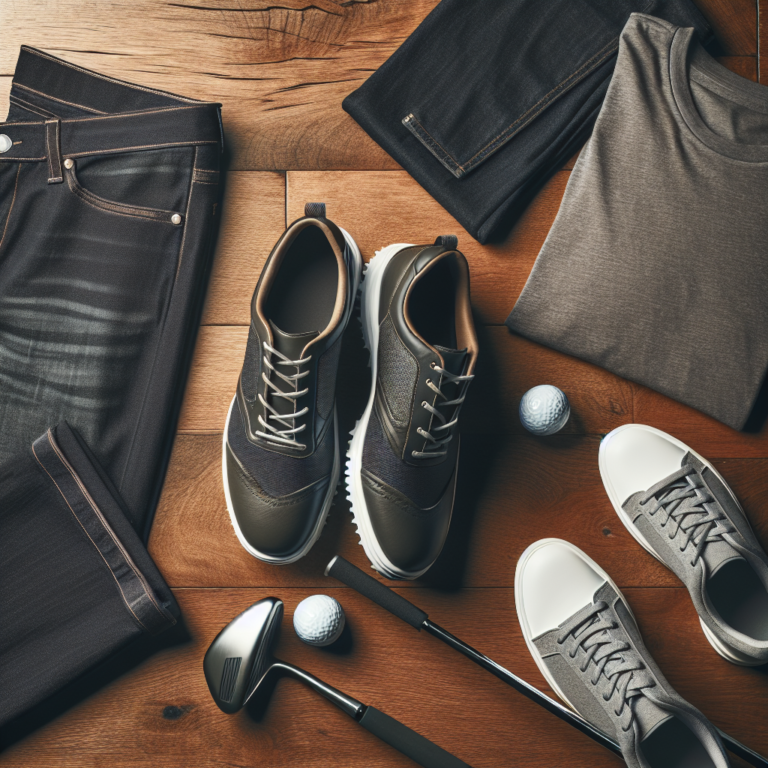
Before a round, walk for a few minutes. Add ankle circles, gentle calf raises, leg swings, and easy hip turns. Then make short practice swings before hitting full shots.
Golfers who sit most of the week should not assume they are ready for a long walking round. Build distance over time. A beginner may start with a short course or a few holes, while an experienced walker may handle 18 holes more comfortably.
Protecting the back, knees, and feet
Foot discomfort can change your posture. That change may travel up through the knees, hips, and lower back. Stop if pain becomes sharp, spreads, or continues after play.
Senior golfers and players with past injuries should use a slower warm-up and take breaks. A medical professional can help identify whether the issue comes from footwear, movement, or another condition.
Heat and hydration
Hot weather raises the risk of fatigue. Fatigue can reduce balance and decision-making, especially late in a round.
Drink water during the day, use sun protection, and seek shade. Leave the course at the first lightning warning and follow the facility’s emergency plan.
⚠️ Safety Warning: Do not play through lightning, severe heat symptoms, or sharp pain. Stop, seek shelter, and get medical help when needed.
Pros and cons of common golf shoe choices
No shoe type suits every golfer or every course. The table below shows the trade-offs without treating one option as universal.

| Choice | Pros | Cons |
|---|---|---|
| Spikeless golf shoes | Comfortable for walking; useful on many dry courses; easy on paths | May lose grip on wet or steep ground |
| Soft-spike golf shoes | Strong turf grip; useful in wet weather and on hills | Less comfortable on hard surfaces; may need changing indoors |
| Athletic shoes | Familiar feel; may suit casual practice where allowed | Often less stable for rotation; may lack wet-grass grip |
| Trail shoes | Good rough-ground grip; useful for rugged walking | Can be heavy; tread may affect soft turf |
| Casual sneakers | Simple for short practice sessions | Usually not designed for golf stance or long walking |
The best option depends on your course, weather, walking plan, and physical needs. When in doubt, follow the course policy and favor safe, stable movement.
A practical decision guide
You can decide what to wear in less than a minute by asking a few clear questions. This works for new golfers and experienced players.

-
Is the course wet, steep, or uneven?
If yes, favor golf footwear with reliable traction. -
Are you walking several miles?
If yes, check cushioning, heel hold, toe room, and sock comfort. -
Does the course allow athletic shoes?
If you are unsure, check before arriving. -
Are you playing a tournament?
Read the event dress code and conditions of competition. -
Do you have foot, knee, ankle, or back pain?
Use medical guidance and avoid treating footwear as a cure. -
Are you a junior or new golfer?
Choose a secure, light fit that allows a natural stance and walk. -
Will you use a cart or walk?
A cart reduces walking distance but does not remove the need for stable footing.
| Situation | Practical direction | Why |
|---|---|---|
| First round on a dry public course | Permitted athletic or spikeless golf footwear | Simple conditions and moderate traction needs |
| Wet morning round | Golf footwear with secure wet grip | Dew and rain raise slip risk |
| Hilly walking round | Stable golf footwear with strong support | Slopes test balance and side grip |
| Formal club event | Footwear that meets event rules | Committees may set conditions |
| Long junior practice | Light, secure, flexible fit | Supports movement and comfort |
| Golfer with ongoing pain | Clinical advice before play | Pain may need more than a shoe change |
This guide suits most recreational golfers. It may not suit someone with a diagnosed foot condition, major balance issue, or severe pain. In those cases, individual advice matters more than general tips.
What to wear with golf shorts in different seasons
Golf shorts are most common in warm weather, but conditions can change from morning to afternoon. Your shoe choice should respond to the ground, not just the air temperature.
Spring
Spring courses may be soft from rain and morning dew. Strong traction and water protection can matter more than breathability.
Warm up before the first tee. Cold muscles and wet slopes can increase the chance of a slip or strain.
Summer
Summer often brings firm ground, heat, and long daylight. Breathable shoes and comfortable socks can help manage heat during a walking round.
Stay alert for dehydration. A tired golfer may lose balance and make poor decisions around carts, slopes, and hazards.
Early fall
Fall mornings can be wet, while afternoons may be firm and dry. Check the course conditions before choosing between lighter and more protective footwear.
Fallen leaves can hide uneven ground, balls, and drainage areas. Walk with care in wooded rough.
| Season | Ground concern | Shoe and safety focus |
|---|---|---|
| Spring | Soft turf and dew | Grip, water protection, warm-up |
| Summer | Heat and firm ground | Breathability, comfort, hydration |
| Early fall | Wet mornings and hidden ground | Stable footing and careful walking |
Weather can change within one round. A golfer who starts in cool dew may finish in strong sun. Plan for both conditions when possible.
Frequently asked questions
Q: Can I wear sneakers with golf shorts?
A: You can wear sneakers only if the course allows them. A clean, flat, stable pair may work on dry turf and during casual practice. Running shoes may feel less stable during the golf swing and may slip on wet grass.
Q: Do golf shoes have to match golf shorts?
A: No. Golf shoes do not need to match your shorts. Focus on a clean, balanced look, proper fit, and course rules. Neutral colors often work with many outfits, but comfort and traction matter more than color.
Q: Are spikeless golf shoes good for beginners?
A: Yes, spikeless golf shoes can suit beginners on dry or moderately damp courses. They are often comfortable for walking and practice. Beginners who play on wet, steep, or soft courses may need stronger traction.
Q: Are soft spikes better than spikeless shoes?
A: Neither is always better. Soft spikes usually offer more grip on wet or hilly turf. Spikeless shoes may feel easier for walking on firm ground and paths. Match the shoe to the course and weather.
Q: What shoes should women wear with golf shorts?
A: Women should wear permitted golf shoes that fit the foot securely and support walking and the golf stance. Golf shorts may have different cuts or lengths, but the same needs apply: toe room, heel security, traction, and comfort.
Q: What shoes should seniors wear with golf shorts?
A: Seniors may benefit from shoes with a stable heel, moderate cushioning, secure grip, and enough room for the toes. The best choice depends on balance, foot shape, walking distance, and medical needs. Ongoing pain should be assessed by a health professional.
Q: What shoes should junior golfers wear with golf shorts?
A: Juniors should wear light, secure, properly fitted shoes that allow natural movement. Avoid adult-sized footwear that is too loose. Check course rules, use junior-sized equipment, and teach safe walking near the swing area.
Q: Can I wear golf shoes in the clubhouse?
A: It depends on the shoe and club policy. Some clubs allow spikeless golf shoes indoors. Soft spikes or muddy soles may be restricted. Follow signs and use changing areas when required.
Q: Do shoes affect golf swing speed?
A: Shoes do not directly create swing speed. They can affect balance, traction, and confidence during the swing. A stable base may help you make a smoother motion, but swing speed comes from technique, strength, mobility, and timing.
Q: How long does it take to get used to new golf shoes?
A: It varies. Some golfers feel comfortable at once, while others need several short walks and practice sessions. Test the shoes before a full round. Stop if you develop pain, numbness, or blisters.
Q: Can shoes fix a slice or hook?
A: Shoes cannot fix a slice or hook. A slice often involves an open clubface and an outside-to-inside swing path, while a hook often involves a closed clubface or inside-to-out path. Footwear can support balance, but lessons and practice address swing causes.
Q: Should I wear waterproof golf shoes in summer?
A: Waterproof shoes can help during wet mornings or rainy conditions, but they may feel warmer than more breathable footwear. Match the shoe to the forecast, dew, course drainage, and walking plan.
Q: What socks should I wear with golf shorts?
A: Wear socks that stay in place, manage moisture, and do not bunch inside the shoe. Low, ankle, or crew socks can work. Choose the height that suits comfort, sun exposure, skin protection, and course dress rules.
Q: Are golf shoes required in stroke play or match play?
A: The format alone does not decide the shoe requirement. The course or tournament committee may set footwear conditions. Check the latest Rules of Golf, event notice, and local rules before play.
Q: Can I wear trail shoes on a golf course?
A: Trail shoes may work where the course permits them, especially on rugged walking terrain. They can be heavy or have tread that harms soft turf. Golf footwear is usually better suited to the mix of grass, paths, greens, and slopes.
Final thoughts
The best shoes to wear with golf shorts are the ones that fit well, grip the ground, support your walk, and meet the course rules. Spikeless shoes suit many dry rounds. Soft spikes help on wet or hilly turf. Athletic or trail shoes can work only when the course allows them and the conditions are suitable.
Think beyond appearance. Check your heel, toes, midfoot, stance, walking comfort, and traction. Match your choice to your skill level, handicap, age, fitness, climate, course type, and walking plan.
A good shoe should let you focus on the game: a steady setup, smooth tempo, balanced follow-through, clear course management, and good golf etiquette. Keep the turf clean, repair ball marks, rake bunkers, protect your health, and play with care.