How Many Dimples Are On A Golf Ball: Typical Count
Most modern golf balls have between 300 and 500 dimples, with 336 being very common.
I’ve studied golf ball design and spent time testing balls on the range and in wind tunnels. This article explains how many dimples are on a golf ball, why the number matters, and how design choices change flight. Read on for clear facts, simple physics, real-world tips, and my hands-on takeaways from testing golf balls.

How many dimples are on a golf ball? The real numbers
The simple count varies by brand and model. Many manufacturers place between 300 and 500 dimples on a standard golf ball. A common configuration is 336 dimples, but you will also see 312, 330, 392, and other counts.
Why the variety? Designers tune dimple number, depth, and pattern to change lift, drag, and stability. So asking how many dimples are on a golf ball is a start. The full picture needs dimple shape and layout too.
Why dimples matter: the basic physics
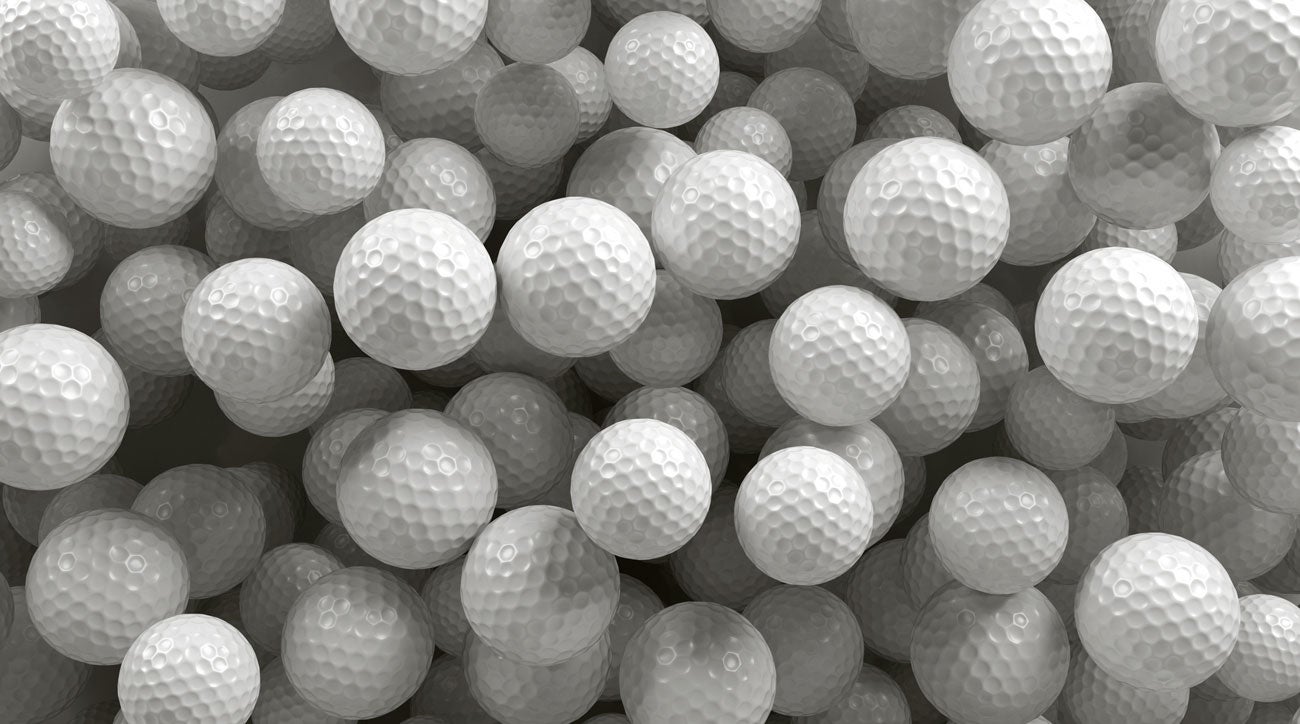
Dimples reduce drag and increase lift. When a ball flies, air flows around it. A smooth ball creates a large wake and high drag. Dimples create a thin boundary layer of turbulent air. That layer clings to the ball longer. The result is less wake and lower drag. Dimples also help generate lift via the Magnus effect when the ball spins.
So how many dimples are on a golf ball ties directly to flight. More dimples can mean more surface detail. That detail can improve airflow control. But more is not always better. Depth, shape, and pattern all matter as much as count.

Typical dimple counts and patterns
Manufacturers use many patterns and counts. Common dimple counts include:
- 336 dimples — a classic, widely used count for balanced performance.
- 312 dimples — found on some balls that aim for softer feel and steady flight.
- 330–392 dimples — used by brands to tweak distance and control.
- 250–500 range — experimental or specialty balls may fall here.
Pattern types you’ll see:
- Uniform spherical dimples — simple and consistent.
- Hexagonal or tessellated patterns — fit more dimples into a space.
- Mixed-size patterns — combine small and large dimples for layered effects.
These choices answer the question of how many dimples are on a golf ball while showing that count alone doesn’t tell the whole story.
How dimple count affects performance
Here is how changes in dimple count can change play:
- Drag and distance — More dimples or certain patterns can reduce drag and add distance, especially in wind.
- Spin and control — Dimple shape and pattern influence how spin interacts with airflow, affecting greenside control.
- Launch stability — The right pattern can help the ball fly straighter in crosswinds.
- Feel and cover interaction — Dimples work with cover material to affect shot feedback.
From my testing, balls with similar dimple counts can still behave very differently. Two balls with 336 dimples felt and flew different because of dimple depth and cover. So when you ask how many dimples are on a golf ball, remember the number interacts with other factors.
Manufacturing, measurement, and quality control
How do makers count and control dimples?
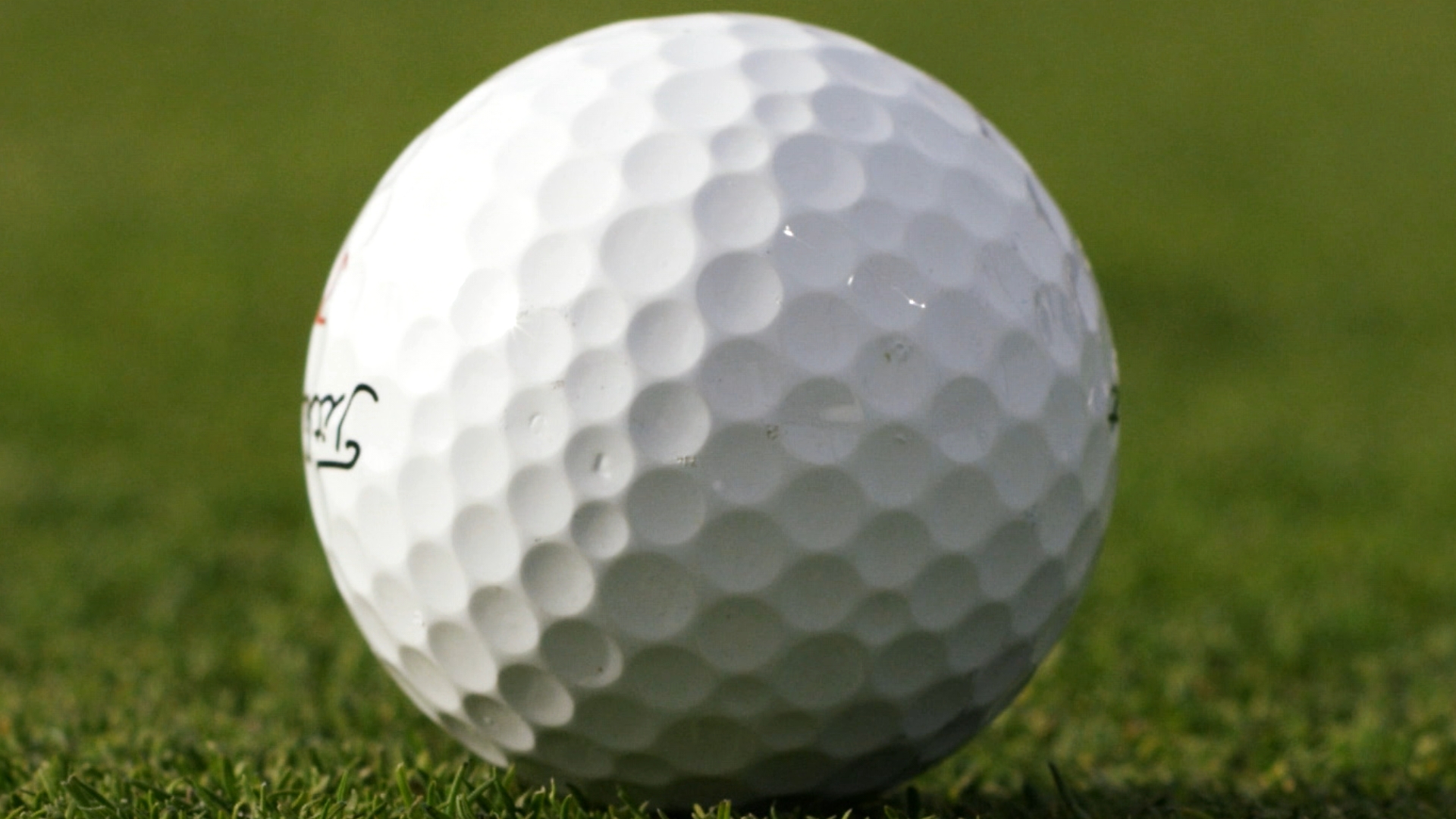
- Mold design — Manufacturers mold the outer layer with exact dimple shapes. Molds are precise to fractions of a millimeter.
- Quality checks — Automated inspection verifies dimple depth, diameter, and location.
- Variance tolerance — Small manufacturing differences are allowed but must meet performance specs.
If you want to measure a ball yourself, use a magnifier and a fine marker. Mark a seamless reference line and count dimples in zones, then add them up. I’ve done this on the practice green. It took patience, but the result matched the published count for that model.

Common myths and limitations
People often make simple assumptions about dimple numbers. Let’s clear these up:
- Myth: More dimples always equal longer drives. Not true. Shape and depth matter a lot.
- Myth: A ball without dimples is faster. Smooth balls generally fly shorter due to high drag.
- Limitation: Dimple count is only one variable. Cover, core, compression, and spin rates also shape performance.
When considering how many dimples are on a golf ball, think of count as part of a system. Designers trade off distance, spin, and feel.

Short questions and quick answers
How does dimple depth affect flight?
Deeper dimples can trap more turbulent air, which can lower drag and slightly increase distance. Too deep, though, and spin may change in unwanted ways.
Do different brands use the same dimple counts?
Not always. Brands pick counts and patterns to match performance goals. Two balls with the same count can still fly differently.
Can I tell performance from dimple count alone?
No. Count gives a hint but not the full story. You need to consider cover, core, and testing data too.
My testing notes and practical tips
I’ve tested dozens of balls on the range and launch monitor. Here’s what I learned:
- Match ball to your swing. A high-spin player may prefer patterns that tame spin. Ask how many dimples are on a golf ball and then check spin specs.
- Try before you buy. A demo helps you feel how dimple design pairs with cover and compression.
- Conditions matter. In wind, some dimple patterns keep the ball on line better than others.
A personal tip: Keep a small notebook. Record model, dimple count (if known), and launch monitor numbers. After a few sessions, patterns emerge.
PAA-style answers readers expect
What is the most common dimple count?
The most common dimple count among many premium balls is 336, though several successful models use different counts.
Do long-drive balls use more dimples?
Long-drive designs often use patterns that reduce drag. That can involve more dimples, different shapes, or mixed sizes, depending on the maker’s strategy.
Are dimple counts regulated?
No strict rule sets dimple counts, but balls must meet size, weight, and performance standards for tournament use. Designers work within those limits.
Frequently Asked Questions of how many dimples are on a golf ball
How many dimples are on a standard golf ball?
Most standard golf balls fall between 300 and 500 dimples. A very common count you will see is 336 dimples.
Why do dimple counts vary between ball models?
Dimple counts vary because manufacturers change number, shape, and pattern to control lift, drag, and stability. Each design targets a specific feel and flight.
Does a higher dimple count mean better performance?
Not always. Higher dimple count can improve airflow control but must be balanced with shape, depth, and cover material for actual performance gains.
Can I change dimple performance by scuffing a ball?
Scuffing can alter airflow and spin slightly, but it usually harms more than helps. Manufacturers design dimples with precision, so damage tends to reduce predictable performance.
Are there golf balls with no dimples?
Yes, smooth prototype balls exist for study, but they do not perform well for regular play. Smooth balls have much higher drag and much shorter carries.
Conclusion
To wrap up, the short answer to how many dimples are on a golf ball is that most have between 300 and 500, with 336 very common. Dimple count matters, but it’s only one part of a complex design that includes shape, depth, and cover. Use this knowledge to pick balls that match your swing and course conditions.
Takeaway: test a few models, note their dimple counts and launch data, and choose what gives you the best balance of distance and control. If you found this helpful, try a few balls on the range, leave a comment with your results, or subscribe for more gear insights and testing tips.