How Important Are Golf Shoes: Why They Matter
Golf shoes are more important than many new golfers expect. They are not only part of a golfer’s look. They help create a steady base for the stance, support balance during the swing, and protect the feet during several hours of walking. The right golf shoe can help you stay stable on wet grass, firm ground, slopes, and soft turf.
That does not mean golf shoes fix a poor swing. Grip, posture, ball position, tempo, and impact still control the shot. Yet your feet are the link between your body and the ground. If that link slips, pinches, or tires, your swing can change before you notice it.
For beginners, the main question is often simple: do you really need golf shoes? For improving players, the better question is how much traction, comfort, weather protection, and support their course demands. Seniors, juniors, women, men, left-handed players, right-handed players, walkers, and cart riders may all need different features.

Quick answer: How important are golf shoes?
Golf shoes are important because they can improve traction, balance, comfort, and safety during a round. They matter most for golfers who walk, play on wet or hilly courses, swing at higher speeds, or practice often. Beginners can play a casual round in suitable athletic shoes, but regular golfers usually benefit from footwear made for golf and turf.

A golf shoe should help you keep your feet connected to the ground without blocking natural movement. It should feel stable during the backswing, downswing, and follow-through. It should also let you walk, bend, and shift weight without rubbing or causing pain.
The value depends on your golf habits. A new golfer playing a short executive course in dry weather may notice little difference. A player walking 18 holes on a damp links course may notice the difference on the first tee.
| Golfer or situation | Importance of golf shoes | Main reason |
|---|---|---|
| New golfer on a dry, short course | Moderate | Basic comfort and light traction may be enough |
| Regular walker on hilly terrain | High | Foot support and grip reduce fatigue and slipping |
| Player in wet or soft conditions | High | Traction and water protection become more useful |
The key point is balance. Golf shoes can support good movement, but they cannot replace a sound warm-up routine, sensible course management, or a lesson when a swing fault continues.
What golf shoes actually do
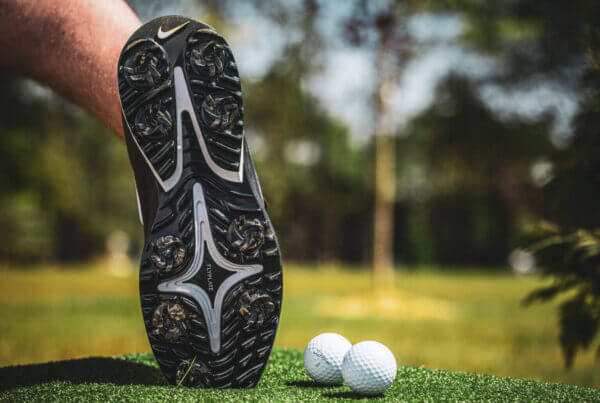
Golf shoes provide a stable platform for the feet while allowing the body to rotate. Their soles use golf-specific traction patterns, cleats, or molded grip elements. These features help the foot resist unwanted movement as force moves from the ground through the legs, hips, torso, arms, and club.

Traction during the golf swing
Traction is the grip between the sole and the ground. During a golf swing, the feet do not stay frozen. Pressure moves from one foot to the other, and the body rotates around the hips and spine.
A right-handed golfer often shifts pressure toward the trail foot during the backswing, then toward the lead foot during the downswing and follow-through. A left-handed golfer makes the opposite pattern. Both players need grip without feeling trapped.
If the trail foot slides, the backswing may lose width or balance. If the lead foot slips during impact, the golfer may pull away from the shot or lose control of the clubface. Good traction can help reduce these problems, especially on damp grass.
Balance and pressure control
Balance is not the same as standing still. A balanced golfer can move pressure while keeping the body centered enough to control the club.
Golf shoes support this process by giving the feet a predictable connection with the turf. That can help during a full driver swing, a short pitch, a bunker shot, or a delicate chip near the green.
For beginners, this stable feel can make practice less confusing. When the feet slide, it becomes hard to tell whether a poor shot came from the grip, stance, posture, or ground movement.
Walking comfort and fatigue
A full round can involve several hours of standing and walking. A golfer may cover many miles, depending on the course layout, walking route, and time spent searching for balls. Foot fatigue can affect posture and focus late in the round.
Comfort matters for every golfer, but it matters most for walkers, seniors, players with foot concerns, and junior golfers who are still growing. A shoe that causes hot spots or pressure can change the way a player stands over the ball.
| Feature | How it helps | Who may notice it most |
|---|---|---|
| Stable sole | Supports stance and weight shift | Improving golfers and fast swingers |
| Cushioned footbed | Reduces foot fatigue | Walkers, seniors, and junior players |
| Flexible upper | Allows natural walking and bending | Beginners and players on hilly courses |
A comfortable shoe can help you keep a steady posture late in the round. It does not need to feel rigid. It needs to support the foot while allowing normal walking and swing movement.
Golf shoes versus regular athletic shoes
The main difference between golf shoes and regular athletic shoes is ground traction. Running shoes are made for forward movement on prepared surfaces. Golf shoes are designed for changing direction, uneven turf, rotation, and pressure shifts.

When athletic shoes may be enough
Athletic shoes may suit a first visit to a driving range, a short practice session, or a casual round in dry conditions. They can also work on some practice areas where golf-specific footwear is not required.
Choose this approach only when the sole has a reasonable grip and the course allows it. Smooth soles can slide on grass. Deep running lugs may also damage soft turf or feel awkward when you rotate.
For a beginner, regular athletic shoes can be a practical way to learn whether golf is enjoyable before committing to a full playing routine. They may not provide the same stability as golf shoes, but they can be suitable for low-risk practice.
When golf shoes have a clear advantage
Golf shoes have a clearer advantage when the ground is wet, the course is hilly, or the player makes a powerful swing. They also help when you walk often and need steady comfort across many holes.
They can be useful for short-game practice, too. Chipping and pitching require controlled pressure shifts. Bunker shots require a stable base in sand. Putting requires a quiet lower body and a steady stance.
| Situation | Regular athletic shoes | Golf shoes |
|---|---|---|
| Dry driving-range practice | Often suitable | Helpful but not essential |
| Wet fairway or rough | May slip | Usually gives better traction |
| Long walking round | Depends on support | Built for golf movement and turf |
| Hilly course | Greater risk of sliding | Better support and ground grip |
The choice is not about status. It is about matching footwear to movement and ground conditions. A strong player in poor shoes may still hit good shots, but unstable footing adds an avoidable problem.
Spiked and spikeless designs
Spiked golf shoes use replaceable or fixed cleats for added traction. Spikeless golf shoes use molded patterns or small traction elements built into the sole.
The important difference is not that one type suits every golfer. The better choice depends on course conditions, walking needs, comfort, and local rules. Some golfers prefer a more flexible walking feel. Others need stronger grip on wet slopes.
| Sole type | Main strength | Limitation |
|---|---|---|
| Spiked | Strong traction in soft or wet ground | May feel less natural for walking off the course |
| Spikeless | Flexible, versatile walking feel | May offer less grip in some soft conditions |
| Flat casual sole | Simple comfort for light use | Can slide during a full swing |
Course superintendents also care about turf impact. Any shoe can harm grass if a player drags their feet, spins sharply, or ignores cart and entry rules. Respecting the course matters as much as selecting footwear.
🌿 Course Care Note: Walk with normal steps, avoid unnecessary twisting on delicate greens, repair ball marks, replace divots, and rake bunkers. Good golf shoes should support the turf, not scar it.
How golf shoes affect your swing
Golf shoes do not create swing speed by themselves. They can, however, help you use the ground with more confidence. The feet receive pressure from the ground, and that pressure supports the rotation of the lower body.

The feet, stance, and posture
Your stance is the position of your feet before the shot. Your posture is the angle of your body from the hips, knees, and spine. Both depend on a stable base.
If your feet slide outward, your stance width may change. If your heels lift because the sole feels unstable, your posture may change. Small changes can affect the path of the club and the direction of the ball.
A beginner should first build a balanced stance. Keep the feet about shoulder-width apart for many full shots, with the knees soft rather than deeply bent. Wedges and short shots often use a narrower stance. The shoes should let the feet stay grounded without squeezing the toes.
Ground forces and swing speed
Ground forces are the pressure and reaction created between your feet and the turf. A golfer with a fast swing may create more force and need more traction. A slower swinger still needs balance, but may value comfort and flexibility more than maximum grip.
This does not mean every golfer with high swing speed needs a stiff or heavy shoe. A shoe that limits natural movement can cause its own problems. The goal is a stable platform that works with your body.
Impact and follow-through
At impact, the clubface meets the ball. The follow-through is the motion after impact as the body and club finish the swing. Both stages involve rotation and pressure movement.
A slipping lead foot can make a golfer hesitate at impact. A slipping trail foot can cause a rushed or off-balance finish. Better traction can help the golfer complete the motion instead of fighting the ground.
| Swing stage | Footwork need | Common footwear issue |
|---|---|---|
| Address | Stable stance and even pressure | Sole feels uneven or too soft |
| Backswing | Trail-foot support and balance | Trail foot rolls or slides |
| Downswing | Pressure shift toward lead side | Lead foot loses grip |
| Follow-through | Controlled rotation and finish | Heel or toe slips on wet turf |
Golf shoes are part of the movement system, but they are only one part. Grip pressure, tempo, shoulder turn, hip motion, and clubface control still require practice.
Choosing golf shoes by course and weather
Course conditions often matter more than brand, appearance, or habit. Grass can change from firm and dry to soft and slick within the same week. A links course, parkland course, and desert course can place different demands on your feet.

Wet grass and morning dew
Morning dew can make fairways, tee boxes, and rough slippery. Rain can soften the ground while also making slopes harder to manage. In these conditions, traction becomes more important.
Wet weather also tests water protection. Damp socks can create blisters, chill, and discomfort. A golfer who walks may notice this far sooner than a golfer who rides in a cart.
Firm ground and summer heat
Firm ground can reduce the amount of natural grip under the sole. It may also increase impact through the feet, knees, and back. Flexible movement and cushioning may matter more on hard surfaces.
Heat creates a different challenge. Feet can swell during a long round, and sweat can increase rubbing. A golfer should keep feet dry when possible and use a warm-up that prepares the ankles, calves, hips, and back.
Sand, rough, and slopes
Bunker sand requires a secure stance because the feet move into the sand during setup. Thick rough can catch the lower legs and make balance harder. Slopes can place more stress on the ankles and change how pressure moves through the feet.
Golf shoes cannot remove these challenges. They can make the ground feel more predictable. Players should still shorten the swing, widen the stance when needed, and choose a safer target.
| Course condition | Main foot challenge | Useful adjustment |
|---|---|---|
| Wet fairway | Sliding during pressure shift | Use careful steps and stable traction |
| Firm links turf | Less natural grip and more impact | Keep balance and avoid over-swinging |
| Hilly parkland course | Uneven lies and ankle stress | Shorten stance and swing under control |
| Deep rough | Lower-leg resistance | Choke down and keep the lower body steady |
Your shoes should suit the course you play most often. A golfer on a flat executive course may have different needs from one on a wet, hilly championship layout.
⚠️ Safety Warning: Stop play and leave the course at the first lightning warning or when a storm approaches. Shoes do not protect you from lightning. In heat, drink water, use sun protection, and take breaks when needed.
Golf shoes for different types of golfers
There is no single ideal golf shoe for every player. Age, fitness, swing speed, foot shape, walking habits, and course type all matter. The best general rule is simple: choose comfort and stability for the demands you face.

Beginners and new golfers
Beginners should focus on comfort, basic traction, and a natural walking feel. There is no need to chase a technical solution before learning the basics of grip, stance, posture, alignment, and ball position.
A new golfer may spend time at a driving range, on a par-three course, or at an executive course. Light athletic shoes may be acceptable for early practice if the sole grips the ground and the facility permits them.
As rounds become longer and more frequent, golf shoes may help the beginner feel more secure. This can make it easier to focus on tempo and contact instead of foot movement.
Improving amateurs
Improving players often benefit more from stable traction because they are learning to use the ground with better sequencing. They may also swing faster, play in more weather, and walk more holes.
This player should notice whether the feet slide during the downswing or whether fatigue changes posture on the back nine. Video can help reveal lower-body movement, but a PGA professional can explain whether the footwear or the swing is the real issue.
Seniors
Senior golfers may value comfort, cushioning, balance, and ease of walking. Foot, knee, hip, or back concerns can change the best choice. A stable shoe may help, but a painful foot needs medical advice rather than a footwear experiment.
Seniors should also consider warm-up time. Gentle ankle circles, calf raises, hip turns, and easy practice swings can prepare the body. Avoid aggressive stretching when cold.
Women golfers
Women golfers may have different foot shapes, sizing needs, and patterns of pressure than men. The key issue is not the label. It is whether the shoe supports the individual foot without rubbing, pinching, or letting the heel move.
A woman with a fast swing needs traction just as a man does. A woman who walks nine holes may care more about comfort than a golfer who rides 18. Skill and playing style matter more than gender alone.
Junior golfers and families
Junior golfers need stable, flexible footwear that suits growing feet. Shoes should not restrict normal movement or create pressure points. Parents should check fit as feet grow and should not assume a child can use adult footwear comfortably.
Juniors also need safe practice habits. Keep a clear swing area, stay behind the player, and follow range rules. A junior golfer should learn course care and pace of play along with grip and alignment.
👪 Parent or Beginner Note: Children and new golfers often focus on the ball and forget their feet. Teach them to stand in balance, look around before swinging, and walk carefully on slopes and wet ground.
Left-handed and right-handed players
Shoe needs do not change simply because a player is left-handed or right-handed. The pressure pattern changes direction, though. A right-handed player often braces the lead left side, while a left-handed player often braces the lead right side.
Check both feet during practice. If one foot repeatedly slips, the problem may be traction, stance width, excessive force, or poor balance. Do not assume the shoe is always at fault.
Common problems caused by poor golf footwear
Poor footwear can show up as a swing problem, a comfort problem, or a safety problem. The same symptom may have more than one cause. Look for patterns across several shots and holes.

| Problem | Possible cause | First response |
|---|---|---|
| Feet slide during the swing | Wet turf, weak sole grip, or over-swinging | Slow the tempo and check traction |
| Heel lifts inside the shoe | Poor fit or loose lacing | Stop if rubbing begins and assess fit |
| Toes feel numb | Tight toe area or swelling | Loosen pressure and take a break |
| Blisters form | Friction, damp socks, or long walking | Stop early and treat the hot spot |
| Back feels tired | Poor posture, fatigue, or hard ground | Rest, hydrate, and review warm-up |
A shoe issue is more likely when the problem appears only on wet turf or after long walking. A swing issue is more likely when the same fault appears in all shoes and on every surface.
Sliding during the downswing
Sliding can come from low traction, but it can also come from forcing the downswing. Many golfers try to hit harder by pushing the body toward the target. That move can disturb balance even with excellent shoes.
Try making half-swings at 50 to 70 percent effort. Keep the finish balanced. If the feet remain stable, the full swing may need better tempo rather than more aggressive movement.
Foot pain after a round
Foot pain may come from poor support, long walking, hard ground, old injuries, or an abrupt increase in activity. Do not play through sharp pain, swelling, numbness, or pain that changes your walking pattern.
Rest and gentle care may help minor soreness. Persistent pain should be assessed by a doctor or qualified health professional. A golf shoe cannot diagnose or treat an injury.
Pressure points and blisters
Blisters often start as hot spots. Stop when you feel one. Continuing for several holes can turn a small problem into a painful injury that affects the whole swing.
Keep socks dry, take short breaks, and avoid sudden jumps from no walking to frequent 18-hole rounds. Fitness should build over time, much like a swing.
Rules, etiquette, and course care
Golf shoes are also part of golf etiquette. The Rules of Golf focus on playing the ball, the course, and the competition fairly. They do not generally require a special type of shoe, but clubs and tournaments may set footwear policies.
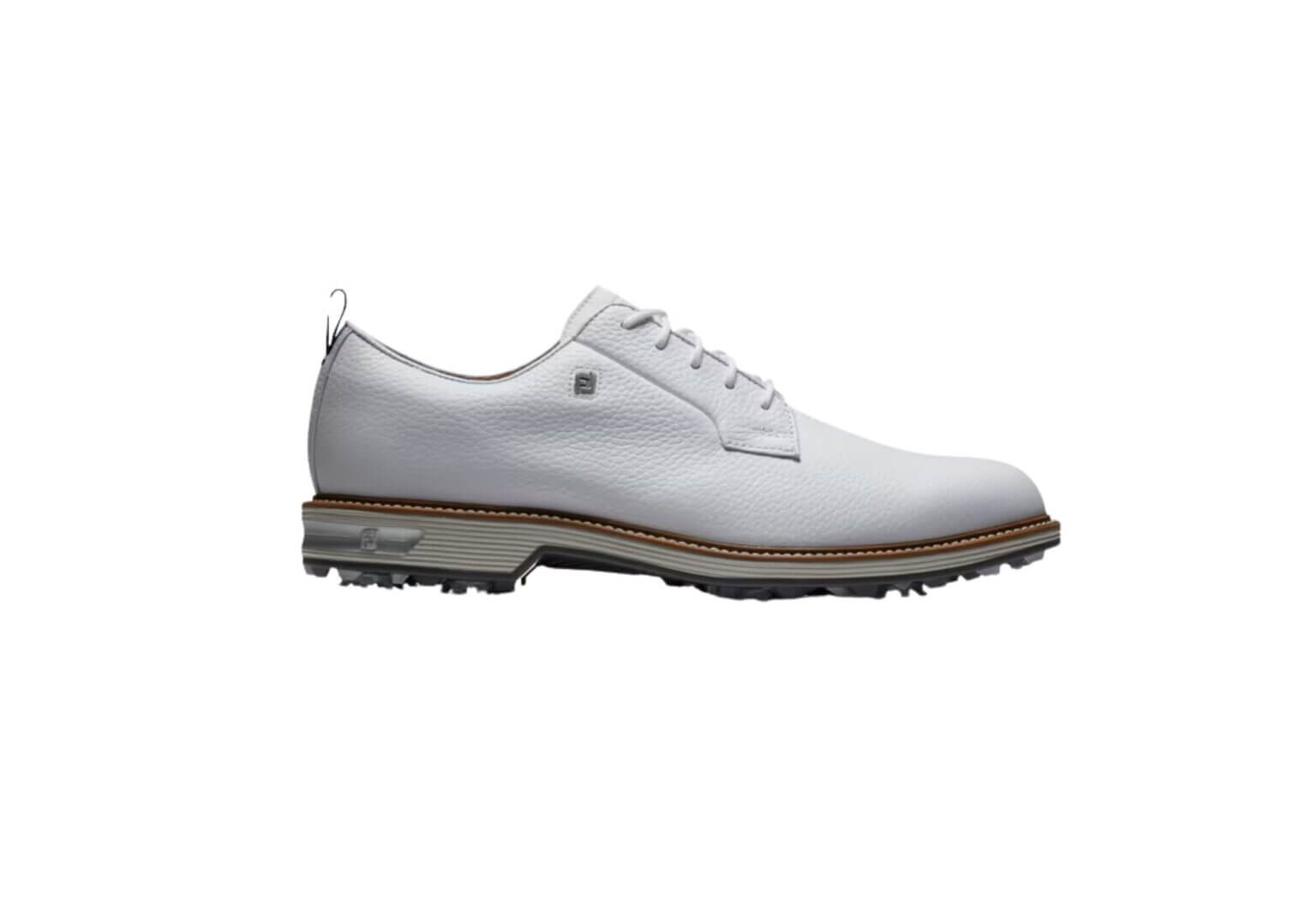
Are golf shoes required?
Many courses allow suitable athletic shoes, while some clubs or events have dress or sole rules. The policy can vary by facility, practice area, season, or tournament committee.
Check the course’s current rules before play. For competition, check the latest Rules of Golf, the committee’s terms of competition, and any local rules. A rules official or club committee can give the most reliable answer for a specific event.
Can spikes damage the course?
Spikes can damage turf if a player drags their feet or twists sharply. Spikeless soles can also damage turf through careless movement. The player’s behavior matters.
Stay on approved paths when required. Avoid unnecessary walking across sensitive areas. Follow signs near greens, bunkers, and wet ground.
Cart and clubhouse rules
Some facilities require players to remove muddy shoes before entering indoor areas. Carts may have rules about speed, parking, slopes, and restricted zones. These rules protect people, turf, and course design.
Good golf etiquette includes more than footwear:
- Keep pace with the group ahead.
- Shout “Fore!” when a shot may endanger others.
- Stand still and quiet while others swing.
- Repair ball marks and replace divots.
- Rake bunkers and leave the area ready for the next group.
- Dispose of litter, broken tees, and old balls properly.
📜 Check the Rules: Rules, dress policies, and local conditions can change. Check the latest Rules of Golf and the course or tournament committee before competitive play.
Pros and cons of wearing golf shoes
Golf shoes have clear benefits, but they are not essential for every golfer in every setting. A fair view helps you make a sensible choice based on your own play.

| Pros | Cons |
|---|---|
| Can improve traction on grass | May feel unnecessary for brief practice |
| Supports a stable stance | Some soles feel less natural off the course |
| Can improve walking comfort | Poor fit can cause rubbing or pain |
| Helps in wet and hilly conditions | Extra structure may feel restrictive |
| Supports consistent footing | Does not correct swing faults |
The main takeaway is that golf shoes are useful tools, not magic equipment. They may help a golfer feel stable, but they cannot replace practice, instruction, fitness, or sound decisions.
A second takeaway is that comfort matters as much as grip. A very grippy shoe that causes pain may hurt performance more than a moderately grippy shoe that lets you walk and swing freely.
How to test whether your golf shoes are helping
You can learn a lot by observing your feet during practice. The goal is not to chase a perfect feeling. It is to find steady footing without pain or forced movement.
A simple range check
Start with a few easy swings using a wedge or short iron. Focus on balance, not distance. Then make half-swings and finish with your chest facing the target.
Notice whether your feet slide, roll, or lift. Also notice whether the shoe pinches during the stance or rubs during walking. A shoe that feels fine while standing may feel different after 30 minutes of movement.
Next, hit a few shots from different stances. Try a narrow stance, a normal stance, and a slightly wider stance. Do not use discomfort as a test of quality. Stop if the foot hurts.
A walking check
Walk on grass, a paved path, and a gentle slope if the facility allows it. Check whether your heel stays controlled and whether your toes have room to move.
Walk enough to notice heat or rubbing. A short range session may not reveal problems that appear during a full round. Walkers should pay close attention to the last few holes, when fatigue changes posture and foot pressure.
What to track over a round
Use simple notes rather than guesswork. Record the ground condition, walking distance, weather, and any slipping or pain. Compare the front nine with the back nine.
| Checkpoint | What to notice | What it may suggest |
|---|---|---|
| First tee | Stable stance and no pressure points | Basic comfort is acceptable |
| After nine holes | Foot fatigue or dampness | Walking support or weather issue |
| Late round | Balance and posture changes | Fatigue, fit, or conditioning concern |
| After the round | Pain, blisters, or numbness | Stop and address the problem |
This process suits improving amateurs who want clear feedback. Beginners can use a simpler version: ask whether the shoes feel safe, comfortable, and stable.
Golf shoe mistakes to avoid
Many footwear problems come from simple mistakes. Fixing them can help more than searching for a more complex solution.

Mistake 1: Choosing appearance over function
A shoe may look suitable but still feel unstable, tight, or too heavy. Your feet should guide the decision. Comfort and traction come first.
Mistake 2: Ignoring the course
A flat, dry course has different needs from a wet links course. Think about your normal weather, walking habits, and terrain.
Mistake 3: Wearing new shoes for a major event
Any new footwear should be used in short sessions first. This lets you find pressure points before a long round. It also gives your feet time to adapt.
Mistake 4: Blaming shoes for every swing fault
If you slice the ball, the cause may involve the clubface, swing path, grip, or alignment. If you hit behind the ball, the low point may be too far back. Shoes can affect stability, but they rarely explain every bad shot.
Mistake 5: Forgetting foot and ankle strength
Golf fitness includes the feet, calves, hips, and core. Simple calf raises, balance work, ankle mobility, and walking can support better movement. Build slowly, especially after a long break.
🔧 Quick Fix: If your feet slide, first reduce swing effort to about 70 percent and make a balanced finish. If the issue remains, check the ground, sole grip, stance width, and fit before changing your swing.
A simple golf footwear routine for better rounds
Footwear works best when it fits into a wider routine. A few minutes before the first tee can prepare your body and reveal problems early.

Before the round
Arrive with enough time to walk lightly and warm up. Make ankle circles, calf raises, gentle hip turns, and easy torso rotations. Then make short practice swings before full swings.
Check the tee box and first fairway for wet or uneven areas. Plan your first shot with control in mind. A smooth opening swing is often better than trying to create maximum speed.
During the round
Change your pace on slopes. Take short steps on wet ground. Keep your eyes on the walking surface, not only on the next shot.
Stay hydrated and protect your skin from the sun. If you use a cart, follow cart paths and safety rules. Never drive quickly near slopes, bunkers, water, or other players.
After the round
Remove wet footwear and let it dry as directed by its care instructions. Check the sole for trapped mud, stones, or grass. Clean turf from the bottom before the next round.
Look at your feet for hot spots, blisters, swelling, or red areas. Early attention can prevent a small problem from affecting the next practice session.
| Time | Simple action | Benefit |
|---|---|---|
| Before play | Warm ankles, calves, hips, and back | Prepares the body for movement |
| First three holes | Use controlled swings and careful steps | Builds rhythm and checks stability |
| Mid-round | Hydrate and inspect comfort | Helps manage fatigue |
| After play | Check feet and clean soles | Finds problems early and protects turf |
This routine suits all skill levels. New golfers can keep it short. Competitive players may add mobility and strength work with guidance from a qualified golf fitness professional.
Golf shoes and performance by skill level
The importance of footwear changes as the golfer’s demands change. A beginner may need basic comfort. A low-handicap player may need consistent grip during high-speed swings and difficult lies.

High-handicap and beginner golfers
For high-handicap golfers, the biggest scoring gains often come from contact, direction, putting, and course management. Golf shoes can provide a stable base, but they should not distract from these skills.
Practice short putts, basic chipping, and centered contact. Learn the difference between a fairway, rough, bunker, and green. Understand par, birdie, and bogey. Footwear supports the process but does not replace it.
Mid-handicap golfers
Mid-handicap players may notice that small balance issues affect misses. A stable stance can help them repeat setup and pressure patterns. These golfers should track whether poor shots occur on slopes, wet ground, or late in the round.
Use a simple pre-shot routine. Stand behind the ball, choose a target, set the clubface, build the stance, and make a smooth swing. Consistency in setup makes footwear feedback easier to understand.
Low-handicap golfers
Low-handicap players may create more force and face more demanding conditions. Traction can matter during aggressive swings, uneven lies, and tournament play. Yet low-handicap golfers should still avoid over-gripping the ground.
A balanced finish remains a useful test. If a player cannot hold the finish, the issue may be excessive effort, poor sequence, fatigue, or unstable footing.
Parents and junior competitors
Junior golfers often improve through frequent practice and competition. Their feet and bodies may change quickly, so comfort and freedom of movement deserve close attention.
A junior should not copy an adult’s stance width, swing force, or walking load. Use age-appropriate practice time, proper warm-up, and rest. A PGA professional can help if a child has recurring swing faults or pain.
Frequently asked questions
Q: Do beginners need golf shoes?
A: Not always. Beginners can often start in suitable athletic shoes during dry practice or casual play, if the course permits them. Golf shoes become more useful as rounds get longer, weather becomes wetter, or the player notices sliding and foot fatigue.
Q: Can golf shoes improve my swing?
A: They can provide a more stable base and may help you feel pressure shifts. They cannot fix grip, alignment, clubface control, swing path, or tempo. If a swing fault continues, a lesson with a PGA professional is more useful than blaming footwear.
Q: Are spiked golf shoes better than spikeless shoes?
A: Neither is best for every golfer. Spiked soles may provide strong traction in soft or wet conditions. Spikeless soles may feel more flexible for walking. Course terrain, weather, comfort, and local policies should guide the choice.
Q: Can I wear running shoes on a golf course?
A: Some courses allow them, especially for casual play or practice. Their grip may be less suitable for wet grass, slopes, or a full swing. Check the course policy and avoid smooth soles that can slide.
Q: Are golf shoes important for walking 18 holes?
A: Yes, they can be. Walking creates more demand for comfort, support, moisture control, and traction. Seniors, players with foot concerns, and golfers on hilly courses should pay close attention to fatigue and pain.
Q: Do women need different golf shoes from men?
A: Not because of a rule. Foot shape, fit, comfort, swing speed, and walking habits matter more than gender. A woman with a powerful swing may need strong traction, while a man on a short course may place comfort first.
Q: What should junior golfers look for in golf shoes?
A: Juniors need comfort, stable traction, room for natural movement, and a suitable fit for growing feet. Parents should check for rubbing, pressure, and worn soles. Junior golfers also need safe swing-area habits and proper warm-up.
Q: Do senior golfers need more supportive golf shoes?
A: Some do, especially if they walk, play on hills, or have a history of foot, ankle, knee, or back problems. Support should not mean painful stiffness. Persistent pain, swelling, numbness, or weakness needs medical advice.
Q: How long does it take to get used to golf shoes?
A: Many golfers adapt during short practice sessions, but the time varies. Use them for brief walks and range work before a full round. Stop if you develop rubbing, blisters, numbness, or pain.
Q: Can golf shoes damage greens?
A: Any shoe can damage turf when a golfer drags the feet, twists sharply, or ignores wet-ground rules. Follow course signs, avoid unnecessary damage, repair ball marks, replace divots, and rake bunkers.
Q: Do golf shoes matter on an indoor simulator?
A: They may help you keep a familiar stance, but they are not always required. Follow the facility’s rules. Avoid soles that could damage flooring or create unsafe movement.
Q: Can golf shoes help with a slice?
A: They may help prevent slipping, but they do not directly fix a slice. A slice often involves an open clubface and a swing path moving left of the target for a right-handed golfer. A professional lesson can identify the actual cause.
Q: Should I wear golf shoes at the driving range?
A: They can be useful if you practice on grass and make full swings. They are less important on a dry mat, though you should still use footwear with safe grip. Follow the range’s rules and keep a clear swing area.
Q: Are golf shoes required under the Rules of Golf?
A: The Rules of Golf do not generally require one universal shoe type, but a committee or course can set conditions about dress and footwear. Check the latest Rules of Golf and local policies before a competition.
Final thoughts
Golf shoes matter because golf depends on the ground. Your feet support the stance, pressure shift, rotation, and finish. Stable traction can help you feel balanced, while comfort can help you walk and focus through the final holes.
The need is not equal for every golfer. A beginner on a dry practice area may do well in suitable athletic shoes. A regular walker, senior, junior competitor, high-speed player, or golfer in wet and hilly conditions may gain more from golf-specific footwear.
Use a simple test: your shoes should feel comfortable, stable, and suitable for the course. They should not cause pain, restrict natural movement, or make you think about your feet during every swing. Match your footwear to your skill, body, weather, and walking habits, then keep working on the parts that matter most—grip, stance, posture, tempo, impact, short game, putting, and smart course management.