How To Drive The Golf Ball Longer: Proven Distance Tips
Increase clubhead speed, optimize launch angle and spin, and improve sequencing to drive farther.
I’ve spent years studying and testing what works on the tee. This guide explains how to drive the golf ball longer with clear steps you can use today. I combine coaching experience, simple biomechanics, and real-world drills to help you add reliable yards. Read on to learn practical setup tweaks, swing keys, equipment choices, fitness tips, and drills that actually move the needle on distance.

Swing fundamentals for driving longer
To drive the golf ball longer you must create more clubhead speed and transfer it efficiently to the ball. That starts with the basics: setup, rotation, sequence, and impact quality.
-
Setup and posture
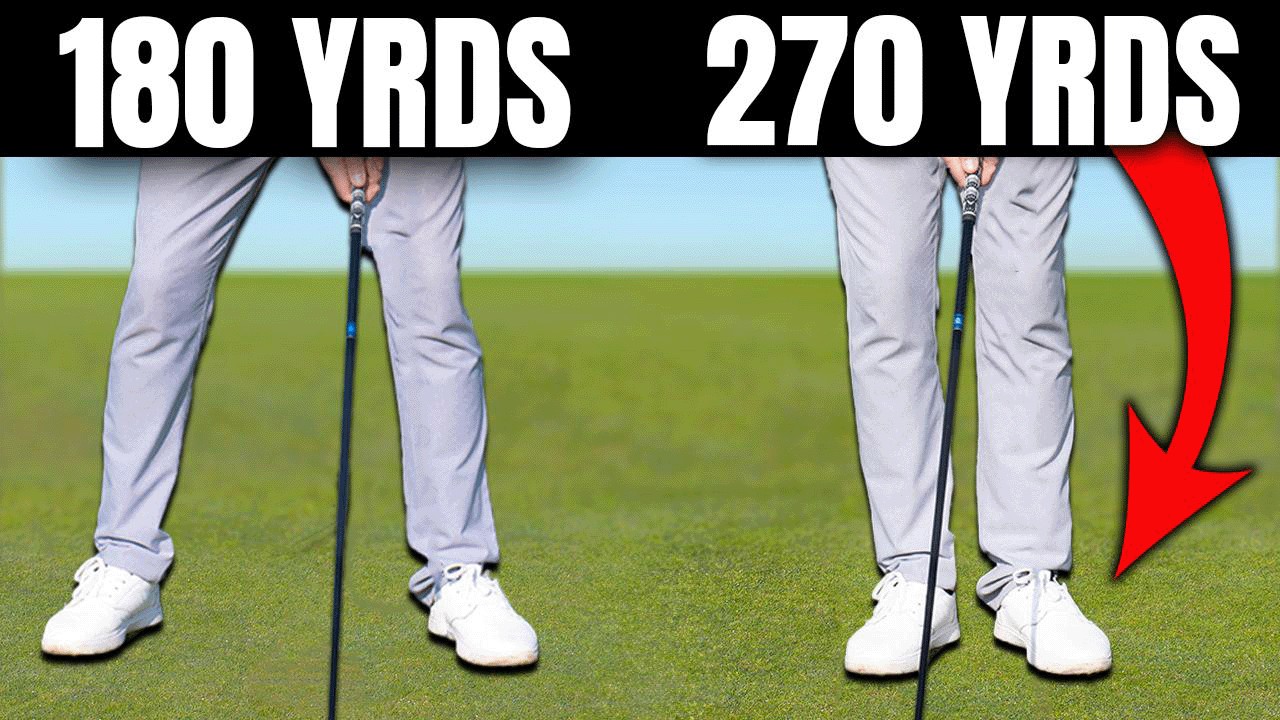
- Stand taller with a slight knee bend and a forward tilt from the hips.
- Position the ball just inside your left heel for a driver.
- A wider stance improves stability and helps you rotate freely.
-
Turn and coil
- A big shoulder turn stores energy. Aim for 80–100 degrees of shoulder turn versus a quiet hip turn.
- Keep the left side stable on the backswing to create torque between shoulders and hips.
-
Sequencing and lag
- Start the downswing with the lower body. Hips lead, then torso, then arms.
- Maintain wrist lag through the downswing until just before impact to maximize speed.
-
Impact and release
- Strike the ball slightly on the upswing for a higher launch and lower spin.
- Square the clubface at impact. Face control matters as much as speed.
How to drive the golf ball longer relies on speed plus efficient energy transfer. Better sequencing often adds more yards than swinging harder.

Equipment and ball fit: match gear to your swing
The right gear helps you drive the golf ball longer without forcing bad swings. Small changes in loft, shaft, and ball can yield big results.
-
Driver loft and face
- More loft can increase carry if you lack launch. Less loft helps players with high launch who need more roll.
- Modern drivers have adjustable loft and face angles—use them to tune launch and spin.
-
Shaft flex and length
- A shaft that’s too stiff reduces clubhead speed; too whippy hurts control. Get fitted.
- Longer shafts can add speed but may reduce accuracy. Add length gradually and test.
-
Clubhead design
- Choose a head with a forgiving center of gravity that fits your launch profile.
- Low-spin heads help strong swingers, while higher-spin heads help slower swingers get carry.
-
Ball selection
- Pick a ball with the right compression and spin for your swing speed.
- Lower-spin distance balls often increase roll; higher-spin balls give more control.
A proper fitting session saves time and adds straight yards. If you want to know how to drive the golf ball longer, start by matching your gear to your swing.

Launch conditions and ball flight: physics you can use
Distance is math. To drive the golf ball longer you must optimize launch angle, ball speed, and spin rate.
-
Key numbers to target
- Ball speed: increase through better impact and speed training.
- Launch angle: ideal driver launch often sits between 12–16 degrees depending on speed.
- Spin rate: too much spin kills roll and height; too little reduces carry.
-
Ball speed and smash factor
- Smash factor equals ball speed divided by clubhead speed. Tight, centered strikes give higher smash.
- Improving contact quality raises smash factor and adds yards.
-
Spin and trajectory
- High spin creates high carry but less roll. Low spin gives roll but may drop you short.
- Use launch monitor feedback to find your optimal spin and launch combo.
-
Wind and conditions
- Tailwinds increase carry and roll. Headwinds require lower ball flight and more spin control.
Understanding launch physics answers the “how to drive the golf ball longer” question with numbers. Use a launch monitor or fitting pro to dial these in.

Fitness, mobility, and power for more yards
Your body is a variable. Strength and movement quality directly affect how to drive the golf ball longer.
-
Mobility basics
- Work on hip rotation, thoracic spine mobility, and ankle stability.
- Limited rotation reduces coil and power.
-
Strength and power
- Build leg strength and explosive hip drive with squats, lunges, and kettlebell swings.
- Add plyometric moves and medicine ball rotational throws for speed.
-
Core and stability
- A strong, stable core helps transfer power and protect the lower back.
- Do anti-rotation planks and single-leg balance work.
-
Flexibility and recovery
- Stretch daily and prioritize sleep. Tight muscles reduce range and timing.
- Use foam rolling and soft-tissue work to maintain freedom of movement.
From experience, golfers who add targeted mobility and power work often gain 5–15 yards. Fitness is a repeatable way to answer how to drive the golf ball longer.
Practice drills and routines that add distance
Practice must be specific. These drills focus on clubhead speed, sequencing, and centered contact—three pillars of driving longer.
-
Step drill for sequencing
- Take your normal address. Lift your front foot slightly during the takeaway. Step down and swing through. This promotes hip-first sequencing.
-
Pump drill for lag
- On the downswing, pause briefly at the top then “pump” halfway down to feel wrist lag. Swing through after two pumps.
-
Tee target impact drill
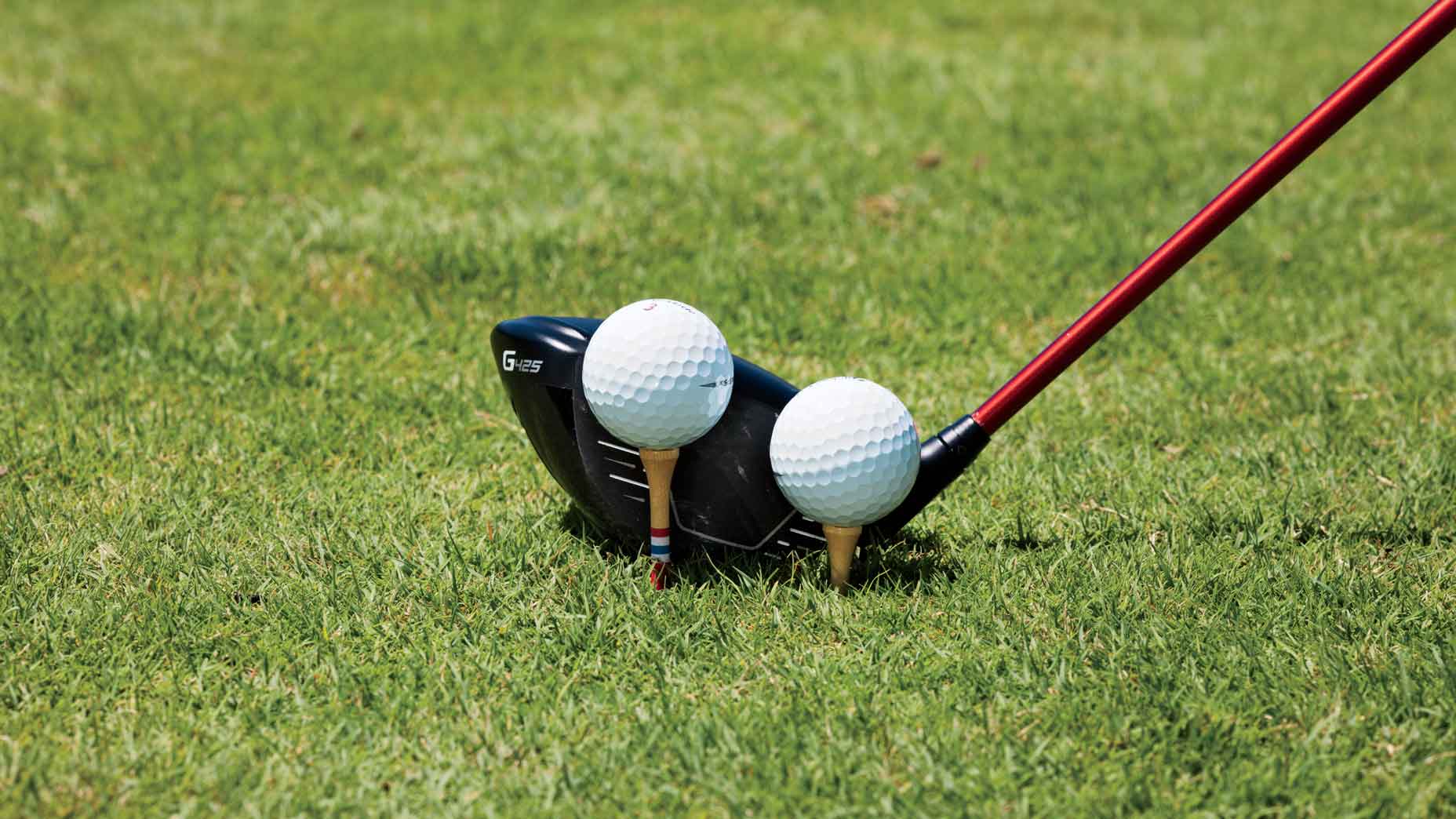
- Use a tee placed a few inches in front of the ball to encourage hitting up. This improves launch.
-
Speed training with weighted clubs
- Use an overspeed training program: alternate heavier and lighter club swings to train nervous system speed. Do short sets, not max every session.
-
3-ball routine for practice sessions
- Warm up with easy swings, then hit 10 quality drives with focus on one goal (tempo, launch, or contact). Record notes and repeat weekly.
Practice with purpose. If you want to know how to drive the golf ball longer, measure what you do and track small gains over time.

Common mistakes and fixes
Many golfers chase distance with one big swing change. Here are common errors and simple fixes.
-
Swinging too hard
- Mistake: Tension and early extension. Fix: Focus on smooth acceleration and a relaxed grip.
-
Poor ball position
- Mistake: Ball too far back reduces launch. Fix: Move ball just inside left heel for driver.
-
Early release (casting)
- Mistake: Releasing wrists early kills lag. Fix: Practice half-swings and feel stored power until release.
-
Wrong loft or shaft
- Mistake: Using wrong loft or too stiff shaft. Fix: Get a fitting to match gear to swing speed.
-
No lower-body lead
- Mistake: Arms dominate the swing. Fix: Start downswing with hips and feel the chain reaction.
Fixing these issues helps answer how to drive the golf ball longer without risky technique changes.

Quick questions golfers ask (PAA-style)
Q: How much clubhead speed do I need to drive farther?
A: More speed always helps, but efficient impact matters. For many amateurs, adding 5–10 mph clubhead speed yields 10–30 extra yards.
Q: Will a stronger grip add distance?
A: A stronger grip can close the face and add draw bias. Use it only if it improves face control and contact quality.
Q: Are longer drivers always better for distance?
A: Longer shafts can boost speed but often reduce accuracy. Test changes gradually and prioritize centered contact.
Frequently Asked Questions of how to drive the golf ball longer
What is the single best change to drive the golf ball longer?
The single best change is improving sequencing: lead with the hips and maintain lag. Better sequence often yields more yards than raw effort.
How much does ball position affect distance?
A lot. Moving the ball forward in your stance helps you strike on the upswing and increases launch for more carry.
How important is the driver loft for distance?
Very important. The right loft optimizes launch and spin. Too little loft can over-spin; too much loft reduces roll.
Can fitness training really add yards?
Yes. Targeted mobility and power work commonly add consistent clubhead speed and reduce injury risk.
How often should I get fitted for equipment?
Every 1–2 years or after a major swing change. A fitting keeps your gear matched to how you swing now.
Will changing to a new ball add distance immediately?
Sometimes. A lower-spin distance ball can add roll. But good contact and launch are still required to see gains.
Is swing speed or smash factor more important?
Both matter. Swing speed sets the ceiling, while smash factor shows how well you transfer that speed to the ball.
How long before I see results from drills?
You can see feel changes in a few sessions. Measurable yardage gains typically appear after consistent practice for 4–8 weeks.
Should I sacrifice accuracy for more distance?
No. Distance is pointless without control. Aim for a balance: add swing speed while keeping quality contact and face control.
Can I use tempo to add distance?
Yes. A smooth tempo helps maintain balance and sequence, which improves speed and impact efficiency.
Conclusion
Driving the golf ball longer is a mix of better speed, better launch, and better contact. Focus on setup, coil, and sequencing. Match your driver, shaft, and ball to your swing. Add mobility and power work, and practice specific drills for lag and impact. Track your numbers, make small, testable changes, and be patient—gains come from consistency.
Take one action today: pick one drill or one equipment change and track it for four weeks. Share your progress or questions in the comments, and consider getting a short fitting session to find your ideal setup.