How Do Golf Ball Dimples Work: Science Behind Distance
Dimples make the airflow around a golf ball turbulent, cutting drag and boosting distance.
I’ve studied golf ball behavior and played many rounds. I’ll explain exactly how do golf ball dimples work, using clear physics and real tests. You’ll learn what dimples do, why patterns matter, and how that knowledge helps you pick and use golf balls better. Read on for simple explanations, useful tips, and practical examples from the range and lab.
How do golf ball dimples work: the physics in plain words
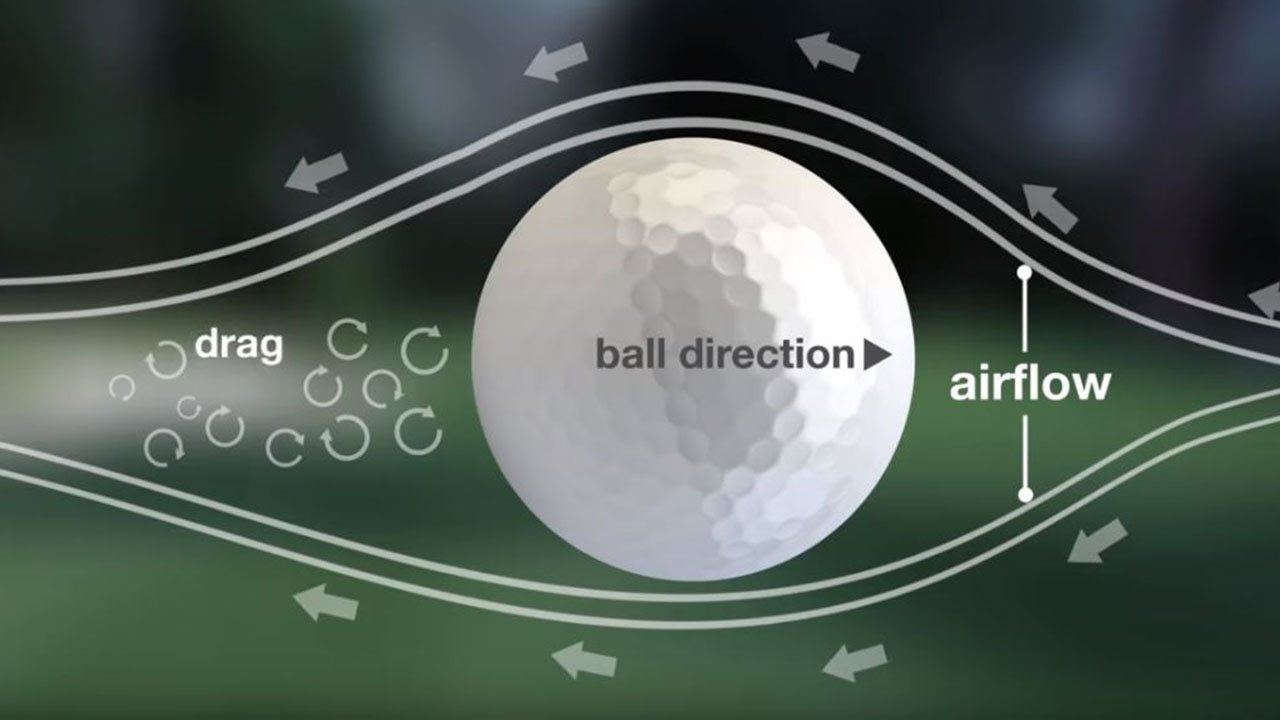
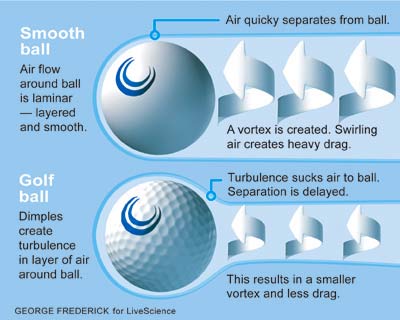
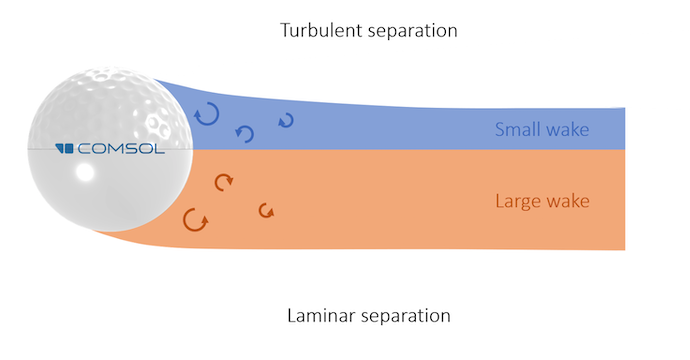
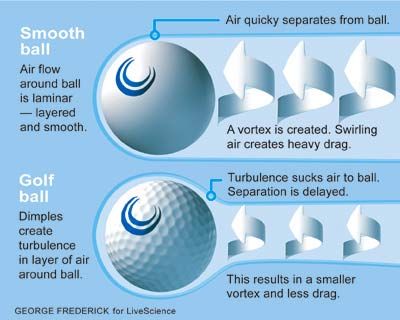
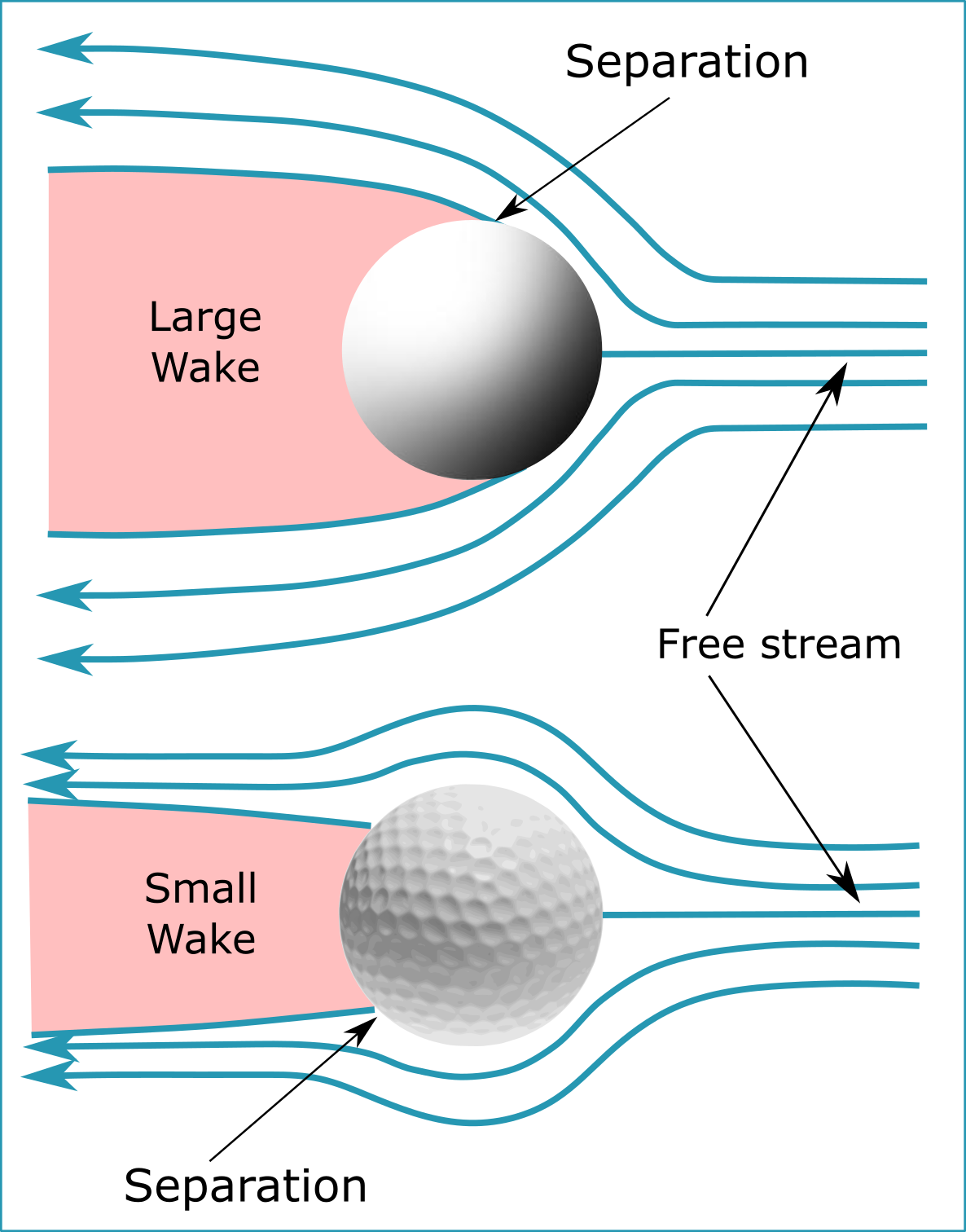
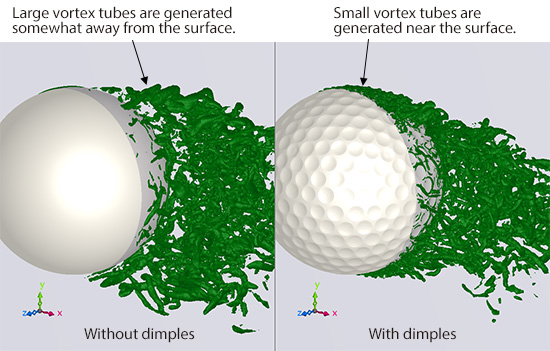
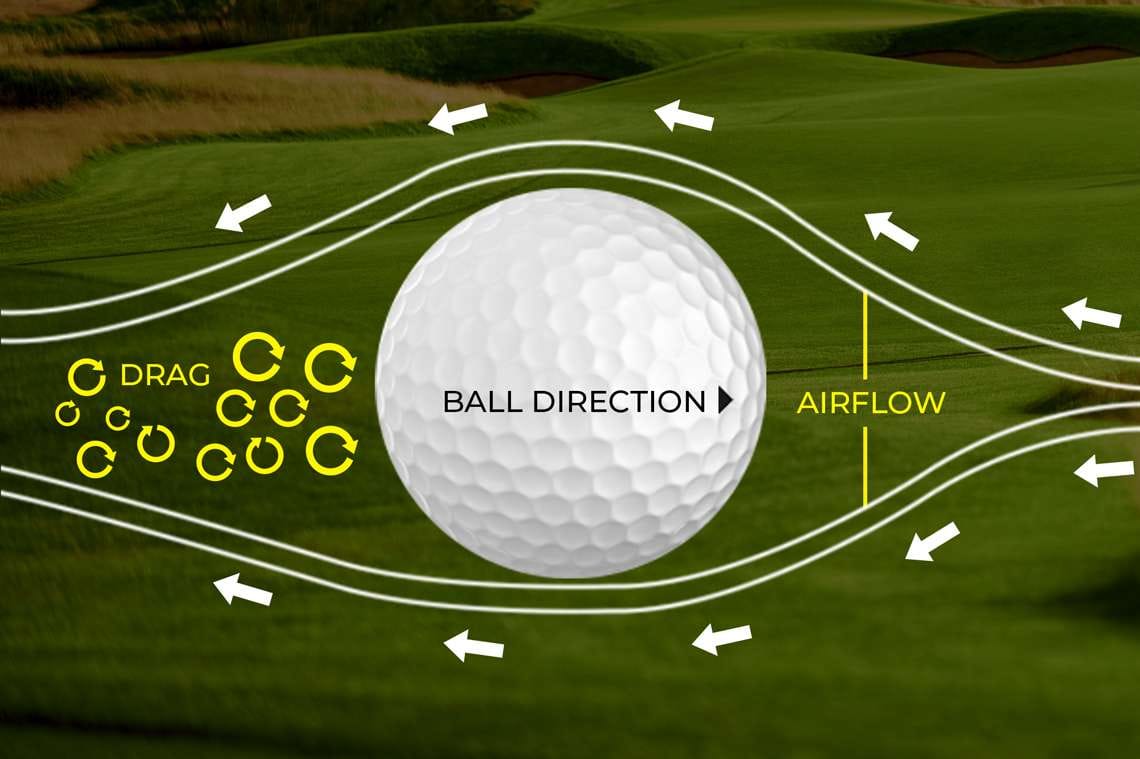
A smooth ball drags more air. Dimples create a thin turbulent layer of air near the ball. This turbulent layer clings to the ball longer. When air clings, the wake behind the ball shrinks. A smaller wake means less pressure drag. Less drag lets the ball fly farther and more predictably.
Key physics terms to know
- Boundary layer: the thin air layer that touches the ball surface.
- Laminar flow: smooth air flow that peels off early.
- Turbulent flow: mixed, chaotic air that stays attached longer.
- Wake: low-pressure area behind the ball that pulls it back.
How these ideas map to distance and control
- Dimples force the boundary layer to become turbulent.
- Turbulent boundary layers delay flow separation.
- Delayed separation reduces the wake and drag.
- With less drag the ball keeps speed and goes farther.
Why dimples matter: laminar versus turbulent flow
Imagine a smooth marble and a dimpled table tennis ball thrown through the air. The marble creates a big slow wake. The dimpled ball punches through air better. That difference is the core answer to how do golf ball dimples work.
Practical effects
- Increased distance. A dimpled ball flies much farther than a smooth one at the same speed.
- Stable flight. Dimples reduce wobble caused by uneven air separation.
- Spin sensitivity. Dimples interact with spin to create lift or curve.
Short scientific note
- Smooth spheres separate flow earlier. That causes large pressure drag.
- Dimples promote turbulence close to the surface. That delays separation.
- The end result is reduced drag and improved aerodynamic efficiency.
Dimple design: count, depth, shape, and pattern
Manufacturers tune dimples to reach specific goals. Here are the main design levers they use.
What designers change
- Dimple count: ranges from about 300 to 500 commonly. More dimples can smooth airflow across the surface.
- Dimple depth: shallow or deep dimples alter how easily the boundary layer becomes turbulent.
- Dimple shape: spherical, hexagonal, or blended shapes change wake behavior.
- Pattern symmetry: even distribution prevents unwanted lopsided flight.
Design trade-offs
- Higher spin players may prefer deeper or larger dimples for more control.
- Players seeking max distance often use shallower, denser dimple patterns.
- Temperature and wind change optimal dimple choices; designers try to balance for average play.
Real-world note from testing
- On the range I saw two balls of identical compression but different dimple patterns. One rolled out and carried farther. The other held better on approach shots. The difference came down to dimple design and how it interacted with spin.
How dimples interact with spin and the Magnus effect
Spin changes the lift and curve of a golf ball. Dimples magnify these effects.
How spin works
- Backspin creates lift. The ball gets more carry.
- Sidespin creates curve. The ball slices or hooks.
Role of dimples
- Dimples increase the air forces caused by spin. They make the Magnus effect stronger and more consistent.
- On a driver swing, backspin plus dimples produces a steady lift. That adds distance.
- On short shots, spin and dimples help the ball stop quickly on the green.
Practical tip
- If you want more stopping power on greens, choose balls with dimple patterns and compression that favor spin on short shots.
Real-world effects: distance, accuracy, and feel
What golfers notice from dimples
- More carry and roll: you’ll often see a dimpled ball fly farther than a smooth prototype from the same clubhead speed.
- Better predictability: dimples reduce odd bounces and unexpected dips.
- Shot shaping: dimples react with spin to help experienced players shape shots.
Examples
- Driver shots: dimples reduce drag and generally help the ball carry farther.
- Iron shots: dimples interact with spin to control landing and rollout.
- Windy days: dimple patterns that resist side forces help keep the ball on line.
Personal lesson
- Early in my game I switched to a ball with a different dimple pattern. My tee distance improved, but my greenside spin felt different. The change taught me to match ball choice to the shots I care about most.
Testing, standards, and manufacturing notes
How manufacturers test dimple effects
- Wind tunnel tests measure drag and lift across speed ranges.
- High-speed cameras and launch monitors record spin and carry.
- Computer simulations model airflow and wake shapes.
Quality standards
- Balls must meet governing-body rules for size, weight, and initial velocity.
- Makers tweak dimples while staying inside those limits.
Manufacturing tips
- Mold precision matters. Tiny differences in depth cause real flight differences.
- Surface finish and cover material still play roles alongside dimples.
Practical tips for players: pick and use the right ball
Choosing a ball
- If you want max distance, try balls marketed for distance; they tend to have shallower or denser dimples.
- If you want more greenside control, try balls with higher spin designs and deeper dimples.
- Try different balls on the range with your own launch monitor or a trusted fitter.
How to test on your own
- Use a launch monitor if possible.
- Test driver carry and short-game spin on the same day and wind conditions.
- Note how the ball reacts in wind. Side stability matters.
On-course strategy
- Use higher-spin balls when accuracy and stopping power matter.
- Use low-spin, distance balls when you want longer carries and more roll on wide fairways.
Frequently Asked Questions of how do golf ball dimples work
How many dimples are on a golf ball?
Most golf balls have between 300 and 500 dimples, depending on design. The exact number varies by model to shape airflow and control spin.
Do deeper dimples make a ball go farther?
Deeper dimples can change how easily the airflow becomes turbulent, which affects drag. Whether they add distance depends on speed, spin, and dimple pattern.
Would a smooth golf ball fly better in calm air?
No. A smooth ball typically creates a larger wake and more drag, so it usually flies less far and less predictably than a dimpled ball.
How do dimples affect spin for short shots?
Dimples amplify the air forces created by spin, so they help the ball hold approach shots and stop quicker on the green. The cover and core also play key roles.
Can different dimple patterns cause hooks or slices?
Dimple patterns are symmetric to avoid unintended curves, but combined with spin and launch conditions, they influence how strong a hook or slice can be.
Conclusion
Dimples are the simple secret behind modern golf ball performance. They turn smooth airflow into controlled turbulence, cut drag, and help the ball fly farther and truer. Knowing how do golf ball dimples work lets you make smarter choices on the course and during practice. Try different balls, watch driver carry and short-game stopping power, and match your choice to the shots you value most. If you found this helpful, test a few balls on the range, leave a comment with your results, or subscribe for more clear gear and science tips.