How To Swing A Golf Ball: Step-By-Step Swing Tips
Swing the ball by setting a stable stance, rotating hips, and striking with a steady tempo.
I’ve taught and played golf for years, and I know how to swing a golf ball starts with simple, repeatable habits. This guide breaks down the mechanics, the common mistakes, drills you can use, and gear and setup tips. Read on for clear steps, practical examples, and honest advice from someone who’s practiced these moves on the range and course.
Fundamentals of a good swing
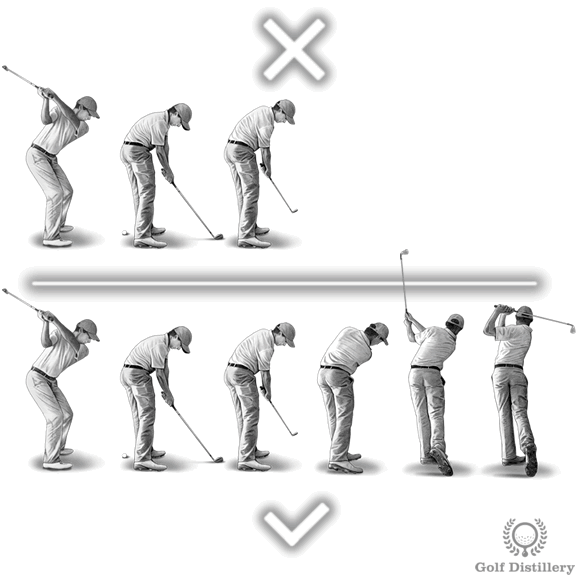
A good swing begins with three core ideas: balance, connection, and tempo. Balance means your feet and weight hold steady. Connection means your arms, hands, and body move as one. Tempo means your motion is smooth, not rushed.
Key elements to focus on:
- Grip: Hold the club so it feels secure and relaxed. Pressure should be firm but not tight.
- Stance: Feet shoulder-width for most irons. Slightly wider for a driver. Knees soft. Weight centered.
- Posture: Bend from the hips. Keep your spine straight. Eyes on the ball.
- Alignment: Aim your feet, hips, and shoulders parallel to the target line.
- Ball position: Move the ball forward in your stance for longer clubs and more centered for shorter clubs.
Why these matter: When these fundamentals are right, the body can rotate correctly. Rotation builds power and helps deliver the clubface square to the ball. That’s the core of how to swing a golf ball well.

Step-by-step guide to swing a golf ball
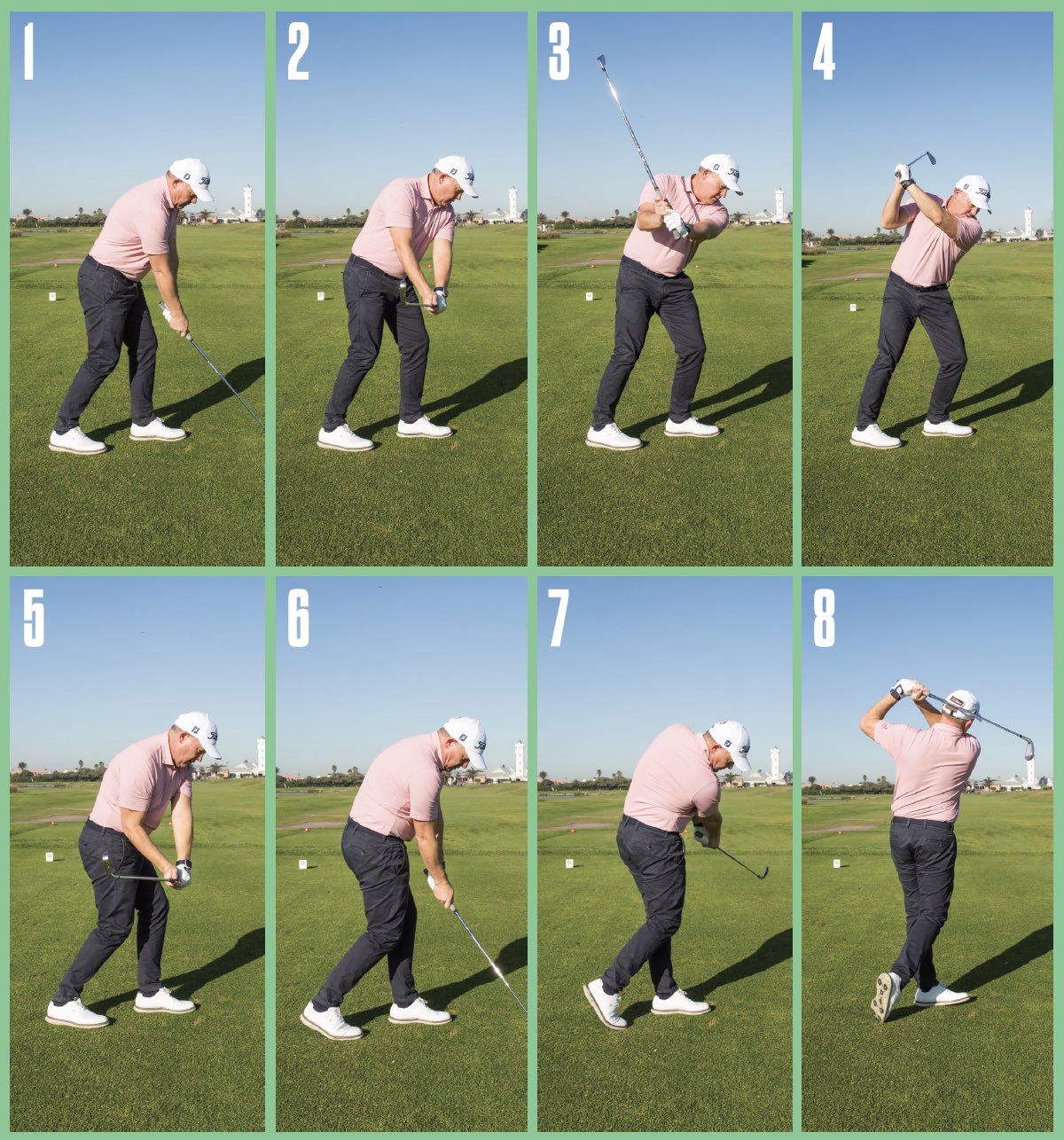
Follow these steps slowly at first. Build the motion into a smooth routine. Practice one step until it feels natural before adding the next.
- Setup and address
- Stand with correct grip, stance, and posture.
- Check alignment. Pick a small intermediate target on the ground to aim at.
- Takeaway (first third of the swing)
- Move the club back low and slow.
- Keep the clubhead and your hands connected to your body.
- Turn your shoulders, not just your arms.
- Backswing (middle third)
- Rotate your torso until your lead shoulder is under your chin.
- Let your wrists hinge naturally.
- Keep your head steady and eyes on the ball.
- Transition and downswing (last third)
- Shift weight to your front foot.
- Start the downswing with your hips turning toward the target.
- Keep your wrists hinged until just before impact.
- Impact
- Aim to strike the ball first, then the turf for most shots.
- Hands should be slightly ahead of the clubhead at impact.
- The clubface should be square to the target line.
- Follow-through and finish
- Let the club swing up naturally.
- Finish balanced, facing the target.
- Hold your finish for a moment to check balance.
Pointers for learning how to swing a golf ball:
- Start with slow-motion reps. Speed follows skill.
- Record your swing. Visual feedback speeds learning.
- Work on one change at a time to avoid confusion.
Common swing faults and fixes
Fault: Slicing the ball
- Cause: Open clubface or outside-in swing path.
- Fix: Square the clubface at address. Practice an inside-to-out path with a tee drill.
Fault: Hooking the ball
- Cause: Closed clubface or overactive hands.
- Fix: Lighten grip pressure and limit wrist roll through impact.
Fault: Thin or fat strikes
– Cause: Poor low point control or early extension.
- Fix: Use a divot drill and shorten your backswing to feel the correct low point.
Fault: Loss of balance
- Cause: Poor weight shift or rushed tempo.
- Fix: Slow the swing and practice weight transfer drills. Hold your finish.
Examples of simple drills:
- Towel under arms drill to keep arms connected.
- Step-through drill to feel weight transfer.
- Impact bag drill to learn the correct hands-ahead impact position.
Drills to improve how to swing a golf ball
Drills help groove the feeling of a good swing. Do them often in short, focused sessions.
Towel-under-arms drill
- Place a towel under both armpits.
- Make half swings maintaining the towel.
- This builds connection and prevents arm separation.
Slow-motion full-swing drill
- Take a full swing at 50% speed.
- Pause at the top and at impact positions to check form.
- Speed up as the motion feels reliable.
Clubface alignment drill
- Place a tee or small stick on the target line ahead of the ball.
- Practice hitting shots with the clubface square through impact.
- This trains face control and path awareness.
Step-and-hit drill
- Start with feet together.
- Step toward the target as you start the downswing.
- This promotes weight transfer and hip rotation.
Practice schedule suggestion:
- Warm up with 10 minutes of short-game shots.
- Spend 15 minutes on one swing drill.
- Finish with 20 minutes of focused full swings.
- Short, frequent practice beats occasional long sessions.

Equipment, setup, and course factors
The right setup and gear make how to swing a golf ball easier. Small changes can bring big gains.
Clubs
- Use clubs that fit your height and swing speed.
- Loft and shaft flex affect launch and direction.
- Getting fitted can reduce compensations in your swing.
Ball choice
- Softer balls help feel and spin control; firmer balls can add distance.
- Match the ball to your swing speed and priorities.
Course and weather
- Wind changes shot choice and setup.
- Firm fairways require different club selection and ball position.
- Practice in varied conditions to adapt your swing.
Clubface maintenance
- Clean grooves for consistent spin.
- Replace grips when slick or worn to keep a secure hold.

Personal experience and lessons learned
I learned how to swing a golf ball by focusing on feel over mechanics. Early on, I chased fixes and lost consistency. When I returned to basics—grip, posture, tempo—my scores fell and my confidence rose.
Lessons I share with students:
- One change at a time works best.
- Video feedback beats guessing.
- A great practice routine includes short-game, drills, and full swings.
Common beginner mistake I made
- I tried to hit the ball harder to go farther. That broke my rhythm. Slowing down improved accuracy and distance.
What helped me most
- A simple pre-shot routine and a tempo count. I swing with a 1-2 tempo. It keeps my swing repeatable.

Frequently Asked Questions of how to swing a golf ball
What is the easiest way to start learning how to swing a golf ball?
Begin with a stable setup, relaxed grip, and slow-motion swings. Practice the takeaway and follow-through before adding speed.
How important is tempo when learning how to swing a golf ball?
Tempo is very important. A steady tempo produces consistent contact and ball flight. Fast tempo often leads to errors.
How long does it take to improve your golf swing?
Improvement can be felt in weeks with focused practice. Lasting change typically takes months of regular practice and feedback.
Should I change my grip to fix my slice?
Often yes. A slightly stronger grip can help close the clubface at impact. Test small adjustments and see how ball flight changes.
Can beginners use the same drills as advanced players?
Yes. Basics like the towel drill and slow-motion swing help all levels. Advanced players may tweak drills for specific goals.
Do I need a coach to learn how to swing a golf ball?
A coach speeds up progress by spotting issues you might miss. Self-practice works too if you record and review your swing.
Conclusion
Mastering how to swing a golf ball comes down to steady basics, a clear practice plan, and patient repetition. Focus on grip, posture, balance, and tempo. Use drills to build feel, and get feedback with video or a coach. Start slow, work one change at a time, and track small wins. Try the drills in this guide for two weeks and notice the difference in contact and confidence. Share your progress, ask questions, or subscribe for more practical golf tips.