How Do Golf Ball Markers Work: Simple Guide & Tips
Golf ball markers mark a ball’s exact spot on the green so you can lift, clean, align, and replace it.
I’ve spent years on courses, testing markers, reading rules, and helping friends with their putting routines. In this article I explain how do golf ball markers work, why they matter, and how to use them like a confident player. You’ll get practical tips, real-world examples, simple rules, and ways to choose or make the right marker for your game.

How do golf ball markers work?
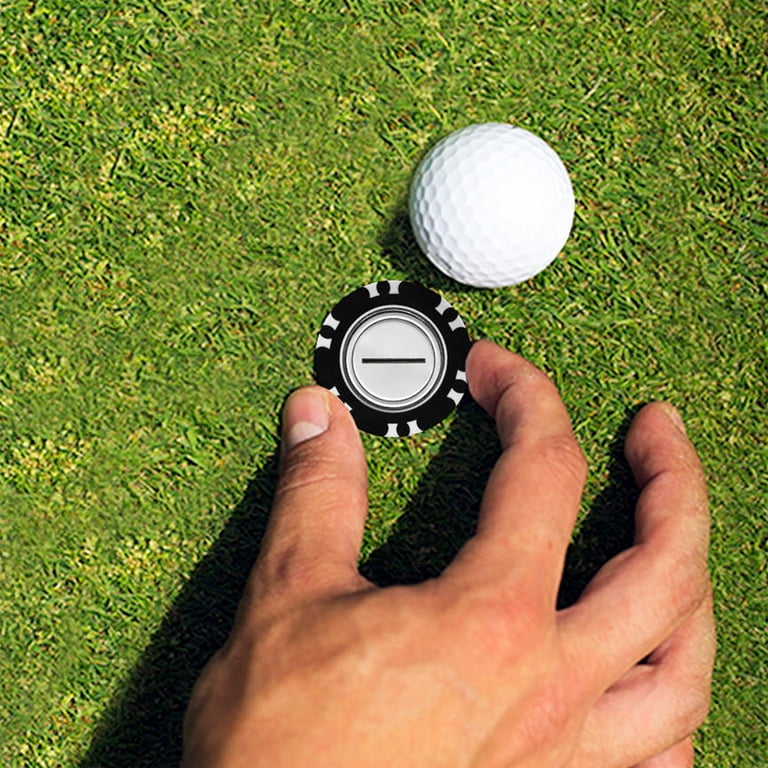
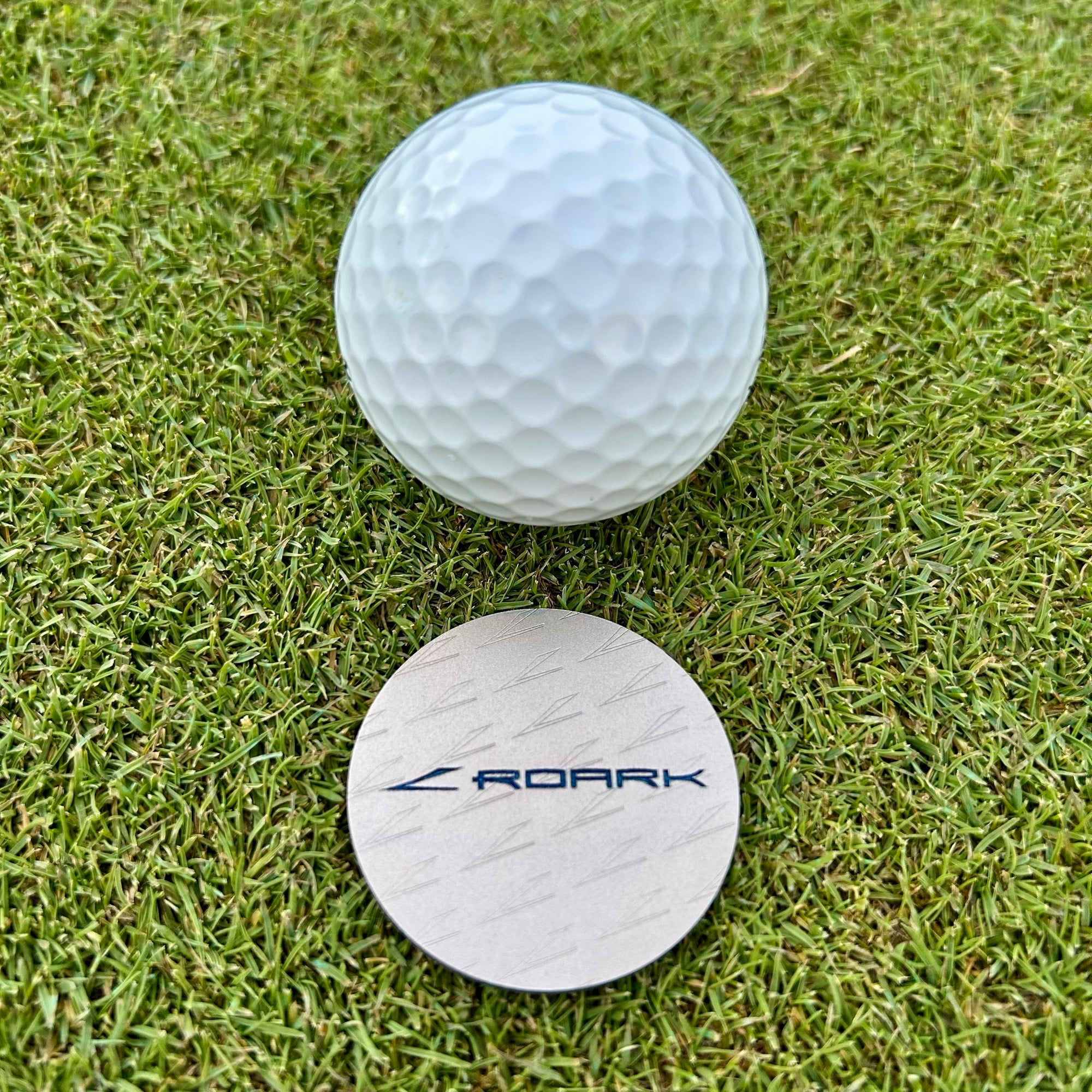
A golf ball marker is a small, flat object used to mark the exact location of a golf ball on the putting green. When a ball is on the green and needs cleaning or picking up, you place the marker directly behind the ball, lift the ball, then replace it on the same spot after play. This preserves position and lets other players putt without interference.
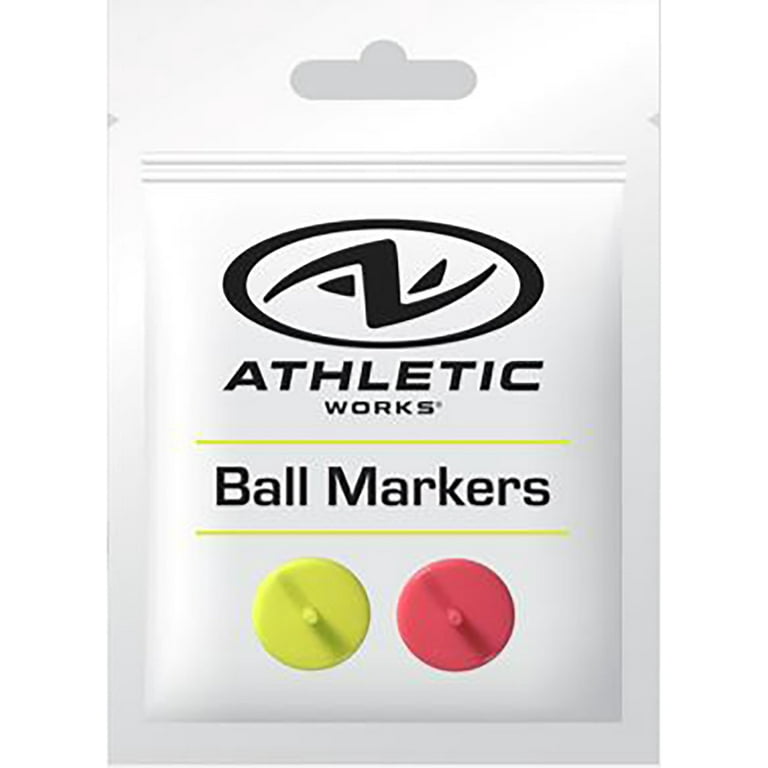
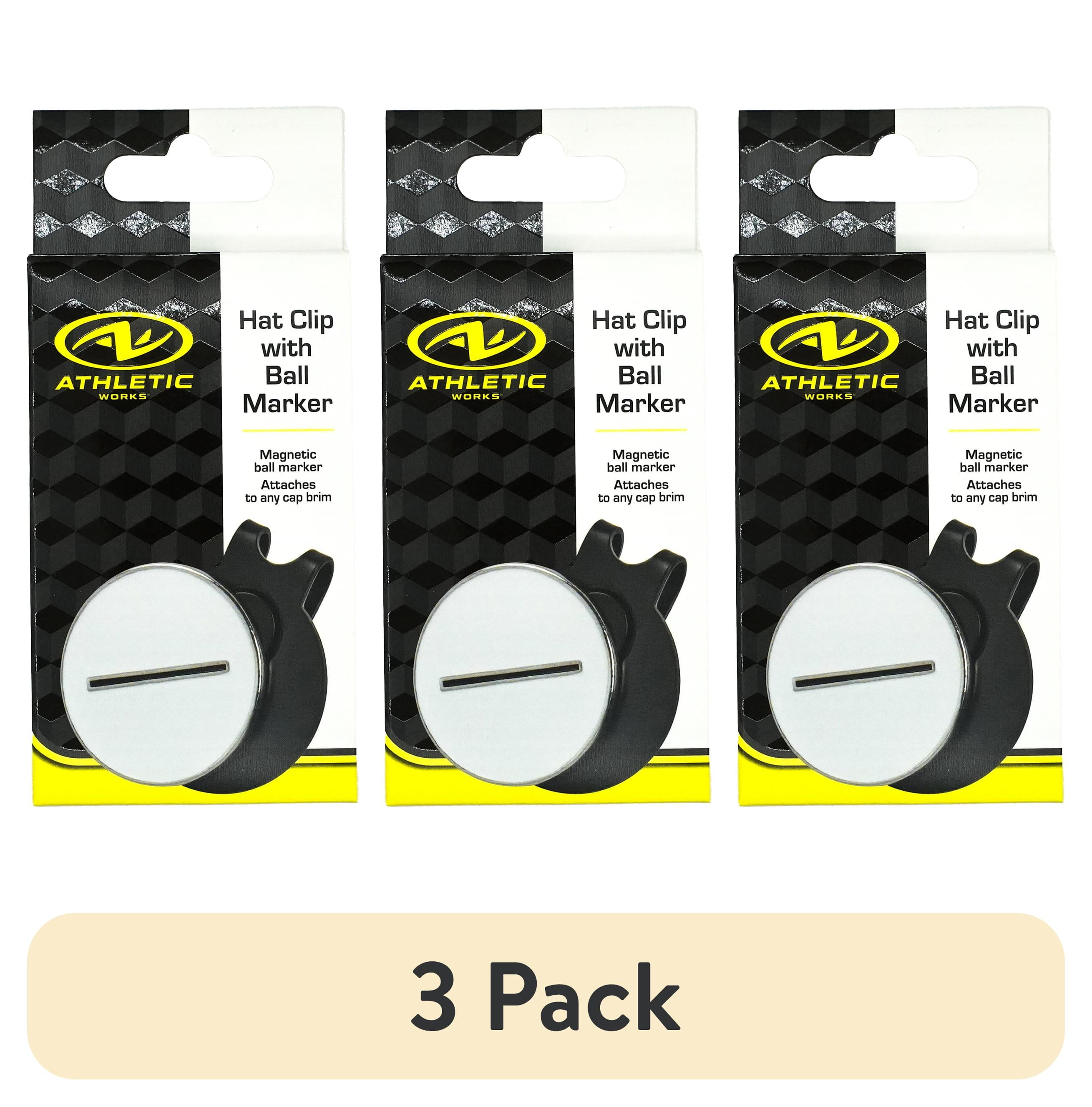
Markers come in many forms. Coins, plastic disks, manufacturer-branded tokens, and magnetic markers clipped to hats are common. Some markers include alignment lines or arrows to help you aim. Others use magnetic clips that attach to hat brims or visors for easy access.
How do golf ball markers work mechanically? It’s simple:
- You place the marker behind the ball with a fingertip or the flat edge.
- You lift the ball and keep the marker in place.
- You perform maintenance or alignment.
- You return the ball to the marker’s location and remove the marker.
Using a marker correctly prevents questions about ball placement and keeps play fair. The process is straightforward, but small mistakes in placement can change a putt by inches. Mastering this small habit can shave strokes over time.

Types of golf ball markers and how they work
Different markers serve different needs. Here are common types and how do golf ball markers work in each case.
- Coin-style markers
- Flat metal or plastic disks that sit on the green.
- Very simple: place, lift, replace.
- Magnetic clip markers
- A magnet holds a marker to a hat clip or belt clip.
- You unclip the marker, place it, and the clip holds it when not in use.
- Alignment markers and tools
- These include drawn lines, arrows, or two-piece markers that help you set aim.
- They work by giving a visual guide that you align with your stroke.
- Custom and novelty markers
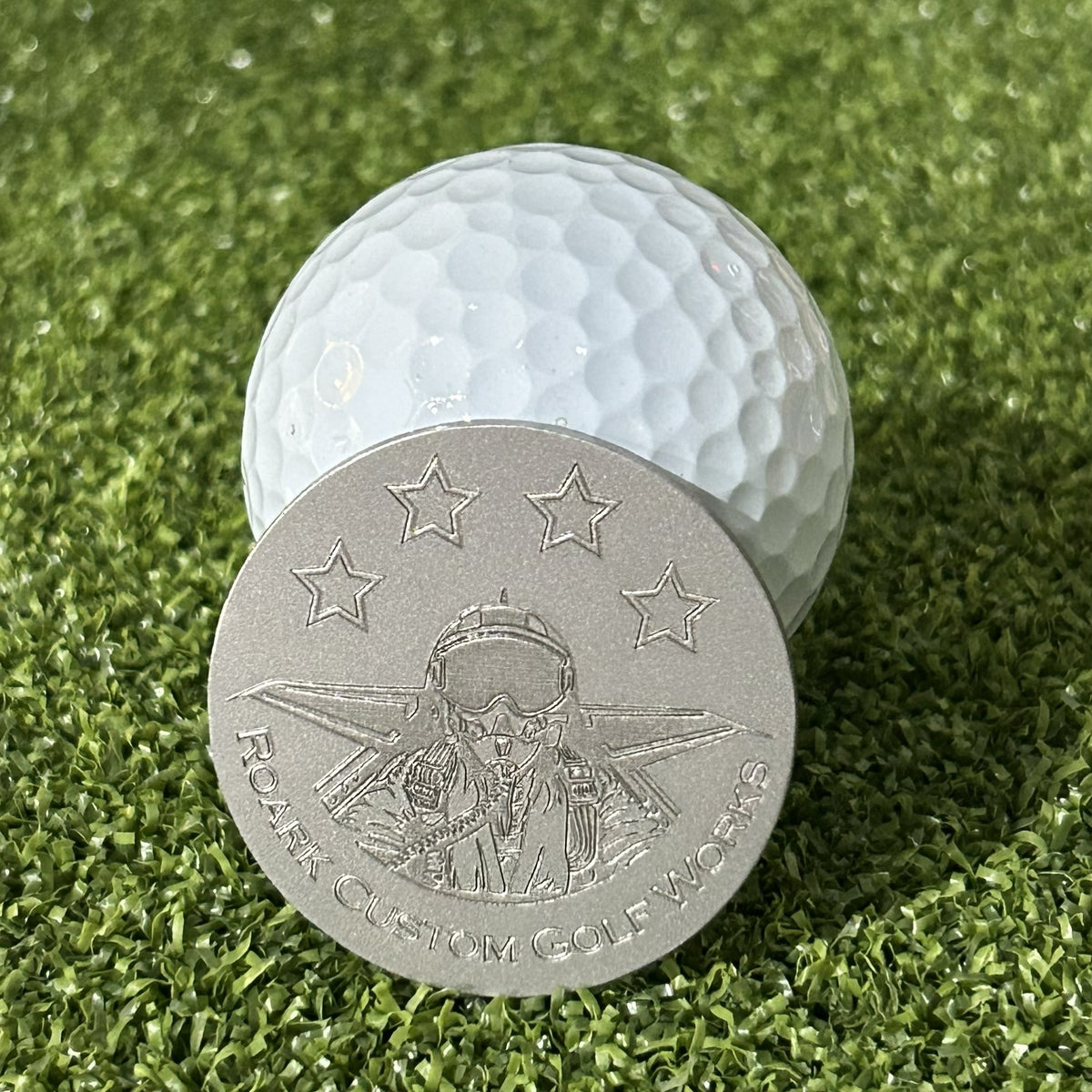
- Personalized tokens, logos, or small figurines used for identity.
- They work like coins but add recognition value so you don’t mix markers.
Each type follows the same principle of marking the spot. The main difference is how you store or orient the marker before and after use. Knowing which type suits your routine improves speed and accuracy.
Rules and etiquette: how do golf ball markers work under the rules
Rules govern when and how to mark a ball on the green. Basic rules most players follow include:
- You may mark your ball when it interferes with play or when you need to clean it.
- You must place the marker right behind the ball, not in front.
- When replacing the ball, you must put it back on the marked spot, not nearer the hole.
Etiquette points:
- Use the smallest marker possible to speed play.
- Avoid blocking other players’ lines with your marker.
- Replace the marker and ball quickly to keep pace of play.
Understanding these rules shows how do golf ball markers work not only as a physical tool but as part of fair play and pace. I learned early to always announce I’m marking my ball to avoid confusion. That small habit keeps rounds friendly.
Practical steps and tips for using markers effectively
Follow these steps to use a marker reliably:
- Stand behind the ball and place the marker directly behind it.
- Lift the ball carefully and set it beside you.
- Clean or align the ball as needed.
- Replace the ball directly in front of the marker, facing the same orientation.
- Pick up your marker and continue play.
Tips from experience:
- Keep a marker on your hat clip so you never fumble in your pockets. I use a small magnetic clip and it saves time.
- Use alignment markers when practicing to build consistent aim.
- If you need to measure, replace the ball within one club length, as allowed, but not closer to the hole.
- Use a contrasting color marker so you can find it quickly on the green.
These simple habits answer the practical “how do golf ball markers work” question and make your routine smoother on the course.
How to choose, customize, or make your own marker
Choosing the right marker depends on your needs. Consider size, weight, visibility, and personalization.
- Size
- Smaller markers are less intrusive. Larger markers are easier to see.
- Material
- Metal lasts longer and feels solid. Plastic is light and inexpensive.
- Visibility
- Bright colors or reflective domes help find the marker on long greens.
How to customize or make a marker:
- Start with a small metal or plastic disk.
- Add a printed sticker or small decal with a design.
- Seal with a clear epoxy dome for longevity.
- For a clip-on, use a small rare-earth magnet inside a hat clip and attach a flat metal marker.
Customization also helps identity. I once used a bright orange custom marker so partners could tell me apart in friendly matches. It reduced marker mix-ups and made setup faster.
Common mistakes and how do golf ball markers work to avoid them
Simple mistakes can turn a harmless marker use into a rules or etiquette problem. Common errors include:
- Placing the marker in front of the ball which risks moving it on replacement.
- Forgetting to replace the ball on the exact spot, which can change line and distance.
- Using oversized or flashy markers that block other players’ sightlines.
- Failing to announce you’re marking the ball in group play.
How to avoid mistakes:
- Practice placing and replacing the ball slowly during practice rounds.
- Use a small, consistent marker and always keep it in the same place on your gear.
- Communicate with playing partners before lifting the ball.
These habits show how do golf ball markers work when used properly. They keep the game fair and reduce disputes.
Quick PAA-style questions (short answers)
Q: Can I use any object as a golf ball marker?
A: Yes, any small object can mark your ball, as long as it is not an artificial object that improves your play. Choose something small and legal under local rules.
Q: Do magnetic markers affect ball roll?
A: No, markers do not affect roll while the ball is on the green. When replaced properly, the ball sits on the turf the same as before.
Q: How do alignment markers work with putting?
A: Alignment markers give a fixed reference line to aim along. Set the marker so its line aligns with your target and practice making strokes along that line.

Frequently Asked Questions of how do golf ball markers work
What is the main purpose of a golf ball marker?
A golf ball marker shows the exact spot where a ball lay on the green so it can be lifted and replaced accurately. It lets players clean the ball or move it out of the way without changing the position.
Can I mark a ball anywhere on the course?
You generally mark a ball on the putting green and, in some formats, on areas closely mown like the collar. Off the green you usually play the ball as it lies unless local rules allow otherwise.
Are magnetic hat clips legal in competition?
Magnetic hat clips and markers are legal as long as they do not give you an advantage that is not allowed by the competition rules. Many players use them for quick access and they are widely accepted.
What happens if you replace a ball incorrectly after using a marker?
If a ball is not replaced on the exact spot, you or your marker could be subject to penalty under the competition rules. In casual play, it can still cause disputes, so always replace carefully.
How do I avoid mixing up markers with other players?
Use unique markers with distinct colors, initials, or designs. Keeping the marker attached to your hat or glove also reduces the chance of confusion.
Conclusion
Markers are a small tool with a big impact. They preserve position, speed play, and improve alignment. Learning how do golf ball markers work and adopting consistent habits will make your rounds smoother and more confident. Try a simple marker routine today: pick a small, visible marker, practice placing and replacing it, and use an alignment mark during practice. Share your favorite marker tip or subscribe to learn more about course craft and better putting.