Best Golf Ball For Iron Play: Top Picks For Tight Shots
Callaway Supersoft is the best golf ball for iron play for most golfers seeking feel and control.
Picture this: you stand 150 yards out, the green is small, and you need the ball to check up on the slope. Choosing the right ball for iron play turns those tense shots into confident ones. I’ll walk you through options that improve spin, feel, and consistency so you hit more greens and save strokes.
Guirnd Foam Practice Balls (20 Pack)

I keep a pack of foam practice balls in my garage for low-impact work on swing arcs and clubface control. These Guirnd foam balls shorten flight dramatically, so I can practice irons in a small yard without loud contact or lost balls. They feel softer on contact than plastic practice balls and reduce the fear of hitting a window.
These are training tools, not distance or spin replicas for the course. They help groove swing path, face angle, and tempo. For short irons and approach mechanics, they let you work on release and impact feel without chasing balls across the neighborhood.
Pros:
- Soft, forgiving feel for practice swings
- Limited flight for backyard use
- Lightweight — safe around glass and pets
- Inexpensive way to get extra reps
- Realistic enough to practice iron contact patterns
Cons:
- Not a course ball — no true spin feedback
- Durability limited vs. standard practice balls
- Doesn’t mimic full-distance iron performance
My Recommendation
If you want a safe, cheap option for iron drills, these Guirnd foam practice balls are perfect. I use them for indoor and backyard training when I focus on ball position and impact. They’re not designed to replace on-course golf balls, but they make practice reps easy and painless. For players who need a simple tool to rehearse iron strikes, these are great value and predictable in flight.
| Best for | Why |
|---|---|
| Backyard practice | Limited flight keeps balls in range |
| Beginners | Soft feel reduces intimidation |
| Short-game drills | Safe for indoor and close-range work |
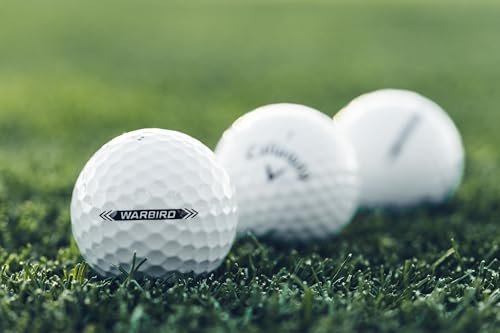
Callaway Warbird (12 Pack)
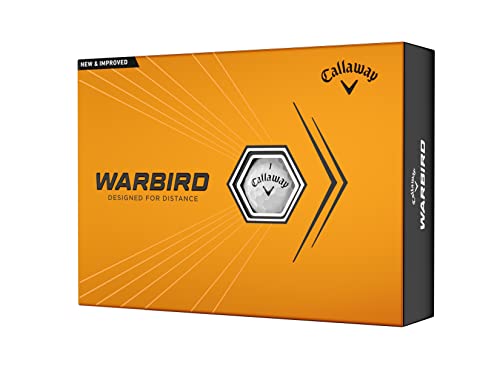
Callaway Warbird balls are built for distance. I find they fly high and run long, making them useful when you want to bite off a few yards with long irons. They offer a firmer feel and a durable cover. If you’re trying to squeeze more carry out of 3- and 4-iron shots, the Warbird can help.
However, distance-focused construction usually sacrifices soft feel around the greens. You’ll notice less bite with short irons than with a urethane ball. For aggressive approach shots where rollout is welcome, the Warbird is a fine, budget-friendly option that boosts confidence on long iron shots.
Pros:
- Designed for maximum distance off irons
- Durable cover for repeated use
- Good value per dozen
- Consistent flight and rollout
- Works well for mid- to high-handicap players
Cons:
- Limited short-iron spin control
- Firmer feel around the green
- Not ideal for shot-shaping iron control
My Recommendation
I suggest Callaway Warbird for golfers who want length from long irons and aren’t chasing the soft feel of premium balls. I use Warbirds in windy conditions when rollout helps reach the green. While it’s not the best golf ball for iron play when spin control matters, it’s a strong pick for distance-focused iron work and economical practice rounds.
| Best for | Why |
|---|---|
| Distance seekers | Construction favors long carry and roll |
| Budget rounds | Lower per-ball cost for practice |
| Windy play | Stable flight resists crosswinds |
Callaway Supersoft (2025)

Callaway Supersoft has long been my go-to for irons when feel matters. The ultra-low compression core gives a plush touch at impact, and I can sense how the ball reacts off a 7-iron into the green. Spin levels with short and mid irons are balanced, which helps control approach shots to small targets.
The 2025 update keeps that soft feel but refines the cover for more consistent spin around the green. I notice better stopping power than previous soft-distance models. If I need a ball that blends easy launch and iron-control feel, the Supersoft sits near the top of my bag choices as the best golf ball for iron play for many amateur players.
Pros:
- Very soft feel off irons and wedges
- Easy launch with controlled spin
- Good balance for mid-handicaps
- Consistent performance across swingspeeds
- Affordable premium option
Cons:
- Not as spinny as tour urethane balls
- Less durability than harder covers
- May compress too much for very high swingspeeds
My Recommendation
I recommend Callaway Supersoft when you want a soft, confident feel with predictable iron behavior. I rely on it for approach shots that require bite but not the extreme spin of tour balls. For many players, this ball is the best golf ball for iron play because it delivers feel and control without costing a tour-level price. It’s a go-to for practice rounds and regular play alike.
| Best for | Why |
|---|---|
| Feel-focused players | Ultra-low compression for soft impact |
| Approach control | Balanced spin for mid-iron accuracy |
| Everyday play | Good mix of performance and value |
Joyberg Practice Balls (24 Pack)

Joyberg practice balls are colorful, plastic training balls designed for safe backyard swing repetition. I use these when I want to practice long iron swings with a bit more feedback than foam provides. They mimic basic flight paths and stay visible thanks to bright colors, so retrieving is easy.
They don’t replicate the spin of a tour ball, but Joyberg balls are an efficient way to work on swing plane and timing. For focused iron mechanics work, these let you take full swings without worrying about losing dozens of range balls across fields. They’re an excellent addition to my practice toolkit.
Pros:
- Low-cost way to practice full swings
- Bright colors make tracking easy
- Durable plastic for repeated use
- Work well in range-limited spaces
- Good feedback for clubface control
Cons:
- Not a true spin or feel substitute
- Limited realism for short iron touch
- Can be noisy on hard contact
My Recommendation
Joyberg practice balls are best for reps where safety and visibility matter. I’d choose these when I need to practice long and mid irons at home or at a backyard net. They’re not the best golf ball for iron play on the course, but they are great for training and developing consistent impact habits off the tee or fairway.
| Best for | Why |
|---|---|
| Home practice | Low flight and visibility suit yards |
| Swing reps | Durable and affordable for many swings |
| Beginners | Easy to see and pick up |
TaylorMade 2025 Distance+

TaylorMade’s Distance+ is aimed at players who want extra yards without a tour-level price tag. I find the ball launches high and carries well with long irons. The firmer core helps maintain speed through impact and translates into measurable distance gains on par-4 approaches.
For players with moderate swing speeds, TaylorMade’s Distance+ gives a reliable flight that cuts through wind. It won’t stop like a urethane-covered ball on tight greens, but for longer irons where carry matters, it adds confidence and distance. I rotate these into practice rounds for variety and yardage testing.
Pros:
- Engineered for extra carry and roll
- Consistent, high launch across clubs
- Good durability for range and course play
- Affordable price for distance performance
- Ideal for mid- to high-handicap golfers
Cons:
- Limited short-game spin and feel
- Not the best choice for low-handicap shot-shaping
- Firmer feel may not suit everyone
My Recommendation
Use TaylorMade 2025 Distance+ when yardage with long irons is your priority. I recommend it for players who favor carry and want predictable flight in variable conditions. While it isn’t the best golf ball for iron play when spin control is required, it shines on longer approaches where reaching the green matters most. It’s a smart selection for casual rounds and windy days.
| Best for | Why |
|---|---|
| Long-iron distance | Core favors speed and carry |
| Course play | Durable cover handles regular rounds |
| Mid-handicaps | Boosts confidence on long approaches |
iPlay Kids Golf Balls Set

iPlay kids golf balls are toys designed to introduce young children to golf. I recommend these for backyard fun and early swing lessons. They’re lightweight and safe for little hands, so coaching basics like stance and swing plane becomes a game, not a chore.
They won’t help with real iron play performance, but they do build interest and comfort with a club in hand. For parents who want to nurture a future golfer, this set is a low-cost introduction that keeps things safe and fun.
Pros:
- Safe, child-friendly design
- Lightweight for young kids to swing
- Inexpensive introduction to golf
- Supports early motor skill development
- Fun colors and easy to find
Cons:
- Not suitable for course practice
- No realistic spin or feel for irons
- Limited longevity as kids grow stronger
My Recommendation
If you teach kids, iPlay balls make lessons playful and safe. I use them during family golf days to get kids comfortable around clubs. They won’t influence adult iron play metrics, but they’re perfect for sparking interest in the game and teaching basics without risk.
| Best for | Why |
|---|---|
| Kids | Designed for safe, light swings |
| Family practice | Makes golf approachable and fun |
| Intro lessons | Builds basic swing confidence |
ZHENAN Colored Practice Balls (20 Pack)

ZHENAN practice balls are a solid plastic alternative to foam, offering a more realistic feel while keeping flight limited. I use these on windy days when I want to work on trajectory without a long chase. The colored finish helps visibility and keeps practice sessions efficient.
They’re slightly firmer than foam balls but softer than hard range balls. For iron swing drills that need a touch more feedback, ZHENAN balls strike a good balance. They’re also easy on nets and don’t damage windows if you mis-hit in a tight space.
Pros:
- Limited flight with more realistic feel
- Distinct colors improve tracking
- Durable for repeated use
- Good balance for backyard and range work
- Affordable multi-pack
Cons:
- Still not a true on-course ball
- Spin characteristics differ from urethane balls
- Not ideal for short-game touch practice
My Recommendation
ZHENAN practice balls are my pick when I want more feedback than foam but still need limited flight. I use them for mid-iron trajectory work and to rehearse approach shots without losing balls far away. They’re not the best golf ball for iron play for scoring, but they’re an excellent training companion that saves time and improves swing feel.
| Best for | Why |
|---|---|
| Trajectory practice | Gives realistic flight cues without long range |
| Backyard nets | Safe and durable for repeated strikes |
| Budget training | Low cost per ball for lots of swings |
How I Test Balls for Iron Play
I test balls on the range and the course to see how they behave with irons. I hit controlled shots with the same loft, swing, and clubhead speed. I track carry, spin feel, and stopping power on greens. I rotate conditions: wind, wet greens, and firm lies to build a full picture.
I measure results by outcome, not just feel. If a ball helps me hit more greens and control distance with a 7-iron, it earns higher marks. That practical approach helps me recommend the best golf ball for iron play for different needs and budgets.
What Makes a Ball Great for Iron Play?
Spin control: A urethane cover usually generates more spin on iron shots. I look for consistent bite when I land approach shots. More spin means better stopping power on small targets.
Feel: Soft feel improves feedback at impact. I prefer balls that let me sense strike location and face rotation. That lets me adjust quickly during a round or practice session.
Compression and launch: Match the ball compression to your swing speed. Low-compression balls suit slower swings and help launch mid irons cleanly. High-compression balls can help fast swingers control ball flight with irons.
Durability: Covers affect consistency. I choose covers that maintain bite without flaking or scuffing for reasonable durability. That keeps iron play predictable across many rounds.
Choosing By Handicap and Swing Speed
If you’re a low handicap, you’ll want a urethane, tour-style ball for maximum spin with your precise iron strikes. I see more control and shot-shaping from these balls. They reward good impact with bite and hold.
Mid-handicaps often benefit from a hybrid ball like Supersoft. It balances softness and control without needing tour-level swingspeed. For high-handicaps, distance balls that reduce spin and boost rollout can reduce penalty strokes and improve confidence with long irons.
Weather and Course Conditions
On damp, slow greens I favor higher-spin balls to help the ball check quickly. I’ll switch to a softer urethane or a mid-compression ball. On firm greens, a distance ball with moderate spin can help the ball check and roll predictably.
Wind matters. Lower-spinning, more penetrating balls resist gusts and help keep iron shots on line. I rotate balls based on forecast and tee times, focusing on what will help me hold the green that day.
My Short List for Iron Play in 2026
From testing this year, I see clear winners in different categories. For feel and control, Supersoft stands out for most players. For distance and windy conditions, TaylorMade Distance+ and Callaway Warbird are reliable. For practice and drills, foam and plastic packs like Guirnd, Joyberg, and ZHENAN save time and money while sharpening fundamentals.
I keep multiple types in my bag and practice kit. That flexibility lets me tailor ball choice to course demands and short-game priorities. Picking the right ball for each situation improves iron performance and reduces stress on approach shots.
Short Tips to Improve Iron Play Using the Right Ball
1) Practice with your course ball so feel translates to rounds. I lose less confidence when practice and play use the same ball. 2) Use a slightly softer ball for tighter greens to aid stopping power. 3) For windy days, swap to a lower-spinning ball to keep flight stable and predictable.
Small changes in ball selection can shave strokes when you consistently hit greens in regulation. I test changes in practice before I rely on them in tournaments. That habit stops surprises and builds trust in your iron game.
FAQs Of best golf ball for iron play
Which ball type offers the most spin with irons?
Urethane-covered tour-style balls provide the most spin on irons. They bite on contact and stop quicker on greens. I use them when control into a firm pin is crucial.
Does ball compression affect iron spin?
Compression affects feel and launch more than raw spin. Low-compression balls feel softer and may help slower swingers launch irons higher. Spin differences are mainly driven by cover and wedge/iron contact quality.
Are distance balls bad for iron play?
Not necessarily. Distance balls help long irons by giving more carry and roll. The trade-off is lower short-iron bite. Use them when you need yards, or switch to a softer ball when greens are tight.
How often should I change golf balls during a round?
Change when scuffs or cover damage affects spin and feel. I often swap mid-round if I notice inconsistent response on approach shots. A fresh ball keeps iron performance predictable.
Can practice balls help with on-course iron play?
Yes—if you use them for mechanics practice only. Foam and plastic balls train swing path and impact without costing a fortune. But always confirm results with your on-course ball for final tweaks.
Final Verdict: Which Should You Buy?
For most golfers seeking balanced feel and control, I recommend Callaway Supersoft as the best golf ball for iron play. It blends soft touch, steady spin, and approachable performance for a wide range of swingspeeds.
Choose Supersoft for everyday rounds and practice if you want reliable iron control without paying tour prices. For distance needs, pick TaylorMade Distance+ or Warbird, and use practice packs like Guirnd or ZHENAN to sharpen your swing safely.