How To Chip A Golf Ball For Beginners: Easy Step Guide
Use a narrow stance, open clubface, and a short, controlled stroke to land chips close to the hole.
I've coached and played thousands of short-game shots, so I know how to chip a golf ball for beginners feels hard at first. This guide breaks the basics into simple steps, clear tips, and easy drills. You will learn setup, swing feel, shot choices, and common mistakes. Read on and you will chip with more confidence and fewer three-putts.

Why chipping matters for beginners
Chipping saves strokes. A good chip puts the ball close to the hole. That makes the next putt easier. Learning how to chip a golf ball for beginners improves scores fast. It also boosts confidence around the green.
Chipping is a mix of touch, setup, and smart choices. Beginners who focus on basics see quick gains. I’ve watched players cut three strokes by improving one part of their chip game.

Gear and ball position: what you need to start
Choose the right club and ball position for a simple chip.
- Use a pitching wedge, 9-iron, or sand wedge at first. The wedge you pick depends on how much roll you want.
- Place the ball slightly back of center for a low roll. For a higher chip, move it closer to center.
- Use a neutral or slightly open clubface to help the ball get under spin.
How to chip a golf ball for beginners starts with these gear choices. Keep gear simple and consistent. Don’t overthink fancy wedge lofts at the start.

Setup and stance: repeatable basics
A solid setup makes chipping easier.
- Stand with feet close together. Your stance should be narrow and steady.
- Put more weight on your front foot. Aim for about 60 percent on the lead leg.
- Open your stance slightly so your front foot is back from the target line.
- Grip the club lightly but firmly. A soft grip helps feel.
How to chip a golf ball for beginners relies on a simple, repeatable setup. I teach the same setup to new players. It builds trust and reduces swing errors.

The swing: simple motion for consistent chips
Keep the swing short and smooth.
- Use your shoulders to swing. Keep wrist action minimal.
- Make a small backswing. Mirror that length on the follow-through.
- Keep the club low through impact. Aim for a downward strike.
- Let the body rotate a little. Avoid flipping the hands.
How to chip a golf ball for beginners should feel like a putting motion with a short arc. Think of a pendulum. This helps you control distance and spin.

Shot types and when to use them
Know a few basic chip shots and when to play them.
- Bump-and-run — low flight, lots of roll. Use for tight lies and close greens.
- Standard chip — medium flight, moderate roll. Use when you need some carry and roll.
- Lofted chip — high flight, little roll. Use to clear a fringe or obstacle.
How to chip a golf ball for beginners means learning which shot fits the lie and green. Pick one type and practice it until you trust the feel.

Distance control: the key skill
Distance beats power for chips.
- Match backswing length to distance. Small swing for short chips; slightly larger swing for longer ones.
- Use tempo, not force. A smooth tempo gives consistent distance.
- Practice landing spots. Pick a target area on the green and aim for it.
How to chip a golf ball for beginners is mostly about pacing. Better control comes faster than more power. In my lessons, players improve quickest when they focus on tempo.
Common mistakes and fixes
Here are errors I see most often and how to fix them.
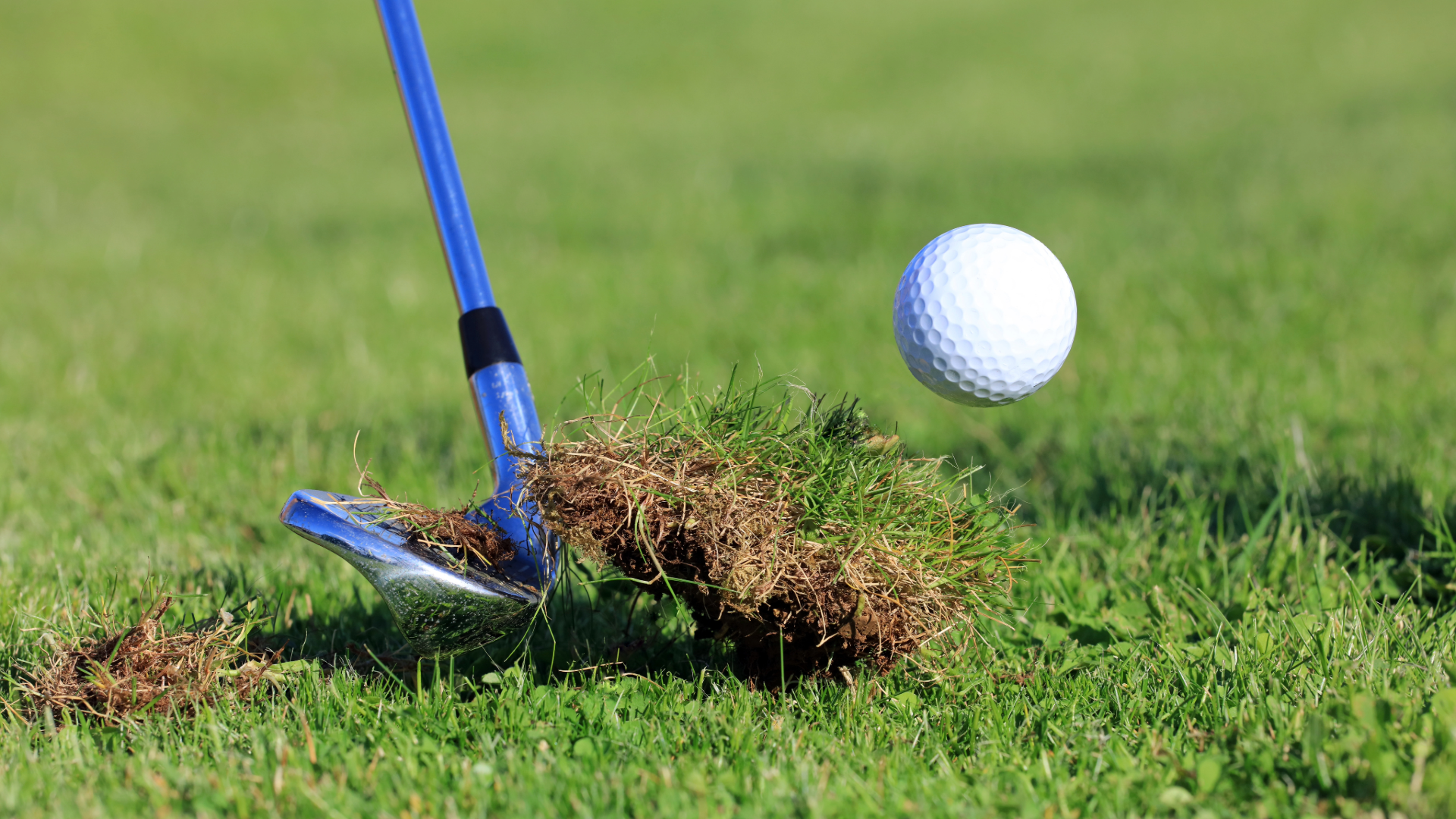
- Flipping the wrists at impact — Fix by keeping wrists quiet and using the shoulders.
- Stance too wide — Fix by narrowing feet and adding forward weight.
- Hitting behind the ball — Fix by placing ball back of center and shifting weight forward.
- Gripping too tight — Fix by loosening grip and practicing short chips.
How to chip a golf ball for beginners improves when you spot one bad habit and fix it. Work on one fix at a time.

Practice drills to build skill fast
Simple drills give big results.
- Coin drill — Put a coin a few feet from the hole. Chip to hit the coin and let it roll in.
- Ladder drill — Place tees at increasing distances. Chip to each tee in order.
- One-handed chips — Practice with your lead hand alone to feel the swing arc.
How to chip a golf ball for beginners becomes easier with short, focused practice. Do five to ten minutes of drills before a round. You will see steady gains.

Course management and mental tips
Smart choices beat hero shots.
- Pick a safe landing spot on the green, not the flag every time.
- Read the slope behind your target to judge roll.
- Stay calm and routine-focused. Breathe and make the same practice swing.
How to chip a golf ball for beginners includes mental play. When I teach, I coach calm routines. That reduces mistakes under pressure.
Practice plan for the first 30 days
A simple plan gets results.
- Week 1 — Work on setup, stance, and one low-roll shot. 10 minutes, three times a week.
- Week 2 — Add distance control drills and ladder work. 15 minutes, three times a week.
- Week 3 — Practice different lies and simple course shots. 20 minutes, twice a week.
- Week 4 — Play practice holes and focus on short-game score. 30 minutes, twice a week.
How to chip a golf ball for beginners improves with short, regular practice. Small habits build big skill over a month.
People often ask: How hard should a chip be hit? Hit with smooth tempo. Match the swing length to the distance.
People also ask: Should you use a putter for chips? Use a putter for very short, flat chips. For most shots, use a wedge to control trajectory and roll.
People also ask: When to open the clubface? Open the face for more loft and less roll. Use it on tight lies or to clear grass.
Experience notes and common beginner lessons
From my lessons and rounds, these ideas stick.
- Start with the simplest shot. Avoid fancy tricks early on.
- Record a slow video of your chip to see your setup and swing.
- Expect small wins and small slips. Progress is steady, not instant.
How to chip a golf ball for beginners is a journey. I once had a student shave five strokes in a month by fixing weight and tempo. It’s honest work and fun.
Frequently Asked Questions of how to chip a golf ball for beginners
What club should a beginner use to chip?
Use a pitching wedge or 9-iron to start. These clubs are forgiving and help you learn roll and distance.
How should I place the ball for a basic chip?
Place the ball slightly back of center for a lower flight and more roll. Move it toward center for higher chips.
How much weight should I put on my front foot?
Put about 60 percent of your weight on your front foot. This helps you hit down and make clean contact.
How long should my backswing be for short chips?
Keep your backswing short and controlled. Match the follow-through to the backswing for consistent distance.
How often should I practice chipping to improve?
Practice short sessions three times a week. Even ten minutes per session helps more than long, rare practice.
Conclusion
You can learn how to chip a golf ball for beginners with simple steps and regular, focused practice. Start with a narrow stance, forward weight, and a short shoulder-driven swing. Pick a basic shot and practice it until it feels natural. Trust the process, track small wins, and enjoy the short-game progress.
Take one small step this week: spend 10 minutes on a single drill. Share your results, ask a question, or subscribe for more tips.