How To Aim A Golf Ball: Simple Steps For Accurate Shots
Aim the clubface at your target, align your body to a clear intermediate spot, and trust your routine.
I’ve spent years coaching and playing to learn how to aim a golf ball with repeatable results. This guide breaks down the full process into simple, practical steps you can use today. I’ll share clear setup cues, aiming techniques for different shots, practice drills I use, and mistakes to avoid. Read on to make aiming feel easy and reliable on the course.

Fundamentals of how to aim a golf ball
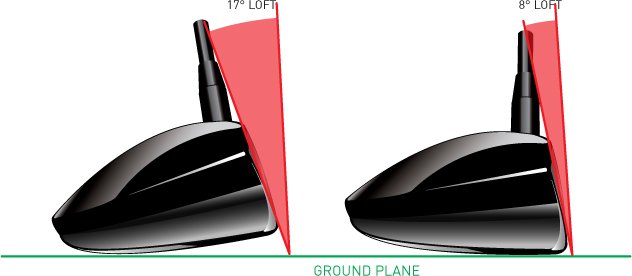
Aiming starts with the clubface. The face points where the ball will begin. Your body alignment then influences path and curvature. Learn to separate clubface aim from body aim. This is the core of how to aim a golf ball.
I teach students to pick one clear line on the ground. Then they align the clubface to that line first. Body alignment comes second. This order reduces confusion and improves consistency.
Key concepts to know
- Clubface direction controls the start line of the shot.
- Swing path controls curve and shape.
- An intermediate target narrows focus and links setup to the swing.
- Small pre-shot checks build a reliable routine.
A step-by-step aiming routine
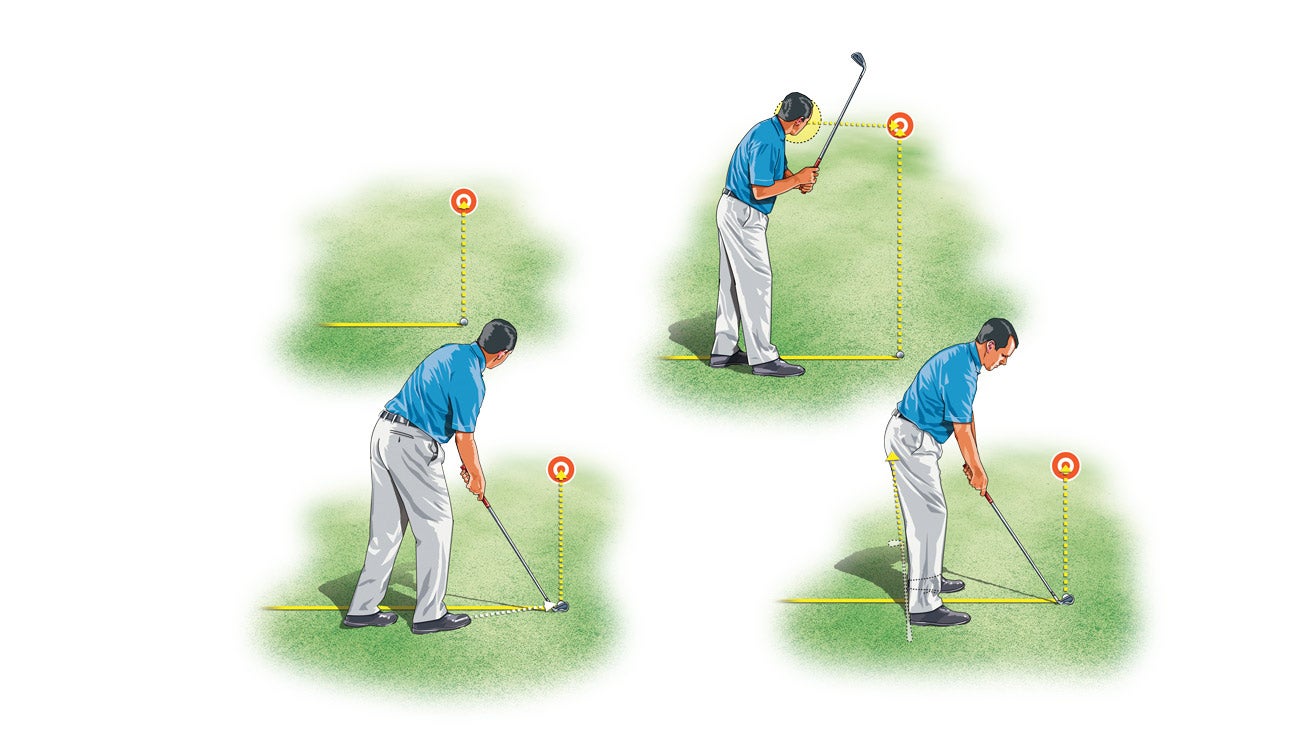
A short, repeatable routine makes aiming simple. Use these steps before every shot to improve how to aim a golf ball.
- Pick your target
- Choose a point 1–3 feet in front of the ball on your target line.
- The intermediate point could be a blade of grass or a tee.
- Set the clubface
- Place the club behind the ball and point the face to the intermediate spot.
- Align your feet, hips, and shoulders
- Square your body parallel to the target line.
- Aim your toes slightly left (for right-handers) if you plan to fade.
- Check ball position and stance width
- Move the ball and feet for the club and shot shape.
- Take a practice stroke
- Look at how the club moves relative to your line.
- Commit and execute
- Trust your chosen line. Swing on your normal tempo.
I use this same routine on the range and course. It keeps focus clear. Repeat it and aiming becomes second nature.

Aligning body and clubface precisely
Most golfers point the clubface at the target but then stand misaligned. Proper alignment helps control shot shape and accuracy. This section shows simple checks to refine how to aim a golf ball.
Simple alignment drills
- Club-on-the-ground drill
- Lay a club along your toe line, parallel to target.
- Stand behind the ball and aim the clubface to your target.
- Mirror check or alignment sticks
- Use a mirror or stick to see shoulder and foot angle.
- Pickup test
- With the clubface aimed, lift your feet one at a time to feel if your stance is parallel.
How to verify clubface aim
- Stand behind the ball and look down the line.
- If the clubface points slightly right or left of the target, adjust the club, not your body.
- Once the face is correct, align feet and shoulders parallel to the target line.

Quick aiming questions
How should I aim the clubface versus my body?
- Aim the clubface at the target first. Then align your body parallel to that face. This keeps your start line predictable.
What is an intermediate target and why use one?
- An intermediate target is a small point in front of the ball on the target line. It simplifies alignment and helps your brain map the shot.
How much should I open or close my stance for draws and fades?
- Slightly close your stance for draws and slightly open it for fades. Small adjustments affect path and ball shape.

Aiming for different shot types: draws, fades, and straight shots
How you aim changes with shot shape. Here are clear rules for how to aim a golf ball for common shapes.
Straight shots
- Clubface: Aim directly at the target.
- Body: Square to the target line.
- Path: Swing on-line.
Fade (left to right for right-handers)
- Clubface: Aim slightly left of the target.
- Body: Aim slightly right of the clubface.
- Path: Swing slightly out-to-in relative to the face.
Draw (right to left for right-handers)
- Clubface: Aim slightly right of the target.
- Body: Aim slightly left of the clubface.
- Path: Swing slightly in-to-out relative to the face.
Practice each shape on the range. Record your alignment and result. This helps you link aim to curve.

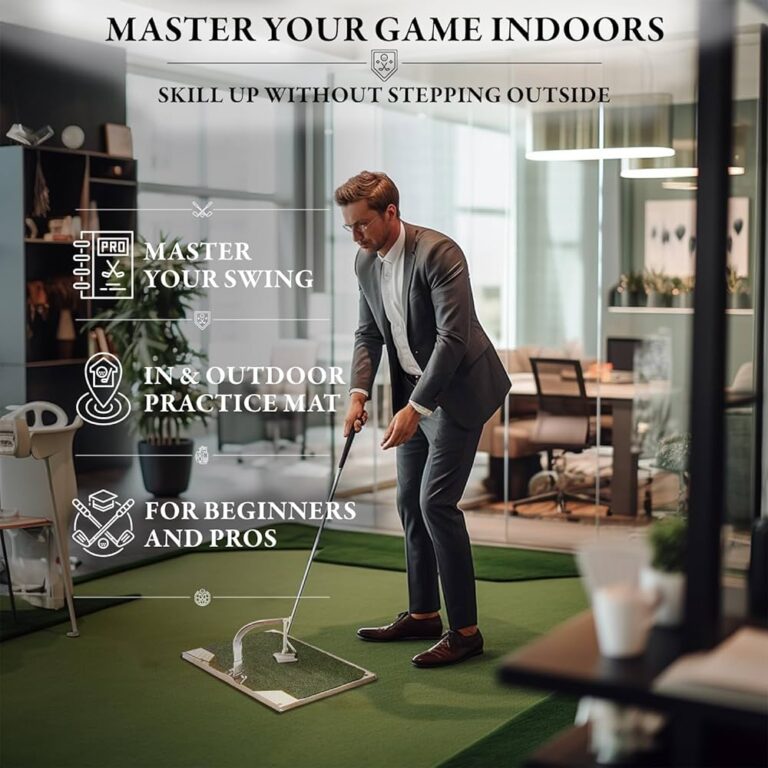
Practice drills to improve aiming
Drills make how to aim a golf ball repeatable. Try these simple drills on the range.
Alignment stick lane
- Place two sticks: one on target line, one along your feet.
- Practice setting the clubface to the target stick and aligning your feet to the foot stick.
Gate drill for putts and short shots
- Set two tees as a narrow gate just wider than the clubhead.
- Aim the face through the gate and hit. This forces correct face aim.
Spot-and-shoot routine
- Pick a small spot 3 feet ahead of the ball.
- Set the face to that spot and swing. This builds a direct visual link.
Record and review
- Use video to check face aim and body angle.
- Small video checks speed up learning.
How wind, slopes, and lie affect aiming
Real courses are rarely flat or still. You must adapt how to aim a golf ball to conditions.
Wind
- Aim into the wind a little more for strong headwinds.
- For side wind, aim more into wind to allow drift to move the ball back to target.
Slopes and uneven lies
- On uphill lies, aim slightly left of your target for right-handers if the ball will fade more.
- On downhill lies, expect lower trajectory and less curve; adjust aim toward target.
Firmness and roll
- Hard fairways add rollout. Aim short if you want to factor roll.
- Soft greens stop shots quickly; you can be more aggressive in your aim.
Common mistakes and how to fix them
Mistakes are normal. Fixing them improves how to aim a golf ball quickly.
Mistake: aiming the body before the clubface
- Fix: Point the face at the spot first. Then set your feet.
Mistake: using distant targets only
- Fix: Use an intermediate mark near the ball. It sharpens precision.
Mistake: changing aim mid-swing
- Fix: Commit to one line during your setup. Trust it and swing.
Mistake: poor pre-shot routine
- Fix: Use the step-by-step routine above. Consistency reduces doubt.
Equipment, aids, and tech that help aiming
Tools can speed learning. Here are effective aids for how to aim a golf ball.
- Alignment sticks
- Cheap and effective for range work.
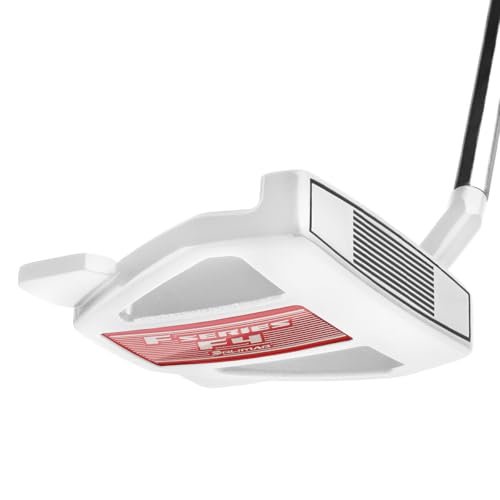
- Putting mirrors
- Help with face aim and stroke path.
- Launch monitors and video
- Show ball start direction and face angle to confirm aim.
- Rangefinders and GPS
- Help pick precise target points on the course.
I used an alignment stick and video for months. My ball start direction improved fast. Tech can confirm your feel.
Frequently Asked Questions of how to aim a golf ball
How do I know where to aim the clubface?
Aim the clubface at a small intermediate point on your target line. This ensures the ball starts on your intended line.
Should I aim my feet or my clubface first?
Aim your clubface first, then align your feet and shoulders parallel to the face. This reduces start-line errors.
How far in front of the ball should I pick an intermediate target?
Choose a spot 1–3 feet in front of the ball. Close spots make alignment clearer than distant targets.
How do I adjust my aim for a strong crosswind?
Aim more into the wind to allow the ball to drift back. The stronger the wind, the more you correct.
Can alignment sticks really help my aim?
Yes. Alignment sticks give immediate visual feedback and build a consistent setup. They are simple and effective.
What’s the best way to practice aiming on the course?
Use the step-by-step routine on short shots and practice the same routine on the range. Keep shots short and consistent while you learn.
Conclusion
Mastering how to aim a golf ball means practicing a simple routine, setting the clubface first, and aligning your body to a clear intermediate target. Small, repeatable steps lead to big gains. Start today with the alignment stick lane and the spot-and-shoot drill. Track your progress and stay patient—aim improves fast with steady practice. Share your results, subscribe for more tips, or leave a comment with your biggest aiming challenge.