How Fast Does A Golf Ball Travel: Typical Speeds Explained
A golf ball usually leaves the clubhead at roughly 100–190 miles per hour depending on skill and club.
I’ve spent years around launch monitors, coaching sessions, and gear testing, so I know what matters when asking how fast does a golf ball travel. This article breaks down typical speeds, the physics behind ball velocity, how to measure it, what affects it, and practical tips to get more speed—and distance—on the course.
Typical speeds and quick reference: how fast does a golf ball travel
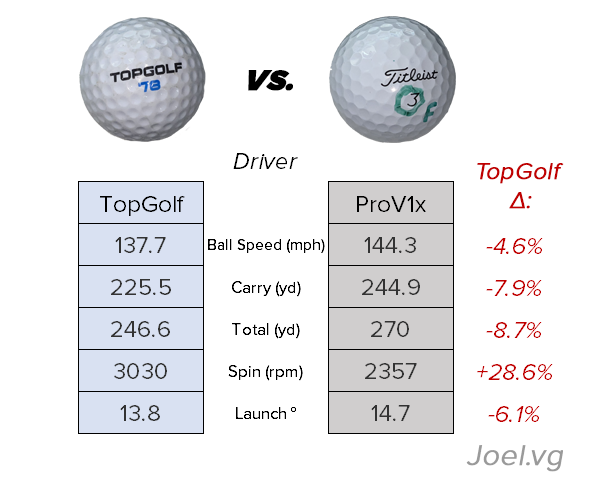
A few simple numbers give you a fast sense of how fast does a golf ball travel. For most amateur golfers, driver ball speed ranges from about 100 to 145 mph. Club players and low-handicap amateurs usually see 145 to 170 mph. Tour pros commonly produce 170 to 190+ mph off the driver at impact.
Here are common ball-speed ranges by club and player level:
- Driver for beginners and high-handicap players: 100 to 125 mph.
- Driver for average amateurs: 125 to 145 mph.
- Driver for low-handicap/amateur competitors: 145 to 170 mph.
- Driver for professionals: 170 to 190+ mph.
- Irons and wedges: ball speeds drop sharply, often 40 to 120 mph depending on the club.
How fast does a golf ball travel directly influences carry distance. Higher ball speed generally equals longer shots when launch and spin are optimized. Use these ranges to set expectations and track improvement.
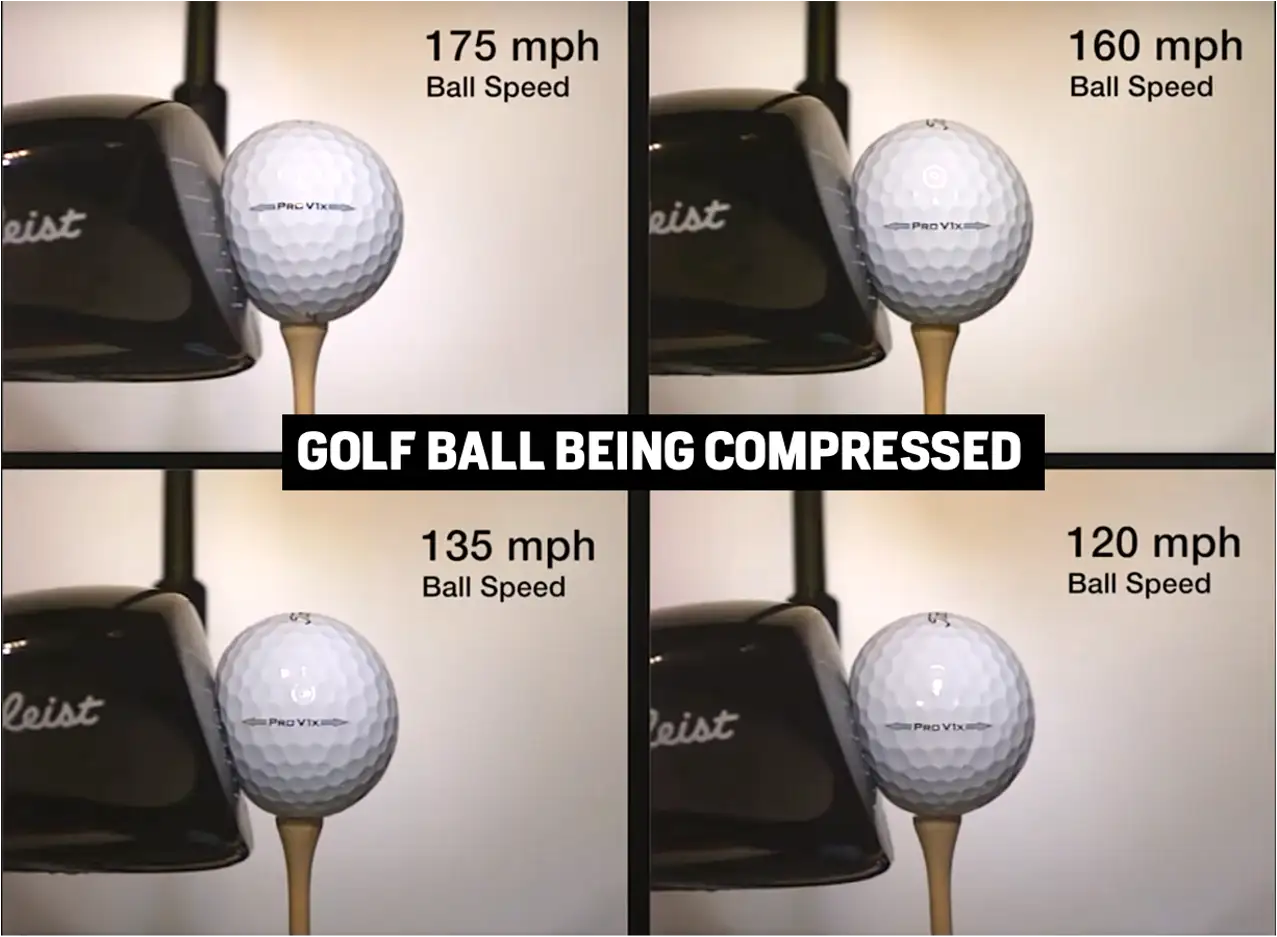
The physics behind how fast does a golf ball travel
Ball speed starts at the moment of impact. The two main physics rules are simple:
- Ball speed = clubhead speed × smash factor.
- Smash factor measures how efficiently energy transfers from club to ball.
Smash factor usually sits near:
- 1.3 for long irons,
- 1.4 for mid-irons,
- up to about 1.5 for drivers (a well-struck drive).
Example calculations:
- Clubhead speed 90 mph with a smash factor of 1.5 yields ball speed 135 mph.
- Clubhead speed 100 mph with the same smash factor yields ball speed 150 mph.
Air resistance and spin change the ball’s speed during flight. A golf ball leaves the club extremely fast, then slows due to drag. Spin, launch angle, and ball construction all influence how quickly it decelerates and how far it flies.

Factors that affect how fast does a golf ball travel
Many things change ball speed at impact and during flight. Understanding these helps you improve and interpret launch monitor numbers.
Primary factors at impact:
- Clubhead speed — the biggest driver of ball speed.
- Smash factor — depends on where you hit the clubface and the club design.
- Clubhead mass and loft — heavier heads and optimal loft can change energy transfer.
- Ball type and compression — different balls respond differently to swing speed.
Flight factors that change perceived speed and distance:
- Launch angle — influences carry distance and peak speed in flight.
- Spin rate — too much spin creates drag and reduces carry.
- Air density and wind — higher altitude or tailwind increases carry and effective speed.
- Temperature — warmer air reduces drag slightly, helping the ball travel farther.
How fast does a golf ball travel in flight is not the same as exit velocity. Exit velocity is a single, measurable number. In-flight speed varies second by second.
Measuring ball speed: launch monitors and simple tests
To answer how fast does a golf ball travel precisely, use the right tools.
Common tools:
- Launch monitors — radar and camera-based units measure ball speed, clubhead speed, launch angle, and spin.
- Radar guns — capture ball speed but not spin or launch angle.
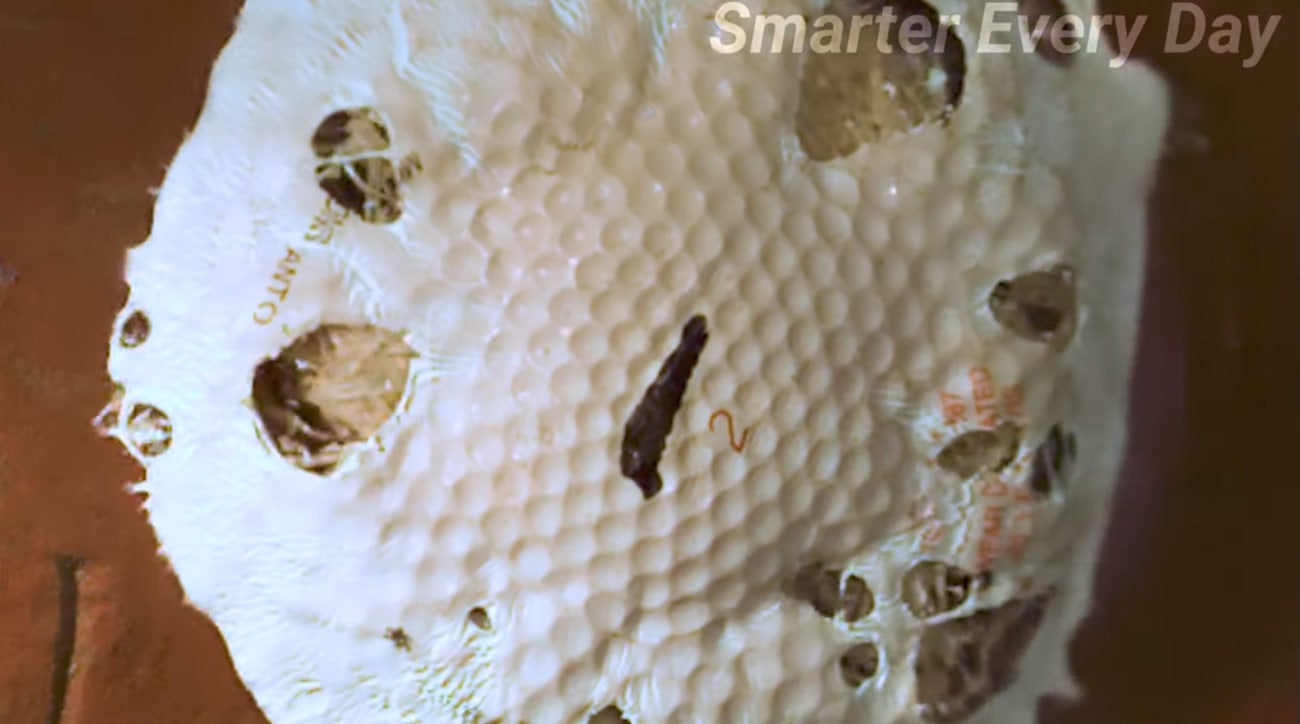
- High-speed cameras — used in labs to analyze impact mechanics.
How to test on your own:
- Use a launch monitor on a consistent hitting mat and ball type.
- Make repeated swings and average the ball speed readings.
- Track clubhead speed and smash factor to identify where energy is lost.
A practical tip I use: when testing, hit three shots, drop the worst one, and average the other two. That gives a realistic number without outlier swings skewing results.

Real-world examples, case studies, and my experience
Seeing numbers in person makes the question how fast does a golf ball travel easier to grasp.
Example scenarios:
- Weekend golfer: I once coached a casual player with about 85 mph clubhead speed. Their driver ball speed averaged 127 mph and carry improved by 10–15 yards after small swing tweaks.
- Club-level player: I tested a 100 mph swinger. Improving launch and increasing smash from 1.45 to 1.50 raised ball speed from 145 mph to 150 mph and added roughly 10 yards.
- Local pro: testing showed a club pro with 112 mph clubhead speed producing about 168 mph ball speed—typical of low-handicap players.
Lessons learned:
- Small technique adjustments can improve smash factor more easily than increasing raw clubhead speed.
- Equipment matters, but fundamentals trump gear. Proper fitting helps a lot.
- Using a launch monitor gives clear, actionable data.
How fast does a golf ball travel in these examples? It depends on both swing and contact quality. Tracking both metrics is the key to consistent improvement.

Practical tips to increase ball speed and better results
If you want to increase how fast does a golf ball travel, focus on these practical steps.
Technique and training:
- Improve swing mechanics — work on sequencing and rotation to boost clubhead speed safely.
- Hit the sweet spot — practice center-face contact to raise smash factor.
- Strength and mobility — simple gym or bodyweight work improves speed while lowering injury risk.
Equipment and setup:
- Get a proper fitting for shaft flex, loft, and ball choice.
- Use a ball suited to your swing speed—lower compression for slower swings can help transfer energy.
- Check loft and launch conditions—adjust to find the best carry.
On-course tips:
- Warm up well to reach competitive swing speeds.
- Use tees and ball position that encourage optimal launch for the driver.
- Track numbers with a launch monitor when practicing to see what changes work.

Safety, impacts, and extreme speeds
How fast does a golf ball travel matters for safety. At high speeds the ball can be dangerous.
Safety facts:
- A 150–180 mph ball impact can cause serious injury.
- Always be aware of people and property when hitting.
- Ball speed also affects club durability and stress on equipment.
Extreme tests in labs and in pro performance show that peak exit velocities can exceed commonly reported tour averages for brief moments. Those tests often use optimized environments and are not typical for everyday players.

Related concepts and why they matter
Understanding related terms clears up confusion about how fast does a golf ball travel.
Key terms:
- Exit velocity (ball speed) — the speed of the ball immediately after impact.
- Clubhead speed — speed of the club head just before impact.
- Smash factor — ratio of ball speed to clubhead speed.
- Carry distance — how far the ball travels in the air.
- Total distance — carry plus roll.
Knowing these helps you interpret data from practice sessions and fittings. It also helps you set realistic goals and track progress.
PAA-style quick questions (short answers)
What affects how fast does a golf ball travel?
- Ball speed is affected by clubhead speed, contact quality (smash factor), club design, ball type, and environmental conditions.
Does a faster golf ball always mean more distance?
- Generally yes, but launch angle and spin must be optimized. Too much spin or a poor launch angle reduces distance despite high ball speed.
Can equipment change how fast does a golf ball travel?
- Yes. A properly fitted driver, the right shaft, and the correct ball can each raise ball speed a few percent when matched to the player.
How much can amateur players realistically increase ball speed?
- With coaching and training, amateurs can often gain 5–15% ball speed through better mechanics and improved contact.
Is ball speed the only metric to focus on?
- No. Ball speed is vital, but you must also manage launch angle, spin rate, and direction to maximize distance and scoring.
Frequently Asked Questions of how fast does a golf ball travel
How fast does a golf ball travel off the tee for beginners?
Beginners typically see driver ball speeds between 100 and 125 mph. This depends on swing speed and contact quality.
How fast does a golf ball travel for tour professionals?
Tour professionals often produce ball speeds from about 170 to 190+ mph with the driver. Exceptional players can exceed those values in peak swings.
How fast does a golf ball travel mid-flight?
Mid-flight speed drops from the exit velocity as drag slows the ball. The speed will vary second by second and depends on spin, launch, wind, and altitude.
How fast does a golf ball travel when using irons?
Iron ball speeds are much lower than driver speeds, typically between 40 and 140 mph depending on the iron and player. Shorter clubs mean lower exit velocities.
How can I measure how fast does a golf ball travel without a launch monitor?
You can use a radar gun or high-speed camera, but those are less common. The most practical option is a portable launch monitor or golf simulator.
Conclusion
You now have a full view of how fast does a golf ball travel—what typical ranges look like, the physics behind ball speed, factors that matter, how to measure it, and practical tips to improve. Start by tracking your numbers with a simple launch monitor or during a fitting. Small, consistent changes to contact, launch, and equipment deliver the biggest wins.
Put what you learned into practice: test your current ball speed, set a realistic goal, and work one step at a time. If you liked this deep dive, share your numbers or questions below, subscribe for more gear and performance tips, or try a simple launch-monitor session to see real progress.