How Much Do Golf Shoes Cost: Golf Shoe Prices Explained
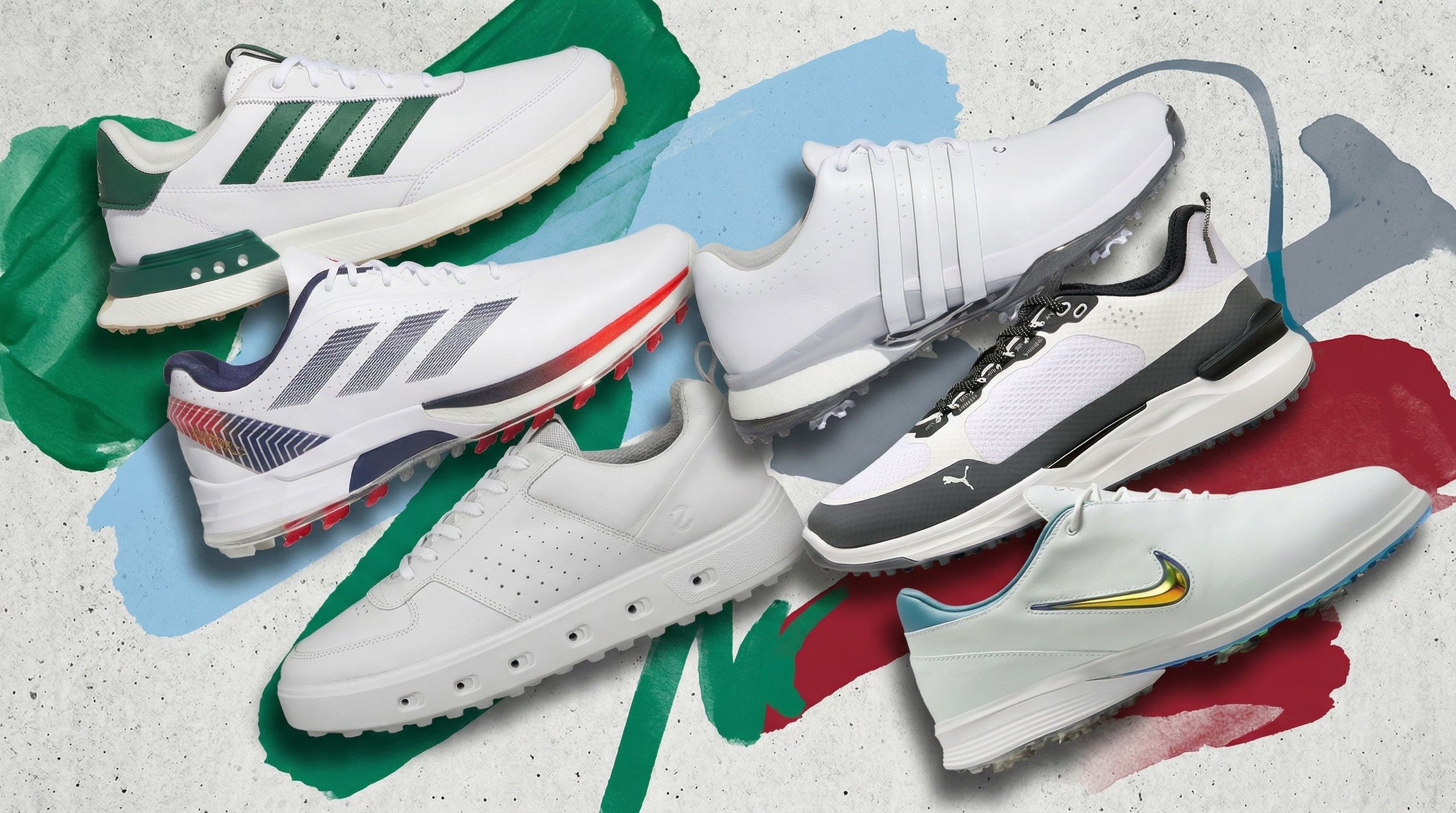
Golf shoes can cost anywhere from about $40 to more than $250 in the United States. Most golfers can find a useful pair in the $70 to $150 range, while premium models often cost more because of materials, waterproof membranes, sole design, comfort features, and brand positioning.
The right price depends on how often you play, whether you walk or ride, the weather where you play, and how much support your feet need. A junior who plays a few short rounds has different needs from a tournament golfer who walks 36 holes in a weekend.
This guide explains golf shoe costs by type, golfer, weather, and use. It also covers spikes versus spikeless soles, waterproof shoes, junior and senior needs, care costs, rules, common mistakes, and how to judge value without focusing only on the price tag.
Quick answer: How much do golf shoes cost?
Golf shoes usually cost $40 to $250 or more. Entry-level shoes often fall between $40 and $80. Mid-range golf shoes commonly cost $80 to $150, while premium shoes may cost $150 to $250 or more. Junior shoes often cost less, but they may need replacement sooner as a child grows.
A low price does not always mean poor quality. A high price does not always mean a better fit. The best choice is a shoe that matches your course, climate, walking habits, foot shape, and level of play.
Typical golf shoe price ranges
The table below gives a broad guide for the U.S. market. Prices change by season, material, design, and supply, so treat these as useful ranges rather than fixed rules.
| Golf shoe type | Typical price range | Main use |
|---|---|---|
| Basic spikeless shoes | $40–$80 | Casual play and beginners |
| Entry-level spiked shoes | $50–$90 | Wet grass and added traction |
| Mid-range spikeless shoes | $80–$150 | Regular walking or riding |
| Mid-range spiked shoes | $90–$160 | Strong grip and frequent play |
| Premium performance shoes | $150–$250+ | Frequent play and long walking |
| Junior golf shoes | $35–$90 | Growing players and junior golf |
The main takeaway is simple: most golfers do not need the most expensive shoe. Fit, grip, comfort, and weather protection matter more than the number on the price tag.
What determines the cost of golf shoes?
The biggest price factors are materials, sole design, waterproofing, construction, and comfort features. A shoe built for long walks on damp ground usually has more design work than a simple casual model.
Golf shoes must do more than look like athletic shoes. They need to help you stay stable during the backswing and downswing. They also need to handle grass, mud, sand, rain, heat, and repeated twisting.
Materials and construction
Leather often costs more than basic synthetic fabric. It can feel durable and may resist light moisture, but it can also need more care. Synthetic uppers are often lighter and may dry faster.
Some shoes use mesh panels for airflow. These can suit golfers in hot climates, but they may allow water through. A waterproof membrane adds cost and may make the shoe feel warmer.
A well-made sole also affects the price. The sole must bend during walking while still helping your foot stay stable during impact. Very soft soles can feel comfortable but may not provide enough support for every golfer.
Spikes, spikeless soles, and traction
Spiked golf shoes use small cleats that grip the turf. Modern spikes are often soft plastic, not old-style metal spikes. Spikeless shoes use molded rubber patterns or small traction nubs.
Spiked shoes often cost more because the sole must hold replaceable cleats. Spikeless shoes may work well for golfers who move between the course, clubhouse, and practice area.
Your swing speed does not decide whether you need spikes. Foot pressure, turf conditions, balance, and comfort matter more. A golfer with a slow swing may still need strong traction on a wet slope.
Waterproofing
Waterproof golf shoes often cost more than breathable shoes made for dry weather. The extra cost can come from a waterproof lining, sealed seams, treated leather, or a more complex sole.
Waterproofing is useful for early tee times, damp fairways, and rainy regions. It may not be needed for a golfer who plays only in dry summer weather.
No waterproof shoe stays fully dry forever. Seams, tongue openings, and worn materials can let water in. Care and storage matter.
Cushioning and support
Golfers walk several miles during many 18-hole rounds. The exact distance depends on the course layout, tee box, cart use, and how often you search for balls. Cushioning can reduce foot fatigue, but too much softness may feel unstable.
Golf shoes may include arch support, heel cushioning, wider toe boxes, or firm midsoles. These features can raise the cost. They can also help golfers who stand for long periods or deal with mild foot discomfort.
If you have lasting pain in your feet, knees, hips, back, or ankles, speak with a medical professional. A golf shoe is not a treatment for an injury.
Golf shoe costs by playing frequency
How often you play is one of the best ways to judge how much to spend. A new golfer who plays three times a year does not place the same demands on a shoe as a golfer who walks five rounds each week.
Your handicap index also matters indirectly. A beginner may spend more time walking in rough areas, searching for balls, or practicing near a green. An improving player may need stable traction during a more powerful swing and longer practice sessions.
Occasional golfers and beginners
A casual golfer can often use a simple spikeless shoe. This type may suit a player who visits an executive course, takes lessons, or plays a few social rounds each season.
Beginners should focus on:
- A secure heel
- Enough room for the toes
- A sole that grips grass
- Comfortable walking support
- A design suited to local weather
A beginner does not need a special shoe for a high handicap. A good fit can help the player feel stable while learning grip, stance, posture, and balance.
Regular weekend golfers
Golfers who play once a week often benefit from a mid-range shoe. Walking, practice on the driving range, and wet morning rounds can wear down low-cost materials.
A regular player should look at the full use pattern. If you walk, comfort may matter most. If you ride a cart, traction and weather protection may matter more than maximum cushioning.
Frequent players and competitive golfers
A golfer who plays several times each week may place heavy stress on the upper, sole, heel, and toe. Frequent players may value stronger construction, replaceable spikes, waterproof protection, and stable support.
Competitive golfers should also consider course type. A links course may expose shoes to wind, rain, firm turf, and deep rough. A parkland course may create more mud and soft ground. A desert course may demand heat control and dust resistance.
Cost and playing frequency
This table shows how use can affect a sensible spending range. It is not a rule, and fit remains more important than price.
| Playing pattern | Common need | Useful price range |
|---|---|---|
| A few rounds each year | Basic comfort and grip | $40–$80 |
| One round most weeks | Better walking comfort | $80–$150 |
| Several rounds each week | Durability and support | $120–$250+ |
| Junior player still growing | Comfort and simple traction | $35–$90 |
The main takeaway is that frequent play can justify stronger construction. Occasional play does not require a premium shoe if a basic pair fits well and stays in good condition.
Spikeless versus spiked golf shoe cost
Spiked and spikeless shoes can both work well. The main difference is how they create traction and how they behave on different surfaces.
Your choice should match the turf, weather, walking plan, and club rules. Some golf facilities restrict certain sole types, so check local policy before playing.
Spikeless golf shoes
Spikeless shoes use rubber patterns instead of replaceable cleats. They often feel natural when walking on paths or hard surfaces. Many golfers also like them for practice sessions and casual wear.
They may suit:
- Beginners
- Golfers who walk and ride
- Dry or moderately damp courses
- Players who move between the course and practice area
- Golfers who prefer a flexible feel
Spikeless shoes may lose grip when turf is very wet or steep. The quality of the rubber pattern matters. A flat sole may feel comfortable but can slide during a forceful downswing.
Spiked golf shoes
Spiked shoes use cleats that press into the turf. They can provide strong grip on wet grass, hills, and soft ground. The spikes may wear down and need replacement.
They may suit:
- Golfers who play in wet climates
- Players who walk hilly courses
- Competitive golfers
- Golfers who create strong ground pressure
- Players who want a more locked-in feel
Spiked shoes can feel less comfortable on hard paths. They may also require more care after muddy rounds.
Spiked versus spikeless cost and use
| Feature | Spikeless shoes | Spiked shoes |
|---|---|---|
| Typical cost | $40–$200+ | $50–$250+ |
| Best surface | Firm or mixed turf | Wet, soft, or sloped turf |
| Walking feel | Often more flexible | Often more structured |
| Maintenance | Clean the tread | Clean and replace cleats |
| Off-course use | Usually easier | Often less suitable |
Neither design automatically improves your golf swing. Traction can help you keep balance, but swing mechanics still depend on grip, stance, posture, tempo, impact, and follow-through.
Waterproof golf shoes: Are they worth the higher cost?
Waterproof golf shoes may be worth the extra cost for golfers who play in wet weather or walk early in the morning. They are less important for players who mostly play in dry heat.
Waterproof shoes can help keep socks dry when grass is wet with dew. Dry feet can make a long round more comfortable. However, waterproof materials may reduce airflow and feel warmer during summer play.
Who benefits most from waterproof shoes?
Waterproof shoes often suit:
- Golfers in rainy regions
- Early-morning players
- Walkers who play in dew
- Golfers who play in spring and fall
- Players who do not want to carry extra footwear
They may not suit golfers who play only in hot, dry weather. A breathable shoe can feel better in that setting.
Waterproof versus water-resistant
Water-resistant materials can repel light moisture for a period of time. Waterproof construction aims to block water more fully, but no shoe remains waterproof under every condition.
Check the maker’s care instructions. Do not place wet golf shoes directly against a strong heater. High heat can damage adhesives, leather, foam, and waterproof layers.
Weather and golf shoe cost
Climate changes what features matter most. The same shoe can feel ideal in one region and uncomfortable in another.
| Playing condition | Helpful shoe feature | Possible trade-off |
|---|---|---|
| Heavy rain | Waterproof upper and sealed seams | Less airflow |
| Morning dew | Water-resistant or waterproof upper | May cost more |
| Hot summer | Mesh and light materials | Less water protection |
| Cold weather | Insulation and firm support | More weight |
| Dry, firm turf | Breathable spikeless sole | Less wet-ground grip |
The main takeaway is to pay for weather protection only when you use it. A waterproof shoe may be poor value if it stays in a closet during dry-season golf.
Golf shoe costs for men, women, seniors, and juniors
Golf shoes should be chosen by foot shape and use, not by marketing labels alone. Men’s, women’s, senior, and junior designs may differ in width, size range, weight, and color, but comfort and stability remain the key tests.
Left-handed and right-handed golfers can use the same shoe types. Your swing direction does not change the need for grip. However, a golfer who pushes hard into one side during the swing may notice fit problems more clearly.
Men’s golf shoes
Men’s golf shoes often come in a wider size range. Some have a broader heel or forefoot, but shapes vary by model. Do not assume a standard size will fit every foot.
A men’s shoe should allow the toes to spread slightly. The heel should stay secure during the backswing and downswing. Excess movement can cause blisters and reduce balance.
Women’s golf shoes
Women’s golf shoes often come in narrower heel shapes or different width options. Some golfers need more room at the front of the foot, especially after long walks when feet swell.
Women who play in hot weather may prefer lighter, breathable materials. Women who play in wet conditions may place more value on waterproofing and traction.
Senior golfers
Senior golfers may benefit from easy walking comfort, stable soles, and a secure heel. Age alone does not determine the right shoe. Fitness, joint health, balance, and walking habits matter more.
A very soft shoe may not suit someone who needs firm support. A very rigid shoe may not suit someone who values natural movement. Seniors with foot, knee, or back pain should ask a medical professional for guidance.
Junior golfers
Junior golfers need a secure fit, but they should not wear shoes that are much too large. Oversized shoes can make balance harder and may cause the foot to slide inside the shoe.
Parents should check fit during the season. Children grow quickly, and a once-correct size can become tight. Junior players also need a warm-up, sun protection, water, and safe space around the swing area.
👪 Parent or Beginner Note: A junior does not need adult-level features. A comfortable, properly fitted shoe with safe traction can support learning on the driving range, putting green, and course.
Shoe needs by golfer group
| Golfer | Main priority | Common limitation |
|---|---|---|
| Beginner | Comfort and steady grip | May not know preferred fit |
| Improving amateur | Walking comfort and traction | May play in varied weather |
| Senior golfer | Support and balance | Foot or joint pain may affect fit |
| Junior golfer | Fit, light weight, and safety | Feet may grow during the season |
| Competitive player | Durability and weather control | More walking and practice wear |
The best shoe for women, men, seniors, or juniors is not based on the label alone. It must match the golfer’s foot, course, weather, and walking pattern.
How much should beginners spend on golf shoes?
Most beginners can start with a shoe in the $50 to $100 range. This level often provides basic traction and enough comfort for lessons, practice, and occasional rounds.
New golfers should not spend heavily before learning how they play. A beginner may start with an executive course, then move to a full-length course. They may walk at first and use a cart later. Their needs can change.
A simple beginner checklist
Look for:
- A snug but not tight heel
- Toe room without foot sliding
- A sole that grips grass
- Comfortable walking support
- Materials suited to local weather
- A return or exchange policy that allows fit correction
Golf shoes should not pinch the toes or rub the heel. Try them with the socks used for golf. Walk, bend, and make a slow practice swing before deciding whether the fit feels stable.
What beginners do not need
Beginners do not need shoes designed for a very fast swing speed. They do not need the heaviest sole or the most complex traction system. They also do not need to match shoe color to a golf outfit.
A beginner’s first golf shoe should support safe movement. It should not distract from learning etiquette, pace of play, club selection, chipping, pitching, bunker shots, putting, and green reading.
Do expensive golf shoes improve performance?
Expensive golf shoes can offer more comfort, stronger materials, better waterproofing, or a more refined fit. They do not replace practice, a sound warm-up routine, or a good lesson.
Golf performance depends on many factors. Grip pressure, stance width, ball position, posture, backswing, downswing, tempo, impact, and follow-through all play a role. Shoes can help you feel stable, but they cannot correct a slice, hook, shank, or poor putting stroke by themselves.
What higher-priced shoes may provide
A higher-priced shoe may include:
- More durable outer materials
- Better cushioning
- A waterproof lining
- Stronger heel support
- More detailed sole traction
- Replaceable cleats
- Wider or narrower fit options
- Lighter construction
These features can matter to a golfer who walks often. They may matter less to someone who rides a cart and plays only in dry conditions.
Value is more than the first cost
A low-cost shoe may seem like good value, but frequent replacement can change the total cost. A higher-cost shoe may provide better value if it remains comfortable and useful for longer.
Still, durability is not guaranteed by price. Cleaning, drying, rotation, and storage affect how long golf shoes last.
Value factors to compare
| Value factor | Question to ask | Why it matters |
|---|---|---|
| Fit | Does the foot stay secure? | Reduces movement and rubbing |
| Comfort | Can you walk 18 holes? | Helps manage fatigue |
| Grip | Does the sole suit the turf? | Supports stable movement |
| Weather | Will it handle local conditions? | Prevents poor use |
| Durability | Can it handle your play rate? | May reduce replacement needs |
| Care | Is it easy to clean and dry? | Supports longer use |
The main takeaway is that the most useful shoe is the one you can wear comfortably for your normal golf routine.
Golf shoe maintenance and replacement costs
Maintenance can extend the useful life of golf shoes. It can also prevent small problems from becoming fit, traction, or comfort problems.
After a round, remove grass and mud from the sole. Let the shoes dry in a cool, ventilated place. Keep them away from a hot car dashboard, radiator, or direct high heat.
Cleaning routine
Use a soft brush to remove dry dirt. For deeper cleaning, follow the care instructions for the material. Leather may need a suitable conditioner, while mesh may need gentle cleaning.
Do not use harsh chemicals unless the care guide allows them. Strong cleaners can affect color, adhesives, waterproof coatings, or soft materials.
Spiked shoe care
Check the cleats from time to time. A worn cleat may reduce traction. Replace damaged cleats with the correct type for the sole.
Do not keep playing if a cleat is loose or the sole is separating. A damaged sole can affect balance and may create a trip risk.
When should golf shoes be replaced?
Replace golf shoes when:
- The sole is smooth or badly worn
- The heel shifts during a swing
- Water enters through damaged areas
- The upper is separating from the sole
- Cleats no longer hold securely
- Persistent blisters appear
- Cushioning feels flat or uneven
A shoe that looks fine may still have a worn sole. Check the bottom, not just the upper.
Repair and replacement costs
Some shoes allow cleat replacement at a modest cost. Other damage may not be practical to repair. A separated sole, crushed midsole, or badly worn upper often means the shoe has reached the end of its useful life.
| Shoe issue | Possible response | Safety concern |
|---|---|---|
| Dirty sole | Brush and clean | Low |
| Worn cleats | Replace correct cleats | Reduced grip |
| Loose lace eyelet | Repair if secure | Foot may loosen |
| Sole separation | Stop using until fixed | Trip risk |
| Wet interior | Air dry fully | Odor and material damage |
| Smooth tread | Replace shoe | Sliding risk |
Good care cannot fix every problem. It can, however, help you notice wear before it affects your stance or safety.
🌿 Course Care Note: Clean mud from shoes before leaving the course when possible. Avoid carrying loose mud onto paths, club areas, or greens. Repair ball marks, rake bunkers, replace divots, and dispose of broken tees and old balls properly.
Golf shoes and the Rules of Golf
Golf shoes are usually a matter of equipment choice, but golfers must follow facility policies and event conditions. The USGA and R&A Rules of Golf govern formal play, while clubs and tournaments may set additional local rules.
Most modern golf shoes are made for course use. Metal spikes may be restricted by a club because they can damage greens or indoor surfaces. Always check the club’s dress code and local rules before a round.
Rules and course policy
A shoe itself does not give a player permission to damage the course. Players must care for the course and avoid unnecessary harm to putting greens, bunkers, and tee boxes.
In stroke play, every stroke counts toward the score. In match play, the result depends on holes won, lost, or tied. Shoe choice does not change the scoring format.
A scramble, Stableford event, or junior competition may have event-specific conditions. Check the latest Rules of Golf and the local committee for updates.
📜 Check the Rules: The current Rules of Golf, club policies, and tournament conditions can change. Verify footwear limits, dress rules, and local requirements before organized play.
Common mistakes when choosing golf shoes
Many golfers focus on appearance or price and overlook fit. The wrong shoe can cause blisters, foot fatigue, or poor traction during a long round.
These mistakes affect beginners and experienced players. A low-handicap golfer can still choose a poor shoe if the fit does not match the foot.
Mistake 1: Choosing the wrong size
Golf shoes should not fit like loose running shoes. The heel should remain secure, while the toes should have space to move. Feet may swell during a round, so test the fit with golf socks.
Mistake 2: Ignoring course conditions
A shoe for dry fairways may not suit wet slopes. A highly waterproof shoe may feel too warm in a humid summer. Match the sole and upper to the course and climate.
Mistake 3: Buying only for appearance
A stylish shoe can still rub the heel or slide on grass. Style matters, but it should come after fit, grip, and comfort.
Mistake 4: Wearing new shoes for a tournament
New shoes may need time to soften and reveal pressure points. Wear them during short practice sessions before a major event.
Mistake 5: Forgetting walking distance
A cart does not eliminate all walking. You may walk from the cart path to the ball, around greens, across tee boxes, and near hazards. Consider the full round, not only the time in the seat.
Mistake 6: Using worn shoes in wet conditions
Worn tread can become unsafe on wet grass. A shoe that feels fine on dry turf may slide on a damp slope.
A simple golf shoe test before a round
Testing shoes before play can reveal fit and support problems. This process suits beginners, parents, and golfers returning after an injury.
Use a short test at home or on a safe practice surface. Do not swing near people, windows, vehicles, or other hazards.
Five-step fit test
- Put on the socks you use for golf.
- Walk for several minutes.
- Bend your knees and take a slow practice stance.
- Make a few controlled practice swings.
- Check your heel, toes, arch, and pressure points.
Your foot should stay stable without being squeezed. The shoe should bend where your foot bends. It should not fold sharply across the wrong part of the foot.
What each golfer should notice
A beginner should notice comfort and balance. An improving amateur should notice traction during a slow swing and walking fatigue. A senior golfer should notice pressure on the heel, arch, ankle, knee, and lower back.
A junior’s parent should check that the child can walk, squat, and swing without slipping inside the shoe. Children may not report a poor fit clearly, so watch for rubbing, limping, or frequent shoe removal.
Walking, riding, and golf shoe cost
Walking golfers often place more value on cushioning and weight. Riders may focus more on traction, weather protection, and easy cleaning. Both groups need a secure fit.
Walking can improve the exercise value of a round, but it also increases foot demands. Use a warm-up routine before play. Drink water, protect your skin from the sun, and pace yourself in heat.
Walking golfers
Walkers may prefer:
- Lower shoe weight
- Flexible forefoot movement
- Good heel cushioning
- Breathable materials
- Reliable wet-grass traction
- Strong support on slopes
A walking golfer may spend more because comfort affects every hole. A painful shoe can change posture and movement, even during putting and chipping.
Riding golfers
Riding golfers may need less cushioning, but they still walk across uneven grass. Cart users should also keep both hands and feet inside the cart and follow course cart rules.
Avoid sharp turns at speed. Do not drive near restricted areas. Cart safety is part of golf etiquette and course care.
How use changes value
| Golf routine | Main shoe stress | Important feature |
|---|---|---|
| Walking 18 holes | Repeated steps and slopes | Cushioning and support |
| Riding 18 holes | Short walks and turf changes | Grip and easy cleaning |
| Driving range practice | Repeated swings in one area | Stable sole |
| Executive course | More walking on shorter holes | Light comfort |
| Tournament golf | Long days and firm focus | Fit and durability |
The main takeaway is that walking adds more value to comfort features. Riding reduces some demand but does not remove the need for stable, safe footwear.
Do golf shoes help your swing?
Golf shoes can help you maintain a stable base. They do not create a correct swing. Your grip, stance, posture, tempo, and body motion still control the club.
During the backswing, your pressure moves in a controlled way. During the downswing, the body turns toward the target. At impact, the feet help you stay balanced. During the follow-through, the shoe should not slip as your weight moves forward.
Traction and swing speed
High swing speed can create more ground force, but speed alone does not decide shoe needs. A beginner with a smooth swing may need strong traction on a wet course. A powerful player may prefer a flexible spikeless sole on firm turf.
The best way to test traction is to make controlled swings on the type of surface you will play. Avoid aggressive swings in a crowded practice area.
Shoes and common swing faults
Shoes cannot directly fix:
- A slice
- A hook
- A shank
- Poor contact
- A weak grip
- An inconsistent ball position
- Poor green reading
If a fault persists, a PGA professional can assess your setup, motion, and equipment. Persistent pain requires medical advice, not a swing change alone.
Golf shoe cost by course type
Course design affects walking, slopes, turf, and moisture. The best shoe for an inland parkland course may not suit a coastal links course.
A links course can have firm ground, strong wind, exposed areas, and wet weather. A mountain course may create steep slopes. A desert course may have heat, hard paths, and dry dust. An executive course may involve less total distance but still require good traction.
Course conditions and shoe selection
| Course type | Common condition | Useful shoe trait |
|---|---|---|
| Links course | Wind, rain, firm turf | Weather control and grip |
| Parkland course | Grass, shade, damp areas | Versatile traction |
| Mountain course | Slopes and uneven lies | Stable support |
| Desert course | Heat and hard ground | Breathability and comfort |
| Executive course | Short holes and walking | Light, flexible design |
Course type does not set the price. It changes which features provide real value. A golfer should pay attention to use, not the course label alone.
Golf shoe cost versus other golf expenses
Golf shoes are only one part of the cost of learning golf. New players also spend time and money on practice, lessons, green fees, range balls, transportation, and clothing.
A golfer should build a complete plan. A lesson may help more than a costly shoe when the main problem is grip, posture, club path, or contact. A proper warm-up may help more than a new sole when the issue is stiffness.
Common golf learning costs
| Golf activity | What it supports | Cost pattern |
|---|---|---|
| Driving range | Full-swing practice | Often paid per session |
| Putting green | Distance control | Often included with access |
| Golf lesson | Skill and feedback | Varies by instructor |
| Practice round | Course management | Varies by facility |
| Fitness routine | Strength and mobility | Time or coaching cost |
| Golf shoe care | Durability and comfort | Low ongoing cost |
This comparison is not a reason to avoid golf shoes. It shows why shoe cost should fit the whole golf plan. A new golfer may improve faster through basic practice and sound instruction than through expensive footwear.
Pros and cons of low-cost and premium golf shoes
Price can be useful as a rough guide, but it is not a complete quality test. Both lower-cost and premium shoes can suit the right golfer.
The table below shows common trade-offs. Individual models vary, so inspect the actual fit, materials, sole, and care instructions.
| Price level | Advantages | Limitations |
|---|---|---|
| Lower cost | Accessible, simple, useful for casual play | May have less support or durability |
| Mid-range | Balanced comfort, grip, and materials | May still lack special fit options |
| Premium | More features, refined support, strong weather options | Higher cost and not always needed |
The best choice depends on frequency, foot needs, climate, and course conditions. A premium shoe may be poor value if it feels hot or causes pressure.
Safety, health, and golf shoe fit
Golf shoes are part of safe movement, but they cannot solve every health issue. Foot pain can affect posture, balance, and the swing.
Warm up before play with gentle walking and controlled mobility. Do not force a painful stretch. Stop if you feel sharp pain, numbness, or sudden weakness.
Safety points for all golfers
- Leave the course at the first lightning warning.
- Drink water during hot weather.
- Use sun protection.
- Warm up before full swings.
- Keep clear of other golfers’ swing areas.
- Use carts safely and follow signs.
- Replace damaged or slippery shoes.
- Seek medical advice for lasting pain.
Golf fitness can support balance, hip motion, core control, and walking strength. It should match your age, training history, and health.
When to seek professional help
Speak with a PGA professional for a recurring swing fault or major swing change. Speak with a doctor or qualified health professional for persistent foot, ankle, knee, hip, back, elbow, or wrist pain.
Do not change your swing to avoid pain. Pain can signal a medical problem that footwear alone cannot address.
Frequently asked questions
Q: What is the average cost of golf shoes?
A: Many golfers spend about $70 to $150 for a general-purpose pair. Basic shoes can cost less, while premium waterproof or performance shoes can cost $150 to $250 or more.
Q: Are cheap golf shoes good for beginners?
A: They can be suitable when they fit well, provide safe traction, and match the course and weather. Beginners do not need premium shoes to learn grip, stance, posture, chipping, pitching, bunker shots, or putting.
Q: Are expensive golf shoes worth it?
A: They may be worth it for golfers who walk often, play in wet weather, or need specific support. A high price does not guarantee a better fit or better golf.
Q: Are spikeless golf shoes better than spiked shoes?
A: Neither is always better. Spikeless shoes may suit firm turf and mixed use. Spiked shoes may suit wet grass, slopes, and golfers who want strong traction.
Q: Do golf shoes have to be waterproof?
A: No. Waterproof shoes suit wet climates, dew, and rainy rounds. Breathable shoes may feel better in hot, dry weather.
Q: How much do junior golf shoes cost?
A: Junior golf shoes often cost about $35 to $90. Fit matters more than advanced features because children grow and may need replacement sooner.
Q: Can I wear running shoes for golf?
A: Running shoes can work for casual practice on dry, flat ground, but their tread may not provide enough grip on wet slopes. Check the facility’s rules and use caution.
Q: How long do golf shoes last?
A: Lifespan depends on use, care, walking distance, weather, and sole wear. Frequent walkers may wear them sooner than occasional riders. Replace shoes when traction, support, or waterproofing has clearly failed.
Q: Do golf shoes help prevent slipping?
A: Proper golf shoes can provide more turf grip than ordinary sneakers. They cannot prevent every slip, especially on wet slopes, mud, or damaged soles.
Q: Can left-handed golfers wear the same golf shoes as right-handed golfers?
A: Yes. Golf shoes are not designed for one swing direction. Choose based on fit, traction, comfort, and course conditions.
Q: Should seniors spend more on golf shoes?
A: Not automatically. Seniors should focus on a secure fit, comfort, balance, and support. Anyone with ongoing foot or joint pain should seek medical guidance.
Q: Can golf shoes fix a slice?
A: No. Shoes may help create a stable base, but a slice usually relates to swing path, clubface position, grip, or impact. A PGA professional can help assess the cause.
Q: Can I wear golf shoes off the course?
A: Spikeless shoes are often more suitable for short off-course use. Spiked shoes may damage floors and feel uncomfortable on hard surfaces. Follow the club’s rules.
Q: How should golf shoes fit?
A: The heel should stay secure, the toes should have room, and the foot should not slide during a slow practice swing. Try them with golf socks before a long round.
Q: Do golf shoes affect handicap index?
A: No. Golf shoes do not change the calculation of a handicap index. Scores, course rating, slope rating, and the current handicap system rules matter. Check the latest official guidance for details.
Q: Are golf shoes required in a scramble or Stableford event?
A: The event committee or facility may set footwear rules. Check the event conditions before play. A scramble and Stableford competition can have local requirements.
Final thoughts
Golf shoes usually cost between $40 and $250 or more, with many golfers finding a practical fit between $70 and $150. The right price depends on how often you play, whether you walk, the weather, the course, and your foot needs.
Beginners should focus on comfort, fit, and safe traction. Improving golfers may value durability, walking support, and weather protection. Seniors should consider balance and joint comfort, while parents should check junior fit as children grow.
Do not judge a golf shoe by price alone. Match the sole, materials, support, and weather protection to your real golf routine. Then care for the shoes, follow club policies, protect the course, and keep your attention on sound movement, steady practice, and enjoyable play.