How To Fly With A Golf Bag: Airline Tips And Rules
Flying with a golf bag is allowed if you pack smart, check airline rules, and protect clubs.
I’ve flown with golf gear dozens of times and helped friends avoid costly mistakes. This guide on how to fly with a golf bag walks you through rules, packing, protection, fees, and real-world tips. Read on for clear steps, checklists, and the lessons I learned from trips where clubs arrived safe and one memorable time they did not.

Plan before you book: airline rules and fees
Airlines treat golf bags like checked luggage. Each carrier has its own weight limit, size rules, and fees. Before you book, check the airline’s policy on sports equipment so you know if your golf bag counts as a standard checked bag, an oversized item, or special sports equipment.
Tips to plan
- Confirm weight limits and oversize charges on your airline’s policy page.
- Compare costs: some low-cost carriers charge a high fee for oversized bags.
- Book early and add sports equipment to your reservation if the airline allows it.
Why this matters
- Planning reduces surprise charges at the counter.
- Knowing rules saves time and helps you choose the right bag and packing method.

Choose the right golf bag for travel
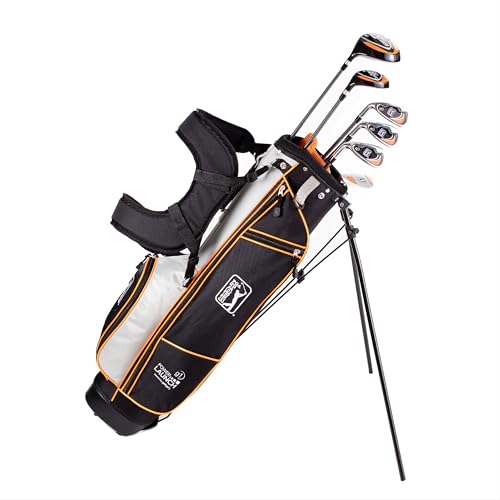
A good travel bag protects clubs and fits airline rules. Travel bags come in soft, hybrid, and hard-shell forms. Soft or padded travel covers are lighter and easier to store. Hard cases give the best protection but can add weight that triggers excess fees.
What to consider
- Weight: lighter travel bags help avoid overweight fees.
- Structure: a hard case protects better from rough handling.
- Wheels: durable wheels save your back in airports.
My experience
- I use a padded travel cover for weekend trips and a hard case for long flights with expensive clubs. Once, a soft cover saved me fees, but a hard case saved my driver on a rough international connection.
Pack and protect your clubs step by step
Pack clubs to minimize damage and avoid extra fees. Wrap club heads and secure loose items. Avoid packing valuables or fragile items in the golf bag.
Step-by-step packing
- Remove loose items and empty pockets of tees, balls, and snacks.
- Use headcovers on woods and put a towel or wrap between club heads.
- Secure shafts with a strap or foam sleeve so clubs do not rub.
- Place clothes or towels at the top and bottom to cushion impact.
- Lock the case if it has a TSA-approved lock.
Common-sense items to include
- Club headcovers
- A small tool kit for tightening club heads
- A tag with your contact info and a copy of your itinerary

Weights, dimensions, and avoiding fees
Most airlines allow golf bags as checked items but flag oversized or overweight charges. Typical weight limits are 50 lb per bag, but this varies. Measure your packed bag before you leave to avoid extra fees.
How to weigh and measure
- Use a bathroom scale or luggage scale and measure length by laying the bag flat.
- Redistribute items to keep weight under the carrier limit.
- If overweight, move soft items to a suitcase to spread cost.
Real example
– On a recent trip I kept my bag under 48 lb by removing extra towels and moving shoes to my main suitcase. That saved a $75 overweight fee.

At the airport: check-in, curbside, and security
Arrive early if you have a golf bag. Lines move slower when staff inspect oversized gear. Be prepared for extra screening at check-in and security.
Airport steps
- Arrive early, ideally 90 minutes for domestic and 2–3 hours for international flights.
- Tell the agent you’re checking a golf bag and show any required documentation.
- Expect gate checks on small planes and longer handling times for oversized bags.
Security and prohibited items
- Remove liquids and electronics if stored in the bag.
- Never pack items that security prohibits, like flammable aerosols or certain tools.

On the plane, layovers, and arrival handling
For short layovers expect transfers and baggage rechecks. For international travel, clubs often travel as checked luggage and go through customs with your other bags.
Handling tips
- Carry a photo of the bag contents on your phone in case of loss.
- If your bag is delayed, file a report immediately and keep receipts for replacements.
- Inspect clubs at the rental car lot or hotel and document any damage with photos.
My lesson
- I once had a bag delayed overnight. Filing a report at the airport and emailing the airline’s baggage team sped up return and gave me documented proof for a small reimbursement.
Insurance, tracking, and backup plans
Protecting yourself financially and practically matters. Insurance covers loss or damage. Tracking helps find delayed bags.
Options to consider
- Use travel insurance that covers sports equipment or add a rider for gear.
- Register your bag with a tracking device or smart luggage tag.
- Know how to file a claim and keep receipts for clubs and travel-related costs.
Why this helps
- Insurance can cover repair or replacement costs.
- Tracking reduces stress and shortens recovery time if luggage is misrouted.

Common mistakes and tips from experience
People often make simple but costly errors. Learn from mistakes so your clubs arrive safe.
Mistakes to avoid
- Waiting until the last minute to check airline rules.
- Overpacking the bag with non-golf items that add weight.
- Skipping a hard case on long, rough trips.
Practical tips
- Take photos of your clubs before you fly.
- Label your bag inside and out with contact information.
- Carry a few spare tees and a multi-tool in your carry-on.

Frequently Asked Questions of how to fly with a golf bag
What fees can I expect when I fly with a golf bag?
Airlines may charge a checked bag fee, an oversized item fee, or an overweight fee. Costs vary, so check the airline’s baggage policy before you travel.
Can I carry my golf bag into the cabin?
Most golf bags are too large for cabin storage and must be checked. Small carry-on golf bags may be allowed on few airlines if they meet size limits.
How should I pack club heads to avoid damage?
Use headcovers and wrap club heads with towels or foam. Secure clubs so they do not shift inside the bag during transit.
Is travel insurance worth it for golf clubs?
Yes, travel insurance or a sports equipment rider can cover damage, loss, or theft and is worth considering for high-value clubs. Review policy limits and exclusions carefully.
What if my golf bag is lost or damaged?
Report the issue immediately at baggage services and keep your boarding pass and bag tag. File a claim with the airline and provide photos and receipts for repairs or replacement.
Conclusion
Flying with a golf bag is simple when you plan ahead, pack smart, and pick the right case. Follow airline rules, protect your clubs, and use insurance or tracking for peace of mind. Try the checklist here on your next trip and see how much smoother travel goes when you prepare. If this guide helped, share your stories, subscribe for more travel tips, or leave a question below — I’d love to hear about your trips and lessons learned.