How To Organize Golf Bag Pockets: Pro Tips For Faster Play
Organize golf bag pockets by grouping gear, valuables, and supplies for fast, stress-free play.
I’ve spent years carrying bags and coaching golfers on course routines, so I know how small choices in how to organize golf bag pockets can save strokes and calm nerves. This guide breaks down clear, practical steps and pocket-by-pocket setups you can use today. You’ll learn simple systems, common mistakes to avoid, and real tips from on-course experience so your bag is ready for every round.
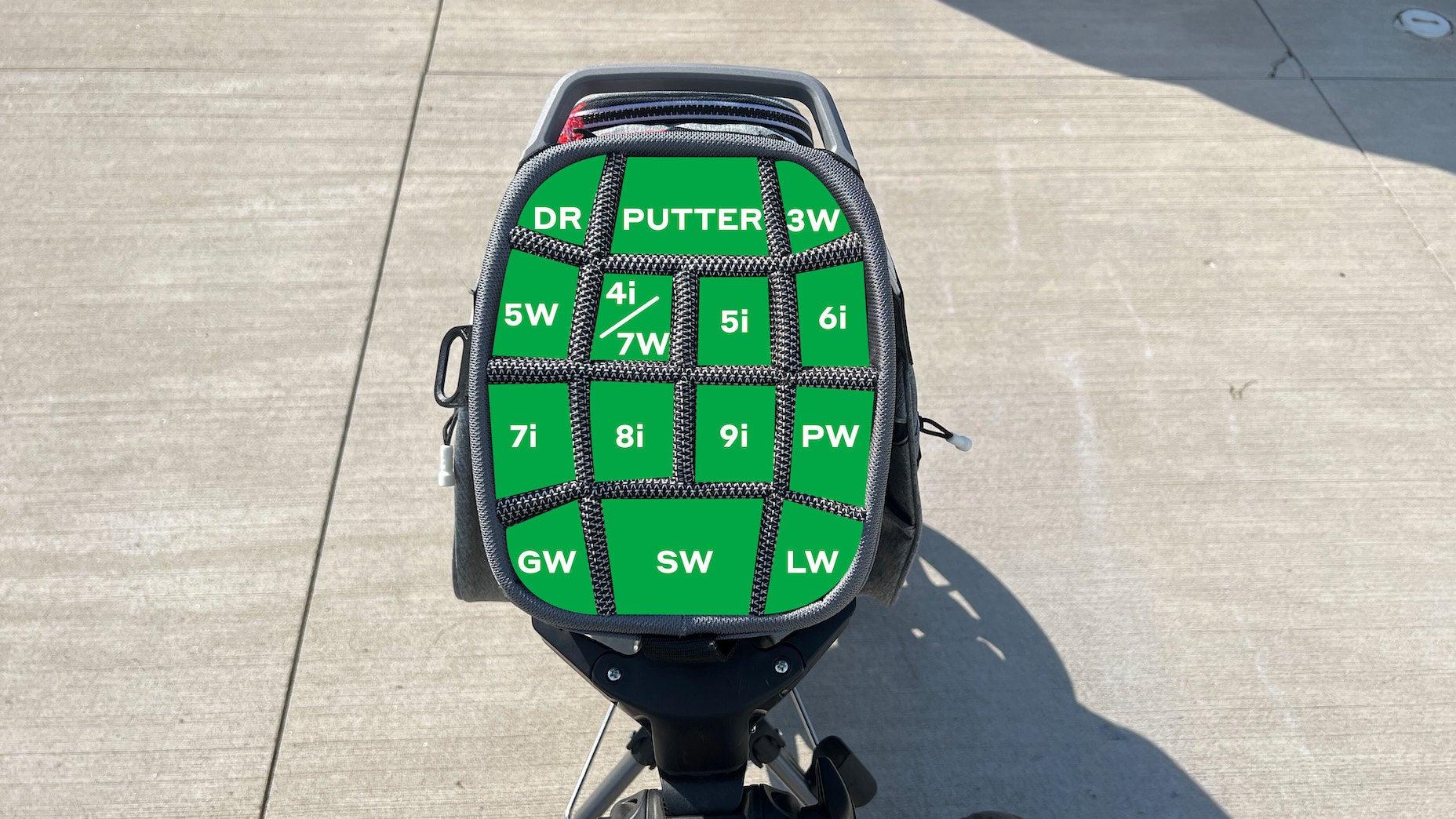
Why organizing golf bag pockets matters
A well-organized bag keeps you focused on play. When you know where tees, balls, and your rangefinder live, you spend less time hunting and more time hitting. How to organize golf bag pockets is as much about speed as it is about protecting gear.
Benefits of a tidy pocket layout:
- Faster pre-shot routine and fewer delays.
- Less wear and tear on electronics and valuables.
- Fewer lost items and less stress during the round.
- Easier packing for travel and practice.
From my experience, a simple, repeatable layout beats complicated systems. Stick to one setup and you’ll develop muscle memory that speeds play and reduces errors. Industry tips also recommend separating damp items from dry gear to avoid ruined gloves and apparel.

Quick pre-round pocket checklist
Use this checklist before you tee off to confirm your bag pockets are ready. It’s a fast habit for anyone learning how to organize golf bag pockets.
- Ball pocket: 6–12 balls, easily reached.
- Tee pocket: mix of heights and a few spares.
- Valuables pocket: wallet, phone, rangefinder secured.
- Apparel pocket: glove, rain hood, light jacket folded.
- Tools pocket: divot tool, ball marker, repair kit, multi-tool.
- Hydration/snack pocket: bottle, energy bar, electrolyte chew.
- Trash pocket: small plastic bag for wrappers and used tees.
Run this checklist during warm-up. A quick scan saves time and prevents mid-round scrambling.
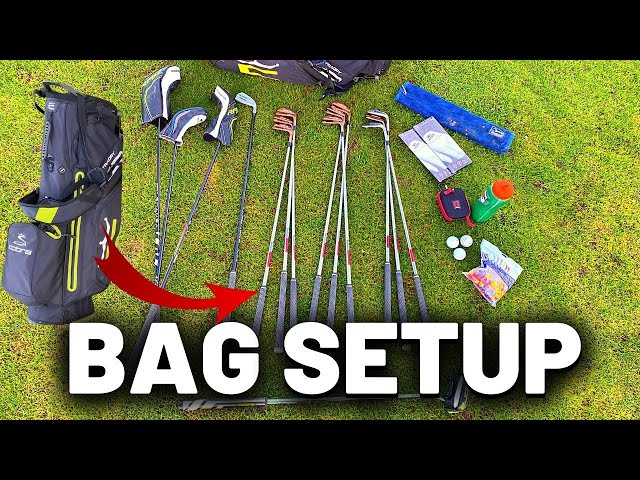
Step-by-step: how to organize golf bag pockets
Follow these simple steps to build a reliable pocket system that works every round.
- Empty and sort
- Take everything out of the bag.
- Group items by category: balls, tees, tools, apparel, valuables, snacks.
- Clean and dry pockets
- Wipe liners and unzip all compartments.
- Let damp items air out before putting them back.
- Assign pockets by use
- Place frequently used items in the most accessible pockets.
- Reserve top-facing or front pockets for balls and tees.
- Use small secure pockets for wallet and phone.
- Use small organizers
- Add zipped pouches, plastic bags, or elastic bands to keep small items together.
- Label pouches if you carry many extras.
- Test for balance
- Stand the bag and swing a few practice swings. Shift bulky items to maintain balance.
- Keep heavier items lower and toward the center of the bag.
- Lock the system
- After a round, return items to their pockets immediately.
- Replace consumables like balls and tees before your next round.
Practice this routine twice to build habit. Repeatability is the key to mastering how to organize golf bag pockets.

Quick questions (PAA-style)
Q: Where should I keep my rangefinder?
- Keep the rangefinder in a snug, padded pocket near the top or in a holster on the bag strap for quick access.
Q: How many balls should I carry?
- Carry 6–12 balls depending on course difficulty, conditions, and how often you lose balls.
Q: Should I carry spare shoes?
- Leave shoes in your car or locker; shoes are bulky and usually not needed in your bag unless walking in mixed footwear.

Pocket-by-pocket guide
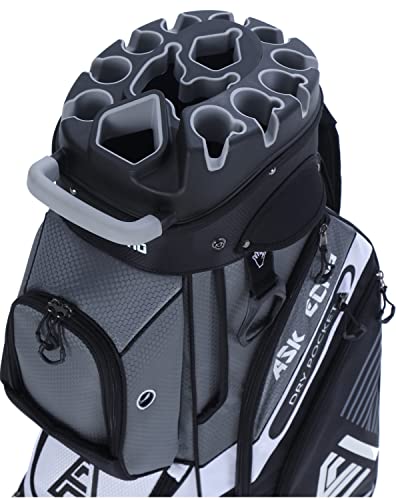
This section breaks down common pockets and the best items to store in each. This helps every golfer understand how to organize golf bag pockets on a practical level.
H3 Front/top pocket (most accessible)
- Store balls, a small towel, and a few tees.
- This pocket should allow one-handed access for quick shots.
H3 Valuables pocket (zippered, padded)
- Store phone, wallet, keys, and rangefinder.
- Use a small soft pouch to prevent scratches.
H3 Apparel pocket (large compartment)
- Keep gloves, rain jacket, and sun sleeves here.
- Fold items neatly so they don’t crush other pockets.
H3 Cooler/water pocket
- Place bottles and snacks here.
- Use insulated holders to protect other pockets from condensation.
H3 Utility/tool pocket (small)
- Keep divot tool, ball marker, multi-tool, repair kit, and hand sanitizer.
- Use elastic loops or a small pouch to avoid loose items rattling.
H3 Misc/overflow pocket
- Reserve for scorecard, pencils, spare gloves, or rangefinder batteries.
- Avoid using this pocket for frequently used items to keep it organized.
I once used the shock of losing a favorite glove to disorganization. After that round, I moved gloves to a dedicated spot and labeled the pocket. That small habit stopped the problem for good. When you decide how to organize golf bag pockets, think about your routine and place items where you naturally reach.
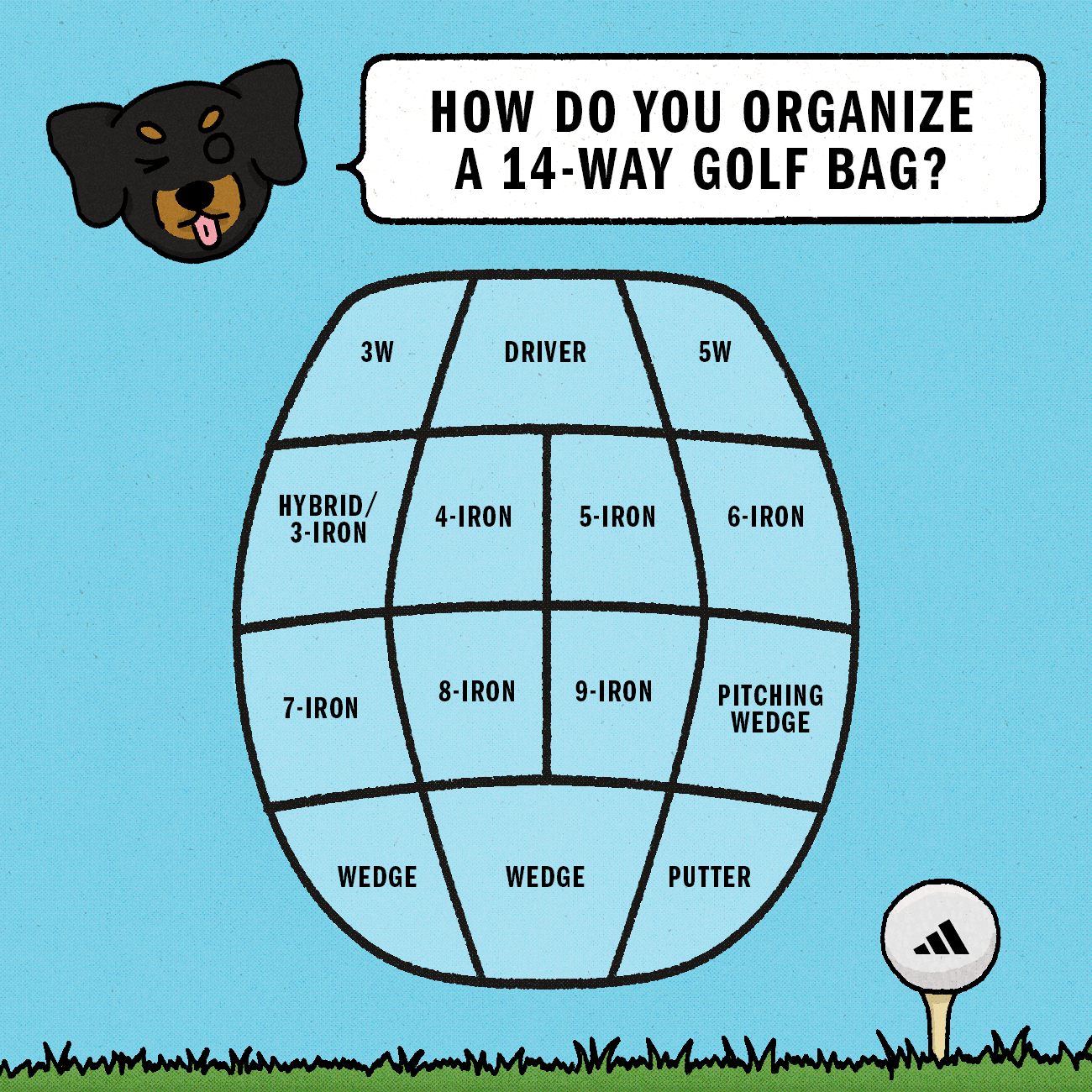
Essential items and storage tips
These tools and habits simplify how to organize golf bag pockets and keep everything working well.
- Use clear zip pouches for small items so you can see contents.
- Add elastic bands or Velcro strips to stop items from shifting.
- Carry spare batteries in a sealed bag to prevent corrosion.
- Use waterproof pouches for electronics on wet days.
- Pack a lightweight towel and a small plastic bag for wet or dirty items.
- Keep a small first-aid and blister kit in a hidden pocket.
- Rotate consumables like gloves and tees to prevent mold and wear.
From personal trials, the best investment is a few small pouches. They cost little but make a big difference in how to organize golf bag pockets.
Common mistakes and how to avoid them
Avoid these traps when you learn how to organize golf bag pockets.
- Overstuffing pockets: This makes items hard to find and shifts weight unpredictably.
- Mixing wet and dry items: Damp gloves or towels ruin apparel and electronics.
- No system for valuables: Loose phones and wallets are easy to misplace.
- Constant rearranging: Frequent changes prevent routine and slow you down.
- Ignoring balance: Heavy top pockets make the bag top-heavy and awkward to carry.
Fixes are simple. Keep a checklist, use pouches, and return items to their homes after each round. That habit alone will vastly improve how to organize golf bag pockets.
Frequently Asked Questions of how to organize golf bag pockets
How should I arrange balls and tees for quick access?
Place balls in the easiest-to-reach pocket near the top. Keep tees in a small pouch in the same pocket for one-handed access.
Where is the best pocket for my phone and wallet?
Use a padded, zippered valuables pocket near the top or back. This keeps electronics safe and within reach.
How do I protect my rangefinder and other electronics?
Put electronics in padded or waterproof pouches. Keep them away from damp towels and bottles to prevent moisture damage.
What’s the best way to carry snacks and drinks?
Use an insulated pocket or bottle sleeve. Store snacks in sealed bags to avoid crumbs and spills inside pockets.
How often should I reorganize my golf bag pockets?
Review your setup every 2–3 rounds or after a long trip. Small tweaks are fine, but keep the main layout consistent to build habit.
Can organizing pockets reduce lost shots or delays?
Yes. A consistent pocket layout speeds your routine and reduces time spent searching, which can help keep focus and pace of play.
Are there tools that make pocket organization easier?
Yes. Clear pouches, elastic loops, and small zip organizers help keep items grouped and visible, which simplifies how to organize golf bag pockets.
Conclusion
A smart pocket plan saves time, protects gear, and keeps your focus on the shot. Use the step-by-step system, pocket-by-pocket layout, and quick checklist to build a routine that fits your game. Start by emptying your bag, assigning a spot for each item, and testing the balance. Small habits now will pay off in smoother rounds later. Try this setup on your next round, tweak it to fit your needs, and share what works—leave a comment or subscribe for more practical golf tips.