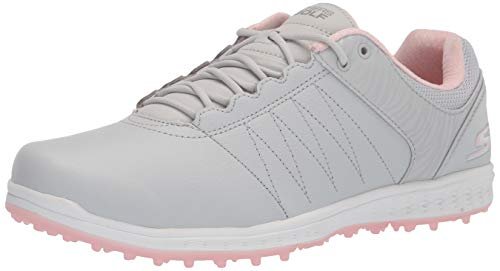
What To Wear If You Don’t Have Golf Shoes: Smart Options
Golf shoes are helpful, but they are not always required. If you arrive at the course without them, you can often play in clean athletic shoes with a flat, stable sole and good grip. The right choice depends on the course, weather, walking distance, and local dress code.
The goal is simple: keep your feet stable during the golf swing without damaging the turf. Good footwear supports your stance, posture, balance, and tempo. Poor footwear can make you slip, twist an ankle, or lose confidence before you even reach the first tee.
Whether you are a beginner playing an executive course, an improving amateur walking 18 holes, a junior at a family scramble, or a senior golfer managing balance and foot comfort, you have practical options. This guide explains what to wear if you do not have golf shoes, what to avoid, and how to check the rules before you play.

Quick answer: wear clean athletic shoes with a stable, grippy sole
The best substitute for golf shoes is a clean pair of athletic shoes with a low, stable sole and enough traction for grass. Running shoes can work in dry conditions, but court shoes, trail shoes, or walking shoes may offer better side-to-side support. Avoid smooth soles, loose shoes, heavy boots, flip-flops, and anything that may damage the green.

A good non-golf shoe should help you do four things:
- Keep your feet planted during the backswing and downswing.
- Let your feet turn naturally through impact.
- Protect your feet during a long walk.
- Avoid marking or harming the course.
Your shoes do not need to look like golf shoes to meet these needs. They need to fit well, stay secure, and match the course conditions.
A beginner playing nine holes may notice little difference on a dry day. An advanced player with a fast swing, wide stance, or strong weight shift may need more support. A golfer with a high handicap may gain more from comfort and balance than from extra traction.
Why footwear matters in the golf swing
Footwear affects the connection between your body and the ground. That connection supports your grip, stance, posture, rotation, and balance. If your feet slide, your swing can lose speed and control.

The golf swing starts from the ground up. Your feet press into the turf. Your legs respond. Your hips and torso rotate. Your arms and club follow. This chain works best when your feet feel stable but not locked in place.
Stability helps your stance and posture
Your stance is the way you place your feet around the ball. Your posture is the tilt and bend of your body at address. Both can change when your shoes feel loose or unstable.
If your shoes slide outward, your knees may move too much. If your feet feel stuck, you may restrict your hip turn. Neither result helps a smooth swing.
A stable shoe can help you maintain a balanced stance. It cannot fix poor posture, a weak grip, or a poor swing path. It is one part of a larger setup.

Traction supports the backswing and downswing
During the backswing, many golfers shift pressure toward the inside of the trail foot. During the downswing, pressure moves toward the lead side. The exact motion differs by player, but the feet must manage changing forces.
A smooth swing uses pressure, not a violent jump. If the sole slips, you may lose your swing center. If the sole grips too hard on a firm surface, your knee or ankle may face extra stress.
This is why moderate traction is often better than an aggressive, sticky sole for casual play.
Comfort matters during a walking round
An 18-hole round can involve several miles of walking. Your feet may also face hills, wet grass, hard paths, sand, and uneven rough. A shoe that feels fine for ten minutes may feel poor after four hours.
Foot comfort suits every golfer, but it matters most for:
- Seniors managing balance or joint stiffness.
- Beginners who are not used to walking the course.
- Junior golfers whose feet are still growing.
- Players with past foot, ankle, knee, or back issues.
- Golfers on hilly courses or links-style layouts.
⚠️ Safety Warning: Stop playing if footwear causes sharp foot pain, ankle pain, knee pain, or back pain. Do not try to swing through pain. Persistent pain needs medical advice, while a PGA professional can help with swing changes that cause strain.
The best non-golf shoes for different golf conditions
The best alternative depends on the ground under your feet. Dry turf gives you more choices. Wet slopes, soft fairways, and steep rough demand more traction and support.

| Shoe type | Best use | Main limit |
|---|---|---|
| Court shoes | Dry courses and firm turf | May collect grass or dirt |
| Walking shoes | Long walking rounds | Some have soft side support |
| Trail shoes | Hilly or uneven courses | Deep tread may mark soft turf |
| Running shoes | Dry, flat courses | Designed for forward motion |
| Casual sneakers | Short, easy rounds | Often lack grip and support |
| Hiking boots | Rough terrain only | Heavy and may harm turf |
Court shoes often provide a balanced mix of grip and side support. They are designed for quick lateral movement, which can suit golf better than a very soft running shoe.
Walking shoes can work well for golfers who value comfort. Check that the sole is not smooth and that the upper holds your foot firmly. A loose heel can affect balance during the swing.
Trail shoes may help on steep or wet ground. However, very deep lugs can dig into soft turf. They may also feel too stiff for a natural golf stance.
Running shoes are common among beginners because many people already own them. They can work on a dry day, especially on a flat executive course. Their main weakness is side-to-side stability.
A simple condition guide
| Course condition | Suitable footwear feature | What to avoid |
|---|---|---|
| Dry fairway | Light tread and firm base | Smooth leather soles |
| Wet grass | Deeper, even tread | Loose shoes |
| Soft ground | Moderate traction | Sharp or damaging lugs |
| Steep rough | Ankle and side support | Thin, flexible soles |
| Hard cart paths | Cushion and secure fit | Heavy boots |
| Sand areas | Closed upper and firm fit | Open sandals |
The course itself matters as much as the shoe. A flat municipal course may be easy in sneakers. A damp links course with firm slopes may demand more grip. A narrow, hilly course can challenge your ankles even when the fairway is dry.
Takeaway: match the sole to the ground, not to fashion. More tread is not always better.

What works for men, women, juniors, and seniors
Footwear needs do not change because of gender. They change because of foot shape, balance, strength, swing speed, walking distance, and course conditions.
Women golfers may need a secure heel and enough room in the toe box. Men may need the same features. Neither group needs a special rule for non-golf shoes.
Junior golfers need a snug but comfortable fit. Shoes that are too large can make a junior lose balance during the swing. Parents should also check that the shoes suit the child’s walking ability and the course terrain.
Senior golfers may benefit from a stable base, good cushioning, and easy movement. A very flat, thin sole may feel harsh on hard paths. A very soft shoe may reduce balance on slopes.
These tips also apply to left-handed and right-handed players. The lead and trail feet switch roles, but both feet need support.
How to check if your shoes are suitable
You can test most shoes before you leave for the course. The test takes only a few minutes and can prevent a poor round.

Use the four-part shoe test
- Check the fit. Your heel should stay in place when you walk. Your toes should have room to move, but your foot should not slide inside the shoe.
- Check the sole. Look for visible tread and a stable base. Avoid soles that are completely smooth.
- Check side support. Move from side to side. Your foot should not roll far over the edge of the sole.
- Check the walking feel. Walk on grass, pavement, and a small slope if possible. Notice any rubbing or pressure.
Do not test the shoe with a full swing near people or property. A few slow practice movements are enough.
Test your balance and weight shift
Stand in a golf posture with your feet about shoulder width apart. Make a slow backswing, then a slow follow-through. Keep the motion at half speed.
Your feet should stay planted without feeling trapped. You should be able to rotate your hips and finish with your chest facing the target. If you slide, grip the ground with your toes, or feel your ankle roll, choose another pair.
| Test | Good sign | Warning sign |
|---|---|---|
| Walk test | Heel stays secure | Foot slides inside |
| Side-step test | Shoe stays level | Ankle rolls outward |
| Half-swing test | Balance stays centered | Feet skid |
| Finish test | Lead foot feels stable | Knee or ankle twists |
| Grass test | Sole grips lightly | Tread tears turf |
This test suits beginners because it is simple. It also helps experienced golfers who are playing in unfamiliar weather or on a new course.
💡 Pro Tip: Practice your half-swing test on grass, not only indoors. A sole that feels stable on a hard floor may behave differently on wet turf.

What to wear with your substitute shoes
Shoes are only part of a safe and comfortable golf outfit. Your socks, pants, shorts, and outer layer also affect movement and foot comfort.

Choose socks that stay up and reduce rubbing. Thin socks may feel cool, but they can create pressure in a tight shoe. Very thick socks can make a good shoe feel too small.
Wear clothing that lets your hips and shoulders turn. Tight pants can restrict the backswing. Long, loose pants can catch on branches or cart parts. Shorts should allow you to walk, bend, and read a putt without constant adjustment.
On wet days, keep your feet dry when possible. Wet socks can lead to blisters and a loss of comfort. Carrying a dry pair of socks can help during a long walk, but it does not replace safe shoes.
| Clothing choice | Why it helps | Best suited to |
|---|---|---|
| Secure athletic socks | Reduce rubbing | Walkers and juniors |
| Flexible pants or shorts | Allow rotation | All swing levels |
| Light rain layer | Limits wet clothing | Wet or windy rounds |
| Sun-safe clothing | Reduces heat and sun exposure | Hot days |
| Warm base layer | Helps comfort and movement | Cold mornings |
A clean appearance also shows respect for the course. Many clubs have dress rules for shirts, shorts, hats, and shoes. Check before you arrive.
What not to wear if you do not have golf shoes
Some shoes are poor choices even when they look comfortable. The biggest problems are a smooth sole, an unstable upper, or a design that does not suit grass.

Avoid these choices when possible:
- Flip-flops or loose sandals.
- Dress shoes with smooth soles.
- High heels or raised heels.
- Heavy work boots.
- Shoes with worn-out tread.
- Socks without shoes.
- Very loose casual sneakers.
- Cleated shoes made for another sport when local rules restrict them.
- Shoes with sharp metal parts that may harm putting greens.
Why smooth soles are risky
Smooth soles may slide during the downswing. This is more likely on wet grass, slopes, or soft turf. A slide can change the swing path and create a fall risk.
A beginner may simply lose balance. A player with a fast swing may create more force and move farther before recovering. Seniors and golfers with limited mobility should take extra care on slopes.
Why heavy boots are not always better
Heavy boots can feel secure, but they may restrict ankle movement. They can also tire your legs during a walking round. Some work boots have hard edges that can mark soft turf.
A boot may suit a cold, muddy course only if the club permits it and the boot allows a natural golf stance. It is not a universal solution.
Why running shoes can be a mixed choice
Running shoes are built for forward motion. Golf includes rotation and side-to-side force. A running shoe may suit a dry, flat course and a smooth-tempo player. It may not suit a powerful player on wet slopes.
| Footwear problem | Likely effect | Better response |
|---|---|---|
| Smooth sole | Slipping | Use visible tread |
| Loose heel | Poor balance | Secure the heel |
| Soft side wall | Foot rolls | Use firmer support |
| Heavy boot | Fatigue | Choose lighter footwear |
| Deep sharp tread | Turf damage | Use moderate tread |
| Wet inner lining | Blisters | Keep feet dry |
The right response is not always “more grip.” You need a balance of traction, movement, comfort, and course care.
Rules, dress codes, and course etiquette
The Rules of Golf generally focus on how you play the ball and the course. They do not usually require standard golf shoes for ordinary play. However, a club, tournament committee, or course may set its own dress code.

Always check the local policy before a formal event. This matters for stroke play, match play, junior events, charity scrambles, and club competitions. A scramble is a team format in which players usually choose the best shot and continue from that spot, but the event may still have its own clothing rules.
The committee may also restrict certain footwear if it could damage greens or create a safety issue. Local rules and facility policies can change. Check the latest Rules of Golf and your local committee for updates.
Course care matters
Footwear can affect turf, especially on greens and wet areas. Walk carefully and avoid dragging your feet. Do not take unnecessary steps across a putting surface.
Repair ball marks, replace divots when asked, and rake bunkers after a bunker shot. Keep carts away from restricted areas. Dispose of litter, broken tees, and old balls properly.
🌿 Course Care Note: If your shoes leave deep marks or your tread pulls up grass, stop using them on that course. Protecting the turf helps every golfer, from a beginner learning chipping to a low-handicap player reading a fast green.

Dress-code questions to ask before playing
Call or check the course’s official information for answers to these questions:
- Are athletic shoes allowed?
- Are sandals allowed?
- Are metal spikes restricted?
- Are trail shoes acceptable?
- Does the event have a special dress code?
- Are there rules for the practice green?
- Can you wear the same shoes in the clubhouse?
- Are junior golfers held to the same clothing standard?
Do not assume that a public course has no dress code. Do not assume that a private club follows the same policy as another private club.
Walking, riding, and course type
Your choice changes if you walk or ride. Walking places more demand on comfort and grip. Riding places more demand on secure footing when entering and leaving the cart.

If you walk, focus on:
- A comfortable fit over several hours.
- Socks that reduce rubbing.
- A sole that handles grass and paths.
- Support on hills.
- Protection from wet ground.
If you ride, focus on:
- A secure heel.
- A sole that stays stable on the cart step.
- Safe movement on slopes.
- Shoes that do not catch on the cart.
Do not stand on a moving cart. Keep arms and legs inside. Slow down near turns, steep slopes, and wet paths.
Course type changes the footwear demand
| Course type | Main footwear demand | Why |
|---|---|---|
| Executive course | Comfort and light grip | Shorter round and less walking |
| Flat parkland course | Balanced support | Mixed grass and paths |
| Hilly course | Side support and traction | Slopes stress balance |
| Links course | Secure footing in wind | Firm, uneven ground |
| Wet woodland course | Water resistance and grip | Mud and roots |
| Practice range | Comfort and stable stance | Repeated swings |
An executive course has shorter holes and may suit beginners or golfers with limited time. A links course often has wind, firm turf, slopes, and rough. A driving range may allow more footwear choices, but repeated swings still place stress on your feet and joints.
A course superintendent may protect wet areas with cart restrictions or temporary ground rules. Respect those limits.
Footwear and swing skill level
A shoe choice should fit your skill, speed, and swing pattern. It should not be based only on appearance.

For beginners and high-handicap golfers
New golfers often make larger balance errors. They may sway in the backswing, lose posture, or finish with weight on the back foot. Stable athletic shoes can help them feel the ground.
A beginner does not need to chase perfect traction. Start with a secure fit and moderate tread. Spend more attention on a balanced setup, relaxed grip, and smooth tempo.
A good beginner test is a half swing with a short iron. If your feet stay planted and your finish is comfortable, the shoes may suit a dry practice session.
For improving amateurs
Improving players often create more clubhead speed. They may also use a wider stance and stronger ground force. This makes side support more important.
If you are working on a swing change, change only one variable at a time. Do not switch shoes, grip, stance, ball position, and backswing all at once. You need clear feedback.
Track whether the shoes affect contact, balance, or confidence. Do not blame every poor shot on footwear. A push, pull, slice, or hook usually has swing causes that a shoe cannot correct.
For advanced golfers
Advanced golfers may notice small changes in pressure and rotation. A substitute shoe can work if it gives a repeatable feel. Still, wet slopes and high-speed swings demand caution.
Players with fast swing speed should use a controlled motion when testing unfamiliar shoes. Start with wedges, then short irons, and only later use the driver. A full driver swing creates more force than a chip or pitch.
| Golfer | Main need | Limitation to note |
|---|---|---|
| Beginner | Balance and comfort | May overfocus on gear |
| Improving amateur | Repeatable pressure | Swing changes can confuse feedback |
| Advanced player | Stable rotation | Fast swings expose poor grip |
| Senior golfer | Support and ease | Hard soles may increase fatigue |
| Junior golfer | Secure fit | Oversized shoes reduce balance |
The shoe is a foundation, not a shortcut. It can support good movement, but it cannot replace practice, golf fitness, or a lesson.
A short warm-up before playing in unfamiliar shoes
A warm-up helps you learn how your feet respond before the first tee. It also prepares your hips, ankles, back, and shoulders.

Use this short routine:
- Walk for five minutes at an easy pace.
- Make gentle ankle circles in both directions.
- Perform slow calf raises while holding a safe support.
- Make ten easy body turns with your arms across your chest.
- Hit a few short chip shots.
- Hit half swings with a wedge or short iron.
- Finish with several smooth swings at normal speed.
Keep the swing area clear. Stand behind the safety line at the range and wait for the proper signal before moving forward.
This routine suits all skill levels. It is especially useful for seniors, juniors, cold-weather golfers, and players who have not played for several weeks.
⚠️ Safety Warning: Leave the course at the first warning of lightning. Do not shelter under a tree. In heat, drink water, use sun protection, and take breaks before you feel weak.
Common mistakes when choosing non-golf footwear
Most problems come from simple errors. Fixing them starts with knowing what to look for.
Mistake 1: Choosing appearance over grip
A clean casual shoe may look fine but slide on grass. Test the sole before play.
Mistake 2: Wearing shoes that are too loose
Loose shoes allow your foot to move inside the shoe. This can create blisters and poor balance.
Mistake 3: Using worn-out tread
Old shoes may look acceptable from above. Turn them over and inspect the sole. Smooth areas can become unsafe on wet turf.
Mistake 4: Wearing a shoe that is too soft
Soft cushioning can feel comfortable on pavement but unstable during rotation. This is common with some running shoes.
Mistake 5: Ignoring weather
Dry-weather shoes may fail in rain. Wet conditions change traction, footing, and walking speed.
Mistake 6: Forgetting local policy
A shoe can be safe but still fail a club or tournament dress code. Check first.
Mistake 7: Changing too many things at once
If your swing feels different, do not immediately change your grip, stance, posture, ball position, and shoes. Use a slow test and record what you feel.
| Common mistake | Why it hurts | Simple check |
|---|---|---|
| Smooth sole | Slips on grass | Inspect tread |
| Loose fit | Foot moves inside | Walk and half swing |
| Wrong weather choice | Grip changes | Check forecast and turf |
| Too much tread | May harm turf | Look for moderate pattern |
| No warm-up | Body feels stiff | Start with short shots |
| Ignored dress code | Entry problem | Check course policy |
A PGA professional can help if footwear changes seem to reveal a balance or swing issue. If you have repeated pain, seek medical advice before returning to full swings.
Footwear choices for common shots and practice
You do not need different shoes for every shot. However, some practice areas expose footwear weaknesses more than others.
Chipping and pitching
Chipping uses a small motion, so a stable athletic shoe often works well. Stand with a narrow stance and make a controlled motion. Avoid shoes that slide when your weight moves toward the lead foot.
Pitching uses more wrist hinge, backswing, and body rotation. Test your balance before using a longer motion.
Bunker shots
Sand can enter open shoes. It can also reduce traction. Use a closed shoe with a secure fit if you plan to hit bunker shots.
Do not drag your feet outside the bunker. Enter and leave from the correct area, then rake the sand.
Putting and green reading
Putting uses less body rotation, but balance still matters. Walk carefully on the green and avoid damaging the surface.
When reading a green, stand still and keep your steps light. Do not press a hard tread into the putting surface.
Driving range practice
Repeated swings reveal problems quickly. Start with wedges and short irons. If your lead foot slides during impact, stop and reassess before hitting a driver.
| Practice area | Footwear demand | Useful approach |
|---|---|---|
| Chipping green | Light stability | Use a narrow stance |
| Pitching area | Secure rotation | Start with half swings |
| Bunker | Closed, firm fit | Enter and rake carefully |
| Putting green | Soft footwork | Avoid dragging feet |
| Driving range | Repeatable support | Progress from wedges |
These practice tips suit beginners and experienced players. They also help parents supervise junior golfers without focusing only on club distance.
How long can you play in substitute shoes?
There is no fixed time limit. A pair may suit a short nine-hole round but fail during a full 18-hole walk. Weather, terrain, fit, and your physical condition all matter.
For a first test, choose a short round or practice session. A beginner may start with an executive course. An older golfer or player returning from injury may choose a cart and nine holes.
Notice your feet after the first few holes. Watch for hot spots, numbness, slipping, and ankle fatigue. Do not wait until a blister becomes severe.
| Round plan | What to watch | Who it suits |
|---|---|---|
| Range session | Sliding during swings | All golfers |
| Nine holes | Comfort and grip | Beginners |
| Executive course | Walking fatigue | New and senior golfers |
| Full 18 holes | Blisters and balance | Experienced walkers |
| Wet round | Tread and footing | Prepared players |
How long it takes to adjust depends on your body and the shoe. Some golfers feel comfortable at once. Others need several short sessions. Do not promise yourself that discomfort will fade during the round.
FAQs
Q: Can I play golf in regular sneakers?
A: Yes, regular sneakers can work on a dry course if they fit securely and have visible tread. They are less suitable on wet grass, steep slopes, or soft turf. Check the course dress code first.
Q: Are running shoes good for golf?
A: Running shoes can suit a dry, flat course and a golfer with a smooth tempo. They may lack side support during the golf swing. Test them with slow half swings before playing.
Q: Can I wear tennis or court shoes for golf?
A: Court shoes can be a practical choice because they often support side-to-side movement. Make sure the sole does not damage soft turf and that the course allows them.
Q: Can I wear trail shoes on a golf course?
A: Trail shoes may help on hilly or uneven ground. Deep tread can mark soft turf, so use care. The club or course may also have a policy about non-golf shoes.
Q: Can I wear hiking boots while playing golf?
A: Light hiking boots may work in rough, wet terrain if they allow natural movement. Heavy boots can cause fatigue and restrict ankle rotation. They may also damage turf.
Q: Are golf shoes required by the Rules of Golf?
A: Standard golf shoes are not normally required by the Rules alone. A club, tournament committee, or local policy may set footwear rules. Check the latest Rules of Golf and local requirements.
Q: Can I wear sandals to play golf?
A: Sandals are usually a poor choice because they offer little protection, support, or grip. Loose straps can also create a trip risk. Closed athletic shoes are safer for most rounds.
Q: What should a woman wear if she does not have golf shoes?
A: A secure pair of athletic or court shoes can work. Focus on fit, traction, and comfort rather than gender. The same basic test applies to every golfer.
Q: What should a senior golfer wear instead of golf shoes?
A: A senior golfer may prefer a stable shoe with a secure heel, moderate grip, and enough cushioning for walking. Avoid smooth soles and shoes that feel unstable on slopes. A cart may reduce walking fatigue but does not remove the need for safe footing.
Q: What should a junior golfer wear if the family has no golf shoes?
A: Junior golfers can often wear clean athletic shoes with a secure fit. Do not use oversized shoes so a child can “grow into” them. Poor fit can affect balance and safety.
Q: Can I wear soccer cleats or baseball cleats for golf?
A: Do not assume they are acceptable. Some cleats may damage turf or conflict with a club policy. Ask the course before using them, especially for a tournament.
Q: Can shoes affect a slice or hook?
A: Shoes can affect balance and ground contact, but they rarely cause a slice or hook by themselves. A slice often involves an open clubface and an outside-to-inside path. A hook often involves a closed face or an inside-to-out path. A PGA professional can assess the swing.
Q: Should I wear socks with athletic shoes for golf?
A: Yes. Socks can reduce rubbing and help manage moisture. Choose a pair that stays in place and does not create pressure inside the shoe.
Q: Can I play barefoot?
A: Bare feet lack protection from heat, sharp objects, insects, and uneven ground. They also provide poor protection during a full swing. Courses may prohibit barefoot play.
Q: What if my feet slip during the round?
A: Slow down and stop making full swings. Move to a safer area, check the soles, and consider ending the round if the footing remains poor. Do not risk a fall or joint injury.
Q: Can I wear non-golf shoes in a golf scramble?
A: Often, yes, but the event may have its own dress code. Ask the organizer or course. A fun format does not remove safety or turf-care rules.
Q: Do left-handed golfers need different shoes?
A: No. Left-handed and right-handed golfers need the same basic features. Both feet must support balance, rotation, and a stable finish.
Q: How hard is it to learn golf without golf shoes?
A: The basic swing can be learned in suitable athletic shoes. Focus on grip, stance, posture, alignment, tempo, and contact. Footwear becomes more important as conditions become wetter, terrain becomes steeper, or swing speed increases.
Q: What is a good shoe choice for a driving range?
A: Use clean athletic shoes with a stable base and moderate tread. Begin with short swings and check for slipping before hitting longer clubs. Keep the practice area clear and follow range safety rules.
Q: Should I take a lesson if I keep losing balance?
A: Yes, a PGA professional can review your stance, posture, pressure shift, and swing tempo. Persistent pain needs a doctor, while recurring balance faults may need both medical and golf instruction.
Final thoughts
If you do not have golf shoes, choose clean athletic shoes that fit securely, provide moderate traction, and allow your feet to rotate. Court shoes, walking shoes, and some trail shoes can work better than smooth casual sneakers. Running shoes may be fine on dry, flat ground, but they need a careful test.
Match the footwear to the course, weather, walking plan, and your own balance. Beginners should favor comfort and stability. Improving players should watch how the sole affects pressure and rotation. Seniors and juniors should place extra value on secure fit and safe movement.
Check the dress code before you play. Warm up, protect yourself from heat and lightning, care for the turf, and stop if pain or slipping develops. Good footwear supports the game, but sound setup, steady tempo, course management, and safe decisions remain the true foundation of golf.