How Wide Is A Golf Ball: Exact Size And Standards
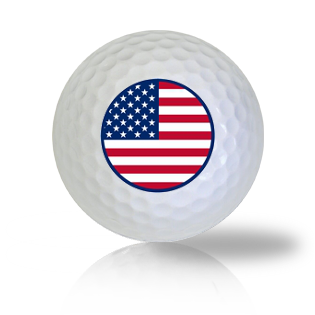
A golf ball is 1.68 inches (42.67 mm) in diameter for standard play.
As an equipment nerd and former club fitter, I’ll explain exactly how wide is a golf ball, why that measurement matters, and how rules and real-world testing shape what you find in your bag. Expect clear, practical advice, easy measurement tips, and the small details that affect flight, feel, and legality.

Standard width (diameter) of a golf ball
The official minimum diameter for a golf ball used in competition is 1.68 inches, or 42.67 millimeters. This is the size set by the rules used worldwide, and most modern golf balls meet that standard exactly.
If you ask how wide is a golf ball in casual terms, the simple answer is about 1.68 inches across. Some older or novelty balls can be smaller or larger, but those are not legal for sanctioned play.
Manufacturers aim for tight tolerances so that every ball meets the rule and performs predictably. For casual play, size rarely varies enough to change how the ball feels in the short game, but for competition the exact diameter matters.

Why size matters: aerodynamics, spin, and rules
The diameter affects surface area, which influences drag and lift. A change in width changes how air flows over dimples, and that affects carry distance and stability.
Rules rely on a strict diameter to keep equipment fair across players. If you wonder how wide is a golf ball relative to performance, smaller or larger balls would behave differently and could offer unfair advantages.
Practically, size ties into feel and clubface contact. A consistent diameter means consistent contact area and predictable launch, which helps fitting and repeatability.

Measuring a golf ball: tools, steps, and tips
Tools you can use:
- Calipers: Provide quick, accurate diameter readings to 0.01 inch or 0.1 mm.
- Micrometer: Higher precision for lab or serious fitting work.
- Tape measure: Useable only for circumference checks; less precise for diameter.
How to measure:
- Place the ball between caliper jaws and read the diameter across the equator.
- For circumference, wrap a flexible tape around the widest part and divide by pi to estimate diameter.
- Measure at room temperature; extreme cold or heat can slightly change dimensions.
If you’re checking how wide is a golf ball at home, a basic digital caliper will give a reliable reading in seconds. Always measure more than one ball if you’re testing a batch.

Variations and manufacturing tolerances
Balls are produced with strict quality control, but tiny variations exist. Typical tolerance ranges are within a few hundredths of an inch, which is imperceptible on the course but important for rules compliance.
Multi-layer constructions and cover materials don’t change the nominal diameter, but they influence perceived size by feel and sound at impact. Coatings and paint layers add minuscule thickness as well.
If you wonder whether how wide is a golf ball varies by brand, the short truth is that all major brands aim to meet the same diameter rules, though feel and compression differ.
Common misconceptions about ball width
Misconception 1: Bigger balls always travel farther. Size alone does not guarantee distance; aerodynamics and compression play larger roles.
Misconception 2: Diameter equals weight. Diameter and weight are independent. Weight limits exist separately in the rules.
Misconception 3: Measuring circumference is easier than diameter. Circumference can be measured, but converting to diameter adds an extra step and can introduce error.
If you’re curious how wide is a golf ball compared to other sports balls, it’s much smaller than a tennis ball and larger than a marble, landing in a tight, regulated niche.
Practical impact for golfers: choosing balls, club fitting, and storage
When you pick a ball, focus on performance traits first — spin, feel, and compression — but know that diameter consistency underpins those traits. Club fitters assume a standard diameter when matching loft, shaft, and spin to your swing.
Storage matters. Extreme heat in a car trunk won’t significantly change diameter, but long-term exposure to chemicals or damage can warp a ball. Avoid soaking balls or leaving them near solvents.
If you’re testing how wide is a golf ball across brands for fitting, measure several samples and note any outliers. I once found a boxed set with a slight paint bulge that altered spin readings; swapping it fixed the data.

Personal experience and practical tips
I’ve measured hundreds of balls in fitting sessions. Most read 1.68 inches to two decimal places. When a ball measured off, I checked paint, seam, and temperature first.
Simple tips I use:
- Use digital calipers for quick checks before tournaments.
- Measure multiple balls to spot production issues.
- Keep a small log if you test new models — record diameter, feel, and flight.
From experience, small diameter variances rarely affect casual play. But in tight club-fitting or competition setups, knowing exactly how wide is a golf ball can prevent surprises.

Frequently Asked Questions of how wide is a golf ball
What is the exact standard diameter of a golf ball?
The official minimum diameter is 1.68 inches (42.67 mm). Balls used in most tournaments must meet this standard.
Can a golf ball be smaller or larger than 1.68 inches?
Non-conforming balls can be made, but they are not legal for sanctioned play. Recreational balls may vary, but competitive rules require the standard size.
How do I measure the diameter of a golf ball at home?
Use digital calipers and measure across the widest part (equator). Alternatively, measure circumference with a flexible tape and divide by pi for an estimate.
Does diameter affect ball distance?
Diameter alone has limited effect; aerodynamics, dimple design, and spin matter more. Consistent diameter helps ensure predictable behavior.
Are there rules about ball weight as well as size?
Yes. Weight is limited to 1.620 ounces (45.93 grams) under competition rules, separate from diameter requirements.
Conclusion
You now know how wide is a golf ball and why that measurement matters for rules, performance, and fitting. The standard 1.68-inch diameter keeps play fair and predictable, while small manufacturing differences can matter in high-level testing.
Takeaway: keep a simple caliper in your bag or fitting kit, check new boxes of balls, and prioritize consistent, legal equipment for best results. If this helped, try measuring a few balls yourself and share your findings or questions in the comments — I’d love to hear what you discover.