Wedge spin control lets you shape short shots and stop the ball quickly on the green.
I teach and coach golf players on wedge spin control for years. I have tested grips, balls, and wedges on range and course. This guide blends clear science, step-by-step technique, and my real-world lessons to help you add consistent spin on wedge shots. Read on to learn simple drills, common mistakes, gear tips, and shot ideas that work on the course.

Understanding wedge spin control
Wedge spin control means making the ball spin enough so it checks or backs up on the green. Spin helps you stop the ball fast. Spin comes from clean contact, loft, and ball compression. Good wedge spin control gives you more scoring chances and less stress around the green.
Wedge spin control depends on technique and equipment. You need the right face angle, attack, and spin-friendly grooves. I once lowered my score by two strokes after fixing a basic spin flaw. Small changes can make a big difference.

The physics behind spin
Spin starts at impact. When the club face moves up or down across the ball, it creates friction. More friction and higher loft mean more spin. A clean strike with fresh grooves makes the biggest change.
Ball speed, launch angle, and backspin rate work together. Slower wedge swings still create spin if contact is pure. On tight pins, wedge spin control beats brute force every time.

Setup and technique for reliable spin
Keep setup simple. Ball position should be centered or slightly back for most wedges. Weight slightly on the front foot helps compress the ball. Grip pressure should be light to medium for better feel.
Strike the ball with a descending blow. Aim to hit sand or turf just after the ball on chips and pitch shots. Open the face for flop shots, but keep hands soft and accelerate through. Practice consistent low hands at impact to add spin.

Footwork, balance, and body motion
Good footwork gives control. Stay balanced and steady. If you sway, spin drops.
Use a short, controlled backswing for full wedge shots inside 100 yards. Turn your hips and let the arms swing naturally. Keep your head quiet and eyes on the back of the ball until after impact.
Club and ball selection
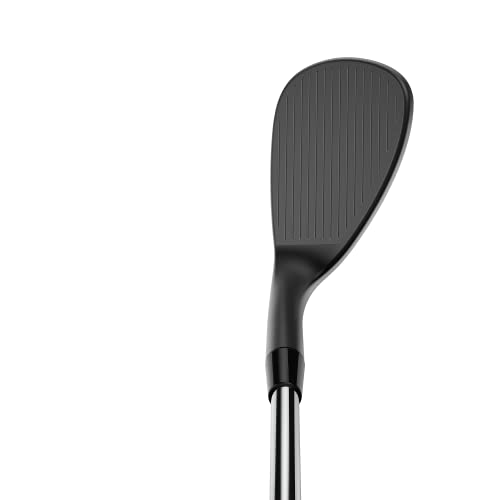
Use a clean wedge with sharp grooves. Newer wedges often have rougher groove surfaces designed to boost spin. Choose a wedge loft and bounce that match your turf conditions.
Pick a spin-friendly ball for wedge work. Softer urethane-cover balls produce more bite on wedge shots. Using worn grooves or a hard ball will reduce wedge spin control noticeably.

Simple drills to build wedge spin control
Use these drills to learn feel and consistency.
- Tee drill: Place a tee one inch in front of the ball. Practice hitting the ball while missing the tee. This trains descending contact and increases spin.
- Coin drill: Place a coin a few inches behind the ball. Avoid hitting the coin to learn low-hand impact. This improves compression and spin.
- Clean contact drill: Hit shots on short grass with a towel behind the ball. Clean contact and discarding grass before impact builds consistent spin.
Do slow reps and record the flight. You will feel how small changes alter spin.

Course management and shot selection
Match spin to the lie and green. On soft greens, less spin may still bite. On firm greens, target a spot that uses run and spin together. Use bounce to avoid digging on tight lies.
Choose shots by risk and reward. When you need the ball to stop quick, trust wedge spin control. When the green is firm or long, plan for more roll.
Common mistakes and how to fix them
Many players try to force spin with wrist flicks. That causes thin or fat shots and less spin. Fix this by focusing on a solid low-hand impact.
Using worn grooves or a hard ball is another error. Keep wedges clean and rotate your clubs when grooves get dull. Practice full swings and short chips equally to maintain balance.
My personal lessons and tips
I learned to trust feel over flashy moves. Early in my coaching, I overcomplicated setup cues. Simple, repeatable motions work best.
I once fixed a student’s spin problem by adjusting his grip pressure and stance. He gained spin in one practice session. That showed me small, focused tweaks beat long lists of tips.
Tracking progress and practicing smart
Record numbers like ball flight, landing spot, and roll-out. Video your impact if possible. Track how different balls and wedges change spin.
Practice with purpose. Spend part of each session on repeats from 40 to 80 yards. Repeat the same shot until flight and stopping pattern match your goal.
When wedge spin control is limited
Know the limits. Wet grass, dirty grooves, and windy days reduce spin. Cold weather can lower ball compression and spin. Adjust expectations and choose safer shots when conditions limit spin.
Be honest with progress and adjust practice. Sometimes more speed helps, but often better contact and cleaner grooves win.
Frequently Asked Questions of wedge spin control
What causes low spin on wedge shots?
Low spin often comes from poor contact, worn grooves, or a hard ball. Fix contact by practicing descending strikes and keep wedges clean.
How often should I clean my wedge grooves?
Clean wedges after each round if possible. Regular cleaning keeps grooves sharp and maintains consistent wedge spin control.
Can any ball produce high wedge spin?
No. Softer, urethane-cover balls create more bite on wedge shots. Harder balls usually produce less wedge spin control.
Does loft always mean more spin?
Higher loft helps, but spin still needs clean contact and friction. Loft plus good contact equals consistent wedge spin control.
Should I open the face to add spin?
Opening the face can help on flop shots but requires soft hands and speed control. Practice first to avoid thin hits or heavy misses.
How do I stop the ball on firm greens?
On firm greens, use trajectory and some roll. Aim for a spot before the pin and let the ball use roll plus partial spin for control. Wedge spin control alone may not stop the ball quickly on very firm lies.
How can I practice wedge spin control at home?
Use a tee or coin drill on short grass or a mat. Focus on descending strikes and feel. Short, focused reps beat long aimless sessions.
Conclusion
Wedge spin control is a powerful skill that improves your scoring and confidence around the green. Focus on clean contact, the right gear, and simple drills. Track results, make small changes, and practice with clear goals. Start today by cleaning your wedges, choosing a soft ball, and doing a five-minute tee drill. Share your progress or questions to keep improving and lower your scores.