How To Compress The Golf Ball: Improve Distance & Feel
Compress the ball by striking down into it with a firm lower body and a square clubface at impact.
I’ve spent years coaching players and testing swings to understand how to compress the golf ball. This guide explains how to compress the golf ball step by step. You will learn the mechanics, practice drills, equipment choices, and mistakes to avoid. Read on for clear, practical advice you can use on the range and the course.

Understanding ball compression and why it matters
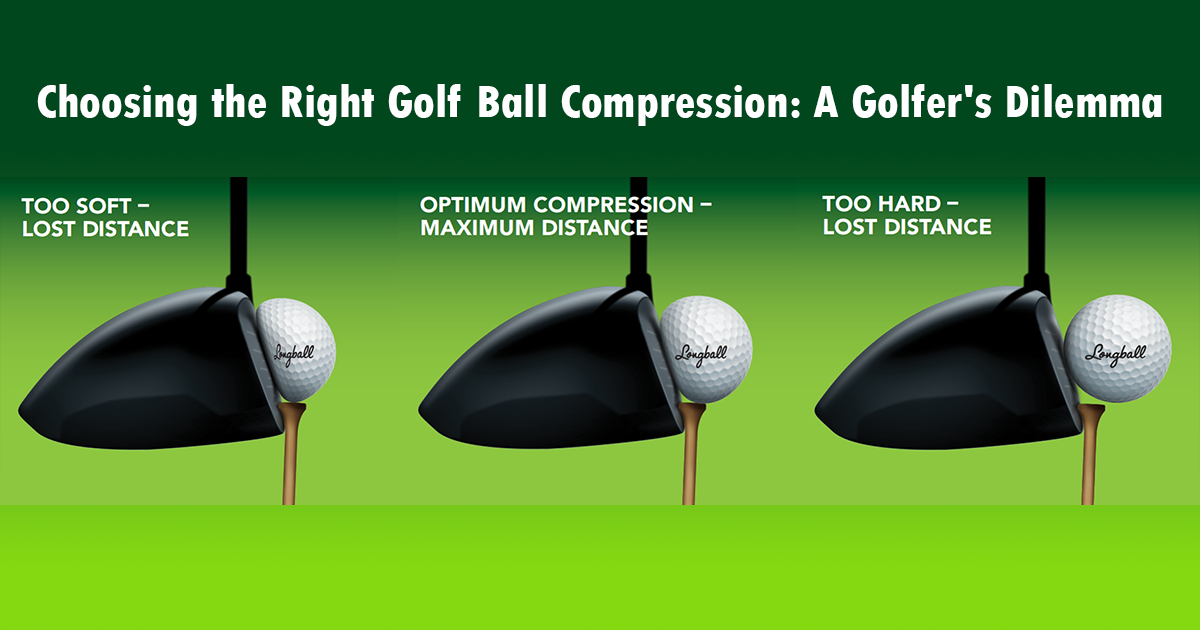
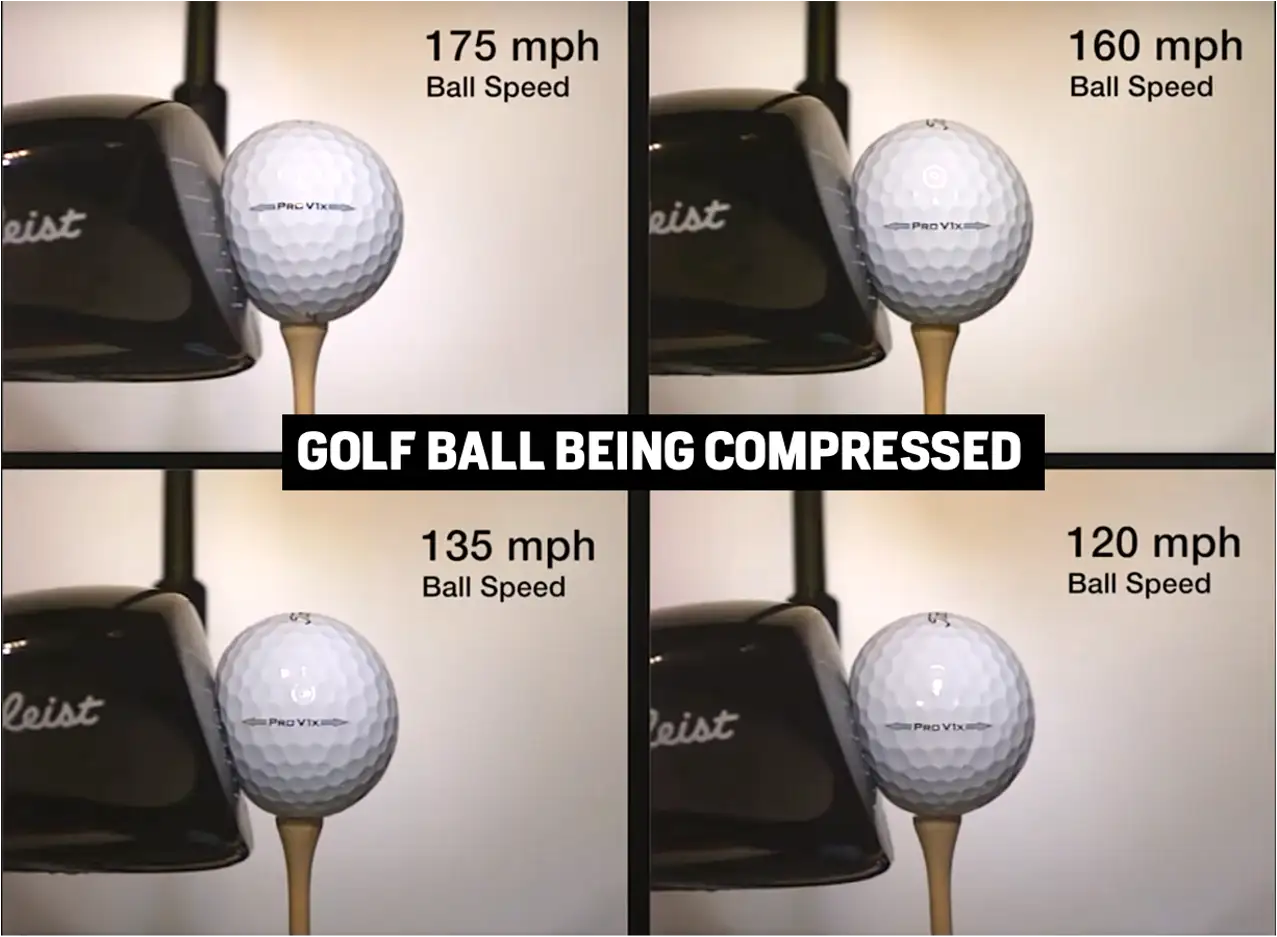
Compression describes how much the ball deforms at impact. A well-compressed ball launches efficiently. It also produces the right spin for distance and control.
Compressing the ball correctly links power and precision. Many mid-handicap players hit thin or high shots because they fail to compress. Learning how to compress the golf ball helps you hit longer, more consistent shots.
Compressing the ball depends on swing speed, timing, and contact quality. It also depends on ball construction and clubhead design. The next sections break these parts into clear steps.
How to compress the golf ball: step-by-step technique
-
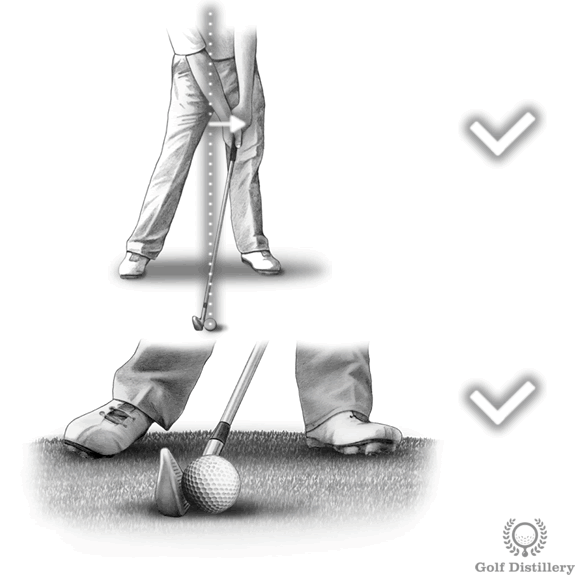
Set up with a slightly forward ball position for longer clubs.
Keep a neutral spine angle and a slight knee flex. -
Create firm lower-body stability.
Shift weight to the inside of your back foot on the backswing. Begin the downswing with the hips to create compression. -
Maintain a delayed release.
Hold the wrist angles a fraction longer through the downswing. This stores energy that transfers to the ball at impact. -
Strike down and through the ball.
On iron shots, aim to make a descending blow. Contact the ball first, then the turf. -
Keep a square clubface at impact.
Face control guides ball compression. A closed or open face ruins efficient energy transfer. -
Accelerate through impact.
Maintain speed through the strike. Early deceleration reduces compression.
Practical tips from my coaching:
- Feel like you are squeezing the ball between the clubface and the ground.
- Practice half swings focusing on a crisp contact.
- Use alignment rods to cue your shaft lean at impact.
How to compress the golf ball depends heavily on impact position. A slightly forward shaft lean and a shallow divot after the ball usually mean you compressed it right.

Common mistakes and how to avoid them
-
Lifting the head too early. This causes thin shots and poor compression.
Keep your head steady and let your body rotate through impact. -
Scooping or flipping the hands. This gives a high, weak strike.
Maintain wrist angles and let the club do the work. -
Over-swinging for power. This hurts contact quality.
Control tempo and let acceleration happen in the downswing. -
Poor weight shift. Staying on the back foot reduces compression.
Practice drills that train weight transfer to the front side. -
Wrong ball position for the club. Ball too far back or forward harms contact.
Move the ball slightly forward for longer clubs and centered for wedges.
These fixes are simple. Drill them slowly. Repetition builds correct muscle memory.

Equipment and ball selection to improve compression
Ball compression rating matters. Low-compression balls compress easily at slow swing speeds. High-compression balls benefit faster swing speeds.
How to compress the golf ball changes with ball choice:
- Choose a lower-compression ball if your swing speed is slow.
- Pick a higher-compression ball if you swing very fast and want lower spin.
Club choices also affect compression. A sharper leading edge and clean grooves help with contact. Properly fitted shafts and lofts set impact angles that favor compression.
Get fitted. A short fitting session can align your clubs and ball to encourage better compression. I’ve seen players gain yards simply by swapping to a ball matched to their swing speed.

Practice drills to feel compression
-
Towel drill
Place a small towel a few inches behind the ball. Hit shots without hitting the towel. This forces a descending strike and compression. -
Gate drill with tees
Set two tees slightly wider than the clubhead. Hit shots through the gate to ensure square face contact. -
Half-swing impact drill
Make half swings focusing only on firm lower-body motion and a solid hit. Check divots for ball-first contact. -
Video feedback
Record your impact area. Look for forward shaft lean and a small divot after the ball. -
Tempo metronome drill
Swing to a steady beat. Good tempo helps sequence the body and compress the ball.
I used the towel drill with many students. Within one range session, most players felt a clearer “thud” at impact and better ball compression.

Measuring compression: how to know if you compressed the ball
You can sense compression by sound, divot, and ball flight. A solid, dull thud and a small divot starting just after the ball show proper compression. The ball should launch on the intended trajectory with good spin.
Launch monitors provide data. Look at ball speed, launch angle, and spin. Higher ball speed relative to club speed means better energy transfer and better compression.
Compare practices. Record swing speed and ball speed to see if you gain efficiency. Track changes after adjusting setup and technique.
Benefits and limitations of compressing the ball
Benefits:
- More distance from better energy transfer.
- Improved control and consistent spin.
- Better turf interaction and predictable divots.
Limitations:
- Swing speed sets a physical limit. Not every player benefits from the highest-compression balls.
- Over-focusing on compression can lead to tension. Stay relaxed.
- Equipment matters; wrong balls or clubs reduce gains.
Knowing how to compress the golf ball helps you maximize what your swing can produce. But expect gradual improvements. Real gains come from consistent practice and smart gear choices.

Advanced tips from experience
- Work on sequencing, not brute force. The hips lead, then torso, then arms. This sequence creates the compression you want.
- Use weighted clubs in short practice sessions to groove a firmer release. Avoid overuse that causes fatigue.
- Check your grind and clubface condition. Worn grooves reduce bite and feel.
- Experiment with ball position in small increments. A ¼ inch change can transform impact.
- Get a pro’s eye. A one-time lesson to dial impact can speed progress more than months of solo practice.
From my experience, small technical fixes often outperform chasing swing speed. Focus on contact quality first. Compression follows good mechanics.

Frequently Asked Questions of how to compress the golf ball
What does it mean to compress the golf ball?
Compressing the golf ball means deforming it at impact to transfer energy efficiently. Proper compression creates optimal launch and spin for better distance and control.
How can a beginner learn to compress the ball?
Start with short practice swings and the towel drill. Focus on a descending strike and forward shaft lean to feel proper contact.
Does ball choice affect compression?
Yes. Low-compression balls compress more at slow swing speeds. High-compression balls suit faster swings. Choose a ball that matches your speed.
Will increasing swing speed always improve compression?
Not always. Faster speed helps but only with proper contact and timing. Poor contact or bad sequencing negates extra speed.
How do I know if I’m compressing the ball on the course?
Listen for a dull thud at impact, check for a shallow divot after the ball, and watch for consistent launch and spin. A launch monitor gives precise confirmation.
Can equipment changes help with compression?
Yes. Properly fitted clubs, sharp grooves, and an appropriate ball can improve compression. A fitting session can reveal the best setup for you.
Conclusion
Mastering how to compress the golf ball starts with simple, repeatable impact habits. Focus on lower-body stability, delayed release, and a descending strike. Use targeted drills, the right ball, and occasional pro feedback to speed progress. Practice with patience and measure results with feel or launch data. Try the towel drill and a short fitting session this week, and share your progress or questions in the comments.