How Fast Is A Golf Ball: Speeds, Records & Tips
A golf ball can fly at roughly 150–210 mph off the clubface for a pro driver.
I’ve spent years testing clubs and watching launch monitors. Here I’ll explain how fast is a golf ball, what affects that speed, and what the numbers mean for your game. You’ll learn typical speeds by club, how to measure ball speed, practical tips to increase it safely, and simple tests you can do at the range. My goal is to give clear, reliable answers so you can use real data to improve distance and consistency.
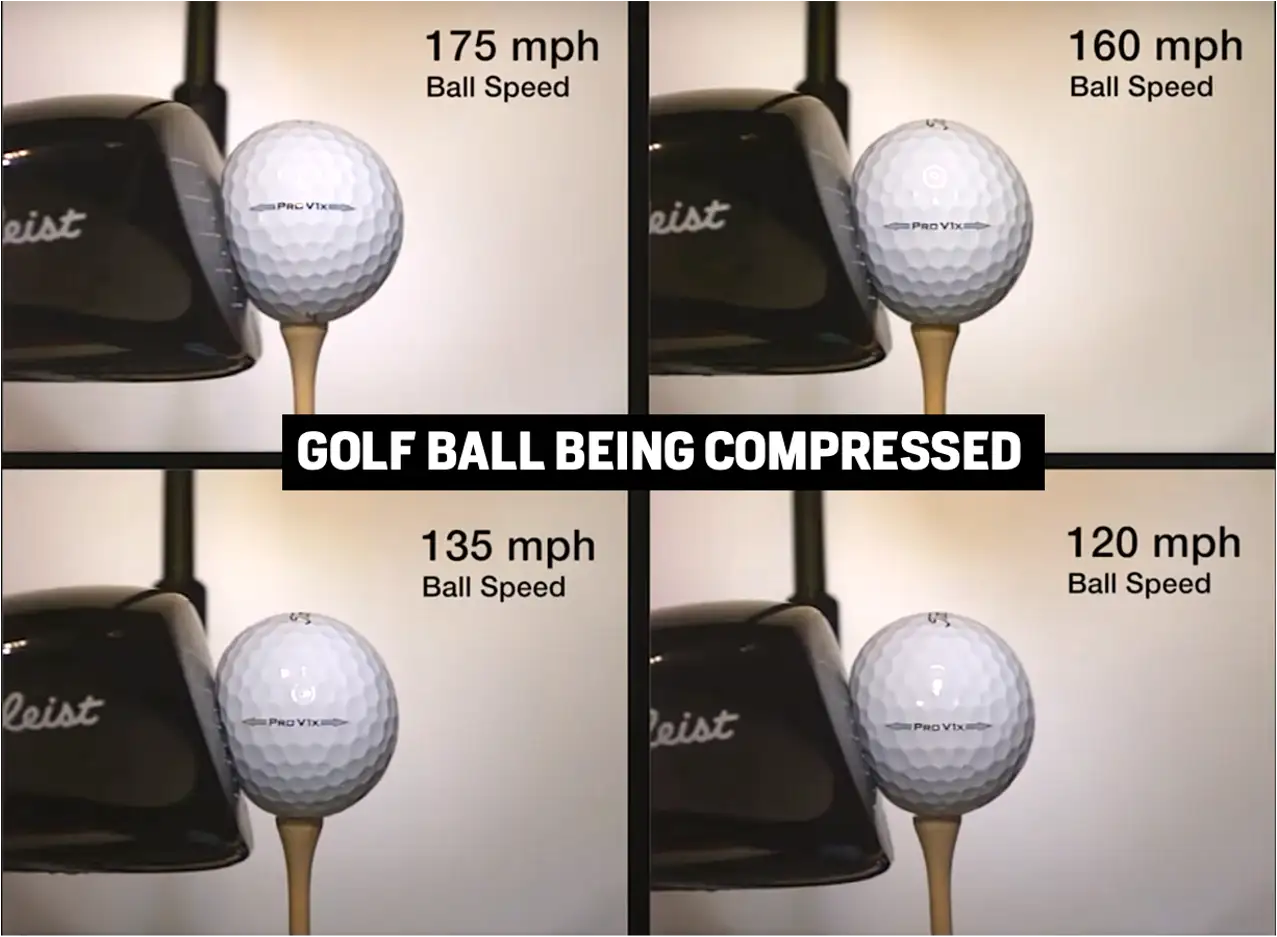
What does "how fast is a golf ball" really mean?
Ball speed is the speed of the golf ball just after it leaves the clubface. It’s measured in miles per hour (mph) or meters per second (m/s). Ball speed differs from clubhead speed. Clubhead speed is how fast your club moves. Ball speed is the result of that swing and the energy transfer at impact.
Ball speed is the key metric for distance. Higher ball speed usually equals more carry and roll. But launch angle and spin also matter. When people ask how fast is a golf ball, they are usually asking about driver speed or peak speeds in play.
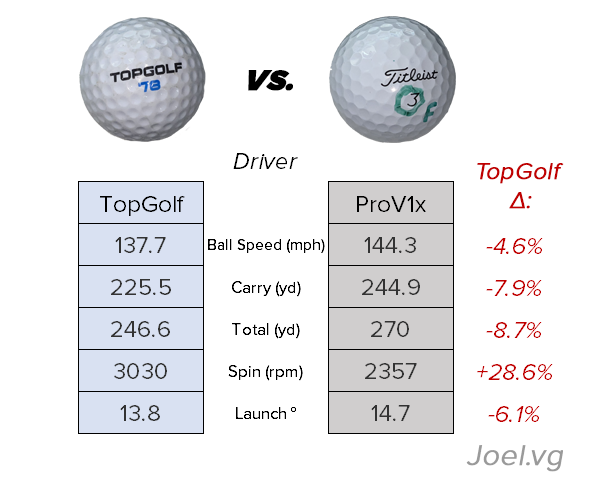
Typical ball speeds by club and player level
Here are common ranges for how fast is a golf ball when struck cleanly.
- PGA Tour driver
- 170–210 mph
- Good amateur driver
- 130–170 mph
- Average male amateur driver
- 110–130 mph
- Average female amateur driver
- 80–105 mph
- Iron shots
- 70–140 mph depending on club and player
- Wedges and chips
- 20–70 mph
- Putts
- 3–15 mph
These numbers show how fast is a golf ball off different clubs. A 7-iron from a good amateur might produce 90–110 mph ball speed. A wedge or chip reads much lower. For carry predictions, ball speed with launch angle is critical.
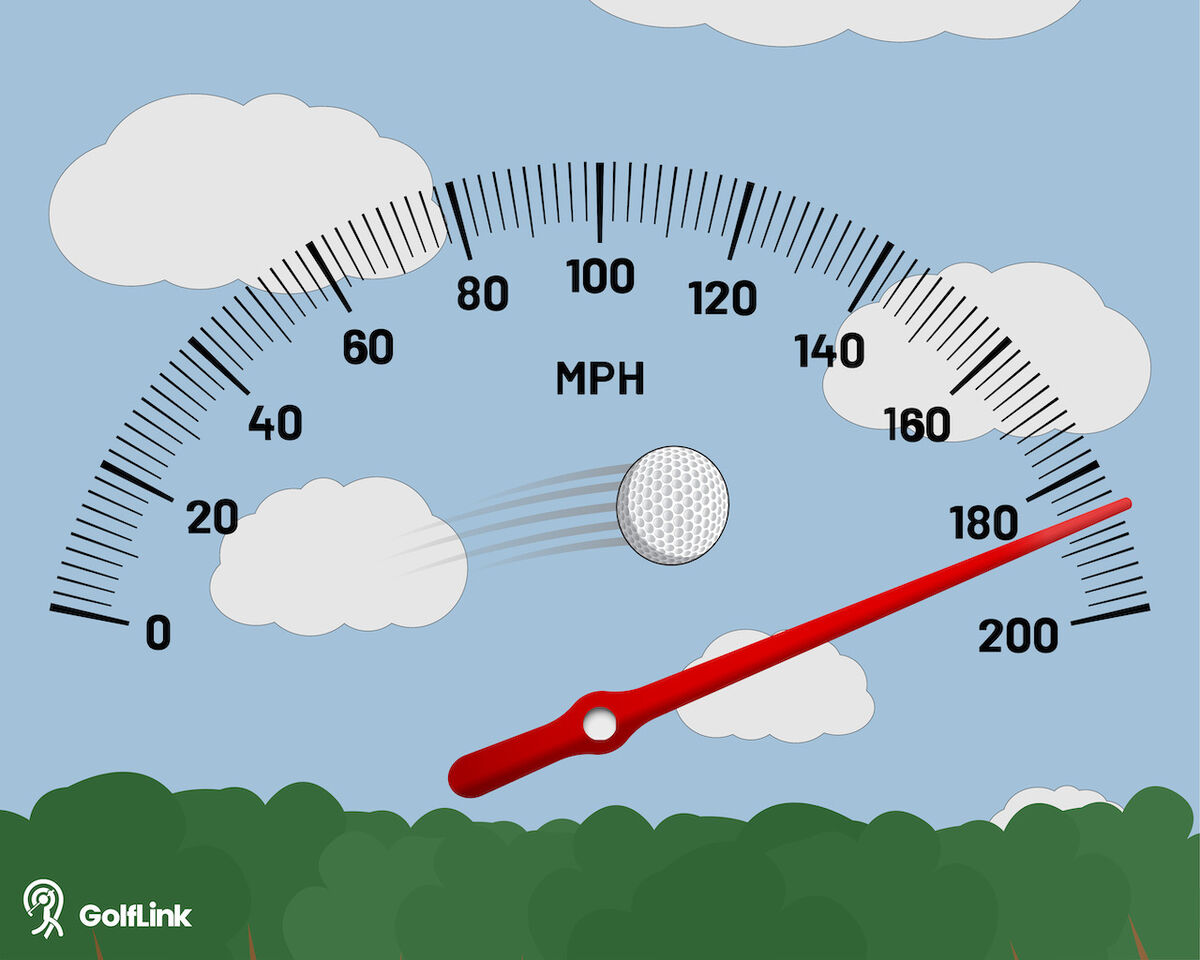
Key factors that determine how fast a golf ball is
Several elements change how fast is a golf ball. They interact, so improving one helps, but changes work best together.
- Clubhead speed
- Faster swing usually equals faster ball speed.
- Smash factor
- This is ball speed divided by clubhead speed. Higher means better energy transfer.
- Ball construction
- Modern multi-layer balls compress differently and can change peak speed.
- Clubface material and design
- Face flex, groove design, and loft affect transfer.
- Contact location
- Hitting the sweet spot yields max ball speed. Mishits slow the ball.
- Shaft and loft
- Correct shaft flex and loft optimize launch and speed.
- Spin and launch
- Too much spin can steal distance; too little can reduce carry.
When addressing how fast is a golf ball, consider all these parts. Improving one area helps, but balancing them is best.

How to measure ball speed and what tools to use
You can measure how fast is a golf ball with a few tools. Here are common methods.
- Launch monitors
- Use Doppler radar or photometric tech. They give ball speed, launch angle, and spin.
- Trackers and apps
- Some use phone cameras with sensors. They are less precise but useful.
- Range radar devices
– These give quick ball speed reads on the range. - Video with frame analysis
- Slow-motion video and known scale can estimate speed. It’s manual and less accurate.
When testing how fast is a golf ball, warm up, use consistent balls, and repeat shots. Record average values, not single best hits.

Practical tips to increase ball speed safely
If you want to increase how fast is a golf ball, focus on technique, fitness, and gear. These are safe and effective steps.
- Improve swing mechanics
- Work on sequencing, rotation, and lag. A lesson with a pro helps.
- Optimize equipment
- Use a driver with proper loft and shaft flex. Fit your ball to your swing.
- Train speed and power
- Use weighted clubs, speed sticks, and specific gym work for explosiveness.
- Hit the sweet spot
- Focus on consistent contact. Small misses cut speed a lot.
- Track progress
- Use a launch monitor to measure changes over time.
Small, steady changes lead to gains. When trying to boost how fast is a golf ball, avoid swinging harder without control. That often hurts accuracy and does not always increase ball speed efficiently.

Common myths about how fast is a golf ball
There are many myths. Let’s clear a few up.
- Myth: Bigger swing always means higher ball speed.
- Truth: Efficient mechanics matter more than raw size.
- Myth: Any premium ball boosts speed.
- Truth: Ball design matters by player speed. A soft ball can lose distance for a fast swinger.
- Myth: Pure power training is enough.
- Truth: Power plus technique and fitting gives best results.
Knowing the facts helps you make better gear and training choices for how fast is a golf ball in your game.

PAA-style questions (short answers)
How fast is a golf ball off the pro tee?
- Off the pro tee, driver ball speed often ranges from 170 to 210 mph for top players.
Does ball speed equal distance?
- Not directly. Ball speed strongly influences distance, but launch angle and spin are also essential.
Can equipment change how fast is a golf ball?
- Yes. Driver face tech, shaft selection, and ball choice can all change ball speed.

My testing notes and personal experience
I’ve run many sessions with launch monitors. Here are some practical observations.
- Small stance and tempo fixes improved my smash factor by 0.05.
- Changing to a slightly higher-lofted driver gained 6–10 yards at the same swing speed.
- Using the same ball model across tests gave cleaner comparisons.
I learned to test in consistent conditions. Warm mornings gave slightly higher ball speed than cold evenings. Those small factors affect how fast is a golf ball in real life.

How to run a simple home test
You can test how fast is a golf ball with minimal gear.
- Use a launch monitor or radar device if available.
- Warm up, then hit 10 consistent swings with one club.
- Record ball speed for each shot.
- Average the middle eight to remove extremes.
- Note launch angle and spin if possible.
This quick method yields reliable numbers to track progress and compare clubs or balls.
Frequently Asked Questions of how fast is a golf ball
What is the fastest recorded golf ball speed?
Top professional shots have recorded ball speeds above 210 mph. These come from exceptional swings and optimized equipment.
How fast is a golf ball with an average amateur driver?
An average male amateur often sees 110–130 mph ball speed with a driver. Female amateurs usually see 80–105 mph.
Does temperature affect how fast is a golf ball?
Yes. Cooler air is denser and can slightly reduce ball speed and distance. Warm conditions help the ball travel farther.
Can practice alone increase ball speed?
Practice helps. But combining lessons, strength work, and proper equipment fitting accelerates gains more effectively.
Is ball speed the same as club speed?
No. Club speed measures how fast the club head moves. Ball speed is the result of impact and is usually lower than club speed multiplied by smash factor.
Conclusion
Understanding how fast is a golf ball is key to hitting longer and straighter shots. Ball speed gives a clear window into your energy transfer, and it ties directly to distance when paired with the right launch and spin. Test consistently, focus on technique, and make smart gear choices to improve safely. Try one simple change this week—track your ball speed before and after—and see real progress. Leave a comment with your numbers or questions, and subscribe for more practical tests and tips.