How To Fade A Golf Ball: Easy Step-By-Step Guide
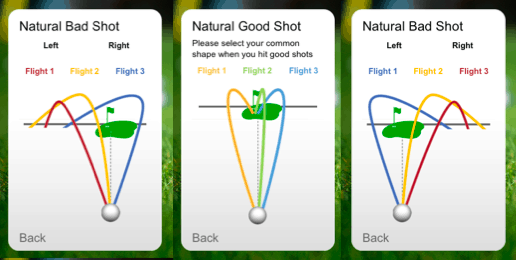
Open stance, slightly closed clubface, and a controlled outside-in path create a reliable fade.
I know how to fade a golf ball and I teach this shot often. This guide breaks down how to fade a golf ball step by step. You will learn setup, swing changes, drills, gear tips, and common fixes. My advice comes from years on the range and work with players of all levels. Read on to gain clear, usable skills you can practice today.

What a fade is and when to use it
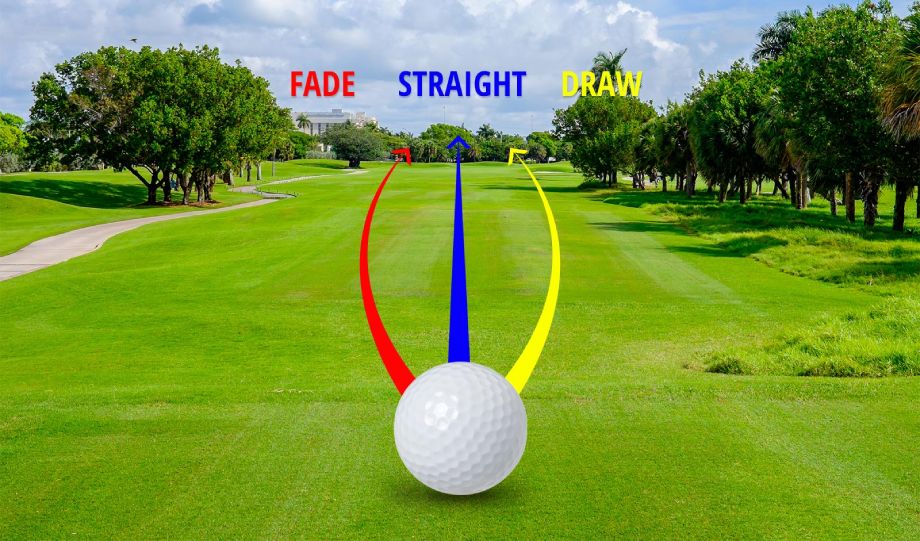
A fade is a controlled shot that moves slightly left-to-right for right-handed players. Learning how to fade a golf ball gives you a predictable shape to avoid trouble. A fade helps land the ball softly on greens and fits many course layouts. I use the fade when I need stopping power or to clear hazards and hold tight pins.
The key mechanics: face, path, and loft
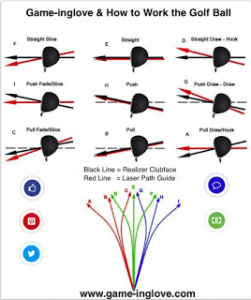
Three things decide the ball's curve. Control these and you control how to fade a golf ball.
- Clubface relative to path. The face must be slightly open to the path. This creates left-to-right spin for right-handed players.
- Swing path. An outside-in swing path encourages a fade. Aim the club to travel slightly across the ball from outside to in.
- Loft and speed. More loft and moderate speed make the fade softer. Too much speed adds distance and can reduce control.
I teach players to feel the clubface pointing a touch to the right at impact while the swing moves across the ball. That balance is the secret to how to fade a golf ball.

Setup and alignment for a reliable fade
Setup is where most fades are won or lost. Get this right and the rest follows.
- Stance. Stand slightly open to the target. This means your feet, hips, and shoulders aim a little left of the line for right-handers.
- Ball position. Move the ball slightly forward of center for irons. For longer clubs, place it even more forward.
- Grip. Use a neutral to slightly weaker grip. Rotate your hands a touch left on the grip to help keep the face from closing.
- Clubface. Aim the clubface at the target while your body points left. This leaves the face open to the path, which helps create the fade.
Practice this setup until it feels natural. Setup is the easiest part to fix when learning how to fade a golf ball.

Swing changes: smooth, controlled, outside-in
Small swing changes make the most difference. Focus on tempo and path.
- Takeaway. Start the club back on a slightly outside path. Keep it low and smooth.
- Top of swing. Stop over-rotating the hands. Keep the lead wrist flat to control face angle.
- Downswing. Drop the hands slightly and swing across the ball to the left of the target line. This outside-in path is key to how to fade a golf ball.
- Impact. Strike with a slightly open face to the swing path. Avoid flipping the hands.
- Follow-through. Let your body turn to face the target. Your finish can be balanced but slightly lower than a full draw finish.
I often tell players to visualize the clubhead moving along a shallow arc across the ball. That mental image makes learning how to fade a golf ball faster.
Simple drills to learn the shape
Repetition with purpose builds a true fade. Try these drills on the range.
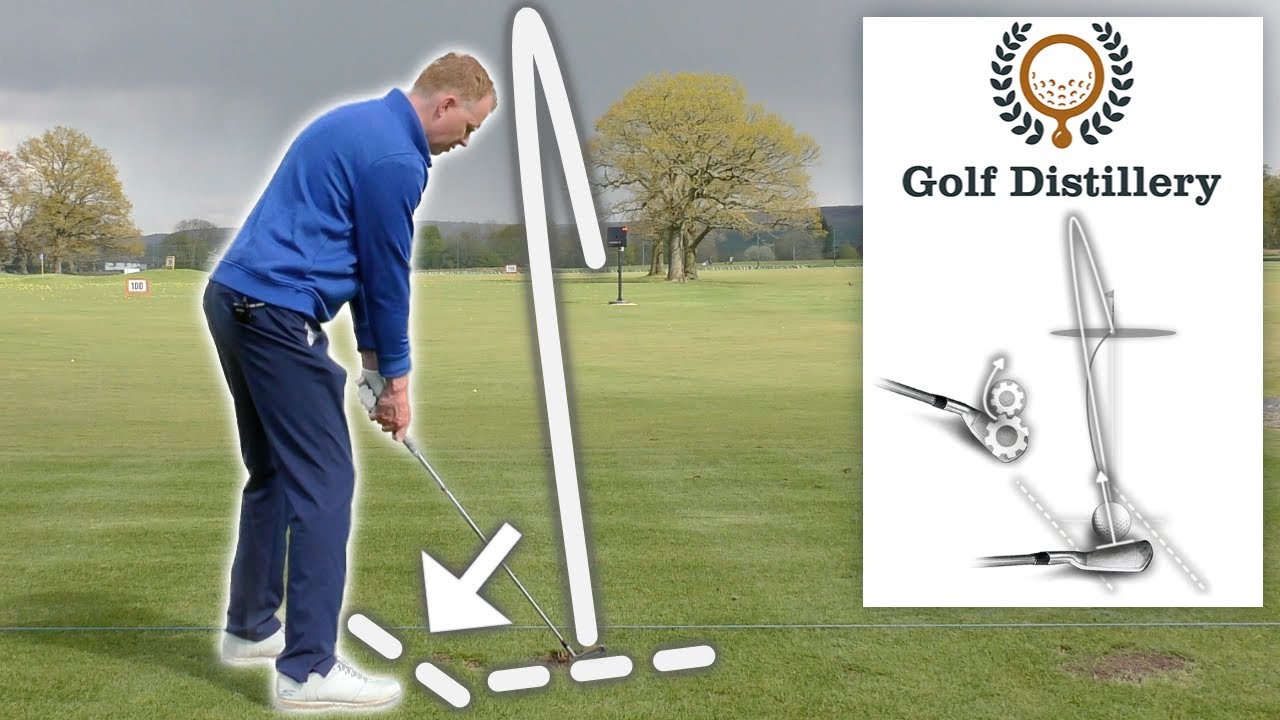
- Gate drill. Place two tees just outside the ball to force an outside-in path. Swing through without hitting the tees. This trains the path you need to fade.
- Tee-line drill. Hit a line of tees toward a target while aiming your body left. Try to clip the tees from outside to in. This boosts the feel for face-to-path control.
- Half-swing feel drill. Make 50% swings focusing on a slightly open face and outside-in path. Build the motion before adding speed.
- Alignment stick drill. Place an alignment stick along your toe line for an open stance. Use a second stick to show the clubface aimed at the target. Swing and feel the difference.
Do each drill in short sets. I made big gains after five minutes of focused practice each day. These drills are crucial when learning how to fade a golf ball.
Equipment and ball choice
Gear helps but does not replace technique. Still, the right setup makes fading easier.
- Clubs. A neutral or slightly stronger lofted iron helps control trajectory. Avoid very low-launch clubs if you want a soft fade.
- Shaft. Stiffer shafts give more control for faster swings. Lighter flex can add curve you may not want.
- Ball. Use a ball that spins moderately off irons. High-spin balls can exaggerate shape; low-spin balls may reduce the fade.
- Grip size. Choose a grip that lets your hands feel the clubhead. Too thick a grip can limit release control needed for how to fade a golf ball.
Gear tweaks helped me keep the shot repeatable. Test one change at a time and track results.

Common mistakes and fixes
Knowing what to avoid speeds progress. Here are frequent errors and quick fixes.
- Overactive hands. Mistake: flipping the club through impact. Fix: slow the hands and focus on body rotation.
- Too steep a path. Mistake: coming down too upright. Fix: feel a slightly shallower swing and work on the gate drill.
- Closing the face. Mistake: face points left of target at impact. Fix: aim the face at the target in setup and let the path do the work.
- Tension. Mistake: gripping too hard. Fix: lighten your grip pressure and relax the forearms.
- Trying to force curve. Mistake: aiming too hard or swinging re-routed. Fix: make small changes and repeat simple drills.
I used to try forcing the fade. That led to inconsistent shots. Patience and small fixes are the best path to mastery of how to fade a golf ball.
Practice plan: 4-week routine
A planned approach builds habit. This short plan helps you learn how to fade a golf ball.
Week 1: Setup and alignment
- 3 sessions of 20 minutes.
- Focus on open stance and face aim.
- Do alignment stick and tee-line drills.
Week 2: Path and tempo
- 3 sessions of 30 minutes.
- Add gate drill and half-swing feels.
- Record a few swings to check path.
Week 3: Distance control
- 3 sessions of 30–40 minutes.
- Hit full swings with mid-irons.
- Use ball flight feedback to adjust loft and speed.
Week 4: On-course use
- Play three short rounds.
- Use fade on 3–4 holes where it helps approach shots.
- Note when it works and where it needs more range practice.
Stick with the plan and refine based on results. I track small wins to stay motivated and to keep learning how to fade a golf ball.
PAA-style quick questions
How long to learn a reliable fade?
Most players can get a basic fade in a few practice sessions. Making it repeatable often takes a few weeks of focused drills.
Will a fade reduce distance?
A controlled fade can reduce distance slightly versus a draw at the same speed. Proper loft and tempo help keep distance while adding control.
Is a fade better for beginners?
A fade is often easier to control than a big draw for many beginners. It is a safe, reliable shot shape for most course situations.
Frequently Asked Questions of how to fade a golf ball
What grip helps you fade a golf ball?
A neutral to slightly weaker grip helps you fade the ball. It reduces the tendency for the face to close through impact.
Can beginners learn how to fade a golf ball quickly?
Yes. With simple drills and consistent practice, beginners can see results in a few sessions. Consistency comes with repetition.
Should I change my clubface aim to make a fade?
Aim the clubface at the target and open your stance. This lets the face sit open to the path and produces a natural fade.
How does ball position affect a fade?
Moving the ball slightly forward helps produce a higher, softer fade. Too far back can promote a pull or slice instead.
What common drill improves the fade most?
The gate drill is highly effective for teaching an outside-in path. It forces the correct path without changing your feel too much.
Conclusion
Mastering how to fade a golf ball gives you a reliable, scoring shot. Focus on simple setup, a slightly open face, and an outside-in path. Use short drills, a steady practice plan, and small gear tweaks. Try the routine and drills over the next month and note the changes. Share your progress, ask questions, or subscribe for more tips.