How To Hook A Golf Ball: Pro Tips To Control Your Shot
To hook a golf ball, close the clubface and swing inside-out while releasing through impact.
I’ve coached and played for years, and I will walk you through exactly how to hook a golf ball with control and safety. This guide breaks down the swing path, grip, setup, drills, and common fixes so you can shape shots when you need to. Read on for clear, tested steps to make a reliable, controlled hook that fits your game.
Understanding the hook and ball flight
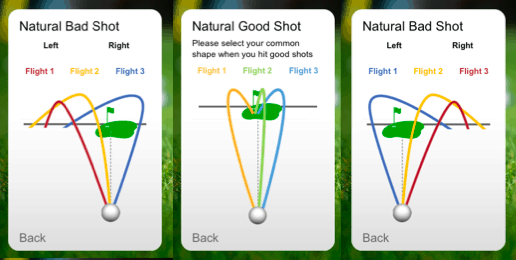
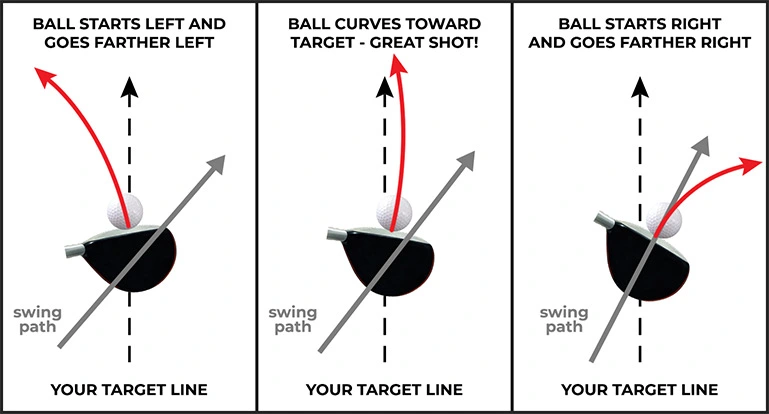
A hook is a shot that curves strongly from right to left for a right-handed player. The hook happens when the clubface is closed relative to the swing path at impact. Learning how to hook a golf ball means controlling both clubface rotation and swing path. Mastering those two elements lets you shape shots around hazards or into tight pins.

Why you might want to learn how to hook a golf ball
A controlled hook can help when the hole doglegs left. It can also shorten a long par five by turning the ball toward a better landing zone. Learning how to hook a golf ball gives you more shot options and confidence on course. Use it as a deliberate tool, not a sloppy mistake.

Causes of a hook: intentional vs. accidental
An intentional hook uses a closed face plus an inside-out path. An accidental hook usually comes from an overly strong release or a grip that is too strong. Over-rotation of the forearms or an early inside move can also create a hook. Knowing the root cause helps you practice the correct fix.

Setup and grip: the first steps in how to hook a golf ball
- Grip
- Strengthen your grip slightly by rotating both hands to the right on the handle for right-handed players. This makes it easier to close the face through impact.
- Stance and alignment
- Aim your feet, hips, and shoulders slightly right of the target. This open body alignment encourages an inside-out path.
- Ball position
- Place the ball a touch forward of center when using mid and long irons. That gives room for the hands to release.
- Weight distribution
- Keep weight slightly on your front foot at address. This helps promote a downward-to-upward transition that supports a draw or hook.
Practicing these setup moves is the first part of learning how to hook a golf ball. Small changes at setup make big differences at impact.
Swing path and clubface control: the mechanics of a hook
- Swing path
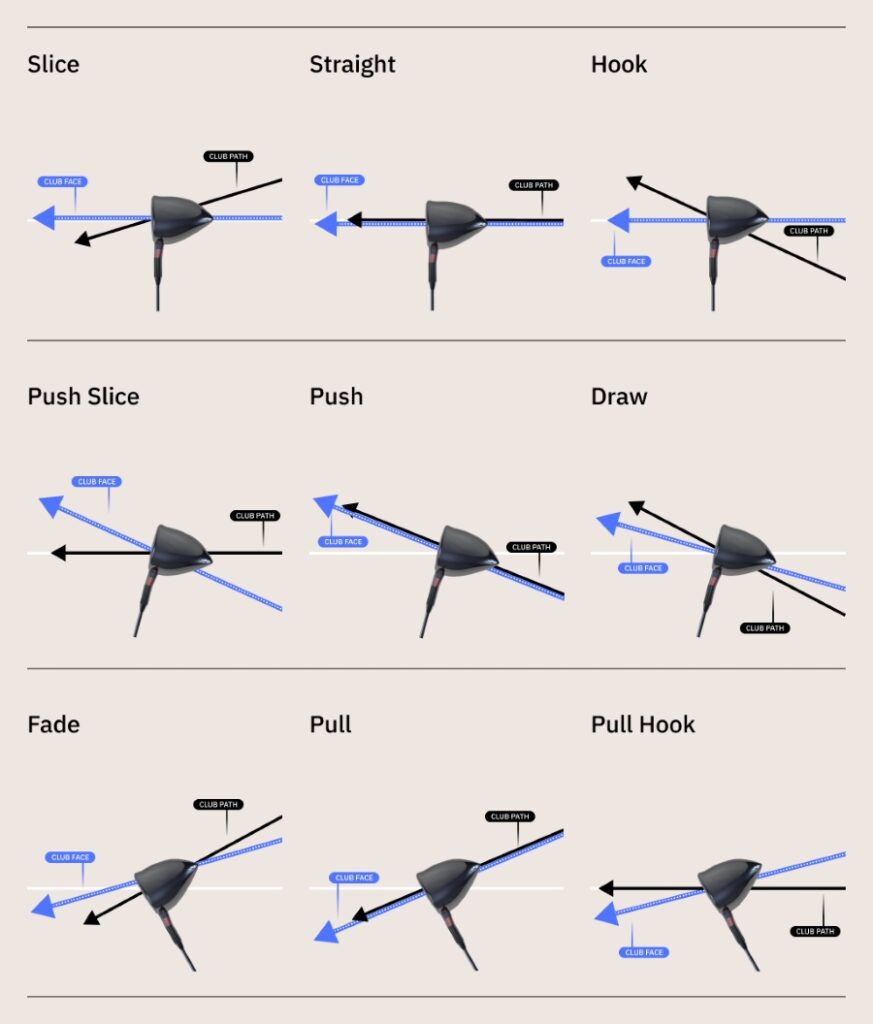
- Focus on swinging from inside to out. Picture the clubhead traveling inside the target line on the downswing and moving outward after impact.
- Clubface at impact
- Close the clubface slightly to the swing path but not so much that you hit a severe snap hook. The face should point left of the path but right of the target for a controlled hook.
- Release
- Allow a firm release of the hands and forearms through impact. Turn the right palm over the left (for right-handers) to add right-to-left spin.
- Tempo and rhythm
- Use a smooth tempo. Fast hands with a jerky swing cause bad hooks. Controlled speed helps shape the ball predictably.
These elements show the core of how to hook a golf ball. Work on one part at a time.
Step-by-step drill routine to learn how to hook a golf ball
- Short-toss path drill
- Use a wedge and aim at a close target. Swing inside-out and focus on the path. Start slow and build speed.
- Gate drill for face control
- Set two tees slightly wider than your clubhead. Swing through and feel the face closing just after impact.
- One-arm release drill
- Take half shots with your left arm only (for right-handers). Practice turning the hand over through impact.
- Alignment stick drill
- Place an alignment stick along your toe line to guide an inside takeaway and downswing.
- Flight-control practice
- On the range, pick a target line and intentionally start the ball right, then curve it left. Track how much face and path change the curve.
Do these drills for short sessions. Repetition builds a reliable hook and lowers the chance of wild misses.

Equipment and ball choices that affect a hook
• Club loft and lie
- A lower loft or closed-face club promotes a stronger draw and can make hooking easier. A lie angle that points the toe down may encourage draws.
• Shaft flex and torque
- A stiffer shaft reduces unwanted face rotation. If your shaft is too soft, it can add spin and exaggerate hooks.
• Golf ball spin characteristics
- Low-spin balls reduce extreme hooks. High-spin balls make shaping easier but also increase risk of big hooks.
Test gear on the range before changing clubs. Equipment tweaks can help you control how to hook a golf ball, but they won’t fix poor technique.
Troubleshooting: common mistakes and fixes
• Overly strong grip
- Mistake: grip too strong causes loss of control and snap hooks. Fix: dial back grip strength a bit and test.
• Swinging too across the body
- Mistake: an exaggerated inside-out path leads to hooks that start too far right. Fix: reduce path angle and focus on a smoother arc.
• Early release or casting
- Mistake: hands flip too soon and close the face too much. Fix: practice drills that delay the release and keep lag.
• Poor tempo
- Mistake: jerky speed causes mis-timed face closure. Fix: use metronome or slow swings to rebuild tempo.
Work through these fixes one at a time. Small changes often solve big problems when learning how to hook a golf ball.
My experience: lessons learned from teaching and playing
I learned to shape the ball after years of trying to stop an accidental hook. Early on I made my grip too strong and chased power. That led to inconsistent shots and frustration. I switched to focused drills, slowed my tempo, and practiced controlled releases. Over time, I learned to call the shot before swinging. That mindset change made all the difference. When I teach, I stress patience and small changes. The best progress came from short, focused practice sessions and honest video feedback.
Safety and course etiquette when hooking intentionally
• Practice on the range first
- Never try sharp hooks on the course until you can land them consistently on the range.
• Be aware of groups around you
- A mis-hit hook can go far off line. Check your surroundings before trying risky shapes.
• Use hooks sparingly in competition
- Rely on safe, repeatable shots during play. Use practiced hooks only when they improve the score.
Respect for others keeps your practice safe and your game enjoyable.
Frequently Asked Questions of how to hook a golf ball
How much should I strengthen my grip to hook the ball?
A small change is best. Rotate both hands about 10 to 20 degrees to the right for right-handers and test how much that helps. Too strong a grip can produce uncontrolled snap hooks.
Can I hook the ball with a driver?
Yes. You can hook a driver by closing the face and swinging inside-out, but miss-hits can be long and costly. Practice on the range and use caution on course.
Will changing my club help my hook?
Equipment can help but won’t replace technique. A different shaft or a slightly closed clubface may make hooking easier, but focus on grip and path first.
How do I stop an accidental hook?
Check your grip and release first. Move to a more neutral grip and work on delaying the release with drills that keep the clubface more open through impact.
How long does it take to learn a controlled hook?
It varies, but many players see steady progress in a few weeks of focused practice. Short, regular sessions produce better results than long, infrequent ones.
Is a hook better than a fade?
Neither is strictly better. A hook is useful for certain course shapes and wind conditions. Choose the shot that gives you the best angle into the green.
Conclusion
Mastering how to hook a golf ball gives you a useful shot for course management and creativity. Start with small grip tweaks, set up for an inside-out path, and practice controlled releases with targeted drills. Be patient, test gear carefully, and always practice safety on the range. Try one drill today, track your progress, and share your results or questions below to keep improving.