How To Chip A Golf Ball: Easy Chipping Tips
Use a narrow stance, weight forward, soft hands, and a controlled pendulum swing.
I’ve taught golfers and practiced myself for years, so this guide on how to chip a golf ball packs clear steps, practical drills, and common fixes. Read on to build a repeatable chipping routine that improves scoring around the green, reduces three-putts, and boosts your confidence when the ball is close but not on the green.

Why chipping matters for your score
Chipping saves strokes. Good chips turn tricky par chances into tap-ins. Poor chips add pressure and extra putts.
When you learn how to chip a golf ball well, you lower your scores and relax on the course. I’ve seen beginners shave several strokes off their round simply by improving short-game basics.
What is a chip shot?
A chip is a low-trajectory shot played from close to the green. The goal is to land the ball on a short piece of green and let it roll to the hole.
Key elements:
- Minimal wrist hinge and limited swing.
- Ball position back in stance.
- Controlled contact with the turf.
How to chip a golf ball differs by lie and launch needs. For tight lies you use less loft and more roll. For fluffy lies you use more loft and a steeper strike.
PAA-style question 1: What’s the difference between a chip and a pitch?
A chip is lower with more roll; a pitch is higher and lands softer with less roll.
PAA-style question 2: When should I use a wedge to chip?
Use a wedge when you need more carry or the fringe is thick; use lower-lofted clubs when you want roll.

Equipment and club selection
Choose the right club before you worry about technique. Club choice changes how much the ball carries and rolls.
General club choices:
- 7-iron or 8-iron for long chips with lots of roll.
- 9-iron or pitching wedge for medium chips with balanced carry and roll.
- Sand wedge or lob wedge for short chips that need carry and a soft landing.
Shaft length and bounce matter too. Longer clubs roll more. High-bounce wedges help out of fluffier lies. I recommend experimenting on the practice green to learn each club’s roll distance.

Setup and stance
A repeatable setup makes chipping simple. Small changes in posture yield big results.
Step-by-step setup:
- Feet: Narrow stance, about hip-width or less.
- Ball: Back in your stance, toward your trail foot for lower launch.
- Weight: 60–70% on your front foot to promote a descending strike.
- Hands: Slightly ahead of the ball at address to deloft the club.
- Spine and shoulders: Tilt slightly toward the target; keep shoulders quiet.
I teach players to take their practice swing and check their weight. If you feel balanced forward, your chance of clean contact rises.

Step-by-step technique: how to chip a golf ball
Follow a simple, repeatable motion to make consistent chips.
- Grip and tension
- Use your normal putting grip or a light golf grip.
- Keep hands soft. Tension kills feel and control.
- Backswing
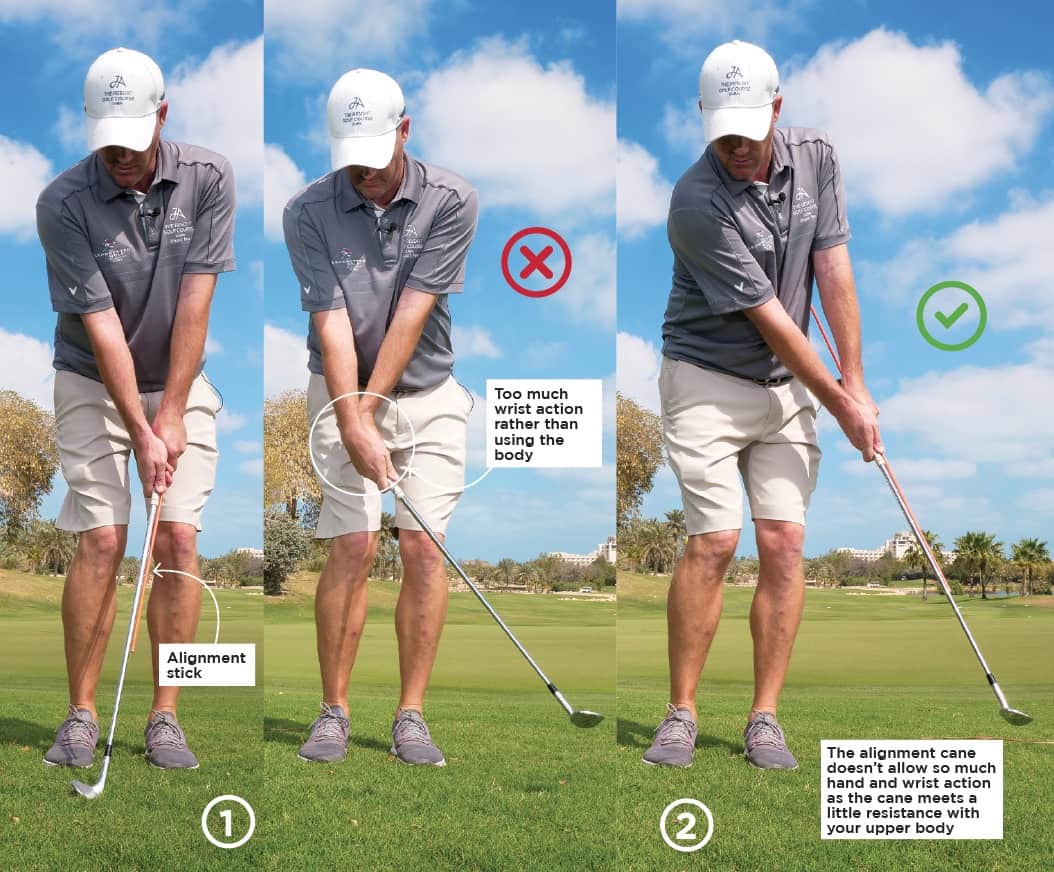
- Hinge the wrists a little. Keep the movement compact.
- Shoulders and chest rotate slightly as one unit.
- Downswing and contact
- Let the clubhead fall through the ball with a slight descending blow.
- Maintain the forward shaft lean through impact.
- Aim to strike a thin layer of turf just after the ball.
- Follow-through
- Keep follow-through small and controlled.
- Let the arms and shoulders finish naturally; avoid flipping the wrists.
- Speed control
- Distance comes from swing length and tempo, not wrist flicks.
- Practice slow, rhythmic swings to build feel.
I once played a round where I practiced length control on every chip. Over 18 holes I felt more confident and saved three strokes just by dialing in distance.

Common mistakes and how to fix them
Fixing basic errors leads to fast improvement. Here are common problems and simple fixes.
Topping the ball
- Cause: Weight back or lifting up.
- Fix: Move weight forward and keep head still through impact.
Chunking (hitting too much turf)
- Cause: Swinging too steep or poor shaft lean.
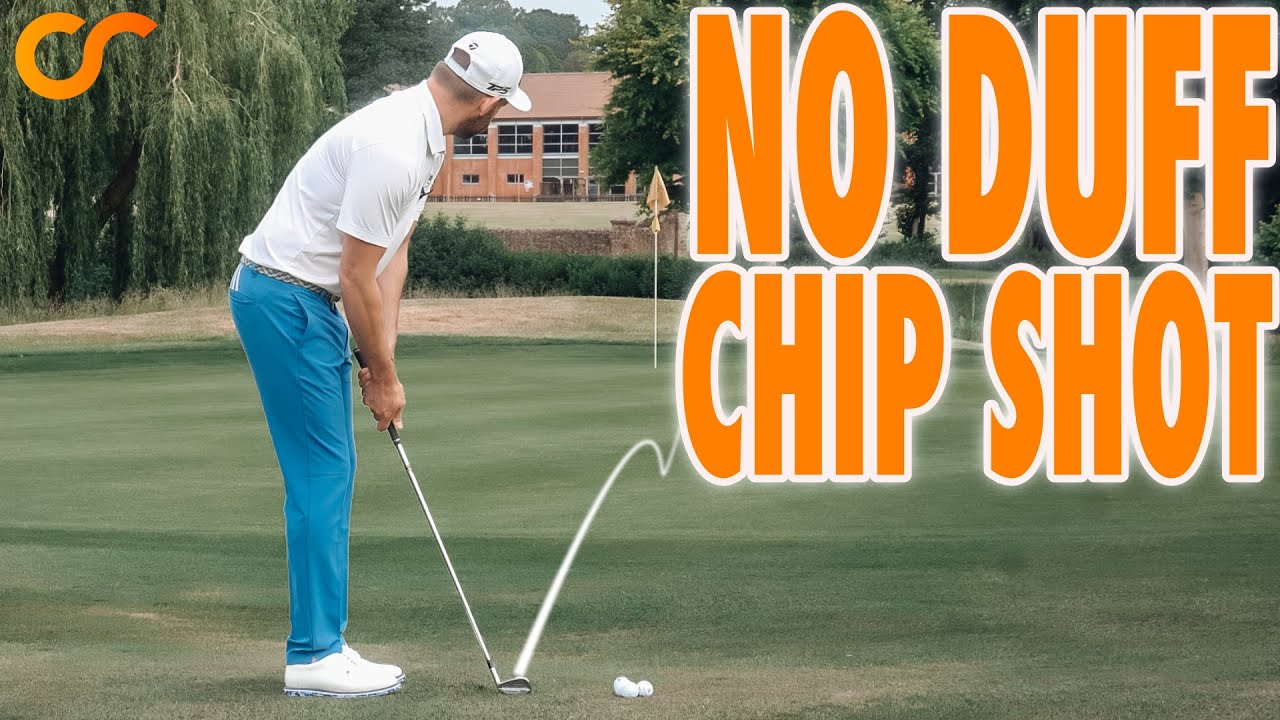
- Fix: Narrow stance, hands ahead, and shallow the approach.
Flipping the wrists
- Cause: Trying to scoop distance.
- Fix: Grip soft and focus on a pendulum motion from the shoulders.
Poor distance control
- Cause: Varying tempo or wristy strokes.
- Fix: Practice with squares of different lengths to match swing length to distance.
Lack of practice variety
- Cause: Only practicing one type of lie.
- Fix: Use different clubs, different lies, and aim points during practice.

Source: dannymaude.com

Practice drills to improve chipping
Use simple, focused drills to build consistency. Spend 10–20 minutes per practice session on chips.
Ladder drill
- Pick targets at 5, 10, 15, 20 feet.
- Use the same club and make progressive swing lengths.
- Count how many hit the target for repeatability.
Coin drill for contact
- Place a coin a few inches behind the ball.
- Focus on hitting the ball cleanly without striking the coin.
- Great for removing chunking.
Distance-control bucket drill
- Place buckets or towels at set distances.
- Try to land balls in or on the towels using the same club.
- Tracks feel and tempo.
One-handed chips
- Use only your lead hand for several shots.
- Improves wrist stability and clubface control.
I often split my practice: 10 minutes of coins and buckets, then 10 minutes of ladder work. My short game improved quickly.
Course management and shot selection
Good chipping is also smart chess, not just better technique.
Ask these questions before chipping:
- How much green do I have to work with?
- Is the fringe tight or spongy?
- Where will the ball roll after landing?
Shot choices
- Leave the flag out and play to a safe spot when slope makes direct shots risky.
- Use lower-lofted clubs when you have a lot of green to roll on.
- Use higher loft for a soft pitch when the hole is guarded or the surface is delicate.
Playing smart beats hitting heroic shots. I learned this the hard way: aggressive chips can add strokes. Choosing conservative targets often lowers scores.

Frequently Asked Questions of how to chip a golf ball
What grip should I use for chipping?
Use a light grip similar to your putting grip or your normal golf grip with slightly less tension. A soft grip helps preserve feel and prevents flipping the wrists.
How much should my weight be forward when chipping?
Aim for about 60–70% of your weight on the front foot at address. This forward bias helps you make a descending strike and clean contact.
Which club gives the most roll on a chip?
Lower-lofted clubs like a 7- or 8-iron give more roll. Use them when you need the ball to run out after landing.
How do I stop chunking chips?
Move your hands slightly ahead of the ball, narrow your stance, and focus on a shallow, controlled swing. Practice the coin drill to improve bottom of swing control.
How do I control distance on chips?
Control distance by varying swing length and keeping tempo steady. Practice ladder and bucket drills to learn each club’s roll and carry.
Conclusion
Mastering how to chip a golf ball comes down to simple habits: a consistent setup, forward weight, soft hands, and a controlled pendulum swing. Start with easy drills, practice varied lies, and choose conservative shots on the course to save strokes. Try one new drill per practice session and track progress; small, steady improvements lead to big score gains.
Ready to lower your scores around the green? Practice the steps above, leave a comment about your favorite drill, or subscribe to follow more short-game tips.