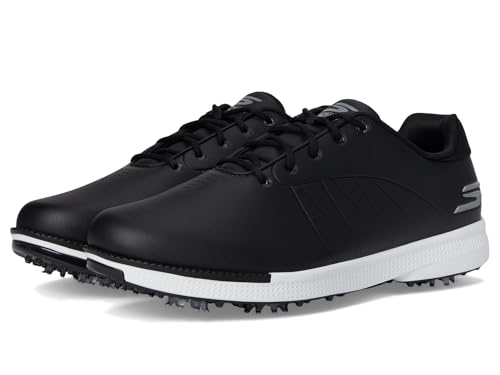
How Long Do Golf Shoes Last: Golf Shoe Lifespan
Golf shoes usually last about one to three years for a regular golfer. That range can mean roughly 75 to 150 rounds, but use matters more than the calendar. A golfer who walks 100 rounds each year may wear out a pair sooner than a rider who plays 25 rounds. Practice on the driving range, wet weather, heat, storage, and shoe care also affect service life.
The real answer is simple: replace golf shoes when the outsole loses traction, the midsole stops supporting your feet, or the upper no longer keeps water out. Small cracks, loose soles, worn cleats, and foot pain are signs to take seriously. A clean-looking shoe can still be worn out underneath.

Quick answer: how long do golf shoes last?
Golf shoes often last one to three years, or about 75 to 150 rounds, when used for normal play and cared for well. Walking golfers, junior golfers, and players who practice often may need a new pair sooner. A casual golfer who rides and plays in dry weather may use the same shoes longer.

The best way to judge golf shoe life is to check four areas:
- Traction: Can the sole grip during the downswing?
- Cushioning: Do your feet, knees, or back feel more tired than usual?
- Water resistance: Do damp conditions reach your socks?
- Structure: Are the sole, seams, heel, or toe starting to separate?
The table below gives a useful starting point. These are general ranges, not a promise for every golfer.
| Use pattern | Typical service life | Main reason for wear |
|---|---|---|
| Occasional golfer, 10–25 rounds a year | 2–4 years | Storage age and sole breakdown |
| Regular golfer, 30–75 rounds a year | 1–3 years | Walking, flexing, and weather |
| Frequent walker or range user | 6–18 months | High step count and repeated torque |
| Junior golfer in a growth phase | 6–18 months | Foot growth and changing fit |
A junior may outgrow a shoe before the materials fail. A senior golfer may need to replace shoes sooner if worn cushioning causes foot, knee, hip, or back strain. Men’s, women’s, and junior golf shoes can all last for a similar time when their materials and use are similar; fit, walking habits, and foot shape matter more than gender.
Why golf shoes wear out
Golf shoes wear out because they face forces that ordinary walking shoes may not. A swing creates pressure between the foot and the ground. The lead foot must resist rotation, while the trail foot helps push the body toward impact. That repeated twist can wear the outsole and weaken the upper.
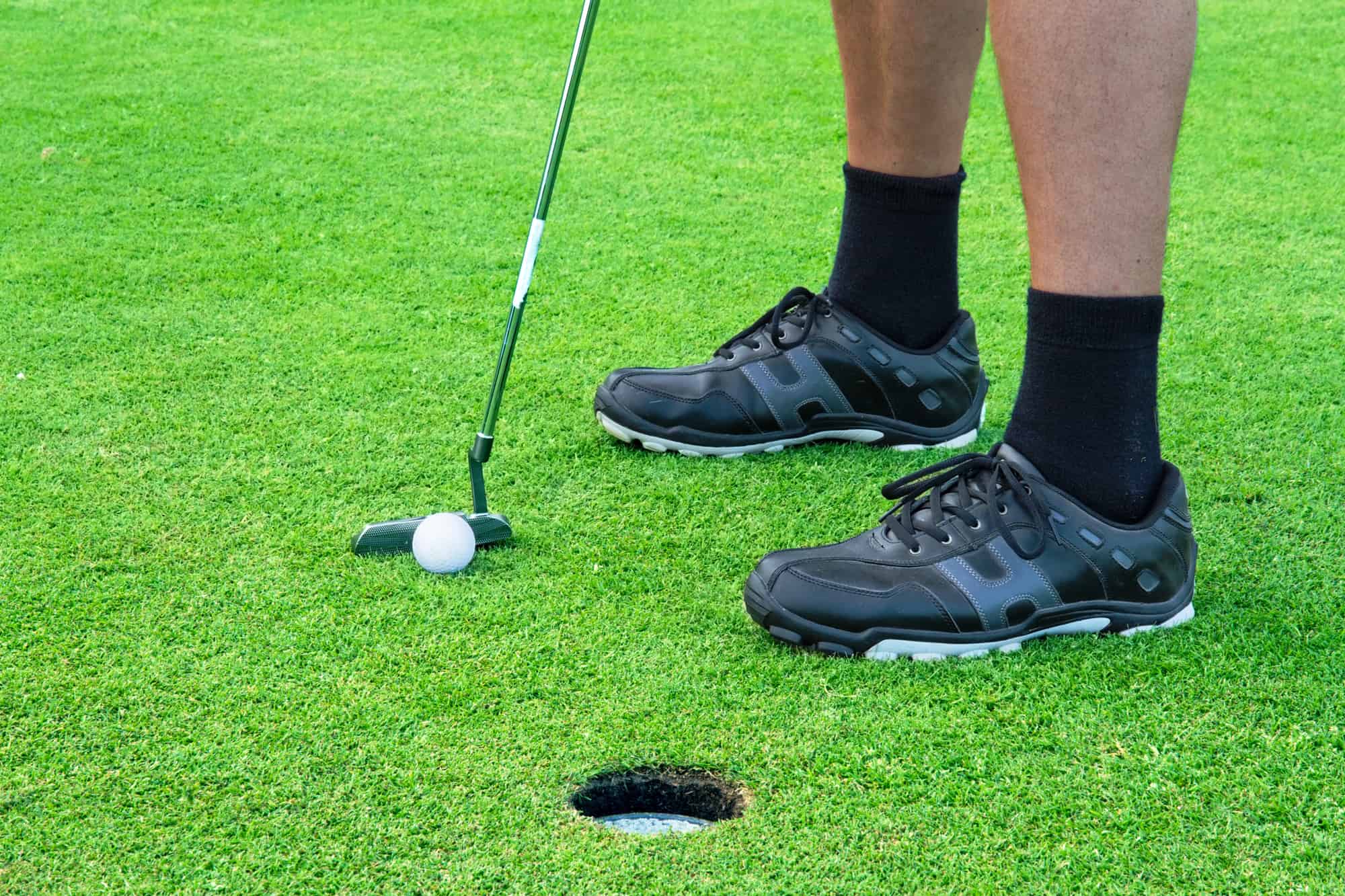
A round also includes far more steps than the scorecard shows. An 18-hole walk can cover several miles, depending on the course layout and how far you walk away from the cart path. Hills, long rough, wet grass, hard paths, and repeated trips around the green all add stress.
Swing forces and foot movement
During the backswing, pressure often moves toward the trail foot. During the downswing, pressure shifts toward the lead foot. At impact, the lead shoe must help you stay balanced while your hips and torso turn. A shoe with poor grip may allow unwanted movement.
This does not mean a shoe should lock your foot in place. Some natural movement is part of a healthy swing. The sole should provide steady traction without causing the foot to catch sharply in the turf.
Walking and course terrain
Walking on a flat executive course is different from walking a hilly parkland course. A links course may add firm ground, wind, sand, and uneven slopes. A course with long wet grass can soak the upper and create more friction inside the shoe.
Cart users also wear shoes in ways that can cause damage. Climbing in and out of a cart, dragging one foot while turning, and walking on concrete can wear the heel and outsole.
Practice and training
A golfer who plays once a week but hits 200 balls at the range may wear shoes like a much more active player. Practice swings, repeated iron shots, and footwork drills place stress on the same parts of the shoe.
Golf fitness work can also matter. Balance drills, walking workouts, and strength sessions are useful, but golf shoes may not suit every exercise surface. Use footwear designed for the activity so the golf outsole does not wear on hard floors.
💡 Pro Tip: Track rounds, range sessions, and walking days for a month. This gives you a better estimate of shoe life than the purchase date alone.
The main signs your golf shoes need replacing
The clearest signs are poor traction, lost support, water leaks, and visible structural damage. Do not wait for a hole in the toe if the shoe already affects your balance or comfort.

A worn shoe can change how you stand at address. You may widen your stance, grip the ground with your toes, or shift weight to avoid pain. These changes can affect posture, tempo, impact, and follow-through.
Check the outsole and traction
Place each shoe on a flat surface and look at the sole from the side and bottom. The tread should make even contact with the ground. If one edge is much lower, your foot may be rolling inside the shoe.
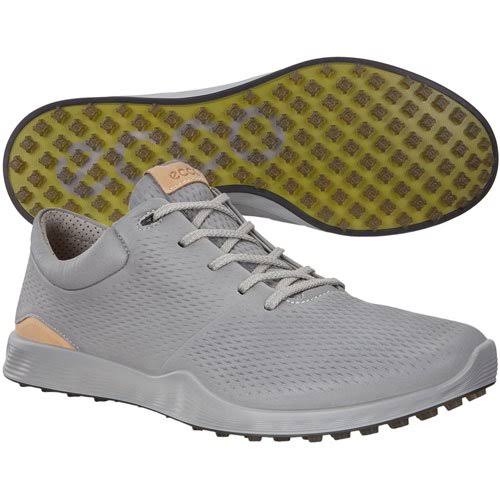
For spiked shoes, check whether cleats are worn, missing, bent, or loose. For spikeless shoes, inspect the molded tread. Smooth patches under the heel or forefoot can reduce grip during a swing.
Check the upper, seams, and sole bond
The upper is the material around the top and sides of the foot. Look for cracks near the toe box, heel, and flex points. Also check the seam where the upper meets the sole.
A sole that separates by even a small amount can let in water. It can also catch on grass or make your foot feel unstable. If the shoe bends in a new place or makes a cracking sound, its structure may be failing.
Check the midsole and cushioning
The midsole sits between the upper and outsole. It helps absorb shock and supports your foot during walking. Foam can compress over time, even when the outside still looks fine.
A simple test is to compare the worn pair with a newer shoe of similar type. If the old pair feels flat, uneven, or much less comfortable, the midsole may be tired.
| Warning sign | What it may indicate | What to do |
|---|---|---|
| Smooth tread | Reduced traction | Avoid wet or steep conditions and inspect closely |
| Sole separation | Structural failure | Stop using the shoe for play |
| Wet socks | Failed water barrier | Dry the feet and assess seams and material |
| Heel wear on one side | Uneven loading or gait | Check fit and consider professional advice |
| New foot or knee pain | Lost cushioning or poor fit | Stop if pain persists and seek medical advice |
A single worn spot does not always mean the whole shoe is unsafe. However, several signs together point to the end of useful life. If pain continues after changing footwear or reducing activity, see a doctor or qualified health professional.
What determines golf shoe durability?
Material quality matters, but use and care often matter more. Two golfers can own the same type of shoe and get very different results because their rounds, weather, swing pressure, and walking habits differ.

A golfer with a high handicap may take more strokes and walk more distance between shots. A low-handicap player may create more force through a fast swing. Both patterns can wear shoes, but in different places.
Weather and moisture
Water is one of the biggest threats to golf shoe life. Repeated soaking can weaken adhesives, stain materials, and reduce the shape of the upper. Damp shoes also take longer to dry, which can lead to odor and material breakdown.
Heat can cause its own problems. Hot storage areas may dry leather-like materials, soften adhesives, or distort the shoe. Direct sunlight can fade and stiffen some uppers.
Golfer weight, movement, and swing speed
Body size alone does not determine shoe life. A lighter golfer with a fast swing and strong ground force can create more outsole stress than a heavier golfer with a smooth, low-speed swing. A powerful player with a quick tempo may also place more pressure on the lead shoe.
The shoe must support the golfer’s movement without forcing an unnatural stance. A beginner who is still learning balance may drag a toe or twist the heel more often. An improving amateur may notice wear under the lead forefoot because of a stronger weight shift.
Fit, socks, and foot shape
A poor fit can shorten shoe life. If the shoe is too loose, the foot slides and rubs the heel. If it is too tight, the upper stretches at the toe and side. Both problems can create early cracks and pressure points.
Socks also affect friction and moisture. A damp foot moves more inside the shoe. That can cause blisters and wear the lining.
The next table shows how common factors can change durability.
| Factor | Effect on golf shoes | Golfers most affected |
|---|---|---|
| Frequent walking | More outsole and heel wear | Seniors, walkers, competitive players |
| Wet rounds | Weakens seams and adhesives | Players in rainy or humid regions |
| Fast swing and strong rotation | More torque at the lead foot | Low-handicap and powerful players |
| Range practice | Repeated stress in one area | Improving amateurs and juniors |
| Poor fit | Sliding, rubbing, and uneven wear | New golfers and changing-size juniors |
| Hard paths and concrete | Abrades the outsole | Cart users and links-course players |
The key takeaway is that mileage and conditions matter more than labels. A shoe used only for dry rounds may last longer than one used often in wet grass, even if both pairs are the same age.
Spiked versus spikeless golf shoes
The main difference between spiked and spikeless golf shoes is how they create traction. Spiked shoes use replaceable cleats or spikes. Spikeless shoes use molded rubber or similar tread built into the outsole. Neither design lasts forever, and each needs regular inspection.

Spiked shoes can maintain useful traction when cleats are replaced at the proper time and the outsole remains sound. However, a damaged cleat system, loose fitting, or cracked sole can still make the shoe unsafe.
Spikeless shoes may feel natural for walking and use away from the course. Their tread can wear gradually, especially on paths and parking areas. Once the tread is smooth, replacing individual parts is not usually possible.
| Design | Strength | Limitation |
|---|---|---|
| Spiked | Cleats may provide strong grip and can be replaced | Cleat sockets and outsole can still fail |
| Spikeless | Smooth walking feel and simple maintenance | Molded tread cannot usually be restored |
| Traditional metal spikes where permitted | High traction in some conditions | Often restricted by course policy and turf concerns |
Course policies vary. Many facilities restrict certain spike types to protect greens and clubhouse floors. Check local rules, club policy, and tournament information before playing.
📜 Check the Rules: The Rules of Golf generally do not require one specific golf shoe design. Still, shoes must not be used to create an unfair advantage, and a club or competition may have footwear policies. Check the latest Rules of Golf and the local committee for updates.
How to make golf shoes last longer
The best way to extend golf shoe life is to dry them slowly, clean them gently, and give them time to recover between uses. A basic care routine can protect the upper, outsole, and inner lining.

1. Remove loose dirt after each round
Use a soft brush or cloth to remove grass, mud, and sand. Pay attention to the grooves in the outsole. Packed soil can hide cracks and reduce traction.
Do not strike the shoe against a hard surface. Repeated impact can loosen the sole or damage the heel.
2. Dry them at room temperature
Open the tongue and remove the insole if it can be removed safely. Let the shoes dry in a cool, ventilated place. Keep them away from direct heat, radiators, hair dryers, and hot car interiors.
Fast heat may shrink or stiffen materials. It can also weaken glue.
3. Rotate between pairs when possible
Using the same shoes on back-to-back wet days gives them little time to dry. A rotation allows the lining and midsole to recover. This can help people who play many rounds each week.
This tip best suits frequent walkers and competitive players. It may not matter as much for a golfer who plays only a few dry rounds each season.
4. Keep the outsole clean
After a wet round, rinse off heavy mud with a small amount of water if the manufacturer permits it. Do not soak the entire shoe. Remove cleats only with the correct tool and only when the design allows it.
5. Store shoes in a dry, ventilated place
Avoid sealed plastic bags while the shoes are damp. Moisture trapped inside can create odor and damage the lining. Store them with the shape supported, but do not force the toe or heel outward.
6. Inspect before important rounds
Look at the sole, laces, seams, heel, and cleats. A short check before a tournament or junior event can prevent a small issue from becoming a balance problem.
| Care habit | Why it helps | Best timing |
|---|---|---|
| Brush off mud | Protects tread and exposes damage | After each round |
| Air dry slowly | Reduces heat and moisture damage | After wet play |
| Check cleats | Maintains even traction | Every few rounds |
| Rotate use | Gives materials time to dry | During frequent play |
| Store in ventilation | Limits odor and lining damage | Between rounds |
🌿 Course Care Note: Cleaning shoes away from greens and tees helps keep mud and grass from being carried onto sensitive areas. Repair ball marks, replace divots, rake bunkers, and dispose of broken tees and litter properly.
How many rounds can golf shoes handle?
A common estimate is 75 to 150 rounds, but this number needs context. One walking round can place more stress on a shoe than one short cart round. A round on a hilly course may be harder on footwear than a flat executive course.

Practice rounds count too. Nine holes, a junior clinic, a driving-range session, and a long warm-up can each add wear. If you use golf shoes for several hours at a time, count the total use rather than only official rounds.
Walking golfers
Walking golfers should inspect shoes more often. Look for heel wear, uneven tread, and compressed cushioning. A golfer who walks 18 holes several times a week may reach the lower end of the normal range.
Walking also increases the importance of fit. A small rubbing point can become a blister after several miles. Pain can change your posture and stride, which may affect your swing and your enjoyment of the game.
Golfers who ride
Riding reduces step count but does not remove swing forces. Cart users may still wear the lead forefoot and heel. They may also damage soles by walking across asphalt or climbing on and off the cart.
Cart safety matters as well. Keep feet and clubs secure, slow down on slopes, and follow the facility’s cart rules.
Juniors and growing golfers
Parents should check junior shoes every few weeks during periods of fast growth. A child may have enough length but not enough width. A stiff or tight shoe can affect balance and movement.
A junior shoe that no longer fits may cause toe gripping, heel lifting, or a narrow stance. These are fit problems, not swing faults. Junior-sized equipment and suitable footwear can help the child learn a balanced setup.
👪 Parent or Beginner Note: Ask a junior how the shoes feel after nine holes, not only when they first put them on. Children may ignore discomfort while focused on the score or their friends.
Golf shoe life for beginners, seniors, and different skill levels
Golf shoe durability is tied to the golfer’s routine, not the handicap index. A handicap index reflects scoring ability after adjustment for course difficulty and slope rating. It does not predict how quickly footwear wears out.

A beginner may walk unevenly while learning stance, posture, grip, and balance. An experienced player may load the lead foot with more force during the downswing. A senior may need more cushioning and stability because recovery from long walks takes longer.
Beginners and high-handicap golfers
Beginners often ask whether shoes matter before they learn a consistent swing. Stable footwear can help them feel balanced, but it cannot fix a poor grip, posture, or tempo. New golfers should focus on comfort, secure fit, and safe traction.
Beginners may also spend time on a driving range, putting green, chipping area, and course. That mixed use creates more wear than a round count suggests.
Improving amateurs
Improving players often increase practice volume. They may work on a backswing change, faster clubhead speed, or better ground pressure. These changes can expose weak traction or uneven wear.
A good check is to film a few swings from the front and down the line. If the lead foot slips or the heel lifts because of the shoe, address the footwear and the swing with separate questions. A PGA professional can help with the swing; a foot specialist can help with persistent pain.
Seniors
Seniors may benefit from paying close attention to cushioning, heel stability, and wet-ground traction. A shoe that feels fine for nine holes may feel poor over 18 holes. Fatigue can affect balance late in the round and increase the risk of a misstep.
A warm-up routine can help. Walk gently, move the ankles, and make easy practice swings before full shots. Stop if pain is sharp, persistent, or worsening.
Women’s and men’s golf footwear
Foot shape varies within every group. Some women have narrow heels and some have wide forefeet. Some men need a narrower heel or more room at the toes. The right assessment is fit, not a gender assumption.
Left-handed and right-handed players can wear shoes differently. The lead foot changes sides, so the most worn outsole area may also change. Inspect both shoes rather than assuming one side tells the whole story.
A simple golf shoe inspection routine
A five-minute inspection can reveal most problems. Do it after cleaning and before a long round, tournament, or trip to a new course.

Step 1: Check the sole on a flat surface
Set both shoes down. Look for rocking, uneven edges, and gaps between the sole and the floor. Press lightly near the heel and forefoot. Excessive softness or movement may signal midsole wear.
Step 2: Examine the lead shoe
The lead shoe often receives more pressure during impact and the follow-through. Check its forefoot, outside edge, heel, and flex point. Compare it with the trail shoe.
Step 3: Test the upper
Bend the shoe gently where your foot bends. Normal flex is expected. Deep cracks, loud creases, or a sole that peels away are not normal.
Step 4: Check inside the shoe
Feel for a flattened insole, rough lining, exposed material, or a raised seam. These issues can cause blisters and change how your foot sits.
Step 5: Walk and swing slowly
Take a short walk and make a few slow practice swings. Notice slipping, heel lift, toe pressure, or pain. Do not test a damaged shoe with a full-speed swing.
| Inspection area | Healthy sign | Replace or stop using when |
|---|---|---|
| Outsole | Even tread and firm bond | Tread is smooth or sole separates |
| Upper | Flexible with intact seams | Cracks or open seams spread |
| Heel | Stable and upright | Heel collapses or tilts |
| Inner lining | Smooth and supportive | Lining bunches or exposes hard parts |
| Fit | Foot stays secure without pressure | Foot slides, rubs, or feels numb |
A shoe can pass a visual check and still feel wrong. Comfort and stability are part of the inspection, especially for older golfers and players who walk.
Common mistakes that shorten shoe life
Many golfers damage shoes through routine habits rather than hard swings. The most common mistakes are simple to prevent.
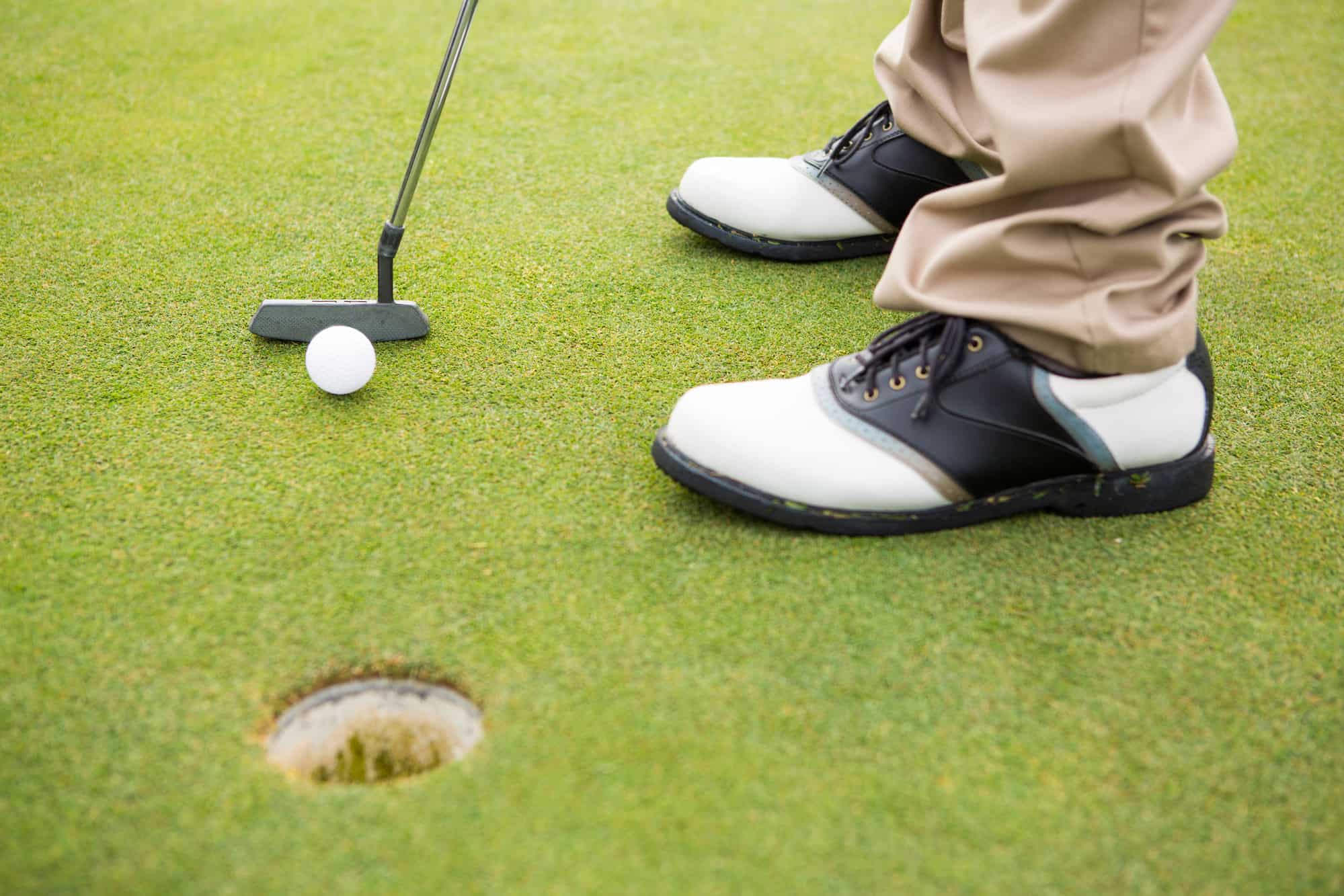
Leaving wet shoes in a car
A closed car can become very hot. Heat and trapped moisture are a poor combination for many shoe materials. Take damp shoes out of the car when practical and let them dry in a cool place.
Wearing golf shoes on hard surfaces
Golf shoes are made for turf and course paths, not long walks on pavement. Hard surfaces can wear tread and cleats quickly. This matters most for golfers who walk from the parking area or use the shoes for several hours away from the course.
Putting shoes away dirty
Mud hides cracks and holds moisture against the sole. A quick clean makes damage easier to spot and protects the tread.
Using one pair for every activity
Golf shoes may not suit running, weight training, or long walks on concrete. Using them for other activities adds wear without improving your golf.
Ignoring early foot pain
Pain is information. Do not keep playing through sharp pain because the upper still looks new. A doctor should assess ongoing foot, knee, hip, back, wrist, or elbow pain.
Changing swing mechanics to match worn shoes
Do not alter your stance width, ball position, or weight shift to compensate for slipping. Replace or stop using the damaged footwear first, then review your swing.
⚠️ Safety Warning: Leave the course at the first lightning warning or when advised by course staff. Golf shoes do not protect you from lightning. In heat, drink water, use sun protection, take breaks, and watch for dizziness or confusion.
When worn golf shoes can affect your swing
Worn footwear can affect balance, but it is not a complete explanation for every golf fault. A slice, hook, thin shot, fat shot, or poor putting stroke usually has several possible causes.

A shoe with weak traction may cause a small slip during the downswing. That can change the club path and face angle at impact. A shoe with compressed cushioning may also make your stance feel uneven.
Tee shots and full swings
For full shots, stable contact with the ground supports a repeatable stance. If the lead foot slides, you may lose control of the follow-through. If the trail foot catches, you may restrict hip turn.
A beginner may notice this as a loss of balance. An advanced player may see a launch angle or spin-rate change. Neither observation proves the shoes are the only cause.
Chipping, pitching, and bunker shots
Short-game shots use smaller swings, but balance still matters. A wet or unstable sole can be risky near a bunker edge or on a slope. In a bunker, avoid dragging worn cleats through the sand more than needed and follow local care practices.
Putting and green reading
Golf shoes can affect putting through comfort and stability. However, putting faults usually relate more to setup, eye position, face control, speed, and green reading. Do not blame shoes for every missed putt.
A smooth putting stroke and a clear read can help more than changing footwear. Still, if your stance feels uneven, inspect the soles before a serious practice session.
Golf shoe durability by climate and course type
Climate changes both the materials and the amount of care needed. A dry desert course, humid coastal course, wet parkland course, and firm links course can each create different wear patterns.
The table below provides broad adjustments. Local turf, weather, and course policy always come first.
| Setting | Main stress | Helpful care response |
|---|---|---|
| Wet or humid region | Moisture, mud, slow drying | Clean and air dry after play |
| Hot, dry region | Heat, dust, stiff materials | Avoid hot storage and remove dust |
| Links course | Wind, firm ground, slopes | Inspect heel and outsole grip |
| Hilly parkland course | More walking and uneven loading | Check cushioning and uneven wear |
| Desert course | Hard paths and fine dust | Limit pavement use and clean tread |
| Frost or cold season | Stiff materials and slippery turf | Warm up and inspect traction |
Wet weather requires more than water resistance. Wet grass can make the ground slippery, so traction matters for safety. Cold weather may make some materials feel stiff, and frozen ground can increase impact through the legs.
A course superintendent manages turf health and traffic patterns. Follow cart restrictions, avoid marked repair areas, and respect temporary ground rules. These rules protect both the course and your footing.
Should you replace one golf shoe or both?
In most cases, replace golf shoes as a pair. Both shoes work together during the swing, and uneven wear can create an uneven stance. Replacing one shoe may leave different levels of cushioning, tread, or support.

There are exceptions. A new cleat may replace one damaged cleat. A loose lace or removable insole may need only one-sided attention. But a failed sole, collapsed heel, or major outsole wear usually affects the pair’s stability.
When repair may be reasonable
A minor lace problem, removable insole issue, or replaceable cleat may be corrected if the shoe remains structurally sound. Repair is less suitable when the upper is cracked, the sole separates, or the midsole is compressed.
Repair should not hide a safety problem. If the shoe cannot keep your foot stable during a slow practice swing, do not rely on it for a full round.
When replacement is the safer choice
Replace the pair when:
- The sole separates from the upper.
- Traction is smooth or badly uneven.
- A cleat system no longer holds securely.
- Water enters through several seams.
- The heel collapses or tilts.
- Pain appears only when wearing that pair.
- The shoe changes your stance or balance.
A practical maintenance schedule
A simple schedule helps match care to playing habits. The more often you walk and practice, the more often you should inspect the shoes.
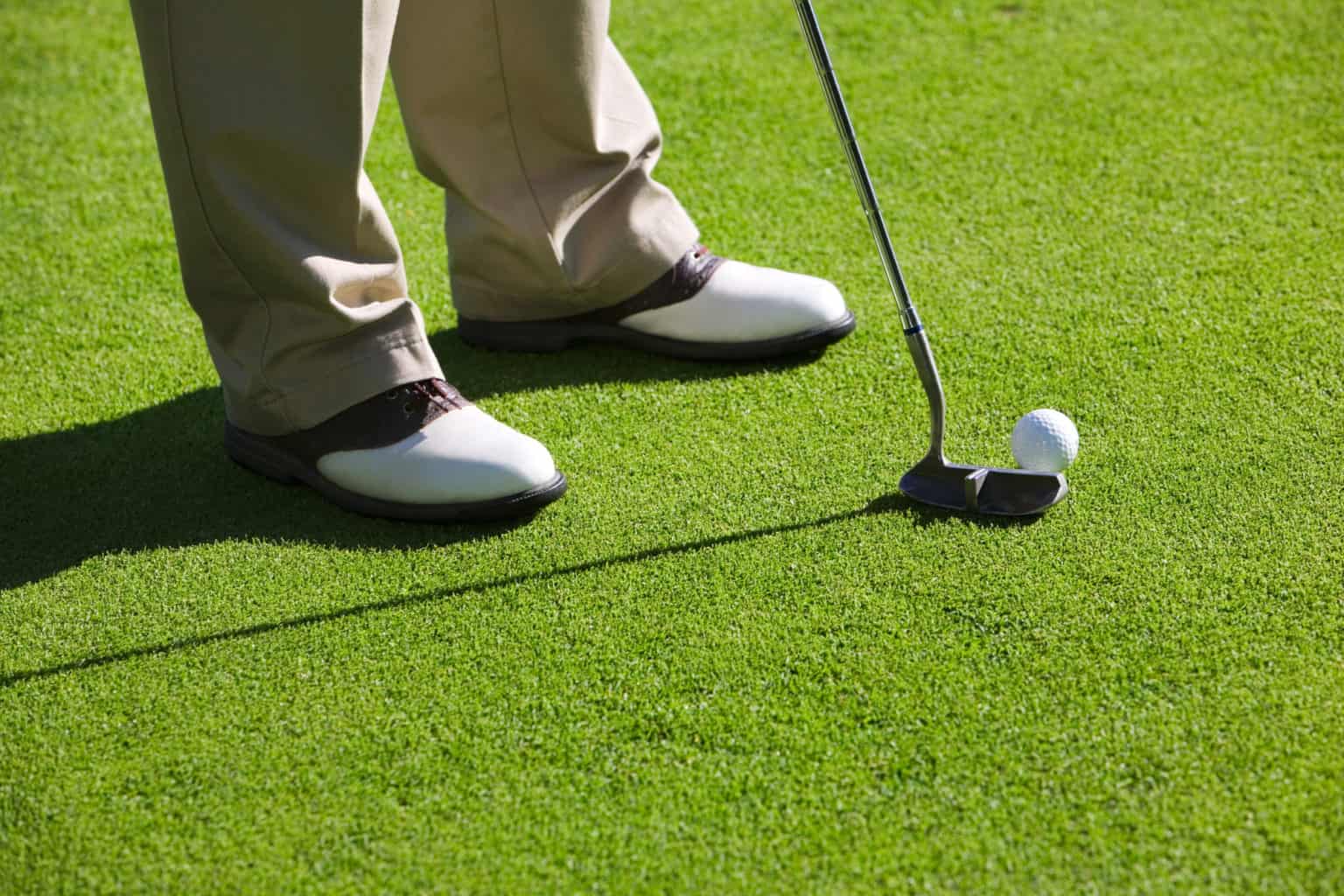
This schedule suits most recreational golfers. Competitive players, juniors, and people who walk daily may need more frequent checks.
| Timing | Task | Why it matters |
|---|---|---|
| After each round | Remove grass, mud, and sand | Protects tread and reveals damage |
| Every 3–5 rounds | Check seams, heel, and sole bond | Finds early structural problems |
| After wet play | Dry fully before storage | Limits moisture damage |
| Monthly during active seasons | Compare both shoes for wear | Finds uneven loading |
| Before a tournament | Walk and swing slowly | Prevents surprises on course |
A short care routine is easier to follow than a deep clean after damage has begun. New golfers can use this as part of their post-round routine. Parents can teach juniors to clean and inspect their own shoes.
FAQs about golf shoe life
Q: How long do golf shoes last if I play once a week?
A: Once-a-week golfers often get one to three years, depending on walking, weather, and care. Count range sessions and practice time too. Inspect traction and cushioning rather than relying only on age.
Q: How many rounds should golf shoes last?
A: A broad estimate is 75 to 150 rounds. Walking, wet conditions, hills, and range practice may reduce that range. Cart use on dry, flat courses may extend it.
Q: Do spikeless golf shoes last longer than spiked shoes?
A: Not always. Spikeless shoes have molded tread that can wear down. Spiked shoes may keep traction through cleat replacement, but their outsole and cleat sockets can still fail. Use and care decide more than the design alone.
Q: Can I play golf in running shoes?
A: Running shoes may feel comfortable, but they may not provide the side-to-side stability or turf grip needed for a full swing. They can suit light practice on dry, flat ground for some beginners, but they may not suit wet grass, slopes, or powerful swings.
Q: How do I know if golf shoes are worn out?
A: Look for smooth tread, loose soles, open seams, collapsed heels, water leaks, or new pain. Also notice slipping during the downswing or a foot that slides inside the shoe.
Q: Do golf shoes lose waterproofing over time?
A: Yes. Flexing, abrasion, cleaning, heat, and age can weaken water barriers. If socks get wet through normal grass contact, inspect seams and the sole bond.
Q: Can worn golf shoes cause back pain?
A: They can contribute if they create uneven support, poor traction, or a changed walking pattern. Back pain has many causes, so do not assume shoes are the only reason. Stop if pain is severe or persistent and seek medical advice.
Q: Do seniors need different golf shoes?
A: Seniors may benefit from secure fit, steady traction, and cushioning that remains comfortable over 18 holes. The best choice depends on foot shape, walking habits, balance, and health. A doctor or physical therapist can help with ongoing pain or balance concerns.
Q: What should parents check on junior golf shoes?
A: Check length, width, heel security, tread, and comfort. Children can grow quickly, so inspect fit often. Shoes that cause toe gripping or heel lifting may affect balance and should not be ignored.
Q: Do women’s golf shoes wear differently from men’s?
A: Wear depends more on fit, stride, foot shape, walking, and swing forces than on gender. The lead shoe may show more wear for either a left-handed or right-handed golfer.
Q: Are golf shoes required by the Rules of Golf?
A: The Rules of Golf do not normally require one specific shoe design. A club or competition can set footwear policies, and the latest rules and local committee instructions should be checked before play.
Q: Can I use golf shoes on the driving range?
A: Yes, many golfers do, but range mats and concrete can wear the outsole faster than grass. Clean the tread after practice and include range time when judging shoe life.
Q: How long does it take to break in golf shoes?
A: Comfort can improve over several short uses, but shoes should not require painful break-in. Walk and make easy swings before playing 18 holes. Stop if you develop blisters, numbness, or sharp pain.
Q: Should I wear golf shoes for putting practice?
A: You can, especially if you want to practice your normal setup. For a short indoor session, other stable footwear may be enough. The key is to keep your stance comfortable and your feet secure.
Q: Can I extend golf shoe life with shoe trees?
A: A simple shape support can help some shoes maintain form, but it should not stretch the shoe too far or trap moisture. Let wet shoes dry first. Ventilation matters more than forcing the shape.
Final thoughts
Golf shoes usually last one to three years, but the number of rounds, walking distance, weather, course type, swing forces, and care routine matter more than the date on the calendar. Check the outsole, upper, midsole, heel, cleats, and inner lining. Then test the shoes with a short walk and slow practice swings.
For beginners, comfort and secure balance are the main priorities. For improving golfers, traction and even wear can support a consistent stance during the downswing. For seniors and juniors, fit, cushioning, and safety deserve extra attention. When the shoe affects your balance, leaks, separates, or causes pain, it has reached the end of its useful life.