Fairway wood spin controls carry, stopping power, and side spin to shape distance and accuracy.
I have worked with golfers and gear for years. I test clubs and track data to learn how fairway wood spin affects shots. This guide explains what fairway wood spin is, why it matters, and how to tune it for more distance and better short-game control.

Understanding fairway wood spin
Fairway wood spin means the rotation on the golf ball after impact. Spin has two parts. Backspin keeps the ball in the air. Sidespin makes it curve left or right.
Spin changes carry distance and how the ball stops on the green. More backspin slows forward roll and helps the ball stop. Less backspin can add roll but can hurt control and accuracy.
Spin is measured in revolutions per minute. Typical 3-wood spin often sits between 2000 and 3500 rpm, depending on swing speed and launch. Knowing your fairway wood spin helps you pick the right club and shot shape.

How fairway wood spin affects ball flight and performance
Backspin raises the ball and keeps it aloft. Higher spin increases carry. It can also make the ball land softer.
Low fairway wood spin gives more roll after landing. That can add total distance. It can also hurt green-holding ability on firm surfaces.
Sidespin causes hooks and slices. Even small sidespin values change direction. Control requires managing both backspin and sidespin.

Key factors that control fairway wood spin
Loft
- More loft usually creates more backspin and higher launch.
- Less loft tends to lower spin and produce a lower flight.
Clubhead speed and angle of attack
- Faster swings can boost spin if contact is high on the face.
- A shallow or slightly upward attack often lowers spin on fairway wood shots.
Strike location and face loft at impact
- Hitting low on the face often raises spin and lowers speed.
- Center strikes give cleaner spin numbers and better distance.
Shaft and ball choice
- Stiffer shafts can reduce unwanted face deflection and odd spin.
- Soft urethane cover balls can raise spin around the green and on approach shots.
Club design and face technology
- Modern face cups and variable thickness change spin behavior.
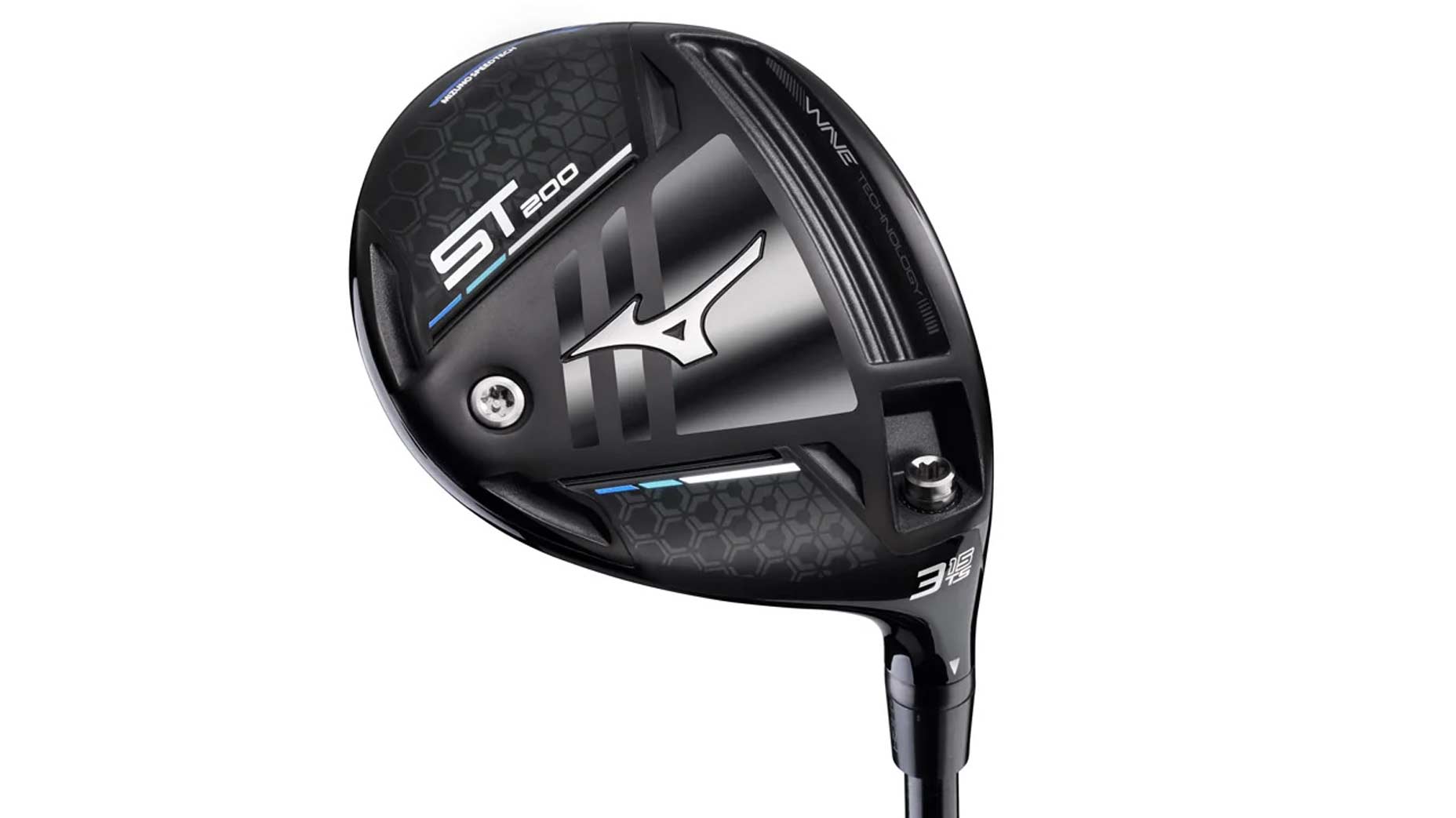
- Some fairway woods are built to reduce spin for more roll.
How to measure and interpret fairway wood spin
Use a launch monitor or on-course data. Look for these numbers:
- Spin rate in rpm for backspin.
- Launch angle for trajectory.
- Side spin or spin axis for curve.
Interpretation tips
- If your fairway wood spin is too high, expect less roll and more stopping.
- If spin is too low, you may get more roll and less control.
- Aim for a balance that matches your swing speed and course conditions.

How to tune fairway wood spin for better shots
Adjust setup and technique
- Place the ball slightly forward in your stance to lower spin and increase launch.
- Tee the ball low when hitting off the deck to sweep it with a fairway wood.
- Focus on a sweeping motion rather than a steep, downward hit.
Change equipment smartly
- Choose a fairway wood with a bit more loft if you need more spin and carry.
- Try different shaft flex and weight to see effects on face control and spin.
- Test softer or firmer golf balls to match your spin goals.
Practical drill to feel spin changes
- Practice with alignment sticks and a tee. Hit ten shots with the ball forward. Then shift the ball back slightly and hit ten more. Compare flight and stopping. You will feel how fairway wood spin changes with ball position.

My experience tuning fairway wood spin
I once played a links course where I needed roll off firm fairways. My stock 3-wood spin held too much and stopped short. I switched to a lower-lofted head and a firmer ball and gained roll. The total distance went up, and I won a stroke on the hole.
I also coached a mid-handicap player who had high sidespin from heel hits. We worked on center contact and a shallower swing. Their fairway wood spin dropped and accuracy improved. Lesson learned: small setup tweaks make big spin changes.
Equipment and tech to measure fairway wood spin
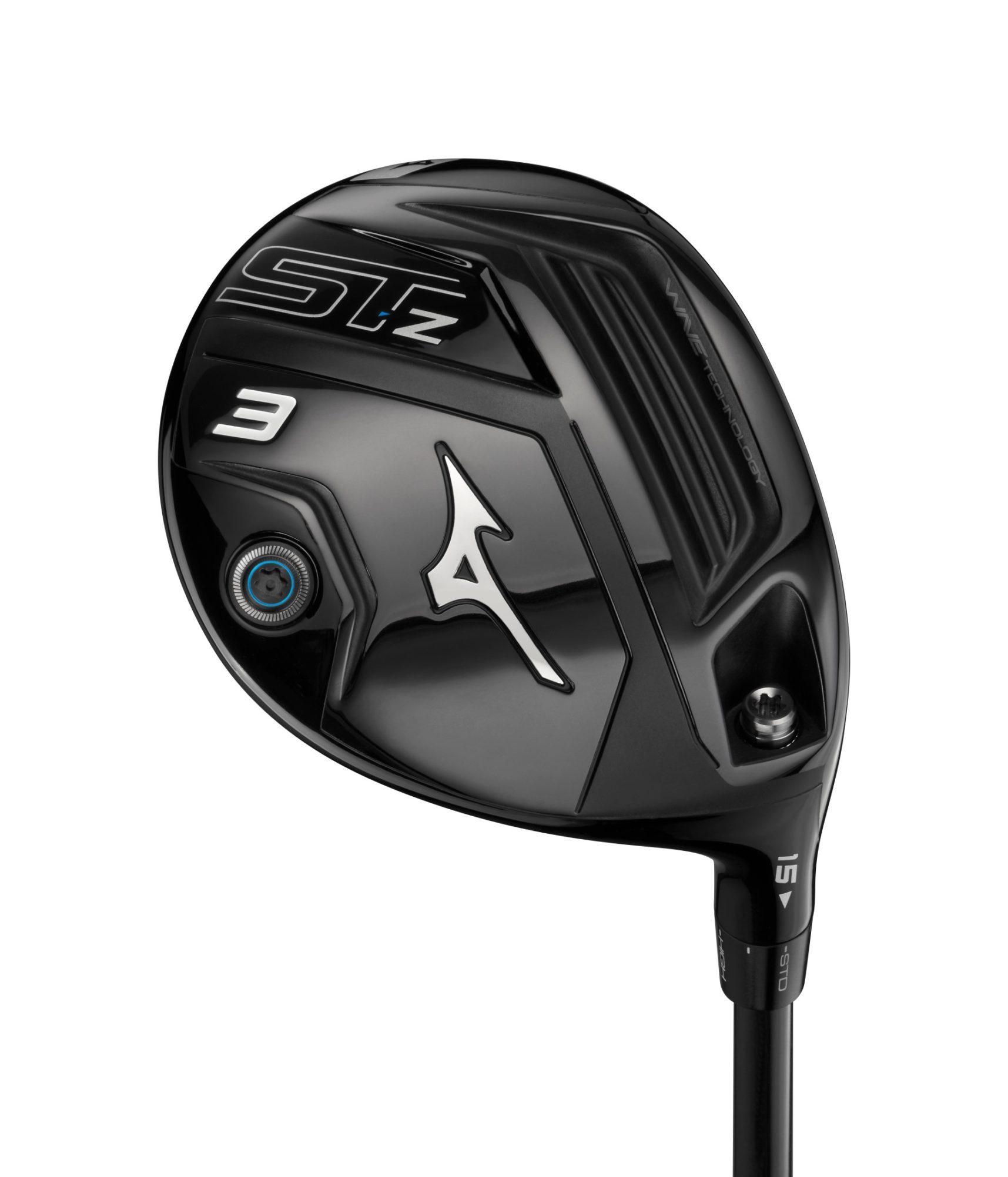
Launch monitors are the best tool to see fairway wood spin numbers. They show rpm, launch angle, and spin axis. Track patterns over multiple swings to find consistent trends.
Club fitting helps. A fitter can test loft, shaft, and ball combinations to reach ideal fairway wood spin for you. Testing in a controlled setting beats guessing on the course.

Common mistakes and fixes for fairway wood spin
Mistake: Ball too far back
- Fix: Move the ball slightly forward to reduce spin and increase launch.
Mistake: Hitting down too steep
- Fix: Sweep the fairway wood with a shallow attack to lower spin and keep speed.
Mistake: Wrong ball choice
- Fix: Try a firmer ball if you need less spin and more roll or a softer ball when you need more stopping power.
Mistake: Poor strike location
- Fix: Practice center contact. Use a headcover drill to train low miss and high miss awareness.

Frequently Asked Questions of fairway wood spin
What is a good spin rate for a 3-wood?
A common target for a 3-wood spin rate is between 2000 and 3500 rpm. Your ideal number depends on swing speed, launch angle, and course conditions.
How does loft change fairway wood spin?
More loft tends to increase backspin and launch. Less loft lowers spin and can add roll but may reduce stopping power.
Can I change fairway wood spin without a new club?
Yes. Small setup and swing tweaks like ball position, tee height, and attack angle can change spin. Ball choice and shaft swaps also help.
Does hitting the ball higher on the face change spin?
Yes. Hitting higher on the face often reduces spin slightly and can add ball speed. Hitting low on the face usually raises spin.
How do I stop my fairway wood from slicing?
Work on center contact and a square face at impact. Also adjust ball position and aim to reduce side spin. A fitting can identify gear causes.
Should I use a softer ball to increase fairway wood spin?
A softer cover can increase spin, especially on shorter shots. For long fairway wood shots, balance spin gains with potential loss in roll.
Conclusion
Fairway wood spin shapes distance, flight shape, and how the ball stops. Measure your spin, test small swing and equipment changes, and aim for a spin level that matches your speed and course needs. Try one change at a time and track the results to make smart choices.
Take action: test your fairway wood spin with a launch monitor or at a fitting. Share your numbers or questions below and keep refining your game.