Driver attack angle controls the club's upward or downward strike on the ball for ideal launch.
I have spent years fitting clubs and testing swings, and I know how small changes in the driver attack angle change ball flight, distance, and spin. This article breaks down driver attack angle in clear steps. You will learn what it is, why it matters, how to measure it, how to change it, and common mistakes to avoid. Read on for simple, proven advice you can use on the range and on the course.

What is driver attack angle?
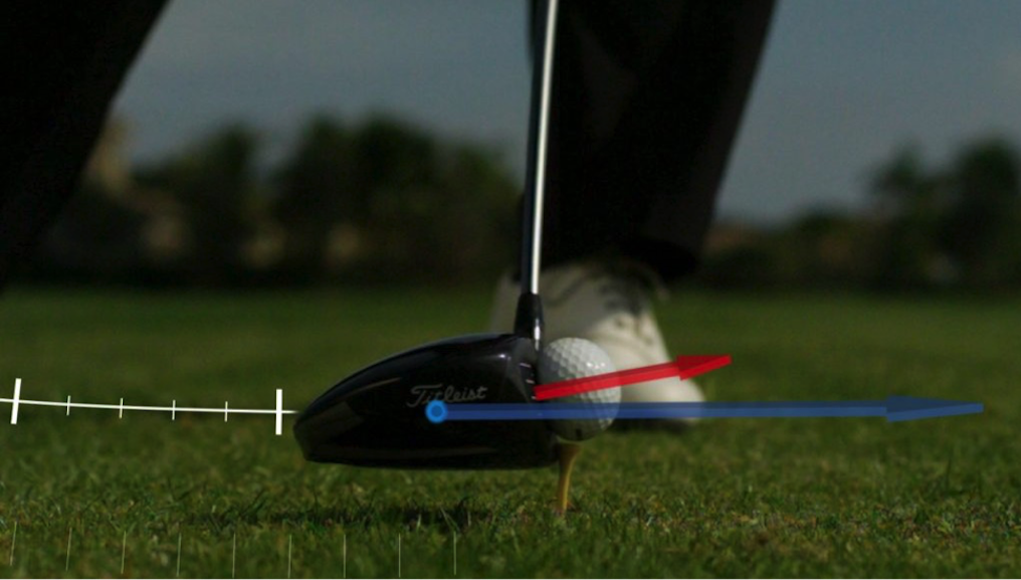
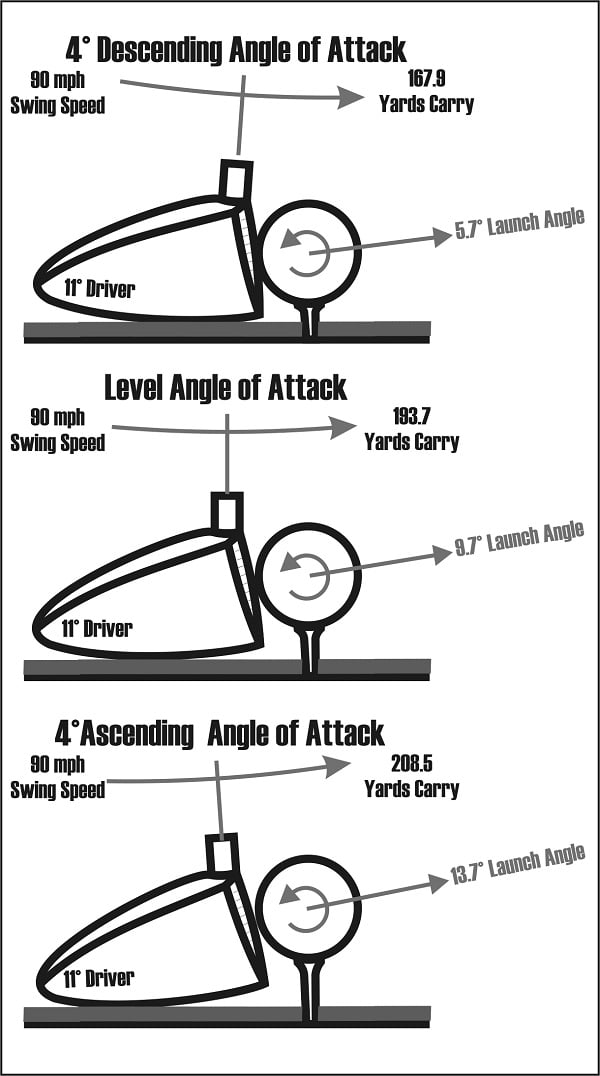
The driver attack angle is the path the club head moves vertically as it meets the ball. It measures whether the club hits up, down, or level at impact. A positive driver attack angle means the club is moving up through the ball. A negative driver attack angle means it is moving down. This single number affects launch angle, spin, and carry distance.

Why driver attack angle matters for distance and control
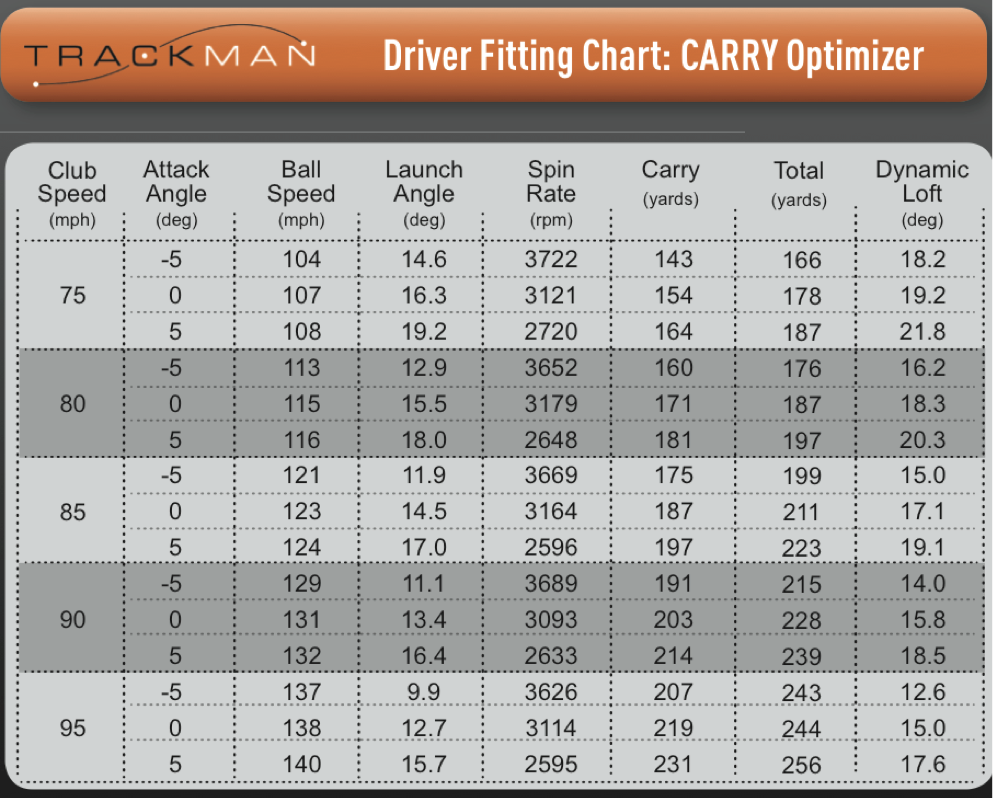
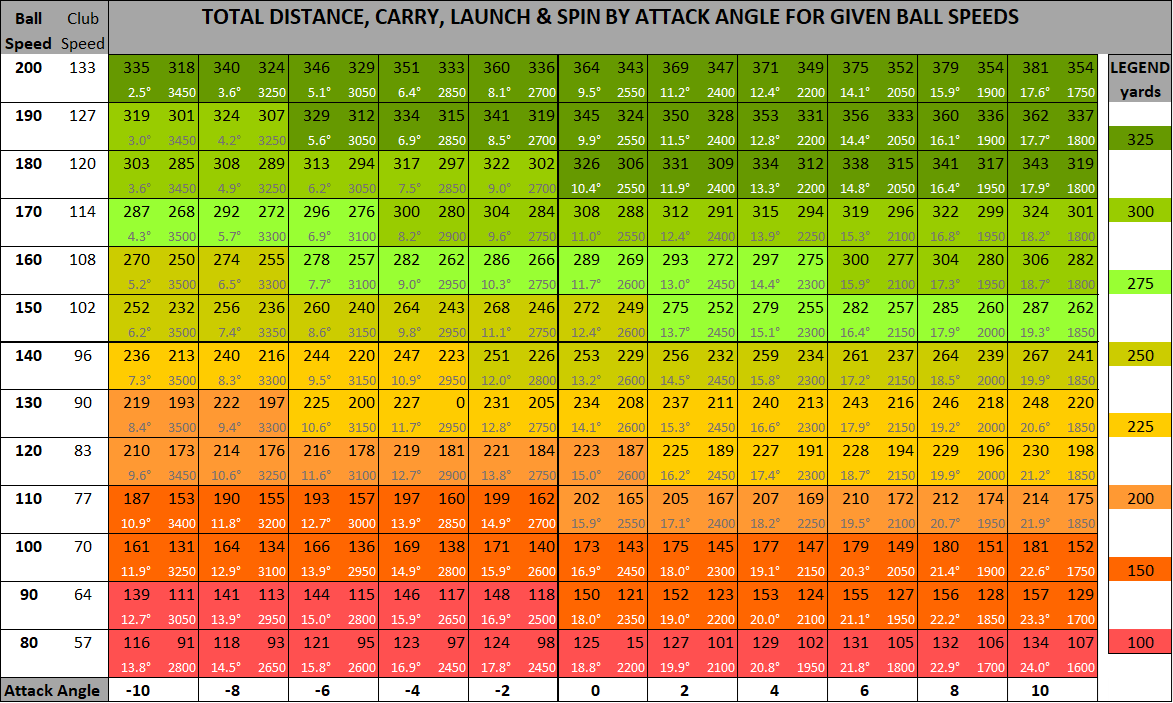
The driver attack angle has a big role in how far and straight your drives go. A higher, positive driver attack angle can raise launch and lower spin. That helps the ball carry farther. A negative driver attack angle can add spin. That reduces roll and can shorten drives. Small tweaks in driver attack angle can add yards. They can also add consistency in ball flight and shot shape.
How to measure driver attack angle
You can measure driver attack angle with launch monitors or with simple on-course cues. Here are practical ways to measure it.
- Use a launch monitor. It gives an exact driver attack angle in degrees.
- Video the swing from the side. Look at the club path at impact. Estimate if the club moves up, down, or level.
- Use a tee and mark. Set the ball high on a tee and see where the club strikes the tee. A dent behind the ball often means a positive driver attack angle. A dent in front means a negative attack angle.
Track driver attack angle over time. Note how changes affect launch and spin. This helps dial in the right setup and swing.

Ideal driver attack angle by skill and setup
The "ideal" driver attack angle varies by player and setup. Here are general targets.
- Low handicappers and players with fast swing speed. Aim for a positive driver attack angle of about +2 to +4 degrees. This helps lower spin and boost carry.
- Mid and high handicappers. A slight positive or neutral angle, around 0 to +2 degrees, often works best. It adds forgiveness and keeps spin in check.
- Players who hit long irons or fairway woods first. They may have a negative driver attack angle. Work toward neutral or slightly positive for more driver distance.
Remember that the club loft and shaft profile matter. The same driver attack angle will affect two different drivers in different ways. Test with your gear.
How to change your driver attack angle
You can change driver attack angle with simple swing and setup changes. Try these steps.
- Tee the ball higher. This encourages a more upward strike and a more positive driver attack angle.
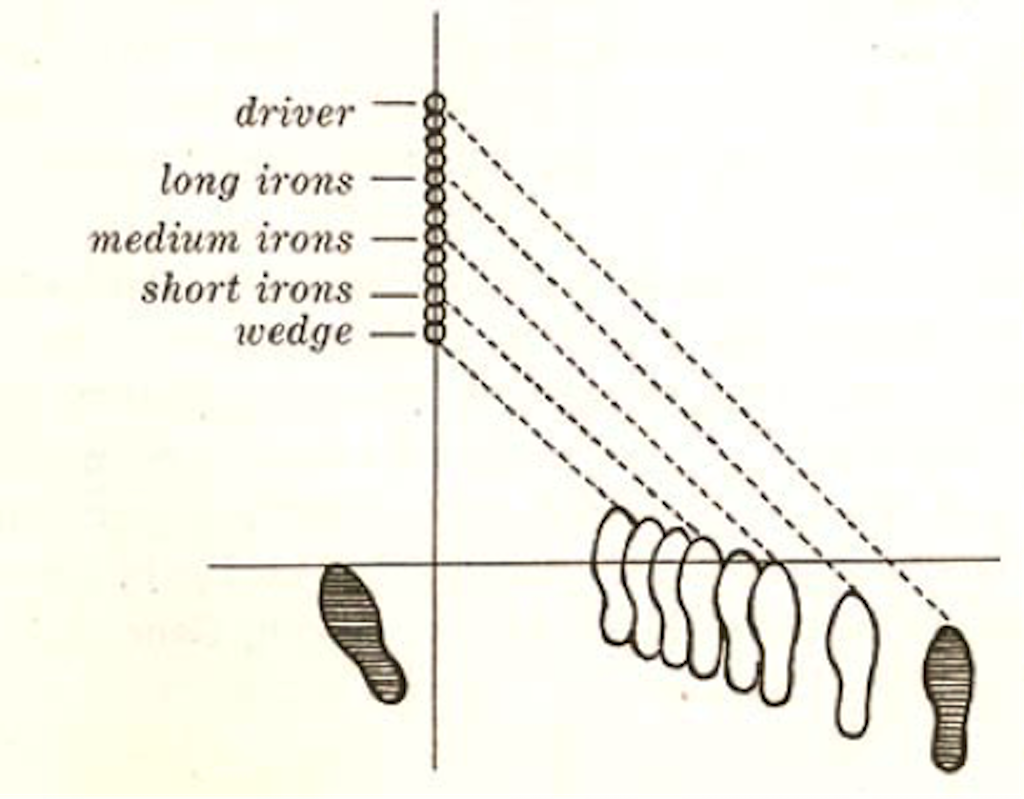
- Move the ball slightly forward in your stance. That gives the club more time to travel upward at impact.
- Tilt your spine away from the target. A small spine tilt can promote an upward blow and a more positive driver attack angle.
- Feel a shallow takeaway and a smooth transition. A steep downswing often causes a negative driver attack angle.
- Work with shaft flex and loft. A stronger loft or stiffer shaft can pair better with a given driver attack angle.
Make one change at a time. Track the driver attack angle on a launch monitor. Small moves produce the best gains.

Shot shaping and the driver attack angle
Driver attack angle also affects shot shape. A more upward driver attack angle tends to reduce spin. That can reduce hooks and slices by making the ball fly more on line. A negative driver attack angle can add side spin and exaggerate curvature. If you want a draw, slightly positive driver attack angle plus a closed face at impact often helps. If you need a fade, a neutral driver attack angle with an open face can be more reliable. Test on the range and note how driver attack angle changes curvature and control.
Common mistakes and how to avoid them
Many golfers try to force the driver attack angle. That backfires. Watch for these errors.
- Trying to hit up too much. It can cause an early lift and weak contact. Aim for a smooth, natural upward strike.
- Moving the ball too far forward. This can cause thin shots and loss of control. Move in small steps and test results.
- Ignoring equipment. Wrong loft or shaft can mask a poor driver attack angle. Fit your driver for your swing.
- Skipping measurement. Guessing your driver attack angle leads to inconsistent results. Track with video or a launch monitor.
Fix the root cause rather than chasing numbers alone. Small, steady changes win.
My experience with dialing in driver attack angle
I once worked with a mid-handicap player who lost length off the tee. We measured a negative driver attack angle near -3 degrees. I raised the tee, moved the ball a thumb to the right, and tuned the driver loft. Within a session, his driver attack angle moved to +1.5 degrees. Carry went up 12 yards. He also hit more fairways. The lesson: small, tested changes beat dramatic swings. Track numbers and trust what the ball tells you.
Tools and drills to practice driver attack angle
Use simple drills to train a better driver attack angle.
- Tee-height drill. Raise the tee by half an inch each session until contact improves.
- Impact bag drill. Feel the clubhead move slightly upward at impact. Keep swings slow and focused.
- Line drill. Place a headcover just in front of the ball. Avoid hitting it to promote an upward strike.
- Launch monitor sessions. Spend short, focused time with the monitor. Track driver attack angle, launch, and spin together.
Practice these drills in short bursts. Keep routine sessions and track changes in driver attack angle.
How fitters use driver attack angle
Fitters use driver attack angle to match loft, shaft, and head. They aim to pair your natural driver attack angle with a setup that lowers spin and maximizes ball speed. A fitter will test ball speed, launch angle, spin rate, and driver attack angle together. This creates a plan that is bespoke and measurable. If you can, work with a fitter and bring launch numbers.
Frequently Asked Questions of driver attack angle
What is a good driver attack angle for distance?
A good driver attack angle for many players is slightly positive, around +1 to +4 degrees. Exact targets depend on swing speed, loft, and gear.
Can I change my driver attack angle quickly?
You can make quick changes with tee height and ball position. Lasting change needs practice and consistent feedback from a launch monitor or video.
Does driver attack angle affect spin rate?
Yes. A more positive driver attack angle often lowers spin. Lower spin can add roll and increase total distance for many players.
Should I always try to hit up on the driver?
Not always. Hitting up helps many players, but the best approach is the one that pairs with your loft and swing to give ideal launch and spin.
How do club fitters use driver attack angle?
Fitters measure driver attack angle to match loft and shaft. They tune gear and setup so your driver attack angle produces the best carry and total distance.
Conclusion
Driver attack angle is a small number with a big effect. It shapes launch, spin, distance, and control. Measure it. Test small setup changes. Use drills and tools to make steady gains. My practical tip: focus on one change, track it, and let the numbers guide you. Try adjusting tee height and ball position first. If you found this helpful, leave a comment, subscribe for more tips, or book a fitting to see your numbers change.