How Do I Know What Golf Ball To Use: Find Your Perfect Ball
Choose a ball that matches your swing speed, spin needs, and budget for better results.
I’ve spent years testing golf balls on the range and course. I know how confusing the choices can be when you ask, "how do I know what golf ball to use." This guide breaks the question into clear steps. I’ll explain ball construction, what matters for your game, simple tests you can run, and practical recommendations by player type. Read on to make confident, tested choices that help you play better.

Understand golf ball basics
Knowing how golf balls are made helps you match one to your game. Balls vary by layers, cover material, compression, and dimple design. Each part affects feel, spin, distance, and control.
Key ball attributes
- Construction: two-piece, three-piece, four- or five-piece. More layers often mean more control.
- Cover material: Surlyn gives durability and distance. Urethane gives softer feel and more spin.
- Compression: A number that hints at how the ball reacts to impact. Low compression suits slower swings.
- Spin: Drivers, irons, and short game spin differ. Higher spin helps control around the green but can reduce distance off the tee.
Why these matter to you
- Distance: Two-piece, firmer balls usually fly farther for many golfers.
- Control: Multi-layer, urethane-cover balls let skilled players shape shots and stop the ball faster.
- Feel: Softer balls feel quieter and gentler at impact.
- Durability and price: Durable covers last longer. Premium balls cost more but can help low-handicap players.
How this ties to "how do I know what golf ball to use" is simple. Understand what you need from distance, spin, feel, and cost. Then match a ball’s attributes to those needs.
How to match the ball to your game
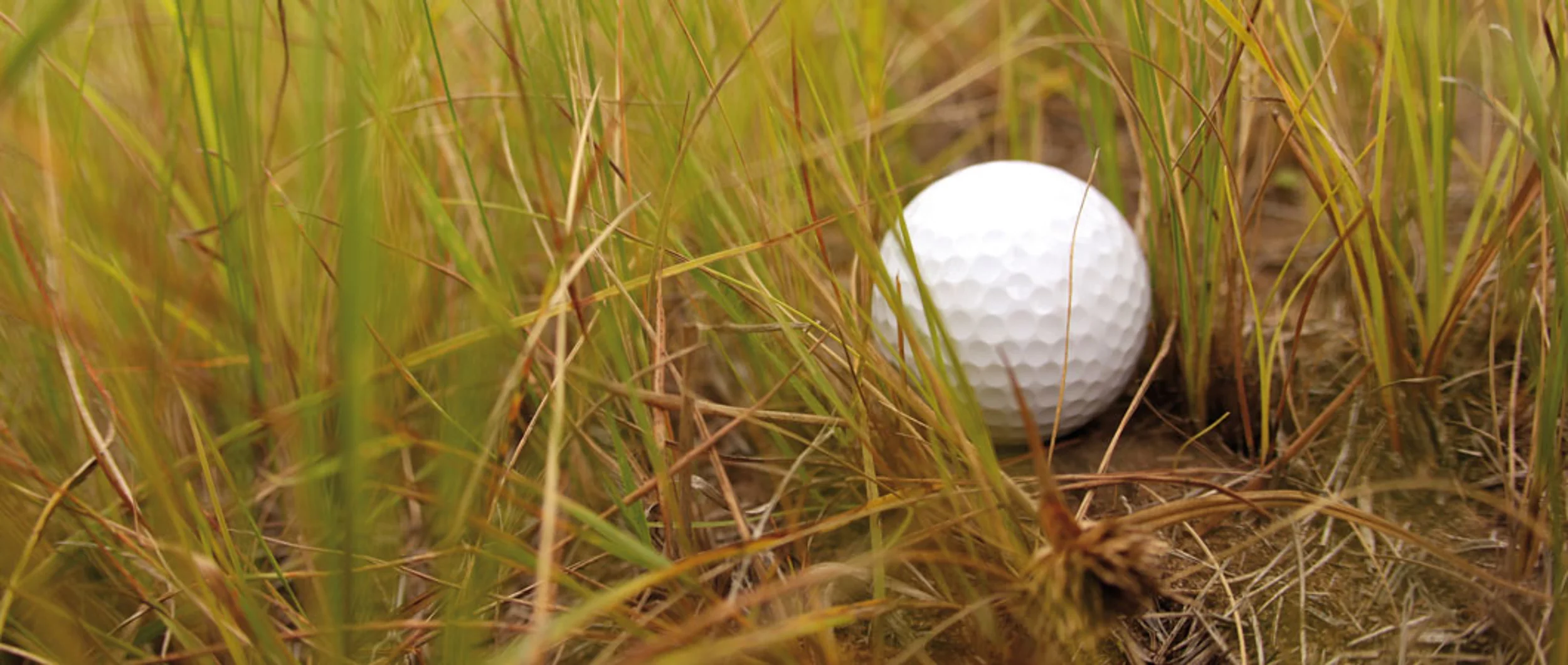
Start with your swing. Your swing speed and shot goals guide the choice. Ask: do you want more distance, tighter dispersion, or better short-game spin?
Step-by-step approach
- Measure swing speed roughly. Use a launch monitor session or estimate: slow = under 85 mph, medium = 85–100 mph, high = over 100 mph.
- Decide priorities. Distance off the tee? Spin control? Soft feel on short shots?
- Try balls by category. Test a low-compression distance ball, a mid-range balanced ball, and a premium urethane ball.
Simple decision rules
- If swing speed <85 mph, consider lower-compression, two-piece balls for better compression and distance.
- If swing speed 85–100 mph, try mid-compression multi-layer balls for a balance of distance and control.
- If swing speed >100 mph, premium urethane multi-layer balls can unlock max control and spin on short shots.
PAA-style quick questions
What if I have a slow swing speed?
Choose a low-compression, two-piece ball for easier compression and more feel on long shots.
Will an expensive ball help my score?
Only if you hit the ball well and need the extra spin and feel. For many golfers, mid-priced balls offer similar distance.
How long should I test each ball?
Hit at least 10 full shots with driver, 10 iron shots, and try a few chips and putts to judge feel and spin.
Testing for "how do I know what golf ball to use" means doing real tests. You’ll learn which ball fits your swing and your goals.
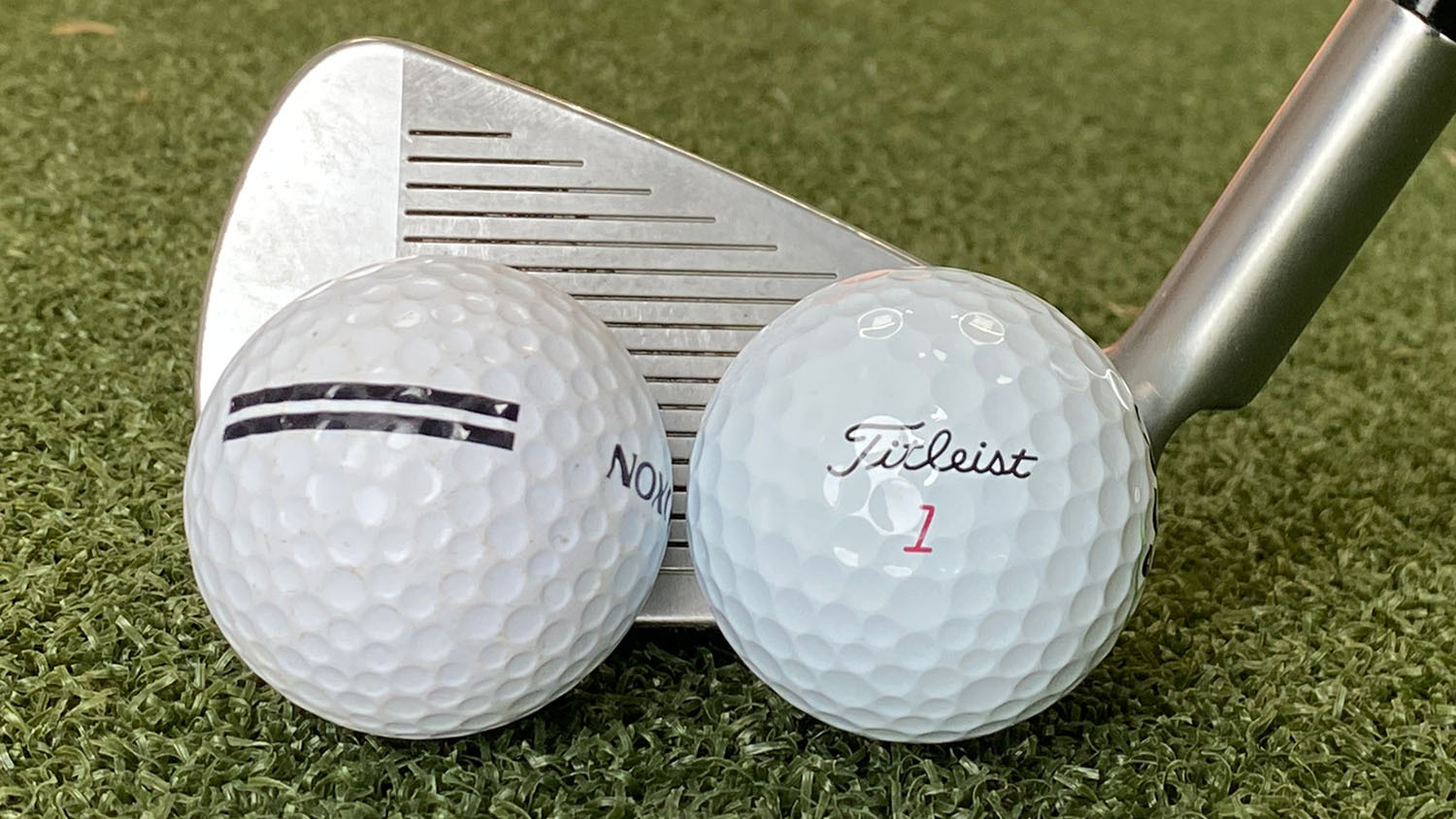
Practical testing and fitting process
Testing is where theory becomes real. You can test at a fitting center, use a launch monitor, or test on the course.
What to measure
- Carry and total distance with driver and a mid-iron.
- Side-to-side dispersion.
- Spin rates on iron shots and approach shots.
- Feel and stopping power around the green.
My testing routine from experience
- I bring three models to the range. I hit 10 drivers, 10 irons, and do 10 short-game shots with each.
- I note averages for distance and dispersion. Short-game feel comes from chipping and putting.
- I also play a few holes with each ball to see course behavior and durability.
Practical tips
- Use the same club and the same swing tempo for fair comparison.
- Test in similar wind and temperature conditions.
- Track results in a note app or a simple spreadsheet.
This hands-on test answers "how do I know what golf ball to use" in a way that numbers and feelings both validate.

Common mistakes and myths about choosing a golf ball
Many golfers pick by price, brand, or packaging claims. Avoid these mistakes.
Mistakes to avoid
- Choosing only on price. Expensive does not always equal better for your game.
- Picking by brand loyalty without testing. Performance varies by model.
- Assuming low compression always means better distance. It depends on swing speed and ball construction.
- Testing only on the range. Course conditions reveal true performance.
Myths busted
- Myth: All urethane balls are the same. Reality: Urethane covers vary in softness and construction that affect spin.
- Myth: Higher spin always helps. Reality: Too much spin off the driver can reduce distance.
Understanding these helps answer "how do I know what golf ball to use" with fewer errors and better results.
Recommendations by player type
Use these starting points. Then test and refine.
Beginners and high-handicap players
- Try two-piece, low- to mid-compression balls.
- Look for durability and distance.
- Prioritize forgiveness over spin.
Mid-handicap players
- Try mid-layered balls with moderate compression.
- Balance distance and greenside control.
- Consider urethane if you want more short-game spin.
Low-handicap and scratch players
- Use premium, multi-layer urethane balls.
- Prioritize spin control and feel for shot-shaping.
- Expect higher price but better workability.
Seniors and slow-swing players
- Favor low-compression, distance-oriented balls.
- Soft feel helps with shorter swing speeds.
- Focus on compression fit, not brand prestige.
High swing speed players
- Use firmer, multi-layer balls that control spin on iron shots.
- You may benefit from the feel and workability of premium balls.
These practical groupings address "how do I know what golf ball to use" by matching player profile to ball type.
Frequently Asked Questions
How often should I change my golf ball?
Change a ball when it’s cut, scuffed, or performance drops. Many players change balls every few rounds if they want consistent feel and spin.
Are premium balls worth the price?
Premium balls are worth it for skilled players who can use extra spin and feel. For most recreational players, mid-priced balls offer strong value.
Can one ball suit all shots?
No single ball is perfect for every shot. Some balls favor distance off the tee, while others favor spin and stopping power around the green.
How do I know if compression is right for me?
Match compression to swing speed. If you lose distance and feel, try a lower compression; if you have poor control, try a higher compression model.
Should I test balls on the course or range?
Do both. The range gives repeatable numbers. The course shows real play behavior, wind effects, and durability.
Conclusion
Choosing the right ball comes down to understanding your swing, knowing what you need from distance and spin, and testing options. Start with a sensible category for your skill and swing speed. Then run simple tests on the range and course to confirm. My advice: pick three candidates and play a few rounds with each. Track what improves your scores and confidence. Try this process next time you shop, and share your results or questions below.