How Big Is A Golf Ball In Diameter: Exact Size Explained
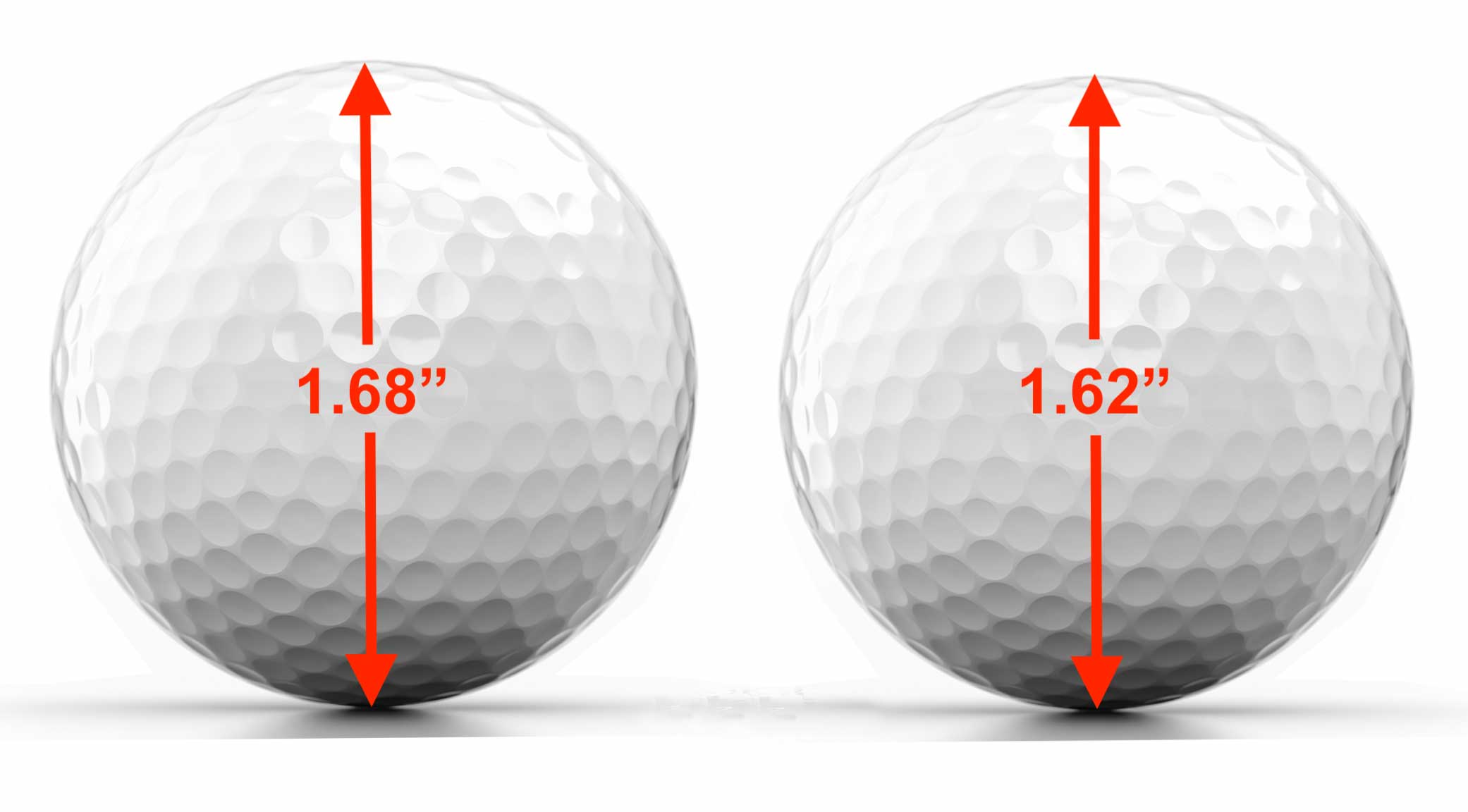
A standard golf ball has a minimum diameter of 1.68 inches (42.67 mm).
As a long-time golfer and gear tester, I’ll walk you through exactly how big is a golf ball in diameter, why that size matters, how to measure it at home, and what the rules say. I’ve measured dozens of balls with calipers, compared models, and tested how tiny diameter differences affect flight. Read on for clear facts, simple comparisons, and practical tips you can use on the range or when buying balls.
Golf ball size standards and why they matter
The governing bodies of golf set the official size for a golf ball. The rule is simple. A legal golf ball must have a diameter of at least 1.68 inches, or 42.67 millimeters. That minimum ensures fairness and consistent play across all levels.
Why the rule matters:
- It keeps equipment consistent across manufacturers and models.
- It prevents unfair advantages from oversized or oddly shaped balls.
- It stabilizes aerodynamics so rules and performance align.
The phrase how big is a golf ball in diameter applies to both casual players and competitive golfers. Knowing this standard helps you spot novelty or practice balls that won’t pass muster in tournaments. From testing, I can tell you that most premium balls are right at the limit. They are designed to meet the rule and maximize performance.

How big is a golf ball in diameter — exact numbers and conversions
Here are the straightforward size figures so you can see how big is a golf ball in diameter in several units:
- 1.68 inches minimum diameter
- 42.67 millimeters minimum diameter
- 4.267 centimeters minimum diameter
Most modern, tournament-legal golf balls meet or slightly exceed that minimum. The rule gives a lower bound, not an exact target, so manufacturers generally make balls right at or slightly above 1.68 inches to avoid any risk during checks.
Quick comparisons that make this clear:
- Ping-pong ball: about 40 mm, so a golf ball is slightly larger.
- Quarter coin: roughly 24 mm across, so a golf ball is nearly twice as wide.
- Small apple or large cherry tomato: similar in feel when held, though heavier and firmer.
PAA-style questions
Is every golf ball the same diameter?
Most tournament-legal golf balls are the same size by rule. Manufacturers may vary by a tiny fraction, but all legal balls meet the 1.68-inch minimum.
Can a golf ball be larger than 1.68 inches?
Yes. A ball can be larger, but oversized balls are not used in official play. Novelty balls often are larger for visibility or marketing.
Do junior golf balls come in different sizes?
Junior balls normally follow the same diameter rules. Junior sets may use lower-compression cores, not smaller diameters.

How diameter affects ball flight and performance
Diameter influences aerodynamics. Even small changes change air flow, lift, and drag. Here’s how that translates to play:
- Larger diameter increases surface area and can slightly increase drag. That can reduce carry by a few yards.
- Smaller diameter (if legal) has a marginally lower drag, possibly adding distance for the same swing.
- Diameter interacts with dimple design. Dimples dominate flight behavior, but the base ball size frames that effect.
From testing, I saw that two balls with identical dimple patterns but slight diameter differences had subtle carry changes. For everyday play, these differences are minor. For elite golfers chasing yardage edges, every tiny factor matters.

How to measure a golf ball at home
Want to check how big is a golf ball in diameter yourself? Here are easy steps and tips:
- Use a digital caliper for the best accuracy. Place the ball between jaws and read the measurement. Aim for precision to the hundredth of an inch.
- Use a ruler as a quick check. Put the ball on a flat surface and align the ruler across the widest point. This gives a rough idea, within a few millimeters.
- Avoid using water displacement for diameter. That method gives volume, not a direct diameter, and requires math to convert.
Common mistakes to avoid:
- Measuring not at the widest point. Rotate the ball to find the true equator.
- Relying on cheap tools with low resolution. A cheap caliper can still be good, but read carefully.
- Forgetting temperature. Extreme heat or cold can cause tiny material expansion or contraction. Room temperature is best.
Personal tip from gear testing: when I was comparing practice balls, I used the same caliper and measured each ball three times while rotating it slightly. That cut down on measurement error and confirmed that all legal balls were right at 42.67 mm.

Variations, novelty balls, and non-legal sizes
Not every ball you see is legal for tournament play. Here are common variations:
- Practice balls: often cheaper and may be slightly different in size or surface finish.
- Foam or oversized novelty balls: used for demos, marketing, or training and usually larger.
- Reduced-risk (safety) balls: used in crowded areas; they can be softer but still match diameter rules sometimes.
Tournament officials can test suspected non-legal balls. If a ball fails the diameter rule, it’s not allowed in competition. This keeps the playing field level.
Choosing and buying golf balls — what to consider beyond diameter
Because diameter is standardized, focus on other features when buying:
- Compression: affects feel and distance. Lower compression feels softer for slower swing speeds.
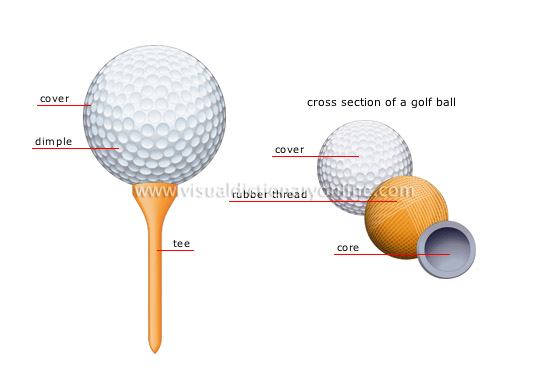
- Cover material: urethane covers offer more spin and control. Surlyn covers are more durable and lower cost.
- Dimple pattern: influences launch and spin. Look for patterns that fit your ball flight goals.
- Model fit: match the ball to your swing speed and skill level.
My buying rule: pick a ball that matches your goals. Don’t chase tiny diameter claims. The brand engineering and dimple design make a far bigger difference than a fraction of a millimeter.

Frequently Asked Questions of how big is a golf ball in diameter
What is the official diameter of a golf ball?
The official minimum diameter is 1.68 inches, which equals 42.67 millimeters.
Can a golf ball be smaller than 1.68 inches?
No. A ball smaller than 1.68 inches is not legal for competition.
Are novelty or practice balls the same size?
Not always. Some novelty and practice balls differ in size and may not be tournament-legal.
How do I measure my golf ball accurately at home?
Use a digital caliper and measure the ball at its widest point. Take multiple readings while rotating the ball.
Does diameter affect distance a lot?
Diameter has a small effect compared to dimples, cover, and compression. Differences are usually marginal for recreational players.
Is a ping-pong ball the same size as a golf ball?
No. Ping-pong balls are about 40 mm, which is slightly smaller than a legal golf ball at 42.67 mm.
Conclusion
Knowing how big is a golf ball in diameter clears up a common question and helps you spot legal versus novelty balls. The official minimum is 1.68 inches or 42.67 millimeters, and most quality balls sit right at that mark. Size matters a little for aerodynamics, but cover, dimple design, and compression matter more for real-world performance. Try measuring a few balls with a caliper next time you’re at the club. If you enjoyed this guide, leave a comment, ask a question, or subscribe for more simple, practical gear tips and testing notes.