How To Consistently Hit A Golf Ball: Pro Swing Tips
Consistent contact comes from a simple setup, steady tempo, and repeatable routine.
I’ve spent years coaching golfers and testing swings on range and course. This guide breaks down how to consistently hit a golf ball with clear steps, drills, and real tips you can use today. You’ll learn the core setup, a simple swing sequence, reliable drills, gear checks, and how to build a calm pre-shot routine that produces repeatable contact. Read on for practical, experience-driven advice that makes practice pay off.
Why consistency matters for every golfer
Consistency lowers scores and raises confidence. When you know how to consistently hit a golf ball, you hit more fairways and greens. That reduces pressure and makes course management easier. Good contact creates predictable distance and spin, which wins holes and rounds.
Foundations: grip, stance, and posture
Grip, stance, and posture are the base for how to consistently hit a golf ball. Start with a neutral grip, balanced stance, and relaxed posture.
- Grip: Hold the club so the V’s point to your right shoulder (for right-handers). A neutral grip encourages square impact.
- Stance: Feet shoulder-width for irons, slightly wider for woods. Weight balanced on the balls of your feet.
- Posture: Hinge from the hips. Knees soft. Spine straight but tilted forward slightly.
Quick checks before every swing:
- Hands relaxed, not squeezing.
- Ball position matched to the club.
- Eyes on the target, not just the ball.
These basics repeatable each shot help you make the same impact more often.

The simple swing sequence for repeatable contact
A compact, simple sequence helps you learn how to consistently hit a golf ball. Think of four phases: takeaway, transition, impact, and follow-through.
- Takeaway: Move the club back on a single plane. Keep the face neutral.
- Transition: Let the lower body lead the downswing. Shift weight to the front foot.
- Impact: Square the face and compress the ball. Aim for a smooth, descending strike with irons.
- Follow-through: Let the body rotate fully toward the target.
Practice this sequence with short swings first. Short, accurate swings build muscle memory faster than wild full shots. Focus on tempo more than power.

Practice drills to build consistency
Drills train the body and mind to repeat good moves. Use them often and keep sessions short.
- Alignment stick drill: Lay a stick on the ground to aim hips and feet. Repeat 10 swings.
- Gate drill: Place two tees just wider than the clubhead near the ball. Swing through without hitting them.
- Impact bag drill: Hit a soft bag to feel forward shaft lean and solid contact.
- Slow-motion swing: Make 10 swings in slow motion to groove sequence and timing.
- Tee drill for irons: Put a tee just in front of the ball and try to clip it after impact.
Practice plan:
- Warm up 5 minutes with short putts and half swings.
- Do one technical drill for 10 minutes.
- Hit 30 quality shots with focus on contact, not distance.
From my experience teaching, the gate drill fixed many students’ fat shots in weeks. Start small and add reps.

Equipment and ball position tips
Right gear and ball placement help you learn how to consistently hit a golf ball. Small gear issues can ruin good technique.
- Club fit: Shaft flex must match your speed. A wrong flex causes inconsistent strikes.
- Loft and lie: Incorrect lie angles push shots offline. Check club setup occasionally.
- Ball position: Move ball back for short irons, forward for driver. Proper ball position promotes the right swing arc.
- Grip pressure: Keep it light; tight hands kill feel and timing.
If strikes feel thin or heavy, review ball position and shaft feel before changing swing.

Common mistakes and simple fixes
Understanding common faults helps you correct them fast. Here are typical errors and quick fixes.
- Over-swinging: Keeps you off balance. Fix with a shorter backswing and tempo focus.
- Casting: Releasing the wrists early causes loss of power. Fix with impact bag to feel forward shaft lean.
- Early extension: Standing up at impact leads to thin shots. Fix by strengthening core and practicing posture holds.
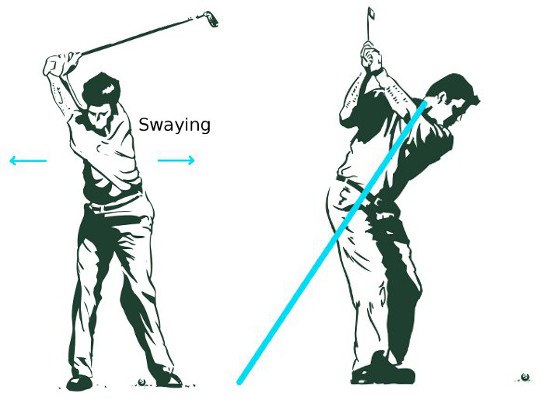
- Sliding lateral: Swaying hips ruins path. Fix with a step-drill to feel a weight shift.
These small changes make a big difference in how to consistently hit a golf ball.

Building a routine and mental game
A calm routine produces repeatable swings. Mental habits matter almost as much as physical ones.
- Pre-shot routine: Visualize the shot, pick a target, make one practice swing, then set up.
- Tempo: Count a steady 1-2 (backswing) 3 (downswing) to keep rhythm.
- Breathing: A deep breath before the swing reduces tension.
- Course management: Play the shots you can repeat. Avoid hero shots under pressure.
PAA-style question 1: How long should my pre-shot routine be?
Keep it short and consistent—about 10 to 20 seconds. The goal is calm focus, not overthinking.
PAA-style question 2: Does strength training help consistency?
Yes. Basic core and hip work improves balance and repeatable rotation. Strength helps timing, not technique.
PAA-style question 3: How often should I practice to improve consistency?
Short, focused practice 3 to 4 times a week beats one long session on weekends. Quality over quantity.
Frequently Asked Questions about how to consistently hit a golf ball
What is the easiest change to make for better contact?
The easiest change is to relax your grip pressure. A lighter grip improves feel and timing within a few practice rounds.
How important is ball position for consistent strikes?
Very important. Ball position changes the club’s arc at impact. Match ball location to the club for predictable contact.
Can practice swings improve my on-course consistency?
Yes. Practice swings groove rhythm and sequence. Use them to rehearse the motion before each real shot.
How do I stop hitting fat shots?
Check posture and weight shift. Use the impact bag and gate drill to build forward lean and clean contact.
Should I use training aids to get consistent ball striking?
Training aids can help when used properly and briefly. Choose simple aids and focus on feel, not crutch dependence.
How much does equipment affect my consistency?
Properly fitted clubs and correct shaft flex reduce swing compensation. Gear alone won’t fix poor technique, but it helps.
Is tempo or power more important for consistency?
Tempo is more important. A steady tempo produces repeatable strikes. Power comes later as tempo stays steady.
How long until I see improvement?
With focused practice and the right drills, many players see progress in 4 to 8 weeks. Stay patient and track reps.
Conclusion
Mastering how to consistently hit a golf ball takes simple steps done well. Focus on a neutral setup, a repeatable swing sequence, tempo, and short practice drills. Check gear and build a calm pre-shot routine. Start today with one drill and one clear goal for each practice. Keep notes, track progress, and enjoy small wins.
Try one drill this week and leave a comment on how it felt. Subscribe or explore more resources to keep improving.