How To Clean A Golf Ball: Easy Pro Tips
Clean golf balls by soaking in warm soapy water, scrubbing with a soft brush, then rinsing and air-drying.
I’ve cleaned thousands of golf balls over years of playing and club-fitting, so this guide shows you exactly how to clean a golf ball right — safely, effectively, and without harming performance. You’ll get step-by-step methods, stain fixes, tools that work, safety tips, and real-world advice from my own experience so you can keep your golf balls looking and performing their best.
 cleaning golf balls matters”
style=”max-width: 100%; height: auto; border: 2px solid black; border-radius: 10px; display: block; margin: 0 auto;”
loading=”lazy”
/>
Why cleaning golf balls matters
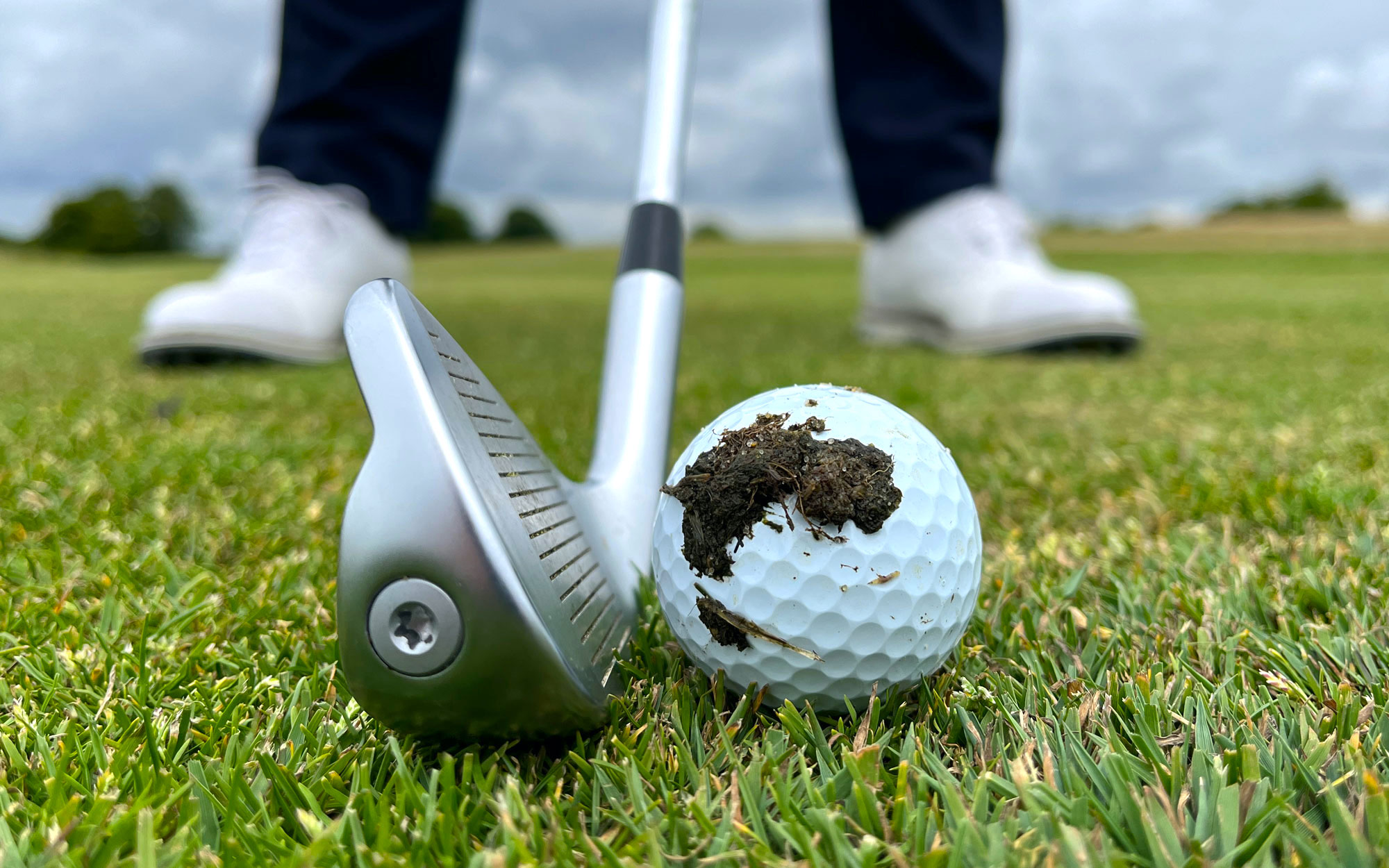
Dirty golf balls look worse and can change how they fly and roll. Dirt, grass, and scuffs can affect spin and aerodynamics, especially on shots that need precision. Cleaning helps maintain consistent performance and keeps your balls easy to read on the course.
Regular cleaning also protects the ball’s cover material. Leftover mud and grass can trap moisture, which shortens lifespan on softer covers. For club fitters and avid players, clean balls make shot comparison more reliable and fair.
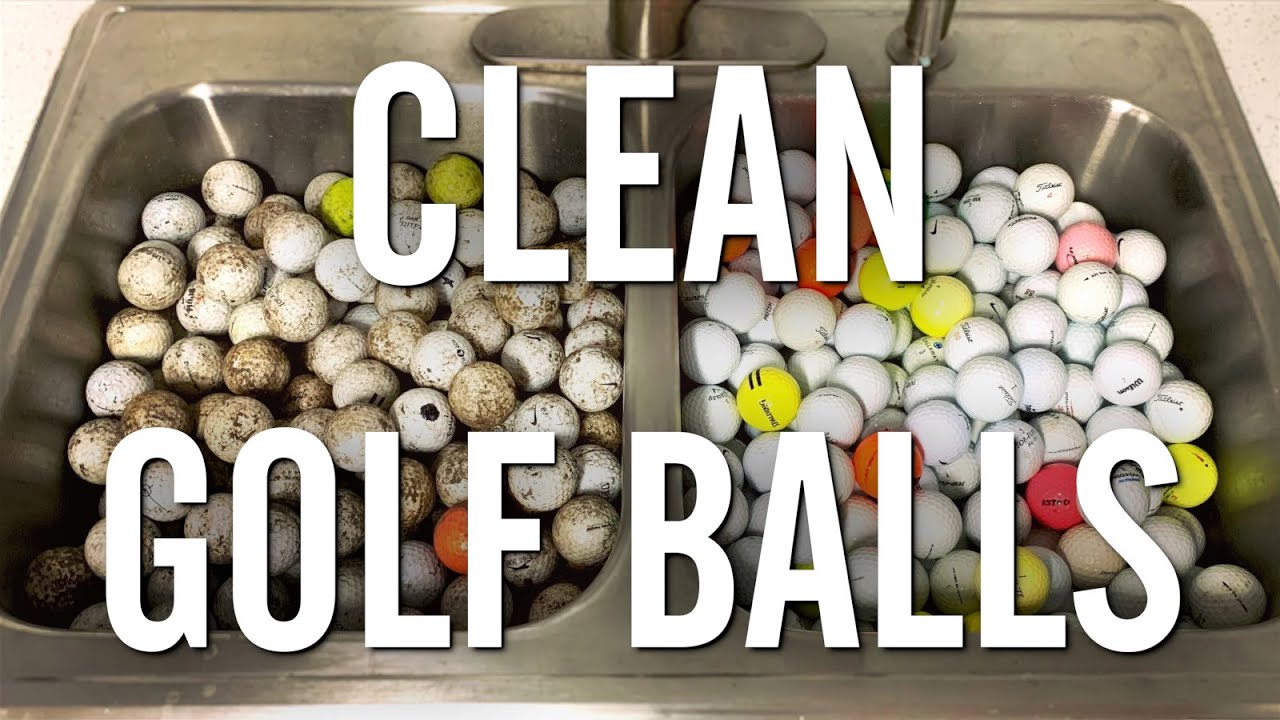
What you need to clean a golf ball
Use simple tools you likely have at home. Keep the cleaning gentle to avoid damaging covers or logos.
- Soft-bristled brush: A toothbrush or a small golf brush works well for dimples.
- Mild dish soap: Cuts dirt without harming the cover.
- Warm water: Helps loosen grime.
- Bucket or bowl: For soaking multiple balls.
- Microfiber cloth or towel: For drying and polishing.
- Optional items: Magic eraser for scuffs, white vinegar for stubborn stains, rubbing alcohol for ink marks.

Step-by-step methods to clean a golf ball
Below are safe, effective methods from quick rinses to deeper cleaning. Pick the one that fits your time and stain level.
Quick rinse (best on the course)
- Rinse the ball under warm tap water.
- Use a soft brush to scrub dimples gently.
- Wipe with a towel and let air-dry for a few minutes.
Soapy soak (best for most dirt)
- Mix warm water and a few drops of mild dish soap in a bowl.
- Soak balls 5–10 minutes to loosen dirt.
- Scrub with a soft brush, rinse under clean water, and dry with a cloth.
Vinegar soak for stubborn stains
- Mix one part white vinegar with two parts water.
- Soak balls 10–15 minutes, then scrub and rinse.
- Vinegar removes organic stains like grass or light mildew.
Magic eraser or gentle abrasive for scuffs
- Wet the magic eraser slightly.
- Rub scuff marks with light pressure.
- Rinse and dry; avoid aggressive scrubbing on soft covers.
Sanitizing or whitening (use sparingly)
- A diluted bleach solution can brighten white balls but may weaken coatings.
- Use a very weak mix and short exposure, then rinse thoroughly.
- Prefer safer alternatives first, like whitening toothpaste or specialized cleaners.
Machine washers (clubhouse ball washers)
- Use if available and in good condition.
- Inspect balls first for cracks; machines can be abrasive.
- Machine cleaning is fast for many balls but may be rough on older covers.
Common quick questions about cleaning
How often should you clean golf balls?
- Clean them whenever dirt affects your view or flight, often after a round or before club-fitting sessions.
Will cleaning improve ball distance?
- Cleaning can slightly improve aerodynamics and consistency, especially if the ball was heavily soiled.
Can cleaners damage the ball?
- Strong chemicals and rough abrasives can harm some covers; always test on one ball and prefer mild soap first.

Tips for deeper cleaning and stain removal
Use targeted techniques for ink, grass, or yellowing without overdoing chemicals.
- Ink marks: Apply a drop of rubbing alcohol to a cloth and dab gently, then rinse.
- Grass stains: Soak in warm soapy water or vinegar mix before scrubbing.
- Yellowing on older balls: Whitening toothpaste can help; rub and rinse, but expect limited results on aged covers.
- Deep scuffs: Light sanding is not recommended; use magic eraser or replace the ball if performance is affected.
Avoid over-scrubbing logos if you want identification marks to last. For tournament play, consult rules about altering identification markings before you clean or attempt to remove marks.
How to maintain and store clean golf balls
Good habits reduce the need for heavy cleaning and keep balls ready for play.
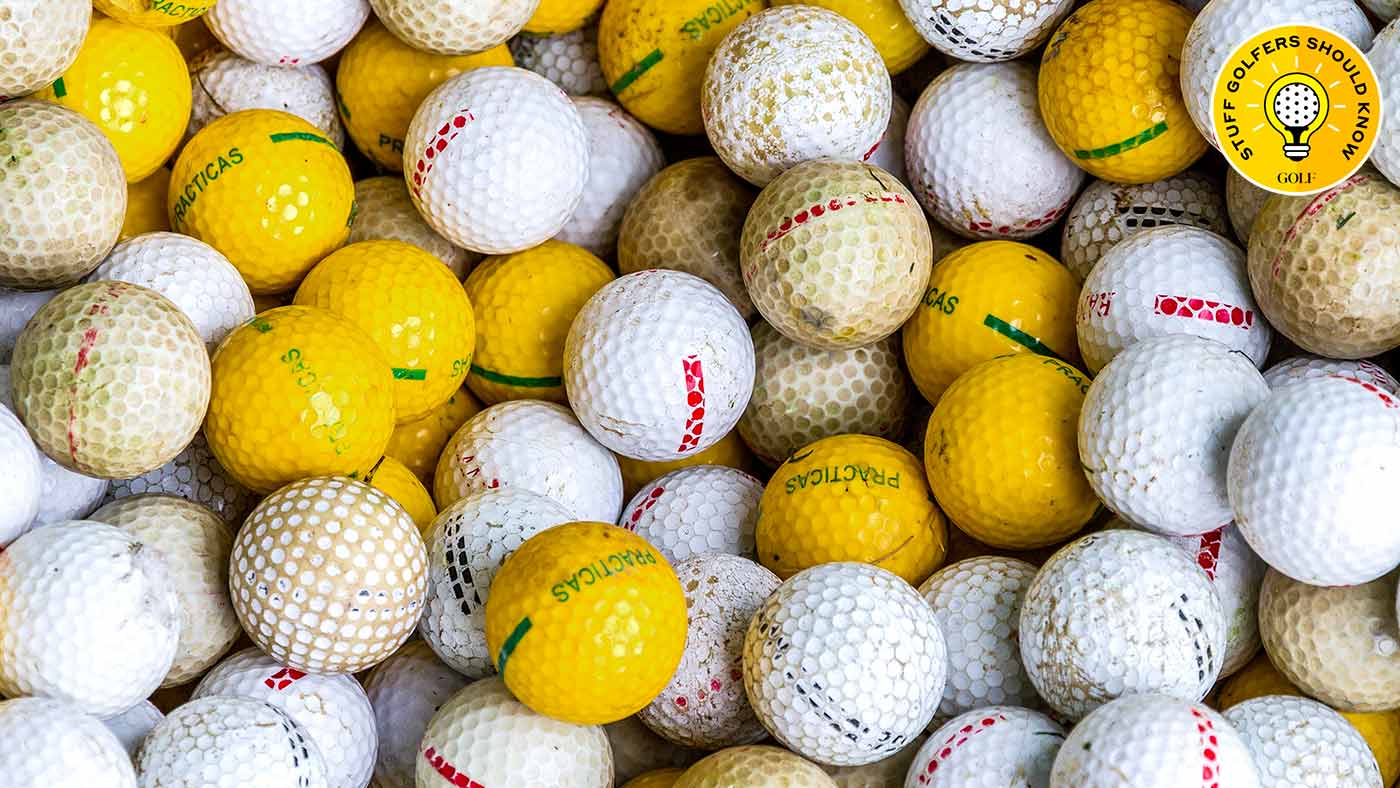
- Store in a dry, cool place to prevent moisture damage.
- Dry balls completely before storing to avoid mildew.
- Keep a small cleaning kit in your golf bag: brush, cloth, and travel soap.
- Rotate older balls into casual play if they show wear, and reserve newer balls for competitive use.
Consistent maintenance helps your equipment last longer and perform more predictably.

Personal experience: lessons, mistakes, and tips
I once used too-strong cleaner on a dozen demo balls and noticed the covers dulled. Lesson: milder is better. Another time, a quick rinse before a tournament saved me from misreading a line on the ball.
Practical tips I use:
- Always test a new cleaner on one ball before treating a whole batch.
- Keep a microfiber cloth to polish and avoid lint on the cover.
- Label your practice balls lightly so you can track wear over time.
These small habits made my ball handling and club-fitting results more consistent.

Environmental and safety considerations
Be mindful of chemicals and disposal to protect yourself and the environment.
- Use mild cleaners when possible to reduce toxic runoff.
- Dispose of strong chemical solutions per local guidelines; do not pour concentrated chemicals down storm drains.
- Wear gloves if using stronger solutions to avoid skin irritation.
- Recycle or responsibly discard heavily worn balls; some programs accept used golf balls for refurbishment.
Transparency note: stronger chemicals can work but carry trade-offs in safety and ball longevity.
Frequently Asked Questions of how to clean a golf ball
How long should I soak a golf ball in soapy water?
Soak for 5–10 minutes to loosen dirt without damaging the cover. Longer soaks are okay for tough grime but always follow with gentle scrubbing.
Can I use a dishwasher or washing machine to clean golf balls?
Dishwashers and washing machines are not recommended; they can be abrasive and expose balls to high heat that may harm the cover.
Will cleaning remove yellow stains from old golf balls?
Cleaning can reduce surface yellowing, but deep aging often cannot be fully reversed. Whitening toothpaste or vinegar may help but expect limited results.
Is it okay to use bleach on a golf ball?
Very diluted bleach can whiten but risks damaging the cover and should be used sparingly and rinsed thoroughly. Prefer gentler alternatives first.
Does cleaning golf balls affect their rules-legal status for competition?
Cleaning does not change the ball’s model or make; however, altering identification marks or using methods that change the ball’s properties could be an issue. Always follow tournament rules regarding ball marking and modification.
Conclusion
Cleaning golf balls is simple, cheap, and worth the few minutes it takes. Use warm soapy water and a soft brush for most jobs, save strong chemicals for extreme cases, and adopt small habits to keep balls ready and reliable. Start with gentle methods, test new cleaners on one ball, and store dry to preserve performance.
Try these tips on your next practice session and see how much cleaner balls help your focus and consistency. If you found this helpful, leave a comment, share your favorite cleaning trick, or subscribe for more practical golf gear advice.