Best Golf Ball For Windy Conditions: Top Picks For Control
Top pick: Callaway Supersoft delivers control and low spin to tame gusty conditions.
You step onto the tee with wind gusting across the fairway, watching your ball slice away in a blink. I’ve played in every kind of weather and learned that the right ball reduces wind drift, keeps trajectory stable, and gives you confidence on every shot. In this guide I’ll show practical picks and tips to help you choose the best golf ball for windy conditions and get better scores when the breeze picks up.
Callaway Supersoft (2025 White)

I’ve used Callaway Supersoft balls in wind because they combine a soft core with a low compression feel. The low spin off the tee helps keep drives straighter in gusts while the soft cover still gives decent greenside control on approaches. These balls feel forgiving and deliver a predictable flight that I trust on breezy days.
Callaway tuned the aerodynamics and dimple pattern to smooth airflow and limit wobble. I notice less ballooning on long shots than with many ultra-soft balls. For players who prefer a softer feel but need wind control, these strike a solid balance.
Pros:
- Low spin off the driver for straighter drives in wind
- Soft feel that boosts confidence on chips and putts
- Consistent flight path and predictable distances
- Good value for a brand-name performance ball
- Works well for mid and high handicap players in gusts
Cons:
- Not a true tour-level urethane cover for maximum spin
- May lack greenside bite for some low-handicap players
- Soft core can reduce total distance for very fast swingers
My Recommendation
If you want a reliable, soft-feeling ball that tames crosswinds, Callaway Supersoft (2025) is an excellent choice. I recommend it for mid-handicap players and those who want straighter drives without losing feel. It blends forgiveness with wind control and is easy to find online or at local shops.
| Best for | Why |
|---|---|
| Mid-handicap players | Low spin and forgiving feel help keep shots straighter in wind |
| Players who want feel | Soft core and responsive touch around the green |
| Value seekers | Strong brand performance at a reasonable price |
Seed SD-02 Pro Tour

The Seed SD-02 Pro Tour is a 4-piece cast urethane ball built for stable flight and spin control. I tested it in crosswinds and saw a tighter dispersion than many touring-style balls at the same price. Its construction favors a penetrating trajectory that resists gusts and keeps your ball on line.
This ball gives more spin on approaches when you need it, while keeping driver spin in check. If you are looking for a durable urethane ball that performs in wind and still offers workability, the Seed SD-02 is a smart option. It’s earned my respect as one of the best golf ball for windy conditions when you need tour-level reliability without the steep price tag.
Pros:
- Stable, penetrating flight that handles crosswinds
- Urethane cover provides solid greenside spin
- Good control for shaping shots in variable wind
- Durable cover that stays consistent ball after ball
- Excellent balance of spin control and feel
Cons:
- Not as soft-feeling as some low-compression balls
- May be pricier than basic distance balls
- Performance may be wasted for beginners
My Recommendation
I recommend the Seed SD-02 Pro Tour to low-to-mid handicap players who want a tour-style ball that survives windy days. I find it best for players who need spin around the green and a stable flight through gusts. This is a top contender when looking for the best golf ball for windy conditions with a premium feel.
| Best for | Why |
|---|---|
| Low-handicap players | Urethane cover and workability in wind |
| Spin control seekers | Able to hold greens while resisting wind drift |
| Tour-quality at value | Performance near tour balls but friendlier price |
LostGolfBalls 48 Super Soft
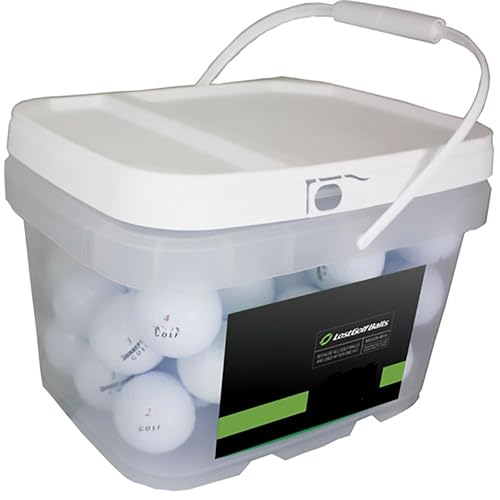
LostGolfBalls offers great value with 48 near-mint super soft balls, and I’ve taken a dozen of these to windy rounds. Recycled balls can surprise you—these have consistent compression and flight. For windy practice days or rounds where you expect to lose a few, they offer practical coverage without breaking the bank.
While recycled, the quality grading (AAAA) means most behave like retail balls. I use these for windy practice because I can test shapes and trajectories without worrying about cost. They are not always the ultimate performance ball, but as affordable options they make it easier to work on wind play and shot control.
Pros:
- Excellent value for practice in windy weather
- Near-mint condition provides consistent performance
- Soft feel similar to new super-soft balls
- Allows risk-taking without costly losses
- Good for players testing wind strategies
Cons:
- Not all balls are identical; slight variance possible
- Limited brand-specific aerodynamics compared to new models
- Not ideal for tournament play due to unknown provenance
My Recommendation
I recommend LostGolfBalls 48 Super Soft to players who need affordable practice balls for windy rounds. I use them when I want to rehearse low shots and trajectory control without losing expensive balls. These are among the best golf ball for windy conditions if your priority is practice value and consistency at a low cost.
| Best for | Why |
|---|---|
| Practice rounds | Affordable and consistent for windy practice |
| Budget-conscious golfers | High quantity and decent quality |
| Risk-free testing | Good to experiment with trajectory control |
Callaway Supersoft (2023 Red)
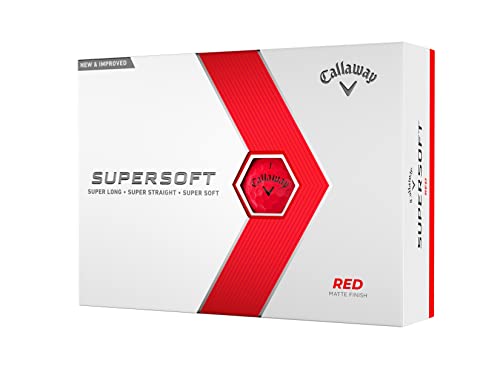
The 2023 Supersoft in red gives the same low-spin, soft-core benefits but adds visibility. I find colored balls like red or yellow easier to track in windy conditions and rough lies. The red Supersoft keeps the same aerodynamic traits that reduce wind drift and promotes controlled flight.
Aside from visibility, the ball’s feel and dispersion mirror the white version. I often carry a colored ball in blustery conditions for tracking and quick recovery. It’s a small advantage but one that helps when wind is tugging at every shot.
Pros:
- High visibility for tracking in wind
- Low driver spin reduces hooks and slices in gusts
- Soft, forgiving feel for approach shots
- Same reliable flight as the 2025 model
- Great for casual play and windy rounds
Cons:
- Color may fade after heavy use
- Not as tour-focused as urethane balls
- Some players prefer white for routine visibility
My Recommendation
I recommend Callaway Supersoft (2023 Red) for players who want low-spin control plus easy visibility in windy conditions. I use colored Supersoft balls on breezy days to help find shots quickly. This is a great practical pick among the best golf ball for windy conditions for casual golfers and weekend players.
| Best for | Why |
|---|---|
| Visibility seekers | Bright color helps locate balls in rough and wind |
| Casual rounds | Affordable and forgiving in blustery play |
| Players wanting control | Low spin keeps shots straighter |
Callaway Supersoft (2025 Yellow)

The 2025 yellow Supersoft stands out on windy days with bright visibility and the same low-spin behavior. I notice I lose fewer balls in the rough when I use high-visibility colors in gusty conditions. The ball’s flight resists vertical lift and keeps a lower, more controlled path when I need it most.
I recommend the yellow version for players who value sightline and wind control. It’s especially useful on links-style courses where wind and glare can be a problem. As one of the best golf ball for windy conditions, this ball blends feel, control, and standout visibility.
Pros:
- Outstanding visibility in bright or windy conditions
- Soft feel that aids short game confidence
- Reduced driver spin for straighter tee shots
- Consistent aerodynamics across packs
- Good for intermediate golfers who need control
Cons:
- Bright color may not suit all players visually
- Not a long-distance tour ball
- May show scuffs more visibly than white balls
My Recommendation
I recommend Callaway Supersoft (2025 Yellow) when visibility and wind control matter most. I use it on breezy links days and find it cuts the need to search for balls. It ranks highly among the best golf ball for windy conditions for players wanting a visible, controllable option.
| Best for | Why |
|---|---|
| Links course players | Visible and resists wind lift |
| Golfers who misplace balls | Bright color eases tracking |
| Intermediate players | Soft feel and wind control mix |
Callaway Supersoft (2023 White)

The 2023 white edition keeps the classic Supersoft traits that I trust on blustery days. It provides a steady, low-spinning tee ball and a soft approach touch. For players who prefer the traditional white ball, this model retains visibility while offering the wind-taming benefits Callaway is known for.
When I need to play a controlled tee shot into a crosswind, the white Supersoft is predictable and forgiving. I appreciate how it reduces errant spin and helps me shape shots more reliably. This makes it one of my go-to picks for the best golf ball for windy conditions in everyday play.
Pros:
- Classic white finish with reliable flight
- Low driver spin to fight wind-induced slices
- Softness boosts chip and putt feel
- Predictable distances across rounds
- Comfortable for players moving from beginner to intermediate
Cons:
- Not targetted at tour-pro spin specialists
- May compress too much for very fast swing speeds
- Less aggressive greenside bite than pure urethane balls
My Recommendation
I recommend the Callaway Supersoft (2023 White) for players who want classic looks with modern wind control. I find it reliable for everyday rounds and windy links. It’s a smart choice if you’re searching for the best golf ball for windy conditions with traditional aesthetics.
| Best for | Why |
|---|---|
| Traditionalists | White ball with modern low-spin traits |
| Consistent players | Predictable distances in blustery weather |
| Club golfers | Easy to control and affordable |
Amazon Basics Core Soft (24)

Amazon Basics Core Soft offers an affordable 24-pack of lower-compression balls. I find them useful for windy practice sessions where cost per ball matters. They launch with a lower trajectory and sit well on approach shots in blustery conditions, which helps reduce the effect of gusts on distance and direction.
While not engineered for tour performance, these balls deliver consistent distances and an agreeable feel at a budget price. I recommend them for club players who want bulk, consistency, and usable wind control during lessons or practice rounds.
Pros:
- Excellent value and bulk quantity
- Soft core reduces ballooning in wind
- Consistent distances across a box
- Good for drills and training in gusty conditions
- Yellow color aids visibility on many courses
Cons:
- Not as refined as premium alloy or urethane balls
- Less spin control around greens
- May wear faster than premium balls
My Recommendation
I recommend Amazon Basics Core Soft for players who want quantity and consistency for windy practice. I use boxes of these at the range to practice punches and trajectory control without worrying about cost. They’re a practical contender among the best golf ball for windy conditions for training and casual play.
| Best for | Why |
|---|---|
| Range practice | Bulk quantity and consistent flight for drills |
| Budget golfers | Low cost per ball |
| Coaches and students | Good for group sessions in wind |
TaylorMade Distance+ (12)

TaylorMade Distance+ aims for extended flight with a dimple pattern that promotes stable lift and penetration. I find these balls hold line well in steady wind and deliver added carry when needed. They suit players who need distance but also want predictable behavior in crosswinds.
The construction emphasizes speed and launch while keeping spin moderate. In my experience, TaylorMade Distance+ is a sensible compromise between outright carry and wind resistance, making it a solid choice when you want dependable roll and carry in breezy rounds.
Pros:
- Designed for extended flight and stable lift
- Moderate spin reduces unpredictable drift
- Reliable carry and roll combination
- Good feel for a distance-oriented ball
- Trusted brand engineering for consistent results
Cons:
- Not as soft as true low-compression Supersoft balls
- Less greenside spin than urethane tour balls
- May be less forgiving for slower swing speeds
My Recommendation
I recommend TaylorMade Distance+ for players who want distance plus consistent wind performance. I use them for longer holes when I still need a steady ball flight. They rank among the best golf ball for windy conditions if you need added carry without losing control.
| Best for | Why |
|---|---|
| Distance seekers | Extended flight with penetration in wind |
| Mid to high speeds | React speed core supports longer carry |
| Players needing reliable carry | Steady flight and roll balance |
How Wind Affects Ball Flight — Quick Science and Simple Tips
I want to keep this practical. Wind affects spin, lift, and lateral drift. High backspin can make the ball balloon and drift more in gusts. Lower spin drivers and a more penetrating ball flight reduce the time the ball spends in wind. That’s the core reason why choosing the best golf ball for windy conditions matters.
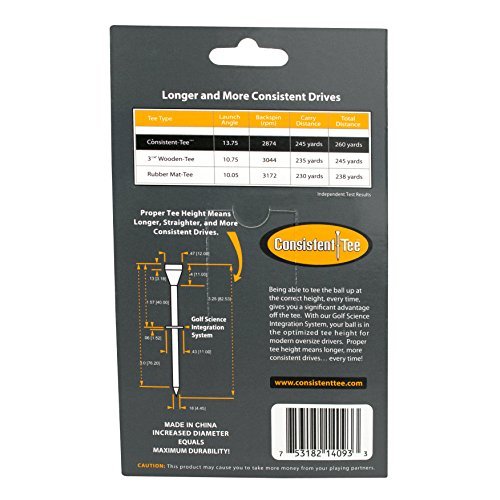
Here are short, actionable tips I use: play a lower tee height, choke down slightly, and pick a lower spin ball. Aim more against the wind and select a ball with a tighter dimple pattern or lower-spin profile. These tweaks reduce the wind’s effect and improve consistency.
Buyer’s Guide: Choosing the Best Golf Ball for Windy Conditions
When I assess a ball for wind, I check three things: spin profile, dimple/aero design, and feel. Low driver spin keeps shots straighter. Dimple pattern and shallow depth often yield a more penetrating flight. Feel matters because it affects how you control approach shots and putts in gusts.
Consider your swing speed. Fast swingers may prefer firmer cores with tour covers that still reduce spin. Slower swingers often benefit from softer cores that reduce ballooning. Always match the ball to your swing and the conditions to find the best golf ball for windy conditions for your game.
Key features to evaluate
- Spin off the driver: lower is better for crosswinds.
- Dimple design: tighter patterns often stabilize flight.
- Core compression: low compression helps slow swingers; firmer cores suit fast swings.
- Cover material: urethane for spin and feel; ionomer or surlyn for durability and distance.
- Visibility: colored balls help you track shots in wind and rough.
How I test balls for wind
I test on links-style holes and open ranges exposing balls to cross and headwinds. I hit multiple shots with the same club and compare dispersion, carry, and roll. I also monitor approach spin and greenside feel. This hands-on testing shows which balls control gusts and which let the wind dictate the result.
Shot Strategies When It’s Windy
I use three core strategies in wind: lower trajectory, controlled club selection, and aiming changes. A punch shot or lower trajectory shot reduces air time. You can play one club more or less depending on whether you have a headwind or tailwind. Minor aim adjustments toward the wind can compensate for lateral drift.
Another trick I use is to hit with a smoother tempo and avoid trying to overpower the wind. A controlled swing and a ball known for stable flight—your best golf ball for windy conditions—make a big difference in scoring and stress level on those windy days.
Maintenance and Practical Tips
Always dry and inspect balls before play. A wet, scuffed ball behaves unpredictably in wind. I replace balls with deep cuts because dimple integrity affects aerodynamics. Keep a few high-visibility practice balls in your bag to test wind direction quickly on the tee box. That small habit saved me many lost shots.
FAQs Of best golf ball for windy conditions
What makes a ball good in windy conditions?
A ball that performs well in wind has lower driver spin, a dimple pattern that promotes a penetrating flight, and a construction that resists ballooning. These traits reduce time aloft and lateral drift, giving you better control.
Should I use a urethane or ionomer ball in wind?
Use urethane if you want greenside spin and control while managing driver spin through ball construction. Ionomer (surlyn) balls often offer less spin and durability, which can help with wind control but sacrifice feel around the green.
Do colored balls help in windy rounds?
Yes. Bright colors like yellow or red make it easier to track and find balls in the rough or during windy glare. Visibility does not change aerodynamics much, but it speeds recovery and reduces lost-ball frustration.
Is low compression always better in wind?
Not always. Low compression helps slower swingers reduce ballooning, but very fast swingers may compress low-compression balls too much and lose distance. Match compression to your swing speed for the best results in wind.
How much does dimple design matter?
Dimple design is key. It shapes airflow and trajectory stability. A ball with a well-engineered dimple pattern often resists gusts better than one with less-optimized aerodynamics. That’s why many top wind-friendly balls advertise specific dimple technologies.
Final Verdict: Which Should You Buy?
For a blend of control, feel, and wind resistance, I recommend the Callaway Supersoft as the best golf ball for windy conditions for most players. It balances low spin and soft touch to help you score in gusty weather.
Choose a ball that matches your swing and play style, and use low trajectories and visibility tricks to make windy rounds easier. The right ball will cut stress and shave strokes when the wind is up.