How Many Wedges In A Golf Bag: Expert Short-Game Guide
Most golfers carry two to four wedges in their bag, with three being the most common setup.
I’ve spent years club-fitting and testing wedge setups for players of all levels, so I know how crucial the right mix of wedges is to your short game. This guide digs into how many wedges in a golf bag, why that number matters, and how to pick the right wedges for your game. Read on to learn practical rules, loft-gap tips, testing drills, and real-world lessons that will help you lower scores around the green.

Why wedge count matters
Your wedge mix shapes your short game. Wedges control distance, spin, and how you escape bunkers and rough. Choosing the right number and lofts reduces guesswork on approach shots and saves strokes.
A poor wedge setup causes awkward gaps and weak scoring chances. A good setup gives clear yardage steps and confidence around the green. I’ll show how many wedges in a golf bag fits different players and why that choice matters for scoring.

Common wedge setups: how many wedges in a golf bag
Most players fall into one of three common setups. Each is simple to test on the course or at the range.
-
Two wedges
- Carrying just a pitching wedge and a sand or gap wedge. Works for carry-limited bags or players who rely on irons for short shots.
- Best for players who want fewer clubs or play courses with short approaches.
-
Three wedges
- Very common: pitching wedge, gap/approach wedge, and sand wedge. This is a flexible and balanced choice.
- Most amateurs and many pros prefer three wedges because it gives clean loft steps and good shot options.
-
Four wedges
- Adds a lob wedge to the three-wedge set. Ideal for high-skill players or those who face tight pins and need high-spin, soft-landing shots.
- Useful on windy or firm courses where short, high shots are common.
How many wedges in a golf bag depends on your course, swing, and the gaps you want to fill. If you need fine control inside 100 yards, lean toward three or four wedges.

Loft gaps, distance control, and why they guide how many wedges in a golf bag
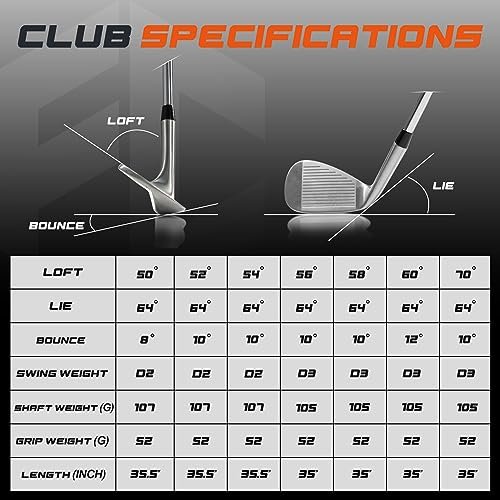
Loft gaps are the backbone of wedge planning. Aim for even distance gaps between clubs. Typical advice is 4 to 6 degrees between wedges or about 8 to 12 yards in carry distance.
If you have uneven gaps, you will guess yardages. That confusion often leads to poor scoring. Match wedges to your iron distances. Use a launch monitor or a simple range test to measure carry. Then decide how many wedges in a golf bag you need to close those gaps.

How to choose which wedges to carry
Pick wedges by matching loft, bounce, and grind to your swing and turf. Consider course conditions and your shot shapes.
- Evaluate your typical lies
- Soft turf and bunkers favor higher bounce. Tight, firm turf favors lower bounce.
- Think about course needs
- Links or firm courses may call for a lob wedge for high, stopping shots.
- Test on the range
- Hit full and partial swings to see gaps. Record carries to find missing distances.
PAA-style question 1: What is the easiest way to test wedge gaps?
- Hit consistent swings with each wedge on the range and record carry distances. Use a launch monitor or have a friend watch yardage markers.
PAA-style question 2: Should beginners carry four wedges?
- Most beginners do fine with two or three wedges. Focus on consistent contact before adding a lob wedge or extra specialty club.

Source: golf-info-guide.com
Common wedge types and what they do
Understanding wedge names helps you plan how many wedges in a golf bag.
- Pitching wedge (PW)
- Usually 44–48 degrees. Used for full approach shots and longer chips.
- Gap wedge (GW) or approach wedge (AW)
- Typically 50–54 degrees. Fills the gap between PW and SW.
- Sand wedge (SW)
- Around 54–58 degrees. Designed for bunker work and soft pitches.
- Lob wedge (LW)
- 58–64 degrees. Creates high, soft shots and flop shots near the green.
Pick wedges that give you even loft steps and the shot types you need on course.

Personal experience: my wedge setup and lessons learned
I moved from carrying two wedges to three after a long run of missed birdie puts from 40–70 yards. Tracking my carries fixed that. My setup now gives clear yardage steps and fewer risky club choices.
Lessons I learned
- Test before buying. Loft and bounce matter more than brand.
- Small changes in loft or bounce can change your shot shape.
- Practice partial swings with each wedge to learn distances. These drills save strokes on the course.

Source: co.uk
Maintenance, testing, and fitting
Wedges work best when tested and maintained. Old grooves and worn soles reduce spin and consistency.
- Get fit when possible
- A basic fitting checks loft, bounce, and shafts to match your swing.
- Maintain grooves
- Clean grooves often and consider re-grooving or replacing clubs after heavy wear.
- Track distances
- Use a notebook or app to track carry from the tee and range. This gives real data on how many wedges in a golf bag you truly need.

Source: golf365.com
- Use a notebook or app to track carry from the tee and range. This gives real data on how many wedges in a golf bag you truly need.
Practical wedge routines and practice drills
Simple drills reveal gaps and build feel. Use these to refine how many wedges in a golf bag and how you use them.
- Ladder drill
- Hit shots at 20, 40, 60, and 80 yards with each wedge to see overlap.
- Bunker rhythm drill
- Practice sand shots with three ball locations to learn bounce use.
- Low trajectory drill
- Hit low release shots from 30–50 yards to practice wind control.
Practice these drills in short sessions. Short, focused practice beats long unfocused hours.
Frequently Asked Questions of how many wedges in a golf bag
How many wedges should a beginner carry?
Most beginners should start with two or three wedges. This keeps choices simple while they build consistent contact.
Is it legal to carry four wedges?
Yes. Rules allow up to 14 clubs, so carrying four wedges is legal and common among players who need precise short shots.
How do I know if I need a lob wedge?
If you face tight pins or need high, stopping shots inside 50 yards, a lob wedge helps. Test one on the range to see if it closes a distance gap.
Can I replace a long iron with an extra wedge?
Yes, many golfers swap a long iron for an extra wedge to improve scoring inside 120 yards. Make sure loft gaps stay even after the change.
Do wedges need different shafts than irons?
Often wedges use the same shafts as short irons, but some players prefer heavier or stiffer wedge shafts for better control. A fitting will reveal what works for you.
How often should I check wedge loft and grooves?
Check grooves and lofts every season or after heavy use. Worn grooves reduce spin and can cost shots around the green.
Conclusion
Choosing how many wedges in a golf bag is a small decision with big scoring impact. Match loft gaps to your distances, test gear on the range, and pick the set that fits your courses and shot needs. Try a simple three-wedge setup if you want balance, or add a lob wedge when you need fine control. Start testing this week: measure your carries, tweak lofts, and play a few rounds to see the difference. Leave a comment about your wedge setup or subscribe for more short-game tips.