How To Ship A Golf Bag: Complete Shipping Guide
Ship it by protecting clubs, packing tightly, choosing a carrier, and adding insurance for peace of mind.
I’ve shipped dozens of golf bags for tournaments, vacations, and resale, so I know what works and what doesn’t. This guide on how to ship a golf bag walks you through every step, from packing to carrier choices, insurance, and making a damage claim. Read on for clear, practical advice, checklists, and mistakes to avoid so your clubs arrive safe and on time.
Why ship a golf bag and when it makes sense
Shipping a golf bag can save time, avoid airline hassles, and protect expensive clubs. Many golfers ship bags to tournaments, resorts, or to friends and customers.
Ship a golf bag when you need convenience, lower overall travel stress, or safer handling than airline checked baggage. Shipping also makes sense for longer trips, frequent tournaments, or when a club set is being sold or repaired.
Benefits include door-to-door delivery, easier ground transit, and options for additional insurance. Downsides include cost and transit time, so weigh price against convenience.

How to prepare your golf bag for shipping
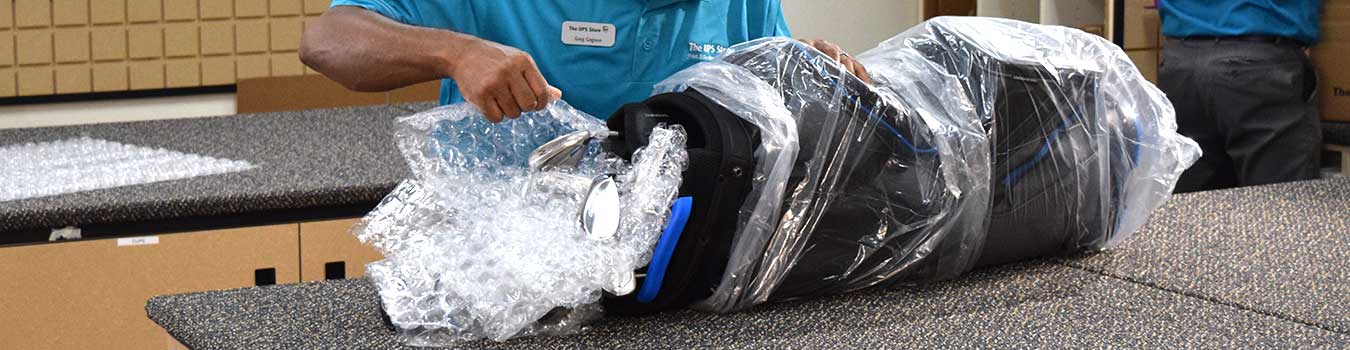
Proper prep helps prevent damage and lowers the chance of denied claims. Follow these steps to prepare your bag for shipping.
- Clean clubs and dry the bag so nothing molds in transit.
- Remove loose items like tees, rangefinders, or small accessories.
- Secure club heads with headcovers and use a towel or bubble wrap between clubs.
- Protect the driver: use extra padding and consider a reinforced driver sleeve.
- Close and fasten all pockets and zippers; tape fragile or protruding parts.
- Add a final layer of padding around the whole bag—blanket, bubble wrap, or foam.
- Label the bag with your contact info inside and out in case the outer tag falls off.
These steps reduce movement inside the bag, protect weak spots, and make damage claims easier because you documented the bag’s condition before shipping.

Packaging options and what to choose
Choosing the right container affects cost, protection, and ease.
- Soft travel bag
- Lightweight and cheap.
- Best for short shipments and when you want to reuse the same bag.
- Less protection against crushing or heavy handling.
- Padded golf travel case
- Built-in padding and straps for clubs.
- Good balance of protection and cost.
- Hard-shell golf case
- Top protection against impact and crushing.
- Heavier and may increase shipping costs, but ideal for valuable sets.
- Cardboard box (custom or pre-made)
- Often used for single shipments or resale.
- Must reinforce corners and weight-distribute clubs.
- Check dimensions with the carrier to avoid oversized fees.
Consider cost versus risk. For expensive clubs, choose a hard case or high-quality travel bag plus declared value insurance. For casual or cheap sets, padded or boxed options work well.

Choosing a carrier and comparing shipping options
Carriers offer different rules for weight, size, insurance, and speed. Compare these factors before you book.
- Common carriers include major parcel services and freight shippers.
- Check each carrier’s max dimensions and oversized pricing.
- Choose delivery speed that fits your timeline: ground is cheaper; express is faster.
- Look for door-to-door tracking and signature-on-delivery options.
- Ask about declared value and damage coverage; standard liability may be low.
- Consider airport-to-airport services only if you plan to avoid ground delays.
Tip: Request a price estimate using the final package weight and dimensions. Many carriers charge by dimensional weight, so bulky padding can raise cost. Shop rates and read the fine print on liability and claims.
Step-by-step: How to ship a golf bag (practical checklist)
Use this checklist when you’re ready to send your bag.
- Inspect and document the bag and clubs with photos.
- Clean and protect clubs; pad between club heads.
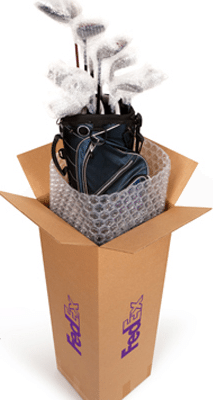
- Place the bag inside your chosen case or box.
- Add external padding at weak points, especially the driver and clubheads.
- Seal and tape the container, reinforcing seams and corners.
- Attach a clear shipping label and a secondary internal ID tag.
- Weigh and measure the packed bag accurately for quotes.
- Choose a carrier and purchase the appropriate insurance.
- Drop off at carrier or arrange pickup; take a receipt and tracking number.
- Monitor tracking and inspect immediately upon arrival; document any damage.
Following each step reduces surprises and speeds up claims if needed. Keep receipts and photos for at least 90 days after delivery.

How to insure, label, and file damage claims
Insurance and labeling protect your shipment and help with recovery if things go wrong.
- Insurance
- Buy declared value coverage if clubs are worth more than standard carrier liability.
- Keep purchase receipts or appraisals to support claim value.
- Labeling
- Use printed labels when possible and place one on the outer case and one inside.
- Include name, phone, and destination address.
- Filing claims
- Photograph damage and keep the original packing materials.
- File within carrier’s claim window—often 7 to 30 days for damaged goods.
- Provide proof of value and pre-shipment photos to speed resolution.
Remember: carriers will often deny claims if you used insufficient packaging. Proper photos and documentation are your strongest evidence.

Personal experience: lessons learned and mistakes to avoid
I once shipped a bag without extra driver padding to a tournament. The driver arrived with a cracked head shell. I had photos and a padded case, but the lack of extra reinforcement cost me a denied claim on the cracked head because the carrier argued internal movement caused the damage.
Key lessons from my shipping history:
- Always pad the driver extra and anchor clubs inside the bag.
- Take clear, time-stamped photos before shipping.
- Buy declared value insurance for anything over a carrier’s base limit.
- Measure the final packed box; dimensional weight surprises are common.
- If possible, ship early and choose a reputable carrier for peace of mind.
These are practical tips I use every time I ship clubs. They save money and headaches.
PAA-style common questions
What is the safest way to ship a golf bag?
A hard-shell case with foam padding and declared value insurance offers the best protection. Document the condition with photos and pad all clubs, especially the driver.
How much does it cost to ship a golf bag?
Costs vary by weight, dimensions, and distance; expect between moderate ground rates and higher expedited fees. Dimensional weight and insurance can significantly change the final price.
Can airlines ship my golf bag for free?
Some airlines include golf bags in checked baggage allowances, but many charge an oversized or special bag fee. Check your airline’s policy before relying on free transport.
Frequently Asked Questions of how to ship a golf bag
How should I pack club heads inside the bag?
Put headcovers on all clubs, and add towels or bubble wrap between club heads to prevent rubbing. Secure the bag with internal straps to limit movement.
Do I need a hard case to ship a golf bag?
You don’t always need a hard case, but it’s best for high-value clubs or long transit. A well-padded soft case can suffice for short, local shipments.
How much insurance should I buy when shipping a golf bag?
Buy insurance that matches the replacement value of your clubs. Standard carrier liability is often low, so declared value coverage is wise for expensive sets.
What paperwork do I need for international shipments?
Prepare a customs declaration listing the clubs, their value, and contact info. Include a commercial invoice if selling internationally, and check country-specific import rules.
How do I file a damage claim if my bag arrives broken?
Take photos of damage, save packaging, and file with the carrier immediately using your tracking and receipt. Provide proof of value and pre-shipment photos to support your claim.
Conclusion
Shipping a golf bag can be simple and low-stress when you pack thoughtfully, choose the right container, and buy proper insurance. Use padded protection, document the condition, and pick a carrier that fits your budget and timing. From my own experience, extra driver padding, clear photos, and declared value coverage are worth the small extra cost.
Ready to ship your next set? Pack carefully, compare carriers, and track the shipment—then enjoy the round without worrying about your clubs. Leave a comment with your shipping story or questions, and subscribe for more practical golf travel tips.