How To Hit A Golf Ball Correctly: Step-By-Step Guide
Use a steady stance, a neutral grip, smooth tempo, and hit the ball with square contact.
I have taught and practiced the mechanics behind how to hit a golf ball correctly for years. I know what small changes make big differences. This guide breaks the skill into clear steps you can use on the range and the course. Read on to learn simple cues, drills, and mistakes to avoid so you can hit the ball cleaner and straighter more often.

Fundamentals of how to hit a golf ball correctly
Hitting a golf ball correctly starts with a few core ideas. Keep your stance balanced. Keep your head steady and your eyes on the ball. Move your body in a coordinated way from start to finish.
Key concepts to master:
- Contact. Strike the ball first, then the turf with irons. With a driver, sweep slightly up at impact.
- Tempo. A smooth rhythm beats jerky speed. Fast swings that lack timing lose control.
- Rotation. Your hips and torso drive the swing. Arms follow the body, not lead it.
- Balance. Stay centered through the swing. Good balance makes consistent contact.
I focus on feel and simple checkpoints. Practice slowly. Build speed only after you can repeat good contact. These basics form the backbone of how to hit a golf ball correctly.

Grip: the first contact when learning how to hit a golf ball correctly
A correct grip sets you up for a repeatable swing. There are three common grips: overlapping, interlocking, and the 10-finger (baseball) grip. Choose one that feels natural and lets your hands work together.
Grip tips:
- Place the club in the fingers, not deep in the palm.
- Hold with light pressure. Tight hands block wrist hinge.
- Align the V shapes formed by your thumbs and index fingers to point between your chin and right shoulder (for right-handers).
- Check that both hands work as a unit. They should hinge and unhinge together.
From my coaching work, grip pressure and hand position solve many bad shots. A small change often yields immediate improvement in contact and direction.

Stance, posture, and alignment to hit a golf ball correctly
Good stance and posture make the swing repeatable. Position your feet, hips, and shoulders so they point slightly left of the target (for right-handers). Keep your spine straight and bend from the hips.
Steps for stance:
- Feet shoulder-width for irons. Wider for driver.
- Ball position: middle of stance for short irons, forward for long clubs.
- Bend at hips, knees soft. Chin up slightly.
- Weight evenly distributed on the balls of your feet.
Alignment drill:
- Lay two clubs on the ground. One aims at the target. Stand with your feet parallel to the second club. This visual helps your body point correctly.
This layout greatly improves your ability to hit the ball squarely and consistently. Small alignment errors can make a sound swing look wild.
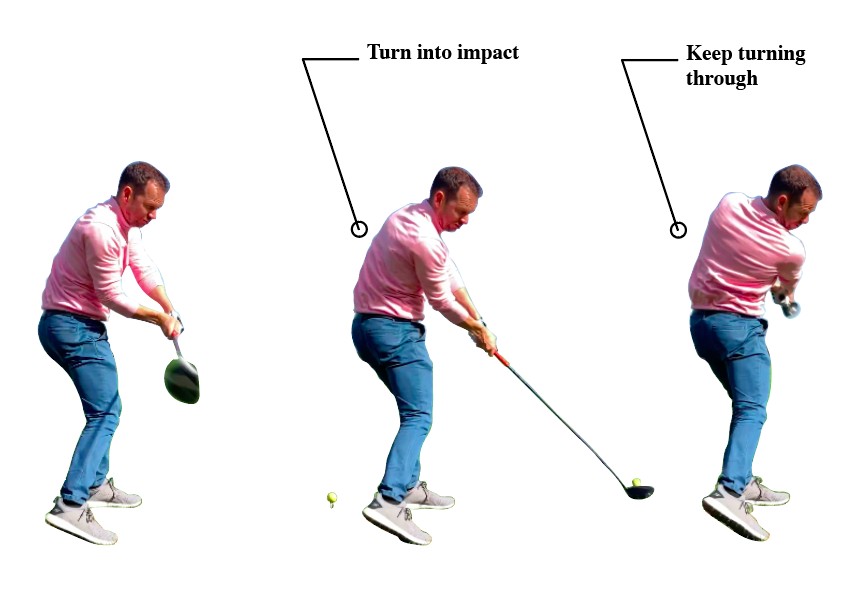
The swing: simple steps to hit a golf ball correctly
Break the swing into four clear parts. Each is easy to practice and repeat.
- Setup and takeaway
– Start with a smooth, one-piece takeaway.
- Turn your shoulders while the arms and club stay connected to the body.
- Keep the clubhead low for the first few feet of the takeaway.
- Backswing
- Rotate your torso and load your weight to the inside of your back foot.
- Allow a natural wrist hinge as the club reaches waist height.
- Avoid over-rotating the wrists; keep the club on a path you can reverse.
- Downswing and impact
- Start the downswing with your hips shifting toward the target.
- Bring the hands and club down on a slightly inside path.
- Aim to strike the ball first, then brush the turf (for irons). Squared clubface at impact is key.
- Follow-through
- Let the arms extend after impact.
- Rotate fully toward the target. Hold your finish to check balance.
- A balanced finish often means balanced contact.
Many golfers ask whether to "hit down or sweep" the ball. For irons, hit down to compress the ball. For driver, a shallow upward strike is better. This difference is central to how to hit a golf ball correctly with each club.
Practice tip: slow down the swing to train the correct sequence. Speed will come later.

Common mistakes and how to fix them when trying to hit a golf ball correctly
Recognizing errors speeds improvement. Here are frequent problems and fixes.
Slice or fade
- Cause: open clubface or outside-to-in swing path.
- Fix: square the face at setup and focus on an inside-to-square path on the downswing.
Hook or draw that is too strong
- Cause: closed clubface or too much wrist action.
- Fix: weaken the grip slightly and avoid flipping the hands at impact.
Fat shots (hitting ground before ball)
- Cause: early weight shift or poor posture.
- Fix: keep weight back slightly and maintain spine angle through impact.
Topped shots (hitting the top of the ball)
- Cause: lifting head or not hitting down with irons.
- Fix: keep eyes on the back of the ball and finish rotation.
Loss of distance
- Cause: poor contact or wrong ball position.
- Fix: review stance, ensure proper shaft flex for your swing speed, and strike the ball square.
From my lessons, most issues come from trying to do too much. Return to one simple cue and practice it. Repetition builds a reliable way to hit a golf ball correctly.

Practice drills to learn how to hit a golf ball correctly
Short, focused drills yield fast results. Spend 10–20 minutes per session on one drill.
Impact bag drill
- Stand close to an impact bag or a pillow.
- Make half-swings and feel the hands lead into a firm impact.
- Helps train a solid, square strike.
Gate drill for alignment
- Place tees a few inches apart around the ball.
- Swing through without touching the tees. Teaches path control.
Towel under the armpits
- Hold a folded towel between your armpits.
- Swing without dropping the towel. Encourages body connection and unity.
Slow-motion swings
- Practice the full swing at 50% speed.
- Focus on sequence: takeaway, coil, hip shift, impact, finish.
Progressive speed hitting
- Start slow and gradually increase swing speed while holding form.
- Teaches tempo control and safe power gain.
Track your progress. Note contact quality and fairways or greens hit. Small wins build confidence and help you internalize how to hit a golf ball correctly.
Club selection and equipment basics to help you hit a golf ball correctly
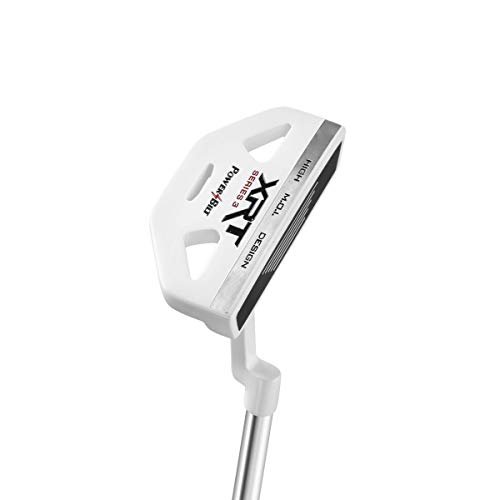
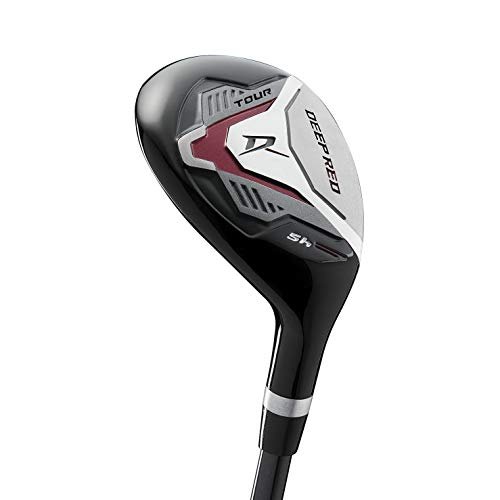
Right gear aids repeatable contact. Clubs that fit you help you swing naturally.
Basics to check:
- Shaft flex. Choose a flex that matches your swing speed.
- Club length. Too long or too short alters swing plane and contact.
- Grip size. Comfy grips let your hands function properly.
- Ball choice. Softer balls can help feel, while firmer balls can go farther for some players.
A simple club check at a fitting session or with a pro can save weeks of frustration. Proper equipment supports the mechanics of how to hit a golf ball correctly.

Course-day tips and the mental side of how to hit a golf ball correctly
On the course, routine and calm matter more than raw mechanics. Keep things simple.
Pre-shot routine
- Visualize the shot briefly.
- Take a deep breath and make one or two practice swings.
- Commit to the shot and trust your setup.
Managing nerves
- Focus on process, not outcome.
- Use a trigger word or a controlled breath to reset.
Adapt to conditions
- Wind and lie change how you must swing. Lower your trajectory in wind.
- When the ball sits down, choke down on the club for control.
My own playing habit is to pick one swing thought for the round. That keeps the game fun and keeps you focused on how to hit a golf ball correctly under pressure.

Frequently Asked Questions of how to hit a golf ball correctly
How should my grip pressure feel when I try to hit a golf ball correctly?
Grip pressure should be light to medium. Imagine holding a bird gently—firm enough to keep control, but not so tight you stop your wrists from hinging.
How do I know if I am hitting down on an iron correctly?
You will see a small divot after the ball for correct iron shots. The divot should start just after where the ball sat, showing you struck the ball first.
How can I stop slicing the ball when I try to hit a golf ball correctly?
Work on squaring the clubface and swinging from the inside. A stronger grip and a slight inside path often fix a consistent slice.
Is it better to swing hard or smooth to hit a golf ball correctly?
Smooth and controlled swings beat hard and jerky ones. Speed comes from good sequencing, not forceful arms.
How often should I practice to learn how to hit a golf ball correctly?
Short, focused practice 3 to 4 times a week beats one long session. Aim for 20–40 minutes focused on one skill per session.
Can beginners learn how to hit a golf ball correctly without lessons?
Yes, but lessons speed up progress. A few targeted lessons give feedback that self-practice can’t easily provide.
Conclusion
Hitting a golf ball correctly comes down to a few simple truths: set up well, grip lightly, swing in sequence, and aim for square contact. Practice with purpose, use drills that reinforce feel, and keep your routine calm on the course. Start small, track your progress, and build from consistent contact to controlled power. Try one change at a time, and remember that steady practice beats frantic fixes. If this guide helped, try the drills on the range this week and leave a comment about which tip improved your ball striking.