How Much To Start A Golf Simulator Business: Cost Guide
Start-up costs range from $10,000 to $150,000+ depending on scope, quality, and location.
Thinking about how much to start a golf simulator business? I’ve built and advised indoor golf operations and worked with shop owners and landlords. In this guide I break down real costs, show sample budgets, and share my lessons from opening studios. Read on to get clear numbers, step-by-step planning, and practical tips so you can decide if starting a golf simulator business is a smart move for you.
How much does it cost to start a golf simulator business?
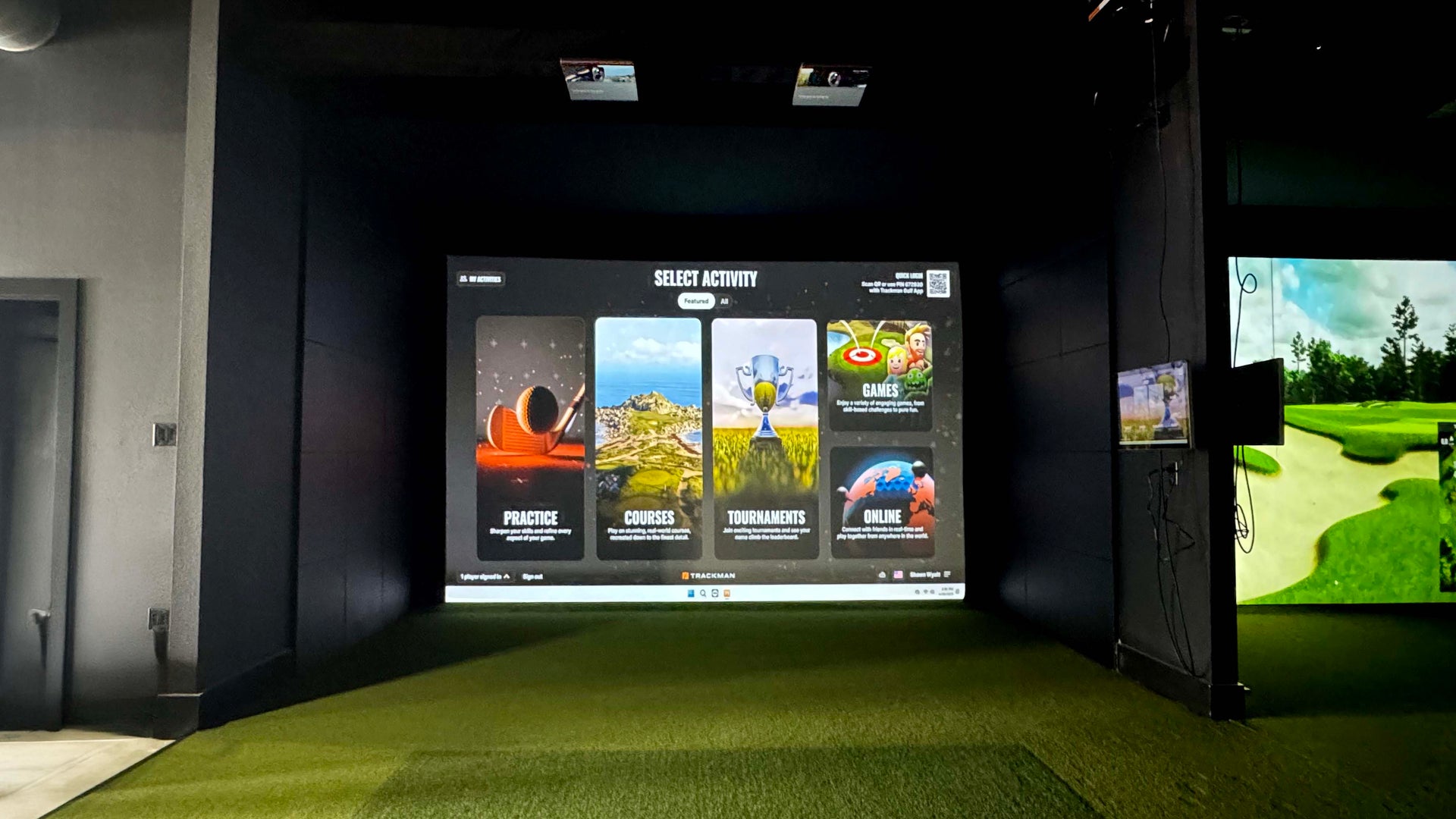
There is no one-size-fits-all answer to how much to start a golf simulator business. Costs vary by equipment quality, space, fit-out, software, and local market. Below I list typical ranges and explain each major cost so you can build a realistic budget.
Equipment and hardware
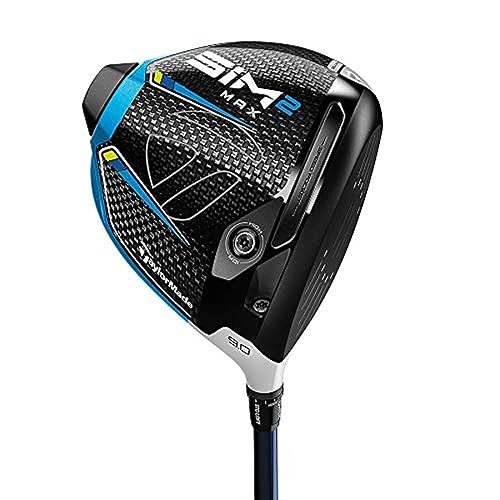
- Entry-level launch monitors and package: $5,000 to $15,000. Good for home-use or hobby studios.
- Mid-range systems with impact screen, pro-level sensor, enclosure, and PC: $15,000 to $45,000.
- High-end commercial simulators with multiple bays, best-in-class sensors, and premium software: $50,000 to $150,000+.
- Accessories: turf, nets, projector, mounts, club fitting gear, and spare parts: $1,000 to $10,000.
Space and lease costs
- Home garage or basement: low rent, minimal overhead.
- Small studio (500–1,200 sq ft): may cost $1,000 to $6,000 per month, depending on city.
- Commercial venue with multiple bays (2,000+ sq ft): higher rent and build-out costs; $3,000 to $20,000 per month is common in many markets.
- Deposits, insurance, and utility setup: plan for 1–3 months of rent as upfront cash.
Build-out, installation, and safety
- Structural work: framing, drywall, lighting: $2,000 to $25,000.
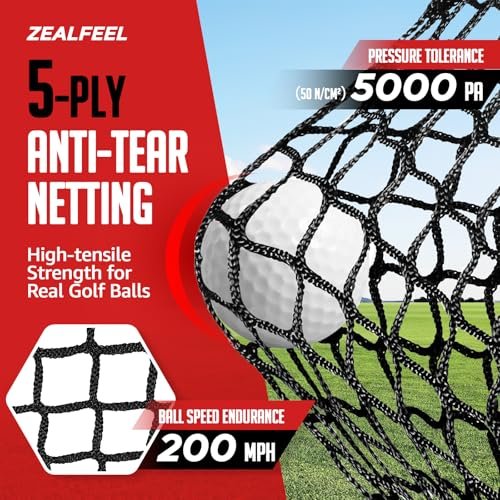
- Enclosures, impact screens, and netting: $1,000 to $10,000 per bay.
- Flooring and turf: $500 to $3,000 per bay.
- Electrical, projector mounts, and AV cabling: $500 to $5,000.
Software, licenses, and subscriptions
- Course packs and simulation software: $500 to $5,000 annually per bay for commercial licenses.
- Data services and updates may add recurring fees.
- Point-of-sale (POS), booking software, and membership platforms: $50 to $500 per month.
Operating and soft costs
- Marketing launch budget: $500 to $10,000 depending on scope.
- Staffing (if needed): salaries or hourly wages plus payroll taxes.
- Insurance, permits, and business licensing: $500 to $5,000.
- Maintenance and replacement parts: budget 2–5% of hardware cost per year.
Sample startup budgets (realistic scenarios)
-
Home-based solo bay
- Equipment: $8,000
- Build-out and screen: $2,000
- Software and PC: $1,500
- Misc (turf, lighting, marketing): $1,500
- Total: $13,000
-
Small commercial studio (2 bays)
- Equipment: $40,000
- Lease deposits and first 2 months: $6,000
- Build-out and AV: $10,000
- Software and licensing: $4,000
- Marketing and opening: $3,000
- Total: $63,000
-
Multi-bay commercial venue (6+ bays)
- Equipment: $200,000
- Space and deposits: $30,000
- Build-out and HVAC: $80,000
- Software and POS: $10,000
- Marketing and staff: $20,000
- Total: $340,000
Return on investment and pricing
- Hourly rental rates commonly range from $35 to $90 per hour based on region and equipment.
- Lessons, club fitting, leagues, and food/beverage add revenue and improve margins.
- A small studio can often reach break-even in 6–24 months with steady bookings and good local marketing.
- Track utilization rate by bay. Higher use shortens payback time.
Financing and ways to lower startup costs
- Lease equipment to reduce upfront cash.
- Start with one bay and scale as demand grows.
- Use a garage or small retail space first to validate demand.
- Seek small-business loans or equipment financing.
- Partner with golf coaches or local clubs to share capital and customers.
How to estimate your own cost to start
- Make a list of must-haves vs nice-to-haves.
- Get quotes for equipment from multiple vendors.
- Price local rent per square foot and add build-out.
- Add 10–20% contingency for surprises.
- Use conservative revenue estimates to model payback.
Business model choices that affect how much to start a golf simulator business
Your chosen business model drives costs and revenue. Choose carefully to match budget and market.
Pay-as-you-go rental
- Low staff needs.
- Simple booking and hourly revenue.
- Lower upfront risk.
Membership and subscription
- Predictable recurring revenue.
- Requires stronger local marketing and retention plans.
- May need discounts or perks for members.
Coaching and club fitting
- Adds skilled labor costs.
- Commands higher per-hour prices.
- Attracts golfers who want long-term value.
Events and corporate rentals
- Higher revenue per hour for private events.
- Requires flexible staffing and service capabilities.
Retail and F&B hybrid
- Offering food, drinks, or retail gear increases spend per visit.
- Raises build-out and health code needs.
Common mistakes and how to avoid them
- Underestimating soft costs
- Many forget license fees, insurance, and software subscriptions. Always add a 10–20% buffer.
- Buying the cheapest gear
- Cheap sensors can frustrate golfers. Buy based on the experience you want to sell.
- Poor location choice
- Low rent is nice but choose a spot with foot traffic or easy access for your target market.
- Weak marketing at launch
- Even a great simulator needs marketing. Plan pre-launch offers and partnerships.
- Not tracking metrics
- Track bookings, revenue per bay, and customer acquisition cost from day one.
Personal experience: lessons from opening a studio
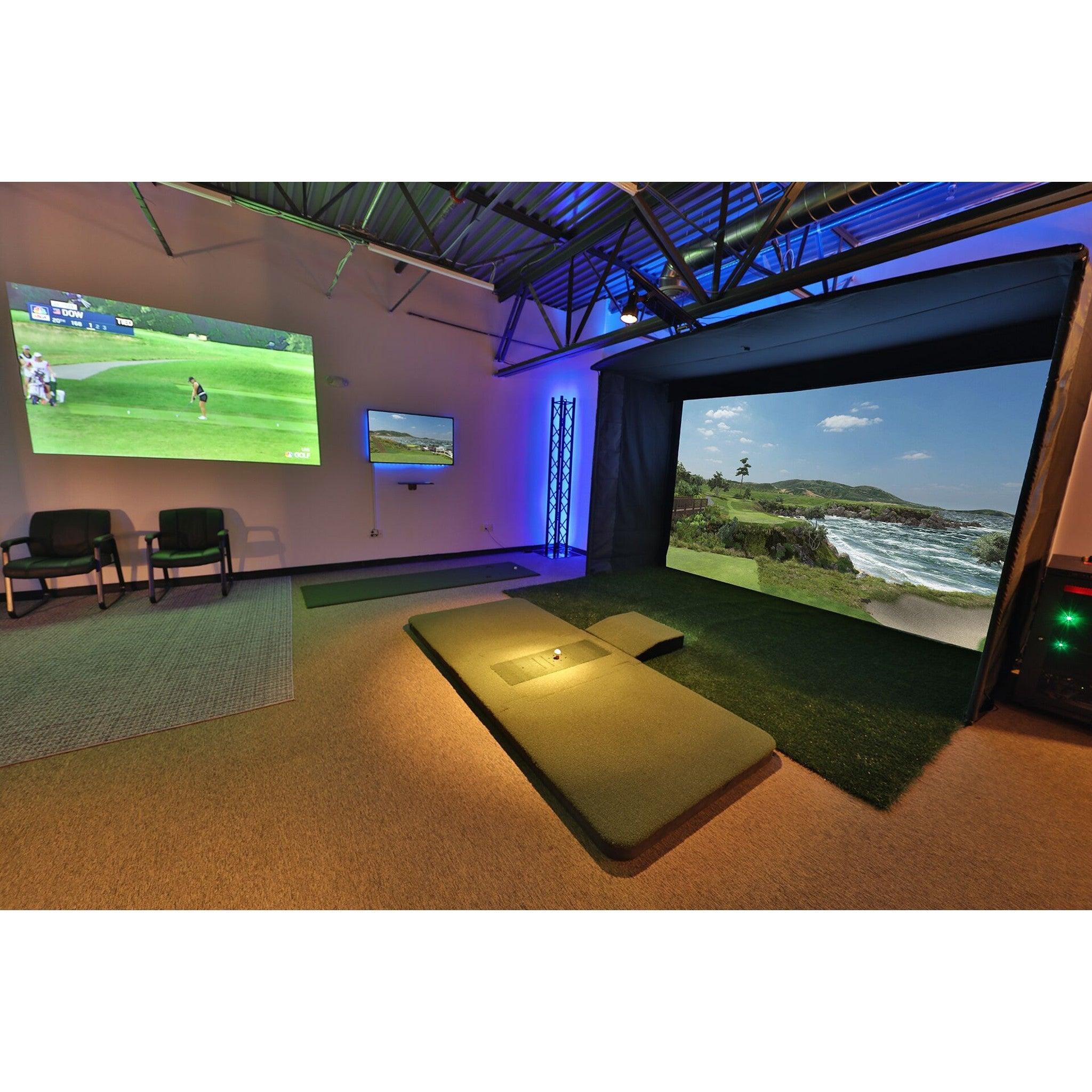
I helped a friend open a two-bay studio. We spent $65,000 upfront. Here is what I learned.
- Start small and validate demand first. We ran soft openings with local coaches before full launch.
- Invest in the user experience. Better screens and turf added bookings and repeat customers.
- Bookings matter more than peak pricing. We kept hourly rates competitive and filled midweek slots with lessons.
- Expect surprises. An unexpected electrical upgrade cost $3,500. Contingency saved the project.
- Partnerships helped. Local clubs and realtors promoted our events. That drove steady traffic.

Practical checklist to plan your budget
- Decide your business model and target market.
- Choose equipment tier and get vendor quotes.
- Secure a space and estimate rent plus deposits.
- Map out build-out items and contractor quotes.
- Add software, insurance, and licensing costs.
- Build a 3-month operating reserve for payroll and bills.
- Create a marketing launch plan and budget.

How to price your services for faster payback
- Hourly bay rental: set a base rate and offer off-peak discounts.
- Lessons and coaching: charge a premium for certified coaches.
- Packages and memberships: offer bundles to increase lifetime value.
- Events and corporate: set a higher per-hour rate and add staffing fees.
- Track conversion from trial to repeat customers and adjust pricing.
Frequently Asked Questions of how much to start a golf simulator business
How much does a single commercial bay typically cost?
A single commercial bay usually costs between $15,000 and $50,000 depending on equipment quality, screen, and PC. Higher-end bays with premium sensors and software push the cost above $50,000.
Can I start with one bay and expand later?
Yes. Starting with one bay lowers upfront cost and helps you validate demand before investing in more bays. Many successful studios scaled from one to several bays.
What are ongoing monthly costs I should expect?
Expect rent, utilities, software subscriptions, insurance, marketing, and maintenance. For a small studio, recurring costs often range from $2,000 to $10,000 monthly.
Is equipment leasing a good option?
Leasing reduces upfront cash needs and preserves capital. It may cost more over time, but it helps get the business running sooner with less risk.
How long until I can expect to break even?
Break-even commonly occurs between 6 months and 3 years depending on demand, pricing, and cost control. Conservative planning helps avoid surprises.
Do I need special permits to run a golf simulator business?
Most places require a standard business license and insurance. If you sell food or alcohol, additional permits apply. Check local rules early.
Conclusion
Starting a golf simulator business can cost as little as about $10,000 for a simple home setup and well over $300,000 for a full commercial venue. Decide your model, get multiple quotes, and add a safety buffer to your plan. Start small if you can, focus on customer experience, and track simple metrics like bookings per bay and repeat rate. If you take one step today, make it to outline a clear budget and secure a space or demo the equipment. Want to learn more or get a sample spreadsheet to plan costs? Leave a comment, subscribe, or reach out and I’ll share my budgeting template and vendor checklist.