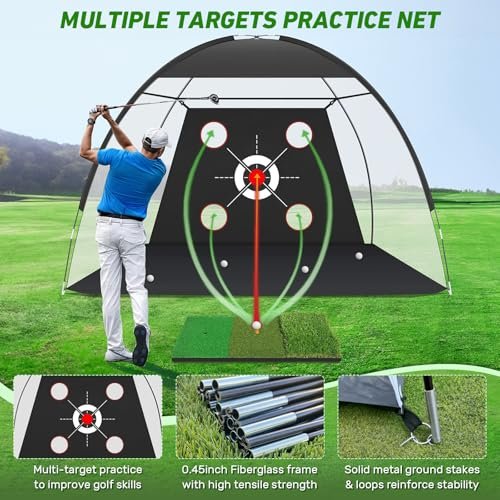
How Does A Golf Simulator Work: Inside The Tech
A golf simulator captures your swing, tracks ball and club data, and models realistic ball flight indoors.
I’ve spent years testing simulators, fitting clubs, and coaching players, so I’ll walk you through exactly how does a golf simulator work. This guide explains the core tech, the common tracking methods, setup tips, real-world pros and cons, and buying advice. Read on to learn actionable steps, avoid common mistakes, and pick the right system for your needs.

How a golf simulator works — core concept
A golf simulator recreates outdoor golf by sensing your swing and ball, then using software to show a simulated ball flight. The system measures speed, angle, spin, and impact location. That data feeds a physics model that calculates distance and trajectory on a virtual course.
A simulator combines hardware and software. Hardware captures raw inputs. Software turns inputs into a realistic output on a screen. Knowing how does a golf simulator work helps you choose the right hardware and improve your practice sessions.

Key components and their roles
Understanding each piece makes the whole system easy to grasp. Below are the parts you’ll see in most setups.
- Launch monitor
- Tracks ball speed, launch angle, spin, and sometimes club data.
- Impact screen and enclosure
- Provides a surface to hit into and protects surrounding space.
- Projector or display
- Shows the virtual course or shot replay.
- Sensors and cameras
- Capture high-speed motion and impact moments.
- Software and physics engine
- Converts sensor data into a computer-simulated ball flight.
- Turf and hitting mat
- Simulate fairway or tee surfaces and offer a stable strike zone.
- Computer or tablet
- Runs the simulation software and stores shot data.
When you know how does a golf simulator work at the component level, you can match features to your budget and goals.
Ball tracking methods explained
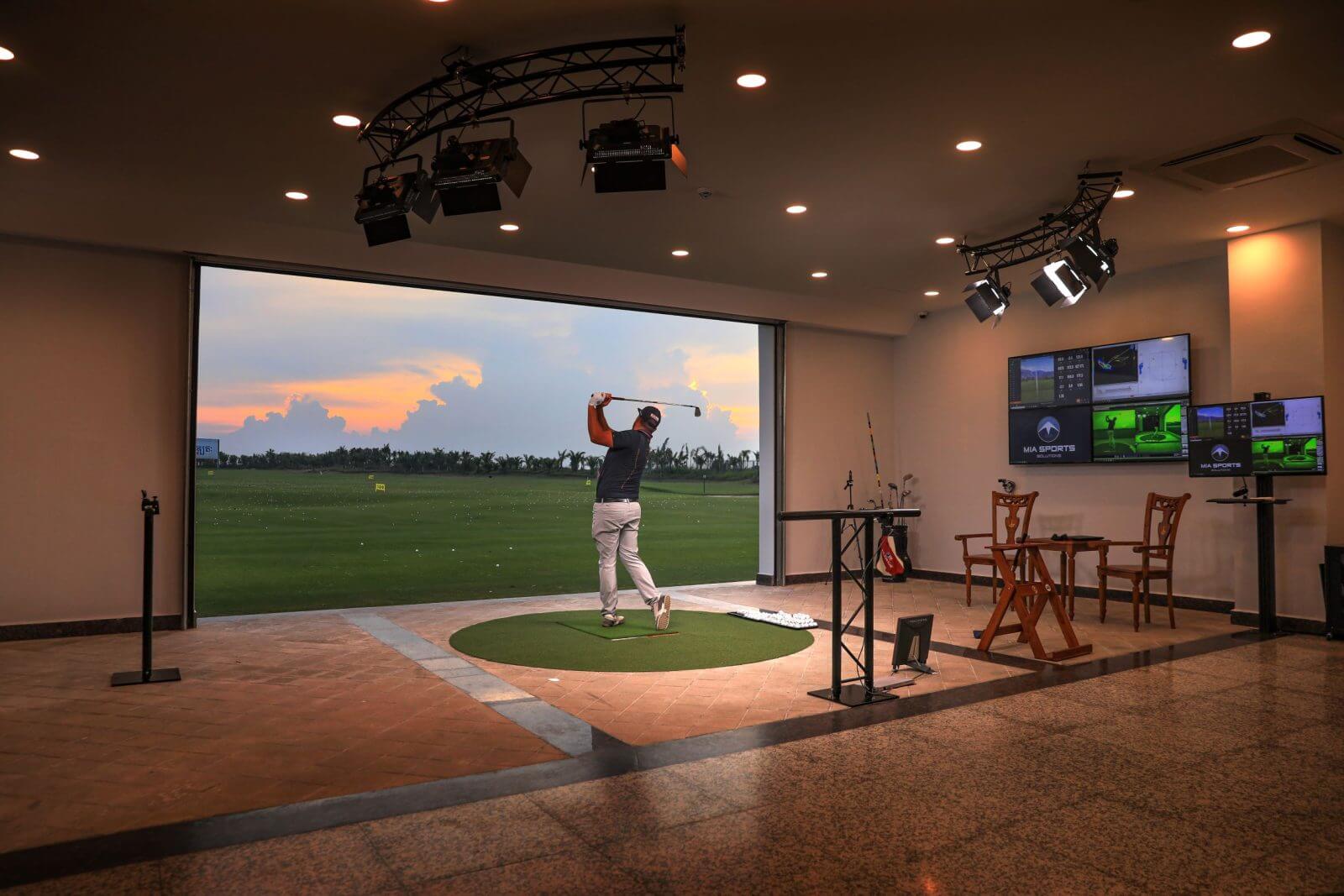
Different simulators use different ways to track the ball. Each method has pros and cons.
- Radar-based tracking
- Uses Doppler radar to follow the ball’s flight path. Good for long-distance and outdoor setups.
- Camera-based tracking
- Uses high-speed cameras to capture ball speed and spin from launch. Works well indoors.
- Photometric systems
- Take many high-resolution images to measure ball and club at impact. Offer high accuracy on spin and launch.
- Impact-detection systems
- Measure the ball immediately after impact on the mat or screen. Best for compact indoor setups.
Choosing which one matters depends on how does a golf simulator work for your goals: practice, entertainment, or club fitting. Radar is great for distance; cameras and photometric systems shine for spin and fitting.
How sensors translate movement into data
Sensors and cameras create numbers. Those numbers become speed, angle, and spin. Here’s the workflow.
- Capture
- Camera or radar captures the event at impact and initial flight.
- Process
- Software analyzes frames or radar returns to calculate metrics.
- Model
- A physics engine models ball trajectory using inputs like air density and spin.
- Render
- The software draws the flight and places the ball on a virtual map.
This chain explains how does a golf simulator work behind the scenes. Each step must be fast and precise for realistic results.

Club data and why it matters
Many systems also measure club metrics. Club data reveals how your swing creates ball flight.
- Clubhead speed
- Directly impacts distance.
- Attack angle
- Affects launch and spin.
- Face angle at impact
- Influences initial direction and side spin.
- Club path
- Helps diagnose hooks, slices, and misses.
Combining club and ball data gives a fuller picture of your swing. That’s essential for coaching and club fitting when learning how does a golf simulator work for performance improvement.
Types of simulators and where they’re used
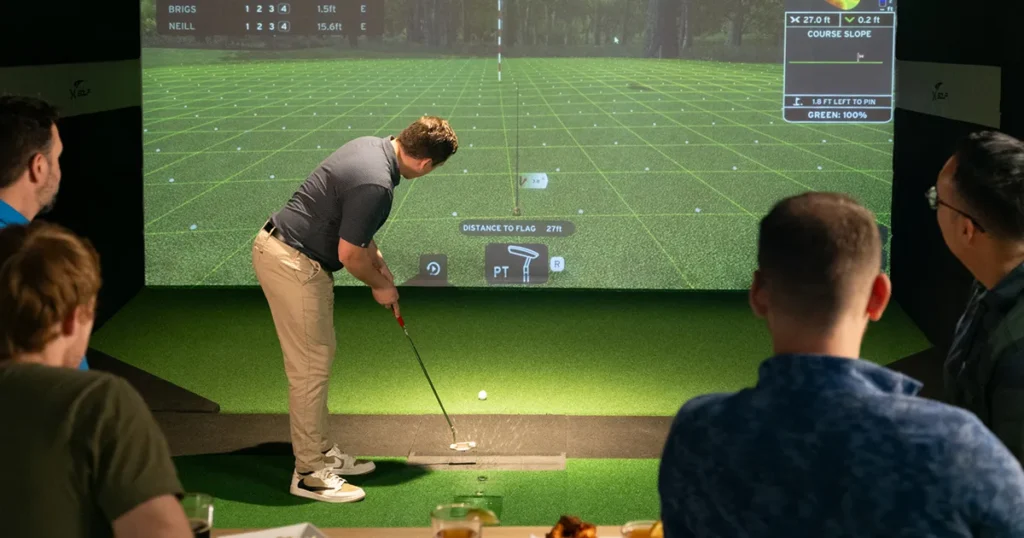
Not all simulators are the same. Pick the right type for your space and goals.
- Home simulators
- Compact, cost-effective, and often camera-based or impact-mat driven.
- Commercial simulators
- Built for entertainment venues and clubs. Heavy-duty and durable.
- Portable simulators
- Lightweight, travel-friendly, usually phone-based launch monitors.
- Professional fitting rigs
- High-end photometric systems used by club fitters and tour pros.
Understanding the differences helps you decide which kind of system suits your budget and needs, and clarifies how does a golf simulator work in different contexts.
Benefits of using a golf simulator
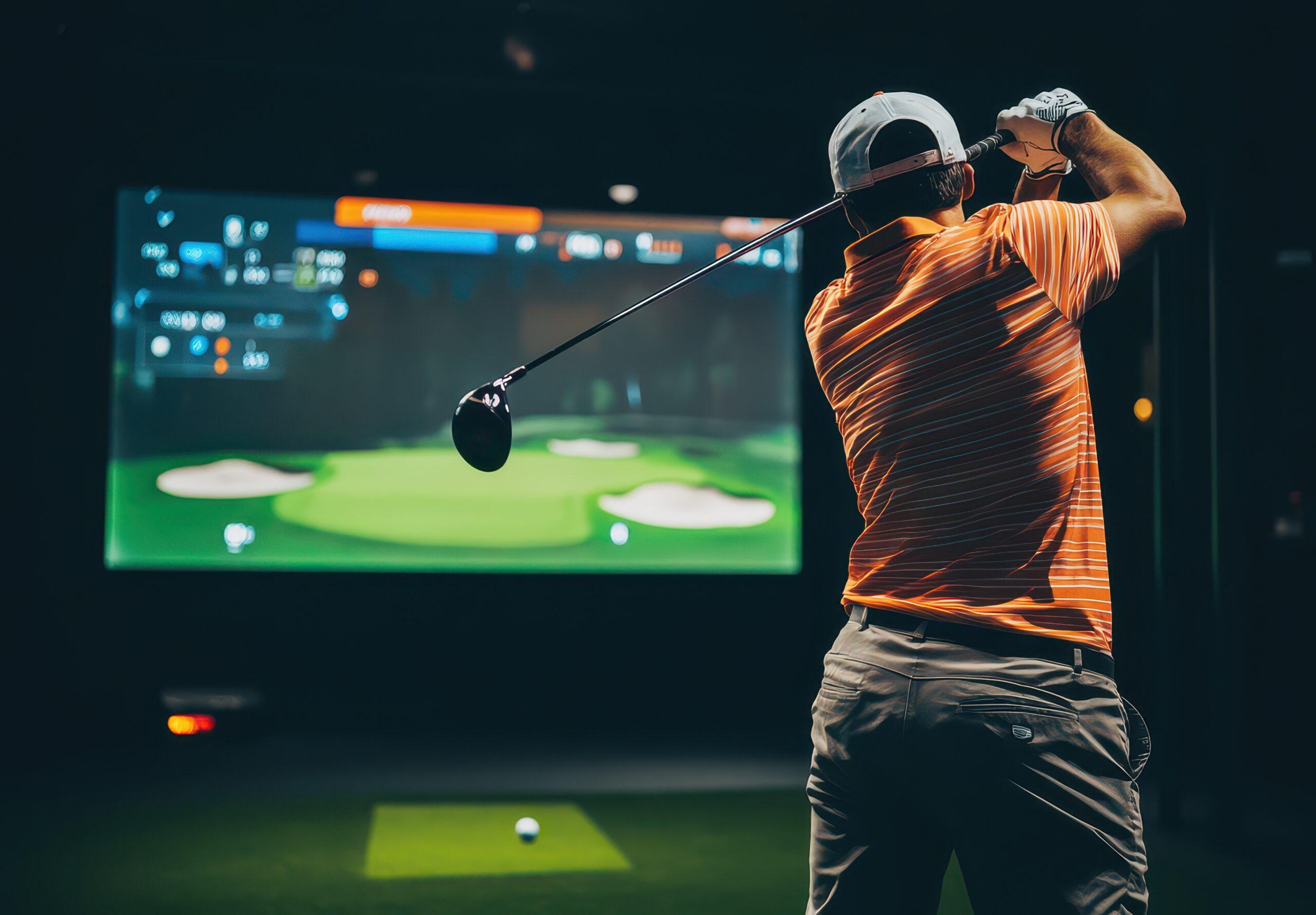
Simulators offer many practical advantages for practice and play.
- Practice in any weather and any time of day.
- Track progress with concrete metrics.
- Simulate real courses for strategy practice.
- Use shot replay and slow motion for swing analysis.
- Fit clubs precisely by isolating variables.
These benefits explain why golfers adopt simulators for improvement, entertainment, and fitting.
Limitations and common pitfalls
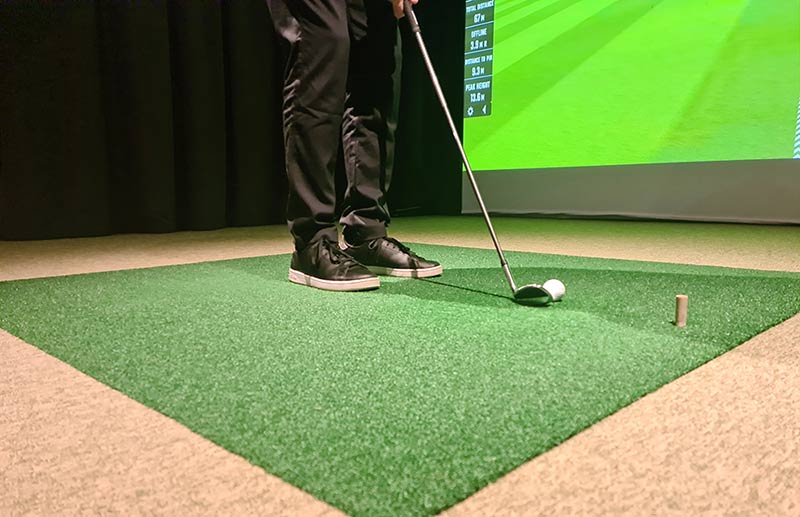
No system is perfect. Know the trade-offs before you buy.
- Accuracy limits
- Lower-end systems may misread spin or carry distance.
- Space requirements
- You need enough room for the swing and safe ball flight.
- Surface realism
- Hitting mats can feel different than real turf.
- Lighting and calibration
- Poor lighting or bad calibration degrades tracking.
Being aware of these issues helps you avoid mistakes and choose a setup that suits how does a golf simulator work for your objectives.
Setup tips and best practices
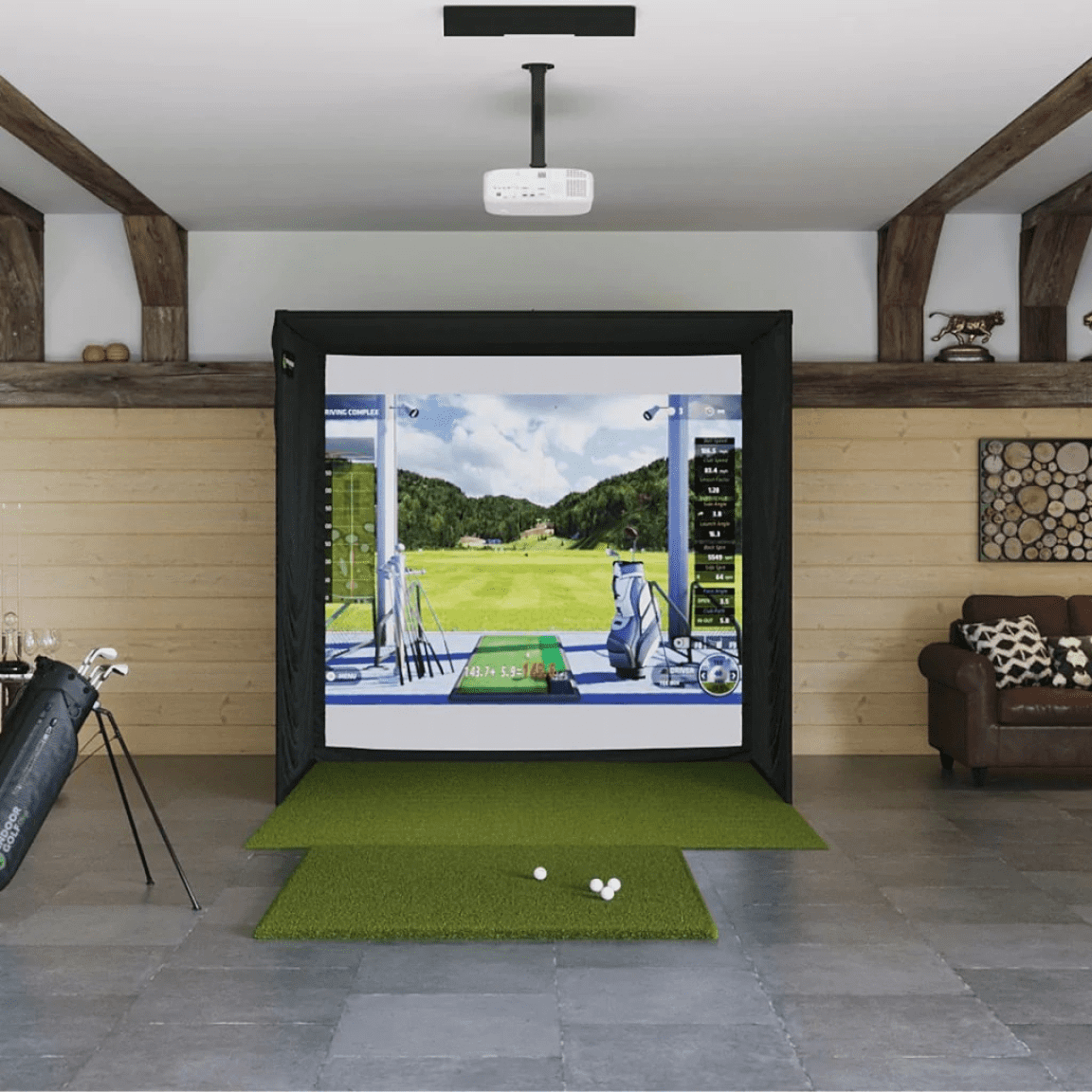
A good install improves accuracy and enjoyment. Follow these tips from hands-on experience.
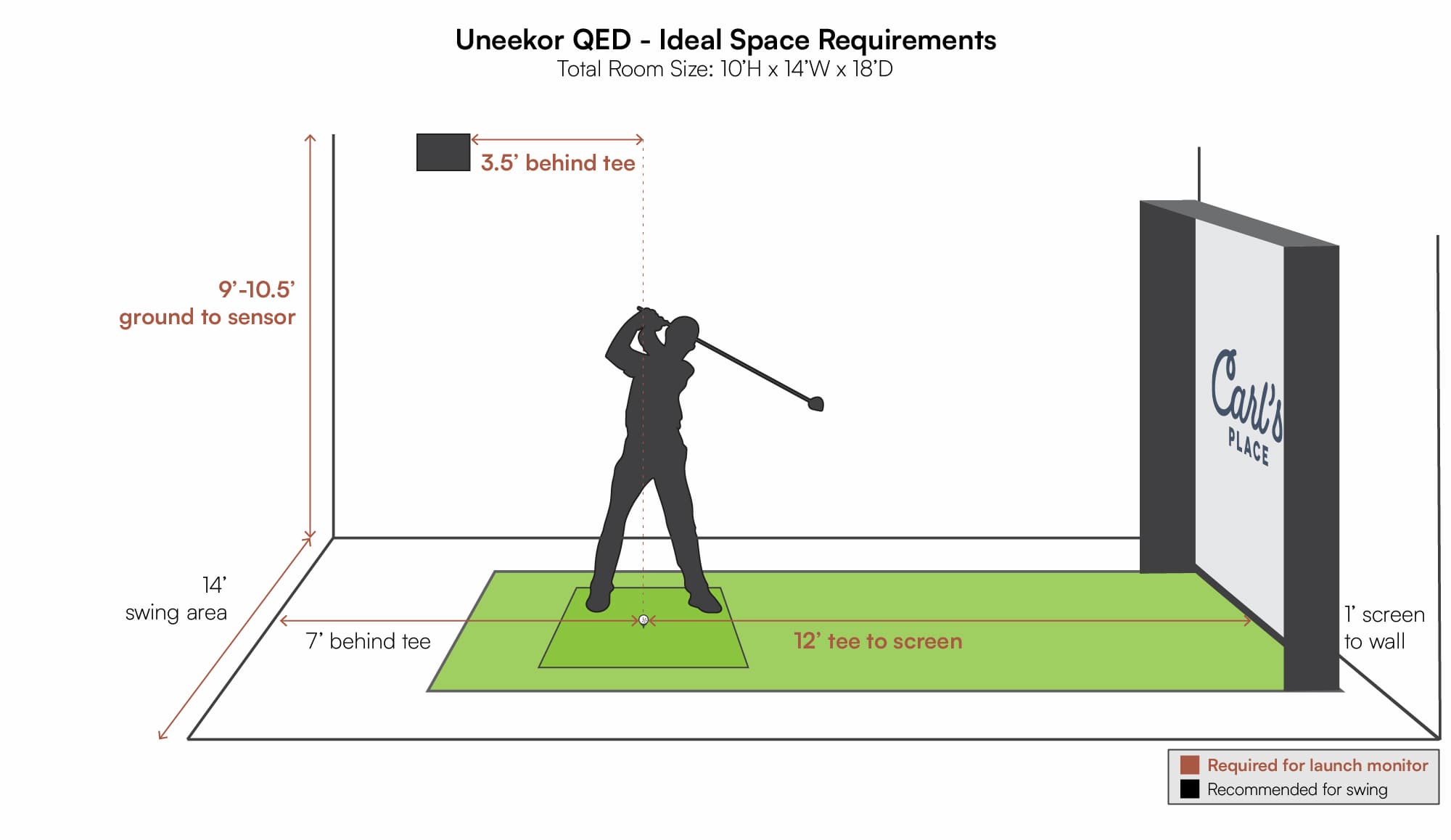
- Give enough ceiling height for full swings.
- Calibrate sensors following the manufacturer steps.
- Use consistent lighting—avoid glare on cameras.
- Replace mats periodically for better feel.
- Keep the hitting area clear of clutter.
Small setup steps make a big difference in how does a golf simulator work day-to-day. I learned this the hard way—poor lighting once caused hours of false readings until I moved a lamp.
Buying guide and cost considerations
Price varies widely. Here are the factors that affect cost and value.
- Tracking technology
- Radar and photometric systems cost more but deliver better data.
- Software features
- Course libraries, multiplayer, and practice modes add value.
- Build quality
- Strong enclosures and durable mats last longer.
- Support and updates
- Good manufacturers provide software updates and tech support.
Expect a basic home setup under $2,000 and professional systems above $20,000. Think about how does a golf simulator work for your goals: casual practice, serious improvement, or commercial use.
Personal experience, tips, and mistakes to avoid
I’ve installed simulators in garages, basements, and pro shops. Here’s what I learned.
- Tip: Start with a clear goal. Want to practice short game, or want full swing launch data? Your goal guides the tech you need.
- Mistake: Buying solely on price. I once picked a cheap sensor that drifted over time. It cost more in lost practice than the savings.
- Tip: Pair a launch monitor with video. Seeing your swing plus numbers accelerates learning.
- Tip: Schedule regular calibration and updates to keep data reliable.
These lessons come from years of testing and coaching. They show how does a golf simulator work in real settings and how to use them wisely.
Frequently Asked Questions of how does a golf simulator work
What sensors do most golf simulators use?
Most simulators use radar or high-speed cameras to capture ball speed, launch angle, and spin. Some systems combine sensors for better accuracy.
Do simulators measure club data too?
Yes. Many systems track clubhead speed, path, attack angle, and face angle to give a complete swing picture.
How accurate are indoor golf simulators?
Accuracy varies by system. High-end photometric and radar systems can be very precise, while budget options may have larger errors in spin and carry.
How much space do I need for a simulator?
A safe home setup usually needs 10–12 feet of width, 12–15 feet of depth, and 9–10 feet of ceiling height. Exact needs depend on your swing and system.
Can I use a simulator for club fitting?
Yes. Professional systems provide the data fitters need, such as ball speed, launch, and spin. Lower-end units may be less reliable for precise fitting.
Do simulators work in low light?
Most camera-based systems need good, even lighting for accurate capture. Radar systems are less sensitive to light but still require proper setup.
Summary and next steps
You now understand how does a golf simulator work from sensors to software to the player experience. Simulators measure ball and club data, feed that into a physics model, and render a lifelike ball flight on screen. They help you practice, fit clubs, and play virtual courses year-round.
If you’re ready to try one, define your goals, assess your space, and choose technology that matches your needs. Start with a mid-range system if you want balance, or invest in pro-grade gear for fittings and high accuracy. Share your setup questions or experiences below, subscribe for updates, or try a demo at a local shop to see how does a golf simulator work for you.