How To Turn Regular Shoes Into Golf Shoes: Easy DIY Guide
Golf shoes help you stay steady during the swing, but you do not always need a dedicated pair to play a round. With the right regular shoes, simple traction aids, and a careful setup, you can turn everyday footwear into a safer golf option for practice, casual play, or a dry walking round.
The key is to improve grip without harming your feet, damaging the course, or breaking a club’s dress rules. A flat, flexible running shoe may feel fine on the driving range, while a smooth casual shoe can become risky on wet grass, slopes, or during a powerful downswing. This guide explains what works, what does not, and when regular shoes are not enough.
Quick answer: Can regular shoes become golf shoes?
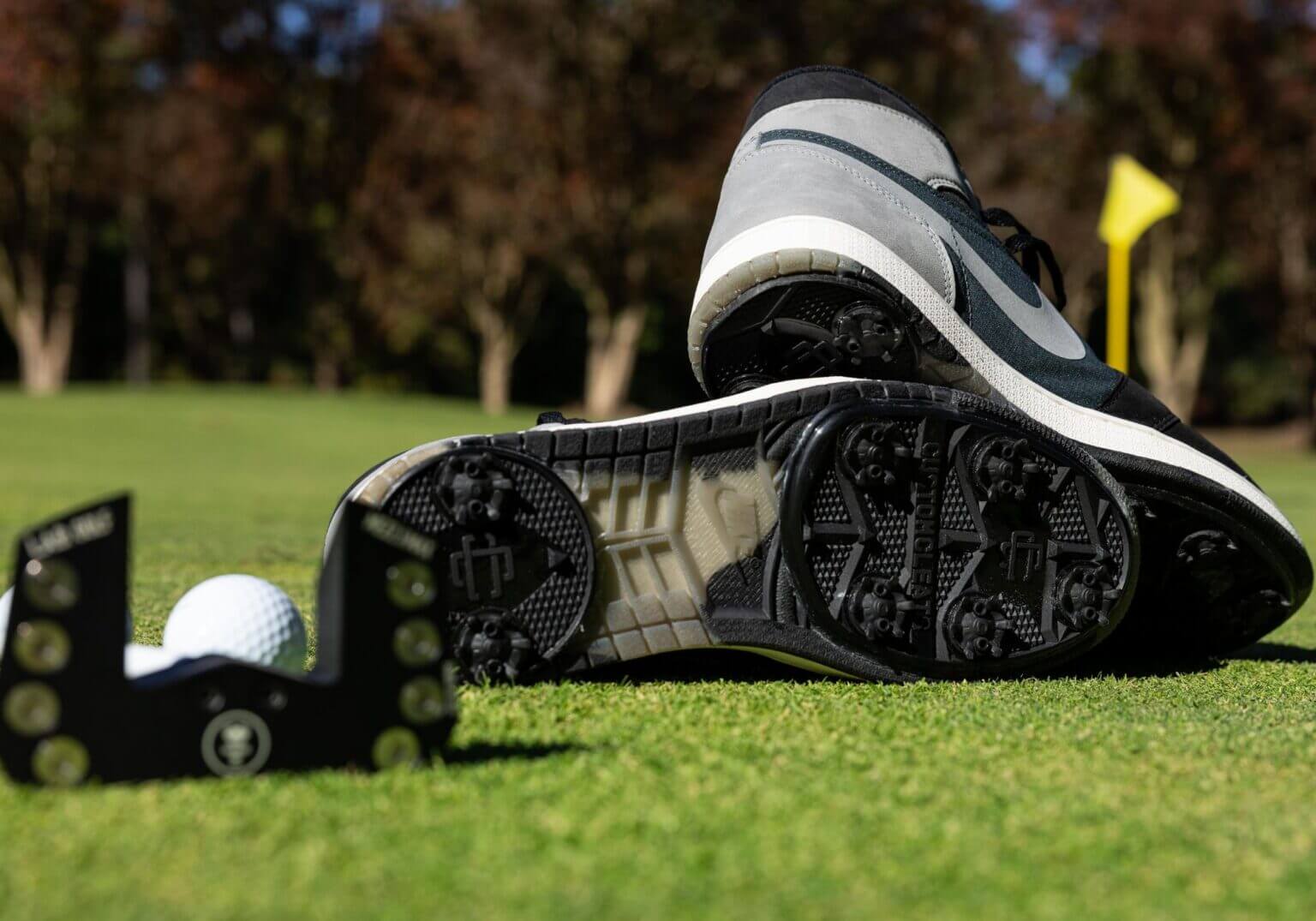
The best way to turn regular shoes into golf shoes is to start with clean, supportive shoes that have a firm rubber outsole, then add removable golf traction cleats or overshoes made for turf. You can also improve grip by using shoes with a wide base and shallow tread. Do not screw nails, metal spikes, or improvised objects into the sole. Test your setup on a practice area before walking onto the course.

A regular shoe cannot fully copy the support, waterproofing, torsional control, and turf traction of a purpose-built golf shoe. Still, it can work for a beginner, junior, senior, or casual golfer when the weather is dry and the course allows it.
Your goal is not to make the shoe look like a golf shoe. Your goal is to create a stable platform for the stance, backswing, downswing, impact, and follow-through.
Why golf shoe traction matters
Golf shoes matter because the swing creates force between your feet and the ground. Your feet help control balance, pressure shift, rotation, and posture. If your shoes slide, your body may change the swing to protect itself.
A right-handed player often pushes pressure into the inside of the right foot during the backswing. During the downswing, pressure moves toward the lead foot. A left-handed player makes the opposite pattern. Both players need enough grip to turn without the lead foot rolling or the trail foot spinning out.
Traction also matters outside the full swing. You need stable footing for chipping, pitching, bunker shots, putting, green reading, and walking across uneven rough. A slope near a tee box may feel harmless until wet grass makes the sole slip.
Traction, stability, and comfort are different
Traction is the shoe’s ability to resist sliding. Stability is the shoe’s ability to support your foot as you rotate. Comfort affects how well you walk and focus over 9 or 18 holes.
A shoe can have strong tread but poor side support. Another may feel soft but twist too much during impact. The best temporary setup balances all three needs.
| Shoe quality | Why it matters in golf | What to look for |
|---|---|---|
| Outsole grip | Helps resist sliding during the swing | Firm rubber with clear tread |
| Side support | Limits foot movement during rotation | A secure heel and snug midfoot |
| Comfort | Helps during long walks | cushioning without a soft, unstable base |
The main takeaway is simple: grip alone is not enough. A shoe must also keep your foot centered and comfortable.

Weather changes the answer
Dry turf gives regular shoes the best chance of working well. Damp grass, dew, frost, mud, and steep slopes raise the risk of slipping. A links course with firm, rolling ground may also demand more side stability than a flat executive course.
Heat changes comfort, too. Breathable shoes can help in hot weather, but they may not resist morning dew. In cold weather, stiff soles and thick socks can reduce foot feel. Always consider the course, forecast, and how much you plan to walk.
| Course or weather condition | Risk for regular shoes | Sensible adjustment |
|---|---|---|
| Dry, flat fairway | Lower slip risk | Use firm shoes with a clean tread |
| Wet morning grass | Higher slip risk | Use removable traction or postpone casual footwear |
| Hilly or muddy course | High slip and twist risk | Choose a stable turf shoe or golf shoe |
| Hard, firm links ground | Side-foot movement may increase | Use a wide, secure base |
A regular shoe setup may suit a dry practice round but not a wet tournament. Conditions can change during the same day.

Start with the right regular shoes
The best regular shoes for golf have a firm sole, a low heel-to-toe drop, and enough structure to hold your foot. “Heel-to-toe drop” means the height difference between the heel and the front of the shoe. A very high heel can change your stance and balance.
Walking shoes, court shoes, trail shoes, and some clean athletic shoes often provide a better base than soft fashion sneakers. Court shoes can offer useful side support. Trail shoes may grip well, but deep lugs can collect mud and may feel uneven on firm greens.
Avoid shoes that are worn smooth, loose at the heel, or soft enough to fold easily. Also avoid shoes with hard edges that can damage a putting green or leave marks in delicate turf.
A simple shoe inspection
Check the shoes before you modify or use them. Look at the outsole, upper, heel, laces, and midsole. A shoe that already moves under your foot cannot become stable through a simple traction add-on.
Use this check:
- Place each shoe on a flat floor.
- Press the heel and toe down by hand.
- Twist the shoe gently from heel to toe.
- Check for worn or bald areas.
- Walk, stop, and turn on a clean dry surface.
- Confirm that your heel does not lift.
- Check that your toes do not feel cramped.

A firm outsole should bend near the ball of the foot, not fold in the middle. You need some flex for walking, but too much flex can reduce control during the golf swing.
Shoe types that may work
A clean pair of court shoes may suit a beginner who plays a short, dry round. A walking shoe may suit a senior golfer who values comfort and walks an executive course. A trail shoe may help on rough terrain, but it can be too aggressive for some clubhouses and green areas.
| Regular shoe type | Best use | Main limitation |
|---|---|---|
| Court shoe | Dry rounds and practice | May lack water resistance |
| Firm walking shoe | Seniors and long walks | May have modest swing support |
| Trail shoe | Hilly or rough ground | Deep tread can hold mud |
| Running shoe | Light practice on dry turf | Soft soles may twist |
| Casual sneaker | Putting or short practice | Often lacks support and grip |
These are general patterns, not strict rules. Foot shape, handicap, swing speed, age, and course conditions all matter.

Fit matters for men, women, juniors, and seniors
Golf shoes do not need to be labeled for a certain gender. The shoe must fit the foot and provide the needed support. Women with narrow heels may need to watch for heel lift, while men with wide feet may need room across the forefoot. These are fit concerns, not fixed rules.
Junior golfers need secure shoes that do not slip or pinch. Parents should check that the shoe is not too large for growth. A loose shoe can make a child lose balance and may affect confidence during the swing.
Senior golfers often benefit from a stable base and good cushioning. However, very soft foam can feel unstable. If you have arthritis, balance concerns, or foot pain, ask a qualified health professional about suitable footwear.
Ways to add golf-style traction
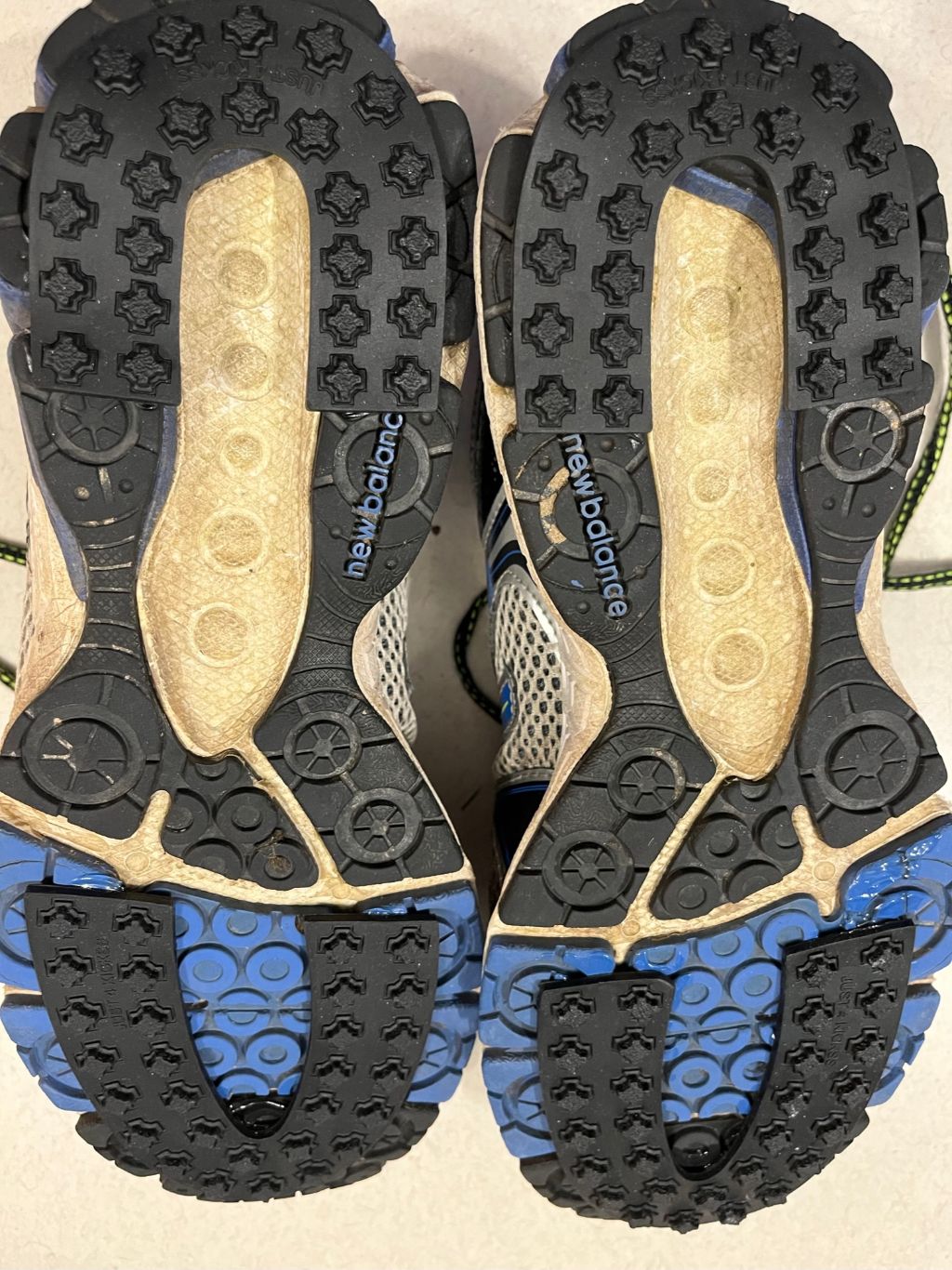
The safest temporary method is to use a removable traction system designed for turf. These may fit over the shoe or attach around the outsole. Use only a system that fits the shoe securely and does not cover the sole in a way that changes your balance.
Another option is a regular shoe with a naturally grippy rubber outsole. In some dry settings, that is enough. You can improve performance by cleaning the sole and removing packed dirt before play.
Do not use nails, screws, thumbtacks, cut-up plastic, or sharp objects. They can injure your foot, damage the course, tear the shoe, or create an uneven platform.
Removable traction covers
Removable traction covers can add small turf grips to a normal shoe. They are useful when you need a short-term solution for a practice session or casual round. They must sit flat, stay tight, and remain centered under the foot.
Test them indoors or on a safe, dry surface first. Walk, stop, squat, and make slow practice swings. If the cover slides or pinches, do not use it on the course.
💡 Pro Tip: Make five slow practice swings at half speed before you play. If your feet feel trapped, loose, or uneven, the traction setup is not right. Golf footwear should support natural movement, not force your feet into place.
Rubber outsole cleaning
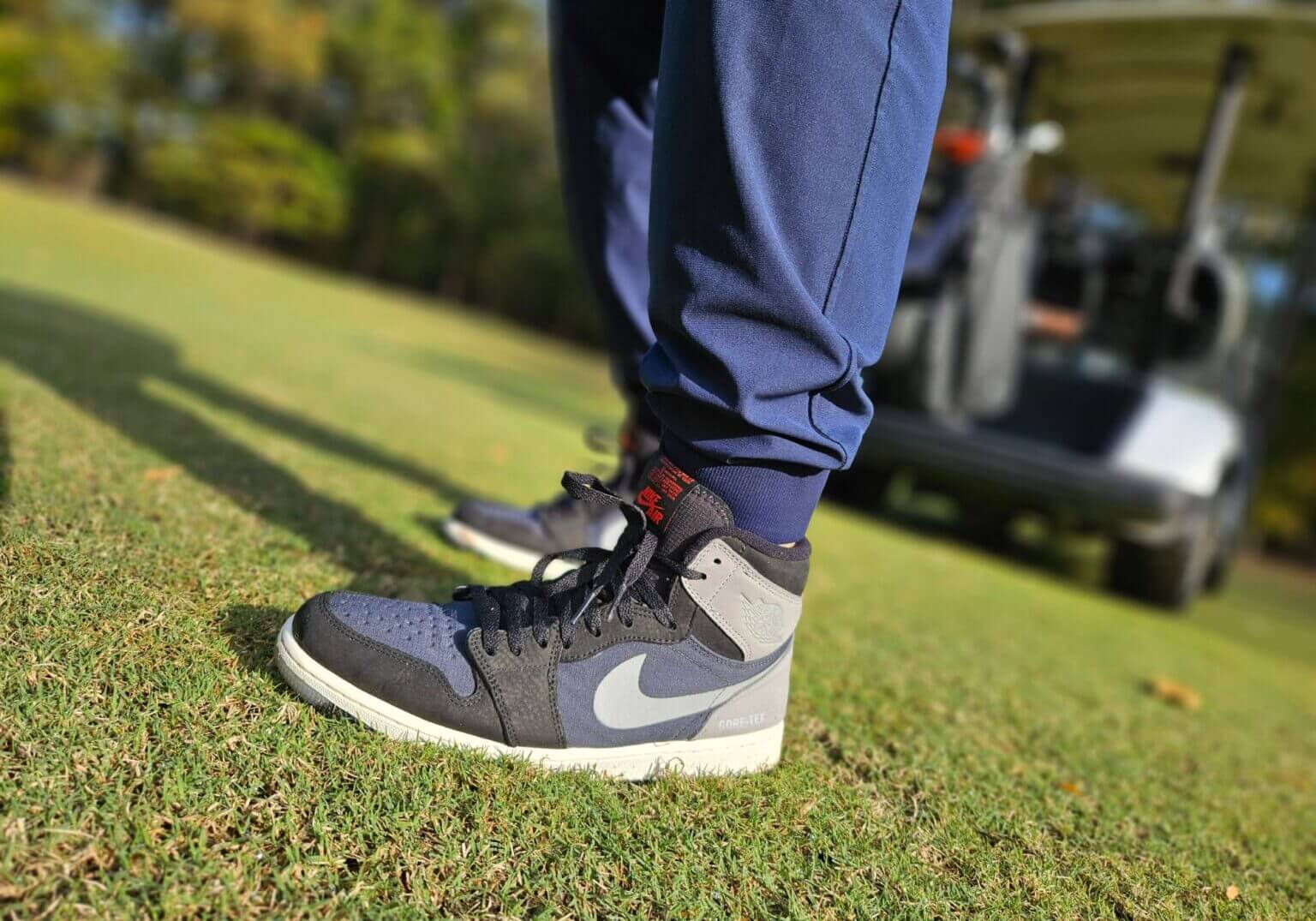
Dirt and grass can fill the grooves in a sole. This reduces contact with the ground. Clean the outsole with a soft brush and water, then let the shoe dry fully.
Do not coat the sole with oil, wax, adhesive, or household chemicals. These can make the shoe slippery or leave residue on turf. A clean sole is often safer than a badly altered sole.
Sole inserts and in-shoe support
A removable insole can change comfort and foot pressure, but it does not create traction. Insoles may help a golfer who needs more arch support or cushioning, yet they should not make the shoe feel tight.
Do not stack several inserts. This can raise your heel, reduce space, and make the foot less stable. If a shoe only works after major internal changes, it is not a good temporary golf shoe.
How to turn regular shoes into golf shoes
Follow these steps in order. Each step checks a different part of the setup. Do not skip testing because a shoe feels fine while sitting or standing indoors.
1. Choose a stable pair
Select shoes with a firm outsole, secure heel, and enough room for your toes. The shoe should feel stable when you stand with your feet about shoulder-width apart.
For a beginner, stability is usually more important than a light feel. An improving player with a fast swing may need more side support. A senior or golfer with reduced balance may need extra cushioning, but the base should still feel firm.
2. Clean and inspect the outsole
Remove small stones, mud, and grass. Look for worn areas under the heel and ball of the foot. Those zones take much of the load during walking and swinging.
If the sole is smooth, cracked, or uneven, do not try to repair it with household glue. The repair may fail at the worst moment and may leave residue on the course.
3. Check the fit with golf socks
Wear the socks you normally use for golf. Stand, walk, and make a few slow swings. Your heel should stay down, and your toes should not press into the front of the shoe.
Do not lace the shoe so tightly that your foot goes numb. A secure fit should support the foot while allowing normal blood flow.
4. Add safe removable traction if needed
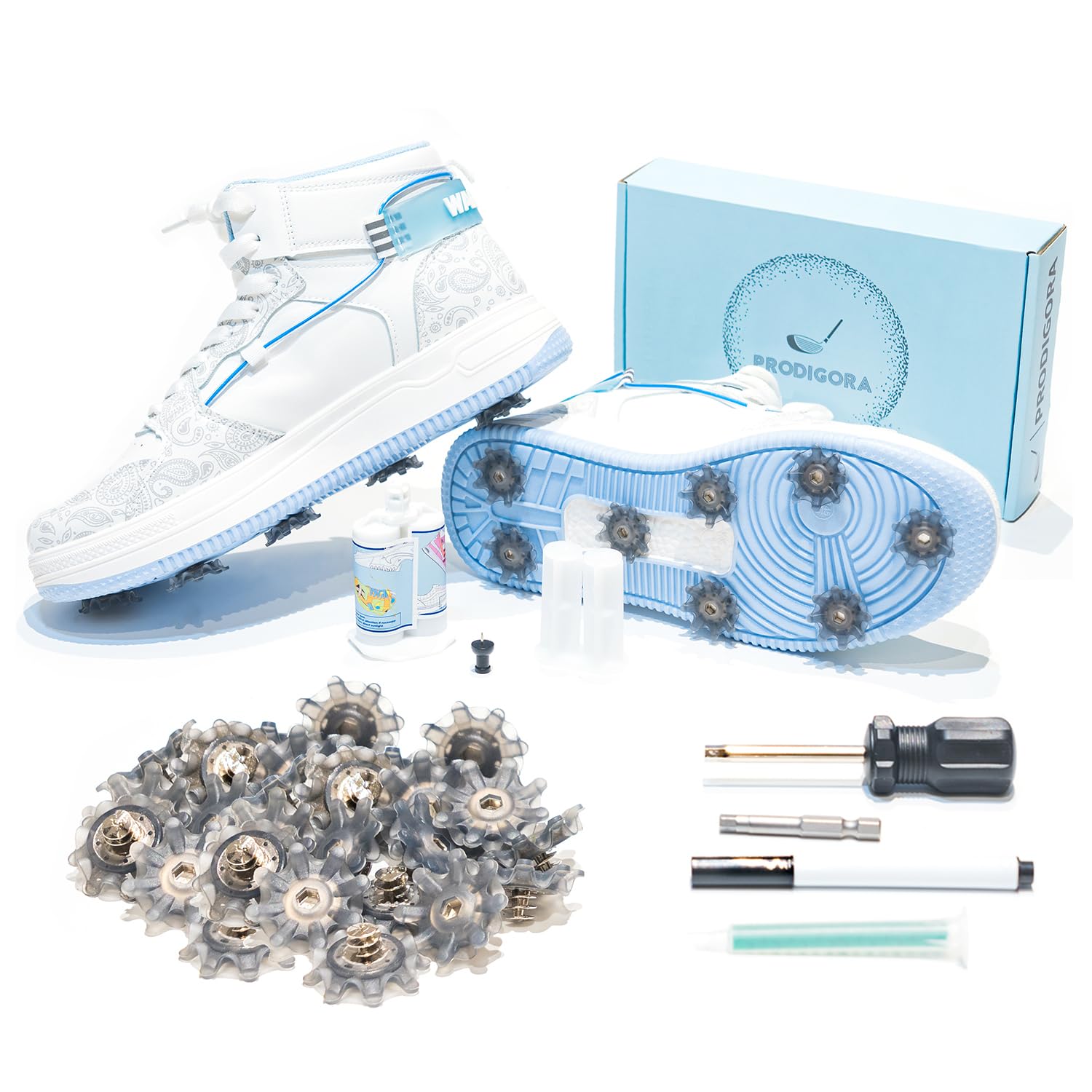
Attach the traction aid according to its instructions. The grips should sit under the main contact areas of the outsole. They should not create a high point beneath the arch or heel.
Move slowly while putting them on. A twisted traction cover can change your stance width and posture. That may affect the path of the club and your impact position.
5. Test on several surfaces
Test the shoes on a clean floor, a mat, short grass, and a gentle slope. Use slow movements first. Then make practice swings at 50 percent effort.
| Test | What it checks | Stop if you notice |
|---|---|---|
| Walk and stop | Forward grip | Feet slide or covers shift |
| Side step | Side stability | Ankle rolls or shoe twists |
| Slow swing | Swing traction | Lead foot spins |
| Gentle slope | Balance on uneven ground | Heel lifts or sole folds |
| Short walk | Comfort | Hot spots or numbness |
The best test is not a hard swing. It is a controlled check that shows whether the shoe stays centered.
6. Test the setup with both swing directions
Right-handed and left-handed golfers load the feet in different ways. Make slow swings from both sides if possible. This can reveal whether one side of the shoe feels weak.
This step also helps parents and coaches check junior golfers. A child may not explain that a shoe slips. Watch for a shortened follow-through, a wide stance, or a sudden loss of balance.
7. Confirm course and club rules
Many courses allow regular athletic shoes, but policies vary. Some clubs require specific dress standards. Some facilities restrict hard spikes or certain sole patterns.
📜 Check the Rules: The Rules of Golf focus on how the ball is played, not on turning normal shoes into golf shoes. However, a club, event, or local committee may set dress or footwear policies. Check the latest Rules of Golf and your local committee for updates before a competition.

8. Walk nine holes before attempting 18
A shoe can feel fine for ten minutes and become painful after several miles. Try it on a short course, executive course, or nine-hole round first.
Pay attention to hot spots, heel lift, toe pressure, and fatigue. Fatigue can change posture and balance. It may also affect pace of play if you need frequent breaks.
9. Recheck the shoes during the round
Inspect the soles after a few holes. Grass and mud can reduce grip. A removable cover can also shift when you walk through rough or climb a slope.
If the shoe becomes loose or uncomfortable, stop in a safe area and fix it. Do not adjust footwear beside a moving cart path or while another group is preparing to hit.
DIY methods that do not work well
Some home fixes seem clever but create more risk than benefit. Golf requires steady pressure and rotation. A small change under one foot can alter the entire stance.
Never push screws, nails, or metal studs through a shoe sole. The point can reach your foot, and the shoe may damage a green or tee surface. Improvised spikes can also catch in the ground and increase ankle stress.
Do not glue rubber pieces, bottle caps, carpet, or cut-up mats to the outsole. Glue can peel, leave marks, and create different heights under the heel and toe. A homemade tread pattern rarely stays balanced.
Common mistakes and better solutions
| Mistake | Why it causes trouble | Better solution |
|---|---|---|
| Using smooth sneakers on wet grass | High slip risk | Use secure turf traction or delay play |
| Adding sharp objects | Injury and turf damage | Use approved removable traction |
| Wearing loose shoes | Foot slides inside the shoe | Improve fit or use another pair |
| Using very soft running shoes | Poor side support | Choose a firmer court or walking shoe |
| Ignoring worn tread | Little ground contact | Use shoes with a sound outsole |
A golfer may feel stable during a putting stroke but slip during a full swing. Always test the movement you plan to make.

Why household tape is not a real fix
Tape may hold a loose edge for a few steps, but it does not create reliable traction. It can also collect dirt and water. If the tape changes the way the sole contacts the ground, it may make the shoe less stable.
Tape can be useful for marking a foot position during practice on a dry mat. It is not a safe replacement for a proper outsole or traction aid.
Why regular running shoes can be limited
Running shoes are built for forward motion and repeated impact. Golf includes rotation, side pressure, and uneven lies. Some running shoes have tall, soft foam that feels comfortable but moves under load.
This does not make all running shoes unsuitable. A firm model may work for a beginner on a dry range. It simply means you should test the shoe instead of assuming comfort equals stability.
Match the setup to your golfer type
A temporary golf shoe setup should match the player, not just the shoe. Handicap is one factor, but it is not the only one. A new golfer with a 30 handicap may need more stability than a skilled player with a slower, controlled swing. A low-handicap golfer who swings fast may place greater force on the sole.
Beginners and new golfers
Beginners often benefit from a simple setup. Use a firm, comfortable athletic shoe on dry grass. Start with putting, chipping, and half swings. Then move to full swings after the shoe feels secure.
A beginner does not need to chase a perfect golf stance through footwear changes. Keep the feet about shoulder-width apart, maintain balanced posture, and avoid gripping the ground with your toes.
Improving amateurs
An improving golfer may notice that foot movement affects the downswing or follow-through. If the lead foot spins or the trail foot slides, check the shoe before changing the swing.
Use video from the front and down-the-line view. Look for unwanted foot movement, not just the ball flight. A slice means the ball curves right for a right-handed player and left for a left-handed player, but the cause may involve many parts of the swing.
Seniors
Senior golfers often walk less comfortably and may face reduced balance, joint stiffness, or slower recovery. A stable shoe with cushioning can help reduce fatigue. Take a gentle warm-up before walking from the parking area to the tee.
Do not use strong traction to force a stiff swing. If the feet cannot turn naturally, the knees, hips, back, or ankles may take extra stress. Stop if pain appears.
Women golfers
Women golfers should focus on heel security, forefoot space, and comfort. A shoe that slips at the heel can cause small balance changes. A shoe that squeezes the forefoot can create numbness during a long round.
The same setup principles apply to right- and left-handed players. The shoe should fit the foot, not the player’s label.
Junior golfers and families
Juniors need footwear that allows natural movement and does not add excess weight. Parents should inspect the soles often because children may play on rough ground, climb slopes, or drag their feet.
👪 Parent or Beginner Note: Let a junior make slow swings, short walks, and gentle turns before a full round. Watch the feet as well as the ball. A child who keeps losing balance may need a better fit, a different surface, or help from a coach.
Walkers and cart riders
Walkers need comfort, moisture control, and reliable grip over many steps. Cart riders still need stable shoes because they walk on slopes, around bunkers, and across wet grass.
Cart use does not remove safety concerns. Keep feet inside the cart, follow cart signs, slow down near turns, and never drive close to a steep edge.
Weather, course type, and turf care
The same regular shoes can behave differently on a parkland course, a links course, and an executive course. Turf height, soil moisture, slope, and grass type all change traction.
A fairway is usually shorter and firmer than the rough. A bunker has loose sand. A green has very short grass and sensitive soil. Do not test an unfamiliar traction system by dragging your feet across a putting surface.
| Setting | Footwear concern | Course-care choice |
|---|---|---|
| Tee box | Firm stance and clean turf | Avoid twisting deeply on soft areas |
| Fairway | Normal swing traction | Replace divots when required |
| Rough | Uneven lies and hidden dips | Walk with shorter steps |
| Bunker | Sand enters the sole | Enter and leave with care |
| Putting green | Surface damage | Avoid sharp or aggressive soles |
Course care is part of golf etiquette. Repair ball marks, replace divots when the course asks, rake bunkers, and keep litter, broken tees, and old balls out of play areas.

Wet grass and morning dew
Dew can make a flat fairway slippery. It also coats the outsole and may hide worn tread. Walk slowly during the first few holes and avoid sudden turns.
If the course is saturated, regular shoes may not offer enough support. Protecting the turf matters, too. Follow any cart restrictions and avoid driving or walking through marked wet areas.
Heat, rain, and lightning
Heat can increase swelling and discomfort in the feet. Drink water, use sun protection, and take breaks when needed. Wet socks can create blisters, so check your feet if discomfort starts.
⚠️ Safety Warning: Leave the course at the first warning of lightning and follow the facility’s shelter plan. Do not wait for rain to become heavy. Footwear cannot protect you from lightning or a wet, dangerous slope.

Using regular shoes during practice
Regular shoes may be most useful during practice. A driving range mat is a controlled surface, although mats can be firm and unforgiving. Begin with a warm-up routine, then make half swings before full shots.
Practice different golf skills:
- Putting and green reading
- Chipping from short grass
- Pitching with a partial swing
- Bunker shots in a practice bunker
- Full swings with a middle iron
- Fairway wood and driver swings
- Walking drills for balance and posture
A shoe that works on a flat mat may not work in a bunker or on a sloped lie. Test the shoe in the same type of setting you plan to play.
A five-minute traction drill
This drill suits beginners and improving amateurs. It checks balance without asking for full power.
- Stand with feet shoulder-width apart.
- Make ten slow practice swings.
- Make ten swings to a waist-high finish.
- Shift pressure from trail foot to lead foot.
- Make five swings at about 70 percent speed.
- Stop if either foot slides or twists.
Keep the grip light enough to let the body move. A death grip on the club can make the swing stiff and hide a footwear problem.

A walking and stopping drill
Walk ten steps on short grass, stop, and hold your balance for three seconds. Then turn slowly and repeat. This tests how the shoe handles common movements around a course.
For seniors, use a flat area and hold a stable support nearby. For juniors, keep the drill playful and supervised. This is a balance check, not a speed test.
| Player level | Drill focus | Useful target |
|---|---|---|
| Beginner | Slow swings and stops | No foot slide |
| Improving amateur | Half swings and pressure shift | Stable lead foot |
| Advanced player | Faster swings and uneven lies | Stable movement without forcing |
| Junior | Short swings and balance games | Confidence and control |
| Senior | Walking and gentle turns | Comfort without pain |
The aim is repeatable movement. Do not increase swing speed if the shoe feels unstable.

Rules, etiquette, and club policies
The USGA and R&A Rules of Golf do not generally require one exact shoe style for every golfer. A club, tournament, or course may still set footwear rules. Local conditions may also lead a committee to restrict certain soles.
Hard metal spikes can damage turf and may not be allowed. Even if a shoe is legal under the Rules of Golf, it may not meet a club’s dress code. Check the latest rulebook and local policy before competitive play.
Stroke play counts the total score for the round. Match play compares holes won. Scramble and Stableford formats may use local event rules. None of these formats automatically makes improvised footwear safe or acceptable.
Pace of play and footwear checks
Do not spend several minutes fixing shoes while your group waits. Test the setup before the round. Keep a simple backup plan for a loose strap or shifted traction cover, but make repairs away from the teeing area.
Good golf etiquette includes being ready when it is your turn, staying clear of another player’s swing area, and keeping your movements quiet. Stable footwear supports these habits because it helps you move with less hesitation.
Course superintendent perspective
Superintendents manage grass, soil, drainage, and recovery. Sharp or aggressive soles can harm delicate areas. Walking on wet turf can leave marks and compact soil.
Follow ropes, signs, and cart paths. Do not test traction by scraping the green. If a course asks players to use a certain type of shoe, respect that request.
🌿 Course Care Note: A good temporary golf shoe protects more than your swing. It should also leave the fairway, green, bunker, and tee box in good condition for the next group.
Problems and practical fixes
Most footwear problems show up through movement. Watch for sliding, twisting, pain, or changes in the swing. Do not treat repeated pain as a simple shoe issue.
| Problem | Likely cause | Practical fix |
|---|---|---|
| Lead foot spins | Low grip or poor surface | Use firmer traction and slower swings |
| Heel lifts | Loose fit or weak heel counter | Retie securely or use a better-fitting shoe |
| Ankle rolls | Soft or unstable sole | Stop using the shoe for full swings |
| Toes feel numb | Tight lacing or poor fit | Loosen laces and check shoe width |
| Low back feels strained | Foot cannot turn naturally | Stop and review posture and movement |
| Blisters form | Friction or damp socks | Stop, protect the area, and change the setup |
These fixes suit mild, clear problems. They do not replace medical care or a professional fitting.
When a shoe problem may be a swing problem
A foot can slide because of wet grass, but it can also move because the golfer sways, lunges, or loses posture. More grip is not always the answer. Excess grip may stop natural rotation and move stress into the knee or back.
Record a few slow swings. Check whether the slide happens only on full shots or also during a balanced finish. A PGA professional can help separate a footwear issue from a swing fault.
When to stop playing
Stop if you feel sharp pain, numbness, swelling, or a loss of balance. Do not play through pain in the foot, ankle, knee, hip, back, wrist, or elbow.
A warm-up can help prepare the body, but it cannot correct an injury. See a doctor or qualified health professional for ongoing or severe pain. Seek a lesson with a PGA professional for recurring swing faults or major technique changes.
A practical decision table
Use this table before you take regular shoes onto the course. It is designed to help you make a calm choice rather than rely on hope.
| Situation | Is a regular shoe setup reasonable? | Main condition |
|---|---|---|
| Putting practice | Usually | Clean, comfortable sole |
| Dry driving range | Often | Firm base and safe swing |
| Short beginner round | Sometimes | Dry turf and course approval |
| Wet 18-hole walk | Often not | Reliable traction is needed |
| Hilly course | Risky | Strong side support is needed |
| Junior first lesson | Often | Secure fit and supervision |
| Competitive event | Only if allowed | Check committee and club policy |
A “yes” does not mean every shoe is safe. It means the situation may be suitable after testing.
How long can this setup last?
The answer depends on wear, weather, walking distance, and the quality of the shoe. A temporary setup may work for one practice session, while a strong regular shoe may remain useful for many dry rounds. Inspect it every time.
Watch for worn tread, cracked rubber, loose stitching, shifting traction, and foot pain. If the shoe changes shape, stop using it for golf swings. A shoe that works on day one may become unstable after repeated walking.
Do not judge success only by score. A golfer may shoot the same score while learning course management, green reading, and pace of play. Judge the setup by balance, comfort, safety, and consistent movement.
Frequently asked questions
Q: Can I play golf in sneakers?
A: Yes, you can often play in sneakers if the course allows them and the shoes have a firm, clean outsole. Sneakers are most suitable for dry conditions, practice, putting, or casual play. Avoid smooth soles, loose heels, and soft shoes that twist during the downswing.
Q: Can I put spikes on regular shoes?
A: Use only removable traction made for the shoe and turf. Do not add nails, screws, metal points, or homemade spikes. Test any removable system before play, and check the course policy.
Q: Can I use running shoes for golf?
A: Some running shoes work for dry practice, but many have soft, tall soles built for forward motion. They may feel unstable during rotation. Make slow practice swings and check whether the lead foot spins or the shoe twists.
Q: Are regular shoes good for beginners?
A: Regular shoes can suit beginners during lessons, putting practice, and dry casual rounds. Beginners should focus on a secure fit, balanced stance, and easy movement. Wet grass, steep slopes, and long walks may require more support.
Q: Can seniors turn regular shoes into golf shoes?
A: Seniors can use a stable regular shoe with safe removable traction when conditions are dry and the fit is secure. Comfort matters, but a very soft sole can reduce balance. Stop if the shoe causes foot, knee, hip, or back pain.
Q: Can juniors play golf in regular shoes?
A: Juniors can often use clean athletic shoes for practice or a casual round. The shoe should fit now, not be oversized for future growth. Parents should watch for heel lift, slipping, and changes in balance.
Q: Do women need different regular shoes for golf?
A: No single shoe type is required by gender. Women should check heel security, forefoot space, cushioning, and traction. The same guidance applies to left-handed and right-handed golfers.
Q: Can I use regular shoes on a putting green?
A: You can use them if the course permits them and the soles do not damage the green. Avoid sharp, aggressive, or muddy soles. Walk carefully and do not twist your feet on the putting surface.
Q: Will regular shoes affect my golf swing?
A: They can affect balance if they slide, twist, or change your stance height. A shoe problem may look like a swing problem, such as a push, pull, slice, or weak finish. Test the shoes before changing your grip, posture, backswing, or tempo.
Q: Can I make golf shoes from old shoes?
A: You can use an old pair only if the outsole remains sound and the upper holds the foot securely. Do not rely on glue, sharp objects, or worn tread. An old shoe may be useful for practice but unsafe for a wet course.
Q: Are golf shoes required by the Rules of Golf?
A: The Rules of Golf do not generally require one exact shoe style. Local rules, club dress codes, tournament policies, and turf restrictions can apply. Check the latest Rules of Golf and the local committee.
Q: How long does it take to improve traction and balance?
A: You can test a shoe in a few minutes, but comfort over a full round takes longer to judge. Walk nine holes before committing to 18. Swing changes and balance skills may take weeks of steady practice.
Q: What is a good golf shoe alternative for a dry course?
A: A clean, firm athletic shoe with a secure heel and grippy rubber outsole can be a reasonable alternative. Court shoes and stable walking shoes often provide a useful base. Test them before play and follow course policy.
Q: Should I use regular shoes on a links course?
A: You may be able to use them in dry conditions, but links courses can have firm ground, uneven lies, slopes, and strong wind. Side stability matters. A shoe that works on a flat range may not feel secure on rolling links turf.
Q: Can traction help me hit the ball farther?
A: Traction does not create distance by itself. It can help you stay balanced and make a more controlled swing. Distance still depends on club speed, centered impact, launch angle, spin rate, contact, and technique.
Final thoughts
Turning regular shoes into golf shoes is possible when you improve traction without creating new risks. Start with a firm, supportive pair. Clean the outsole, check the fit, use only safe removable traction, and test the setup with slow swings before playing.
Use extra care in wet weather, on hills, and during long walking rounds. Beginners, juniors, seniors, and casual golfers may find regular shoes useful in the right conditions. Improving players should watch for foot movement that affects impact and follow-through.
The best footwear choice is the one that supports a balanced stance, protects your feet, respects the course, and follows local policy. If regular shoes leave you slipping, twisting, or hurting, stop modifying them and choose a safer setup or ask a PGA professional and health professional for guidance.