Best Golf Shoes For Knee Pain: Comfort Guide
The best golf shoes for knee pain combine stable grip, soft cushioning, low weight, and a comfortable walking fit.
A long round can turn mild knee pain into a major problem. Every step on hard paths adds stress, while poor grip can force your knees to twist during the swing. I looked at fit, support, traction, comfort, weight, and value across these golf and golf-style shoes. The right pair cannot cure an injury, but it can help you walk with better comfort and confidence. Always ask a health professional about lasting or sharp knee pain.
adidas Tech Response 3.0 Golf Shoes

The adidas Tech Response 3.0 is a light golf shoe for players who dislike a heavy feel. Its low weight can make a long round feel easier on the feet and legs. The shoe has a golf-specific outsole that helps provide traction during setup and the swing. That matters because a secure stance may reduce unwanted foot movement.
I see this model as a practical choice for walkers who want basic golf support at a reasonable price. It suits casual play, driving-range use, and many weekend rounds. The flexible feel may work well for golfers who do not like stiff shoes. However, golfers with strong arch needs or serious knee problems may want a more structured model or a custom insole.
Pros:
- Light feel helps reduce foot fatigue during walking rounds
- Golf outsole offers useful grip on common course surfaces
- Flexible design feels natural for casual walking
- Sporty shape works on and off the course
- Usually offers good value for budget-minded golfers
- Simple design makes it easy to pair with golf clothing
Cons:
- May not provide enough cushioning for golfers who need a very soft ride
- Support may feel basic for severe overpronation or high arches
- Fit and comfort can vary by foot shape and sock choice
What Amazon Buyers Are Saying
Buyer feedback for this type of adidas golf shoe often focuses on its light weight, familiar athletic feel, and useful course grip. Many shoppers look for an affordable golf shoe that does not feel bulky. The flexible build also appeals to people who walk or stand for long periods.
Common concerns tend to involve sizing, break-in comfort, and the level of cushioning. Some golfers prefer a roomier fit, while others find the standard shape comfortable. I recommend checking the current Amazon size chart, reading recent reviews for your size, and confirming the seller before ordering. Fit comments can change as listings and production runs change.
My Recommendation
I recommend the Tech Response 3.0 for golfers who want a light, affordable shoe with real golf traction. It is one of the better entry-level choices in this review. It may help reduce fatigue, but it is not a medical shoe and cannot correct a knee condition. Add an appropriate insole only if it fits without making the shoe tight.
Orthopedic Golf Athletic Sneakers

This orthopedic-style athletic shoe targets comfort for walking and daily use. The listing highlights arch support and a lightweight build. Those features may appeal to golfers who spend more time walking than riding. The casual athletic shape also makes this shoe useful beyond the course.
This is not the same as a dedicated golf shoe, so I would use extra care when choosing it for wet grass or steep slopes. Check the outsole photos and current product details before buying. A roomy toe area may help golfers whose feet swell during a long round. Still, knee comfort depends on the full fit, the surface, and your walking pattern, not just the arch label.
Pros:
- Lightweight style may feel comfortable for daily walking
- Arch-focused design may suit some golfers who need more underfoot support
- Casual look works away from the golf course
- Useful option for golfers who prefer athletic sneakers
- May provide more room than narrow traditional golf shoes
- Can serve as a walking shoe between rounds
Cons:
- It is not clearly positioned as a dedicated golf shoe
- Traction on wet turf should be checked before course use
- Arch support may feel too high or too firm for some feet
- Online sizing may require careful measurement
What Amazon Buyers Are Saying
Reviews for orthopedic-style walking shoes commonly center on comfort, room, light weight, and arch feel. Buyers who need an everyday walking shoe often value the relaxed design. Some shoppers also like having a shoe that can move from errands to casual outdoor activity.
The main point to watch is that comfort is personal. A shoe that feels supportive to one buyer may feel firm to another. The golf suitability also needs careful review because customer comments may focus on walking rather than swing stability. Read recent comments about your intended use, and look for notes on sole grip, width, and fit before placing an order.
My Recommendation
I recommend this pair for golfers who value casual comfort and arch support more than dedicated golf performance. It can be a useful choice for practice, dry conditions, or short walking sessions. I would not make it my first pick for wet courses, aggressive swings, or uneven terrain until I confirmed the outsole grip. Its overall value depends heavily on fit and your course conditions.
FootJoy Pro/SL Golf Shoe
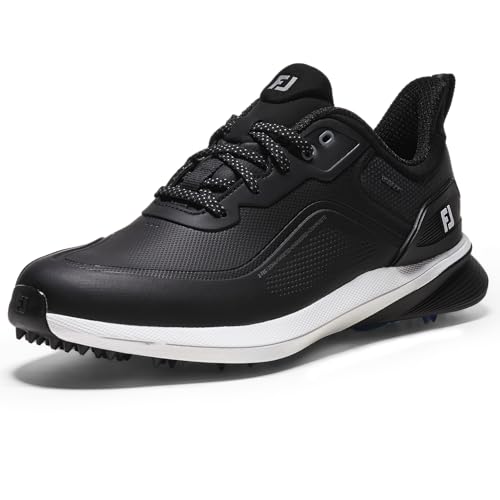
The FootJoy Pro/SL is the most performance-focused option in this group. FootJoy designs the Pro/SL line for golf, so the shoe puts more attention on swing stability, turf grip, and course comfort. Its cushioned platform can suit golfers who walk many holes. The stable base may also help limit unwanted foot movement during the swing.
I see this as the strongest overall candidate for golfers seeking the best golf shoes for knee pain. It does not treat knee pain, but a stable golf platform and comfortable fit can support a smoother round. The higher price may make sense for frequent players who walk and play in changing conditions. As with every shoe, the fit must match your foot, and a professional evaluation remains important for ongoing pain.
Pros:
- Purpose-built golf design supports course use
- Stable platform can inspire confidence during the swing
- Cushioned feel suits long walking rounds
- Golf traction helps on common turf and fairway surfaces
- Premium construction may suit frequent players
- Classic styling works well with most golf outfits
Cons:
- Higher price than the adidas option
- May feel more structured than a casual walking sneaker
- Fit must be checked carefully before a long round
- Performance features may be unnecessary for golfers who rarely play
What Amazon Buyers Are Saying
Feedback on premium FootJoy golf shoes often centers on course grip, support, comfort, and overall build quality. Golfers who walk frequently tend to pay close attention to underfoot comfort. Buyers also commonly compare the fit with older FootJoy models or other golf shoes they already own.
As with most golf footwear, some buyers may prefer a wider or softer feel, while others like a secure, structured fit. Look at recent reviews for the exact color and size shown in the listing. Product versions can differ, and Amazon inventory can change. I would also check the return policy before wearing the shoes outdoors.
My Recommendation
I recommend the FootJoy Pro/SL for frequent golfers who want the best balance of golf traction, stability, and walking comfort. It is the strongest choice here for a full 18-hole round. The price is easier to justify if you play often or walk most rounds. My rating reflects its golf-first design, not a medical benefit.
How to Choose the Best Golf Shoes for Knee Pain
Choosing the best golf shoes for knee pain starts with the way you move. Knee comfort depends on more than soft foam. Your shoes should match your foot shape, walking habits, course conditions, and swing. The American Academy of Orthopaedic Surgeons and other foot and joint health experts stress the value of proper fit and suitable activity gear. A shoe can support comfort, but it cannot diagnose or treat an injury.
1. Look for Stable Grip Without Excess Weight
Traction matters because your foot must stay controlled during the swing. A shoe with too little grip may let your foot slide. That can create a quick twist through the ankle, knee, or hip. A shoe with a stable golf outsole can help you feel secure without forcing you to wear a heavy boot.
For most golfers, the best balance is a firm heel, a steady midsole, and traction that works on dry and damp grass. The FootJoy Pro/SL offers the most golf-focused stability in this review. The adidas Tech Response 3.0 offers a lighter feel. The orthopedic sneaker may work on dry surfaces, but I would check its sole closely before using it on a wet course.
2. Match Cushioning and Support to Your Feet
Soft cushioning can make walking feel pleasant, but softer does not always mean better. If the shoe collapses too much under your foot, you may lose control. A stable midsole with moderate cushioning often gives a better mix of comfort and support.
Check how your heel sits in the shoe. It should not lift with each step. Your toes should have space to move, but your foot should not slide from side to side. If you use orthotics, bring them when you measure your feet. A shoe that fits well without an insole may become too tight after you add one.
Arch support also needs a personal approach. Some golfers benefit from a supportive shape. Others feel pressure when the arch rises too high. Do not buy a shoe only because the listing uses the word “orthopedic.” Focus on the actual fit, the return policy, and advice from a qualified professional when needed.
3. Compare Walking Comfort, Fit, and Long-Term Value
Golf shoes often feel fine for five minutes in a store. A round can last four hours or more. Try them with the socks you plan to wear. Walk on a hard floor. Bend your knees slightly. Check for rubbing at the heel, pressure at the toes, and a tight spot across the forefoot.
Think about your usual round. If you ride in a cart and play only a few times each year, the adidas Tech Response 3.0 may offer enough value. If you want an everyday walking shoe, the orthopedic sneaker may be more versatile. If you walk 18 holes every week, a premium golf model such as the FootJoy Pro/SL may provide better long-term value.
Also check the return terms, current size availability, and product details. Amazon listings can change. Color names, sizes, sellers, and inventory may vary. Buy from a listing with clear information, then test the shoes indoors before you commit to a full round.
What Else Can Help Knee Comfort on the Golf Course?
The best golf shoes for knee pain are only one part of a comfortable round. Start with a warm-up that matches your body. Gentle walking and easy movement can prepare you better than a sudden full-power swing. Do not push through sharp pain, swelling, locking, or a feeling that the knee may give way.
Your walking route also matters. Hilly courses demand more work from the knees. A cart can reduce walking load, though getting in and out can still stress the joints. Use the handrail when available. Take short breaks. Carry only what you need and keep your golf bag balanced.
Golfers with recurring pain should seek proper advice from a medical professional. A physical therapist can assess strength, balance, movement, and footwear needs. A podiatrist can discuss foot mechanics and insole options. This guidance is more reliable than choosing a shoe from a marketing claim alone.
Final Verdict: Which Should You Buy?
The FootJoy Pro/SL is my top pick for the best golf shoes for knee pain because it offers the strongest mix of golf traction, stability, and walking comfort. Choose the adidas Tech Response 3.0 for value, or the orthopedic sneaker for casual walking and a roomier athletic feel.
The best golf shoes for knee pain should fit your feet and your course routine. Use a careful fit check, replace worn shoes, and ask a clinician about pain that lasts or worsens.
FAQs Of best golf shoes for knee pain
Can golf shoes help reduce knee pain?
They may improve comfort by offering better grip, fit, and support. They cannot cure knee pain or replace medical care.
Are spikeless golf shoes better for bad knees?
Spikeless shoes can feel comfortable for walking and still provide useful traction. The best choice depends on the outsole, fit, course surface, and your movement.
What type of cushioning is best for knee pain while golfing?
Moderate cushioning with a stable base often works well. Very soft cushioning may feel pleasant but can reduce stability for some golfers.
Should I use orthotics with golf shoes?
You can use orthotics if a qualified professional recommends them and the shoe has enough room. Test the combined fit indoors before playing a full round.
When should I stop golfing because of knee pain?
Stop and seek medical advice for sharp pain, swelling, locking, instability, or pain that does not improve with rest.