Why Are Golf Shoes So Expensive: The Real Cost Explained
Golf shoes can seem surprisingly expensive when compared with ordinary sneakers. The reason is simple: they are not made for the same job. A golf shoe must support a powerful swing, protect the foot during hours outdoors, grip grass without damaging it, and stay comfortable through walking, bending, and changing weather. It also needs a stable base for the stance, a secure grip during the downswing, and enough flexibility for normal walking.
Those demands create more design work, more testing, and more specialized materials. The cost is not linked only to a famous logo. It also reflects the sole pattern, waterproofing, cushioning, upper material, quality control, labor, research, and course-use rules. A beginner may notice these features less than a low-handicap player, but they still affect comfort and safety.

Quick answer: Why are golf shoes so expensive?
Golf shoes are expensive because they combine athletic-shoe technology with outdoor workwear. They use specialized traction, waterproof layers, stable midsoles, durable uppers, and golf-specific sole designs. They must also meet course-care needs, such as giving grip without harming greens. Walking golfers, players in wet climates, seniors, and golfers with balance concerns often notice these features most.

A golf shoe is part of the golfer’s stance and movement system. It does not create a better swing by itself, but the right sole and fit can help you stay stable from the address position through impact and the follow-through.
A junior golfer may need less structure than an adult who walks 18 holes. A senior golfer may value cushioning and easy flex. A player on a dry desert course may care less about waterproofing than someone who plays a damp links course. The best design depends on the golfer, the course, and the weather.
Golf shoes do more than protect your feet
The main difference between golf shoes and ordinary athletic shoes is the way they manage force. During a full swing, pressure shifts from the trail foot to the lead foot. The feet must stay connected to the ground while the hips, chest, arms, and club move quickly.

A golf shoe helps manage that pressure through the outsole, midsole, heel counter, and upper. The outsole touches the ground. The midsole absorbs shock. The heel counter helps hold the rear of the foot. The upper wraps the foot and helps limit unwanted movement.
A casual sneaker may feel soft during a walk but allow the foot to roll during the downswing. A running shoe is built for forward motion, not for the twisting force created by a golf swing. A golf shoe must balance comfort, grip, and side-to-side control.
The golf swing creates unusual foot pressure
A right-handed golfer often pushes into the trail foot during the backswing and then moves pressure toward the lead foot in the downswing. A left-handed golfer makes the opposite pattern. In both cases, the shoe must support rotation without letting the foot slide.
The pressure is not the same for every player. A fast-swinging golfer may create more force. A beginner may make a slower, less stable motion. A senior golfer may need support for balance rather than maximum traction. Shoe design becomes expensive when one model must serve many swing styles.
Walking adds another design challenge
Many golfers walk five to seven miles during a round, depending on the course layout and route. The shoe must stay comfortable over several hours while moving across fairways, rough, paths, slopes, sand, and wet grass.
That is very different from standing on a driving range for 45 minutes. A shoe that feels fine at the first tee may cause hot spots or foot fatigue on the back nine. Cushioning, weight, breathability, and fit all matter more as walking time rises.
| Golf use | Main shoe demand | Golfer most affected |
|---|---|---|
| Riding 9 holes | Comfort, stable stance, weather protection | New golfers and casual players |
| Walking 18 holes | Cushioning, light weight, grip | Walking amateurs and seniors |
| Wet course | Waterproofing and traction | Players in cool or rainy climates |
Walking golfers need to judge a shoe as walking equipment, not only as swing equipment. Riding golfers may place more value on stance support and weather resistance.
Traction is a major reason for the cost
Traction is one of the clearest reasons golf shoes cost more than basic sneakers. A golf shoe needs to grip grass during the swing but still allow natural movement while walking. That requires careful outsole design.
The outsole may use molded lugs, rubber patterns, or removable cleats. Each pattern changes how the shoe interacts with turf. The tread must work on firm fairways, soft rough, damp slopes, and sometimes hard paths.

A poor tread can cause two problems. It may let the golfer slip during impact, or it may grip too aggressively and make the foot feel stuck. Neither result supports a smooth swing.
Spiked and spikeless golf shoes
Spiked golf shoes use cleats that extend from the sole. Spikeless shoes use molded rubber or other traction patterns. The main difference between spiked and spikeless golf shoes is how they create grip and how they feel during walking.
Spiked models can offer strong traction in soft or wet conditions. Spikeless designs often feel more like athletic shoes on paths and firm ground. Both types can work well, but the course and weather matter.
| Traction type | Strength | Limitation |
|---|---|---|
| Traditional metal spikes | Strong grip | Often restricted by course rules and turf concerns |
| Soft spikes | Good wet-ground traction | Cleats can wear and need care |
| Spikeless tread | Easy walking and flexible use | May feel less secure on steep, wet slopes |
Modern course rules often favor soft spikes or spikeless soles because they reduce surface damage. Metal spikes may be restricted by a club or tournament committee. Always check the local rule before playing.
Grip must not damage the course
Golf shoes must grip the ground without tearing the green or leaving deep marks. This is a design problem that needs careful testing. The sole must support the player but also respect the turf.
Greens are cut very short and can be sensitive to twisting. A sharp turn on a green can leave a mark. Players should walk carefully and avoid dragging their feet.
🌿 Course Care Note: Good golf etiquette includes keeping unnecessary foot traffic away from sensitive areas, repairing ball marks, raking bunkers, and following cart signs. A high-traction sole does not excuse careless movement.
Waterproofing raises the manufacturing cost
Waterproof golf shoes cost more to make because water resistance is not just a surface spray. A well-designed waterproof shoe may use a sealed membrane, treated leather, bonded seams, or a gusseted tongue. These parts need careful assembly.
Moisture can enter through the upper, tongue, seams, or sole connection. A waterproof layer is useful only if the full shoe design works together. Poor seam control can defeat an otherwise good membrane.

Golfers often notice waterproofing during early morning rounds. Dew can soak through ordinary shoes within a few holes. Wet feet can lead to discomfort, blisters, cold toes, and poor focus.
Waterproof does not mean perfect in every condition
Waterproofing has limits. Standing in deep water, walking through heavy rain for hours, or wearing a damaged shoe can defeat the barrier. Waterproof materials may also reduce breathability, which can make feet feel warm in dry weather.
A breathable shoe may suit a hot climate better. A waterproof shoe may suit a cool, wet region better. Neither choice is ideal for every golfer.
| Weather or course condition | Useful shoe feature | Possible trade-off |
|---|---|---|
| Heavy dew | Water-resistant upper and sealed seams | Less airflow |
| Hot, dry course | Breathable mesh and light upper | Lower water protection |
| Wet, sloped course | Deep traction and waterproof layer | More weight and stiffness |
Weather changes the value of each feature. A golfer in Arizona may care about heat and dust. A golfer in Oregon may care about rain and soft ground. A links golfer may face wind, wet grass, firm turf, and uneven lies in one round.
Materials and construction affect the cost
The upper is the part that covers the top and sides of the foot. It may use leather, synthetic material, mesh, or a mix of materials. Each option affects feel, weight, breathability, durability, and water resistance.
Leather can offer a close fit and a smooth feel. Synthetic materials can reduce weight and allow complex shapes. Mesh can improve airflow but may need extra protection in wet conditions.

The sole also needs several layers. A shoe may include an outsole for traction, a midsole for cushioning, and an insole for fit. These layers must stay joined through thousands of steps and repeated swing forces.
Stitching, bonding, and molding
Golf shoes may use stitching, glue, heat bonding, or molded parts. A complex shoe takes more time and more quality checks. The connection between the upper and sole is especially important because it faces bending, water, mud, and torque.
A simple walking shoe may use fewer parts. A golf shoe often needs a more exact shape around the heel, arch, toe box, and forefoot. Small changes can affect stability and comfort.
A stable heel can add expense
The heel counter is the structure around the back of the heel. It helps stop excessive movement inside the shoe. This can matter during the downswing, when the body rotates and pressure moves toward the lead side.
A rigid heel is not always better. A player with a wide foot, sensitive Achilles tendon, or limited ankle motion may need more softness. The correct balance depends on foot shape and movement.
| Shoe part | Main job | Why it can raise cost |
|---|---|---|
| Outsole | Grip and turf contact | Requires testing on many surfaces |
| Midsole | Cushioning and shock control | Uses layered foam or support pieces |
| Heel counter | Holds the heel in place | Needs firm but comfortable shaping |
New golfers often focus only on appearance. Improving golfers may notice heel movement, toe pressure, and sole flex. Both groups should pay attention to comfort and stability rather than style alone.
Research, testing, and quality control add hidden cost
A golf shoe must be tested in conditions that change from hole to hole. Designers may assess walking comfort, traction, flex, water resistance, durability, and rotational stability. They also need to consider the rules and maintenance habits of golf courses.
This work takes time. A shoe can feel good indoors but fail on a wet slope. It can grip a fairway but feel awkward on a cart path. Testing helps find these problems before the shoe reaches players.
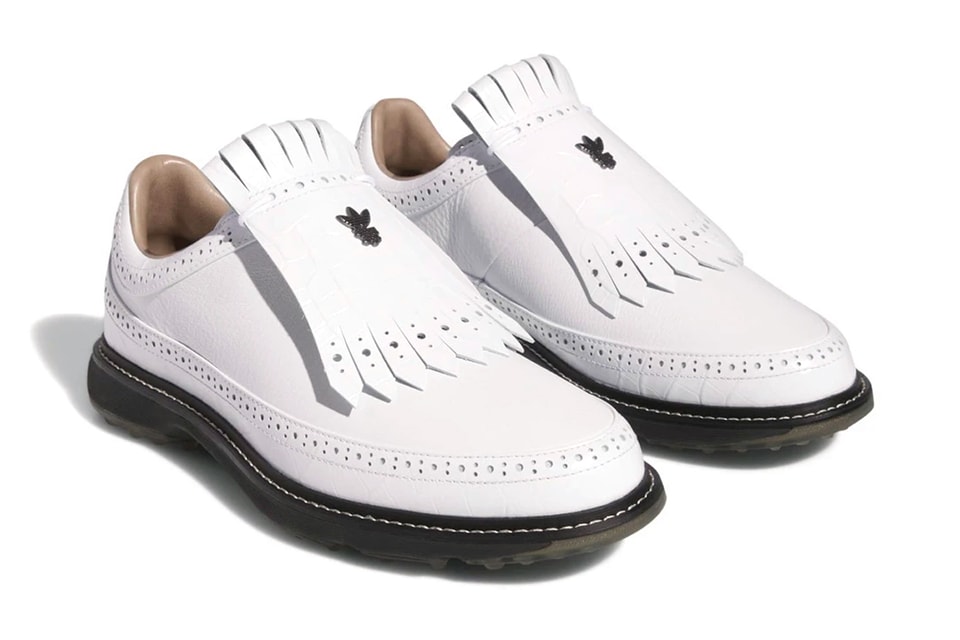
Quality control also matters. Small defects can cause water leaks, uneven soles, loose cleats, or poor fit. Consistent production requires inspection of materials, stitching, bonding, and shape.
Golf shoes serve many body types
A shoe for a tall adult is not the same as a shoe for a child. Men’s, women’s, and junior shoes may use different shapes, widths, heel heights, and flex patterns. These differences are not only cosmetic.
Women may have a narrower heel or a different forefoot shape on average, though every foot is individual. Men may need more room in the toe box or a broader platform. Juniors need flexible, well-fitting footwear that does not restrict natural movement.
Senior golfers may benefit from stable soles, cushioning, and easy walking comfort. Players with foot conditions should ask a qualified medical professional about suitable footwear.
| Golfer type | Common need | Important caution |
|---|---|---|
| Junior | Light weight and correct fit | Avoid oversized shoes that cause trips |
| Senior | Cushioning, balance, and comfort | Extra stiffness may limit natural movement |
| Women | Heel hold and suitable foot shape | Individual fit matters more than labels |
| Men | Stable platform and room to move | Wide feet may need a wider shape |
These are general patterns, not rules. A left-handed golfer and a right-handed golfer can use the same shoe type. The swing direction changes pressure patterns, but shoe fit still depends on the individual foot.
Comfort technology is more complex than it looks
Comfort is not one feature. It comes from the interaction of cushioning, fit, flex, weight, moisture control, and pressure distribution. A soft shoe may feel pleasant at first but lack support after several hours. A firm shoe may feel stable but cause foot fatigue.

Golf shoes must also allow the foot to move naturally. The forefoot should bend enough for walking. The heel should stay secure. The toe box should leave room for the toes to spread without letting the foot slide.
Cushioning and fatigue
Foam in the midsole can reduce the feel of hard paths and compact ground. Good cushioning may help a walking golfer manage fatigue. It cannot correct poor posture, weak legs, or an unsuitable walking pace.
Golf fitness also affects comfort. Strong calves, hips, and trunk muscles can help support a stable stance. A warm-up routine with gentle walking, ankle circles, hip turns, and easy practice swings can prepare the body better than starting with a full driver swing.
⚠️ Safety Warning: Stop playing if you feel sharp foot, ankle, knee, back, elbow, or wrist pain. Do not use shoes to mask an injury. Persistent pain should be assessed by a doctor or qualified health professional.
Fit is more important than softness
A soft shoe that slips at the heel can create blisters and reduce control. A firm shoe that pinches the toes can make walking miserable. Fit should be checked with the socks used for golf and after a short walking period.
Feet can swell during a long round. This is one reason a shoe that feels tight at the start may become painful on the back nine. Players with diabetes, circulation issues, or known foot problems should seek medical guidance.
Golf shoe design reflects course conditions
The same shoe may feel different on a parkland course, an executive course, or a links course. A parkland course often has trees, slopes, and soft grass. An executive course may involve shorter holes and more walking between tees. A links course can have firm turf, wind, uneven lies, and exposed ground.
Course type affects the need for traction, waterproofing, cushioning, and flexibility. It also affects how often a golfer walks on paths, sand, rough, or hard soil.

The tee box may be level, but the fairway may not be. The rough can be wet or thick. A bunker needs careful footing. Around the green, a golfer may stand on slopes while chipping or pitching.
Firm ground versus soft ground
On firm ground, a very aggressive sole may feel harsh or awkward. On soft ground, a shallow tread may not provide enough grip. This is why golf shoe designs use different outsole patterns.
Course care matters here too. Walking in soft areas can create extra wear. Carts should remain on paths or approved routes when required. Players must follow signs and local rules.
Climate affects durability
Heat can dry and crack some materials. Salt from sweat can affect the upper. Mud can clog tread. Repeated wet rounds can weaken seams if the shoes are not cleaned and dried properly.
Care does not make a low-cost shoe equal to a high-cost shoe, but it can extend the useful life of any golf footwear. Remove mud, let shoes dry naturally, and avoid strong heat that can damage adhesives or leather.
Golf shoes are costly because failure can affect the swing
A golf shoe does not need to be perfect to be useful. Yet small problems can change how a golfer moves. A slipping heel can alter posture. A narrow toe box can limit balance. Poor grip can create fear during the downswing.

When players fear slipping, they may reduce hip rotation, shorten the backswing, or slow the follow-through. That can change tempo and impact position. The shoe did not create the swing fault, but discomfort can influence movement.
Stability supports a repeatable stance
A stable stance gives the golfer a consistent base. Beginners often stand too wide, too narrow, or with too much weight on the toes. A stable shoe cannot fix these setup mistakes, but it can make them easier to notice.
For many full shots, feet are roughly shoulder-width apart, with small changes based on club length and body size. A driver stance is usually wider than a wedge stance. A shoe should let the golfer feel the ground without forcing the feet into one position.
Shoe comfort affects the mental game
Golf is also a mental game. Pain, wet socks, and slipping can distract a player before each shot. A comfortable shoe can reduce one source of distraction, especially during a long stroke-play round.
This does not mean expensive shoes create confidence. Confidence comes from preparation, a clear pre-shot routine, and realistic course management. Footwear is only one part of that system.
| Golf task | Footwork demand | Shoe feature that may help |
|---|---|---|
| Full swing | Rotation and pressure shift | Stable heel and controlled flex |
| Chipping | Short stance and balance | Flexible forefoot |
| Bunker shot | Soft sand and firm base | Reliable outsole grip |
| Putting | Quiet lower body | Comfortable, level platform |
A shoe designed for a full swing must still support chipping, pitching, bunker shots, and putting. Golfers do not use one foot position all day.
Brand research and development can raise the final cost
Golf equipment companies often spend time on design, testing, athlete feedback, and material development. A specialized product can carry some of that research cost. The same is true in many sports, not only golf.
A design may change after feedback from touring professionals, teaching professionals, course staff, and everyday walkers. A tour player may create high ground forces. A beginner may need more comfort and less stiffness. Designers must balance both needs.

Brand reputation can also affect cost, but reputation is not proof of better fit. A well-known name may use strong materials, or it may simply have a large marketing system. Golfers should judge footwear by function, fit, course use, and comfort.
Marketing is only one part of the explanation
Marketing can increase the final cost of a product, but it is not the full answer. Materials, labor, transport, quality checks, warranty service, and development also matter.
This distinction helps golfers think clearly. A high price does not guarantee that a shoe suits a wide foot, a wet course, or a senior golfer. A lower price does not automatically mean poor performance.
| Cost driver | What it covers | Why golfers notice it |
|---|---|---|
| Materials | Upper, foam, outsole, membranes | Changes comfort and durability |
| Development | Testing and design changes | Improves fit and course function |
| Production | Assembly and quality checks | Affects consistency |
| Distribution | Transport and storage | Adds to the final cost |
The main lesson is that cost and value are not identical. Value depends on how well the shoe meets the golfer’s real needs.
Are expensive golf shoes worth it for every golfer?
Expensive golf shoes are not necessary for every golfer. A beginner playing nine holes on dry ground may need only comfort, basic grip, and a secure fit. A golfer who walks 18 holes in wet weather may benefit more from advanced construction.

Handicap does not decide footwear needs by itself. A 25-handicap golfer who walks steep terrain may need more support than a 5-handicap golfer who rides on a flat course. Skill affects swing force and consistency, but use conditions often matter more.
Beginners and new golfers
New golfers should focus on fit, comfort, traction, and course rules. They do not need footwear that feels overly stiff or technical. A beginner still learning grip, stance, posture, backswing, downswing, and follow-through should be able to move naturally.
A shoe that causes pain can make learning harder. A shoe that slips can create fear. A basic, comfortable design may be enough while the golfer learns how to play.
Improving amateurs
Improving players may notice how the sole interacts with the ground during impact. They may also walk more often, play in varied weather, or compete in stroke play, match play, Stableford, or scramble events.
For these golfers, consistent comfort over many rounds may matter more than extra features. A teaching professional can help identify whether foot movement comes from footwear, stance, posture, balance, or swing mechanics.
Seniors
Senior golfers often need a careful balance of grip, cushioning, and flexibility. A shoe that is too soft may feel unstable. One that is too firm may increase fatigue. Walking speed, joint health, balance, and course slope all matter.
A warm-up and sensible pacing can help. A senior golfer with balance problems should discuss footwear and exercise choices with a health professional.
Juniors and families
Parents should focus on fit, light weight, comfort, and safe movement. Junior shoes should not be so large that the child trips or slides inside them. Children grow quickly, but oversized footwear can affect stance and confidence.
Junior golfers also need safe behavior around the course. They should stay clear of swing areas, watch for carts, follow lightning rules, and learn to repair divots and ball marks.
| Player situation | Main priority | Why |
|---|---|---|
| Beginner on a dry course | Fit and basic traction | Easy movement supports learning |
| Frequent walker | Cushioning and breathability | Reduces foot fatigue |
| Wet-climate golfer | Water protection and grip | Helps maintain comfort and balance |
| Competitive player | Stable platform and consistency | Supports repeated practice and play |
No shoe can replace sound technique, fitness, or good course management. It can only support those parts of the game.
Pros and cons of specialized golf shoes
Specialized golf shoes have clear benefits, but they also have limits. The right choice depends on how often you play, how far you walk, and what conditions you face.

A shoe with more support may feel heavier. A waterproof layer may reduce airflow. A strong outsole may feel less natural on hard paths. These trade-offs explain why golf footwear design is difficult.
| Pros | Cons |
|---|---|
| Better traction during the swing | May feel less flexible than casual shoes |
| More support on uneven lies | Can weigh more |
| Improved wet-weather comfort | Waterproof layers may reduce airflow |
| Designed for course turf | Some soles may not suit paths or indoor use |
| Often built for long walking | Advanced construction can increase cost |
The best feature is the one that matches the golfer’s actual needs. More technology is not always better for every player.
Common mistakes golfers make with golf shoes
Many footwear problems come from poor use rather than poor design. Players may choose the wrong size, ignore weather, or wear the same pair on every surface without cleaning them.

A shoe can also feel wrong because the golfer’s socks are too thick, the laces are too tight, or the foot has changed over time. Feet may change with age, injury, activity level, and swelling.
Mistakes to avoid
- Choosing style over fit: A good-looking shoe that pinches the toes is not a good golf shoe for that golfer.
- Ignoring walking distance: A shoe for a short range session may not suit an 18-hole walk.
- Using worn traction: Smooth tread can reduce grip on wet grass.
- Drying shoes with strong heat: High heat can damage adhesives and materials.
- Skipping a warm-up: Cold muscles can make the first swings stiff and rushed.
- Playing through pain: Foot pain can change posture and movement.
- Ignoring course rules: Some clubs restrict certain sole types or cart use.
A simple care routine
Clean mud from the outsole after each round. Let the shoes dry in a cool, ventilated place. Check the sole, laces, seams, and heel for damage.
If the shoe becomes loose, cracked, soaked, or uneven, its support may change. A recurring blister or hot spot is a sign to reassess fit, socks, and walking habits.
How to judge whether a golf shoe is doing its job
A golf shoe is doing its job when it supports natural walking, gives stable footing, and stays comfortable through the intended use. It should not force the foot into pain or make the golfer feel stuck to the ground.

Test the shoe through golf movements, not only standing. Walk, make a practice stance, rotate gently, and simulate a balanced finish. The toes should have room, the heel should stay secure, and the sole should flex in a natural place.
A practical evaluation checklist
| Check | Good sign | Warning sign |
|---|---|---|
| Heel hold | Heel stays secure | Heel lifts with each step |
| Toe space | Toes can spread | Toes press against the front |
| Sole flex | Bends near the forefoot | Bends in the middle or not at all |
| Traction | Stable on grass | Sliding or stuck feeling |
| Walking comfort | No hot spots | Pain or rubbing within minutes |
This checklist suits beginners and experienced golfers. It does not replace medical advice for foot conditions or pain.
Rules and etiquette for golf shoes
Golf shoes are subject to local course policies. The Rules of Golf do not usually require one specific type of shoe for ordinary play, but a committee or club may set dress or equipment conditions.
Competitions may have additional requirements. A tournament committee can control what is allowed under its conditions of competition. Check the latest Rules of Golf and local committee instructions for updates.
What golfers should remember
- Follow the club’s footwear policy.
- Avoid damaging greens with aggressive twisting.
- Keep pace of play.
- Follow cart-path and restricted-area signs.
- Do not use a cart in unsafe weather.
- Leave the course at the first lightning warning.
- Repair ball marks and divots.
- Rake bunkers after playing a shot.
- Dispose of broken tees, wrappers, and old balls properly.
📜 Check the Rules: Local rules and club policies can differ. The committee controls many course conditions, so ask the professional shop or tournament committee before an event.
Footwear itself rarely creates a penalty in normal play, but playing contrary to a condition of competition can cause an issue. Verify the current rulebook when the event matters.
How long can golf shoes last?
The useful life of golf shoes depends on walking distance, weather, care, body weight, swing force, and course terrain. A golfer who walks wet, hilly courses may wear shoes faster than someone who rides on a dry, flat course.
Watch the sole and upper rather than counting months. Worn tread, separated seams, cracked material, a loose heel, or uneven cushioning can change performance. Comfort may decline before the shoe looks badly damaged.
Factors that shorten useful life
- Frequent walking on hard paths.
- Playing in mud or standing water.
- Poor drying habits.
- Heavy use on steep slopes.
- Strong foot rotation during the swing.
- Wearing one pair for every activity.
- Ignoring loose cleats or damaged tread.
Rotating footwear can allow materials to dry, but every golfer has different needs. If pain or slipping appears, stop and inspect the shoe.
Golf shoes versus regular athletic shoes
Regular athletic shoes can work for some casual golf situations, especially on a dry driving range or a short practice session. They may not provide enough traction or side-to-side stability for a full round.
The main difference between golf shoes and regular athletic shoes is the outsole and the way the shoe controls movement. Running shoes favor forward motion. Golf shoes support walking plus rotational force.
A casual golfer on a flat, dry course may manage with athletic shoes if the club permits them. A walking golfer on wet slopes faces a different demand.
| Footwear type | Best suited use | Main limitation for golf |
|---|---|---|
| Running shoe | Range practice and dry casual play | Less side-to-side stability |
| Walking shoe | Flat-course walking | May lack swing traction |
| Golf shoe | Full rounds and varied turf | May be less useful off the course |
| Hiking shoe | Steep, rough terrain | Can be too stiff or heavy |
This comparison suits beginners deciding what their current footwear can handle. It does not suggest one product or brand. Course policy and personal comfort remain central.
Final thoughts
Golf shoes are expensive because they solve several problems at once. They must support a rotating swing, provide reliable grip, protect against moisture, cushion long walks, fit many foot shapes, and limit damage to the course. Those demands require specialized materials, careful construction, testing, and quality control.
The most important question is not whether a golf shoe has the highest cost. It is whether the design matches the golfer’s needs. Beginners need comfort and safe movement. Improving players may value stable traction and long-round comfort. Seniors may need balance and cushioning. Juniors need a correct fit and light weight. Walkers and wet-weather golfers often notice advanced features most.
A golf shoe is one part of a larger system that includes grip, stance, posture, tempo, fitness, course management, and mental focus. Choose footwear based on real playing conditions, care for it well, respect course rules, and seek professional or medical guidance when pain or movement problems persist.
FAQs
Q: Why are spikeless golf shoes so expensive?
A: Spikeless designs still need complex outsole patterns, stable construction, cushioning, and weather protection. Their rubber tread must provide grip without damaging turf or feeling awkward on paths.
Q: Are expensive golf shoes better for beginners?
A: Not always. Beginners usually need a secure fit, comfort, basic traction, and natural flex. A higher cost does not guarantee that the shoe suits a beginner’s foot or course.
Q: Do golf shoes help you hit the ball farther?
A: Golf shoes do not directly create distance. They can provide a stable base, which may help a golfer make a more balanced swing. Distance still depends on technique, speed, contact, launch angle, and fitness.
Q: Are golf shoes necessary for a driving range?
A: They are not always necessary for a dry range session. Athletic shoes may be suitable if the facility allows them. Golf shoes become more useful on wet grass, sloped ground, or during full-swing practice.
Q: Can I wear running shoes for golf?
A: Running shoes may work for casual practice on dry, flat ground. They may not provide enough side-to-side grip for a full round, especially on wet slopes or uneven lies.
Q: Are spiked or spikeless golf shoes better?
A: Neither is always better. Spiked designs may suit soft or wet ground. Spikeless designs may suit firm courses and walking between surfaces. Local course rules and personal comfort matter.
Q: Do men’s and women’s golf shoes differ?
A: They may differ in foot shape, heel structure, width, and flex. These are general design patterns. The golfer’s actual foot shape matters more than the label.
Q: What should seniors look for in golf shoes?
A: Seniors often benefit from stable footing, cushioning, a secure heel, and enough flexibility for walking. The shoe should not create pain or restrict natural movement.
Q: What should parents consider for junior golf shoes?
A: Correct fit, light weight, comfort, safe traction, and natural flex are key. Avoid oversized shoes because they can affect balance and increase trip risk.
Q: Can golf shoes damage greens?
A: Any shoe can damage turf if a player drags or twists the feet. Follow course guidance, walk carefully, and avoid unnecessary turning on putting greens.
Q: How should golf shoes be cleaned?
A: Remove mud from the upper and outsole, then let the shoes dry naturally in a cool, ventilated place. Strong heat can damage glue, leather, and synthetic materials.
Q: When should golf shoes be replaced?
A: Inspect them when traction fades, seams separate, the heel becomes loose, cushioning feels uneven, or pain and slipping begin. Visible age is less important than function.
Q: Can golf shoes improve balance?
A: They can provide a more stable connection with the ground. They cannot correct balance disorders, weak muscles, or swing faults. Persistent balance problems deserve professional advice.
Q: Do golf shoes have rules in tournament play?
A: A committee or club may set footwear conditions. Check the latest Rules of Golf, the conditions of competition, and local club instructions before tournament play.