What Spikes Fit Skechers Golf Shoes: Best Fit Guide
Skechers golf shoes can use different spike systems, so the correct replacement depends on the exact shoe model and the shape of the cleat socket. Many Skechers golf shoes use soft, removable cleats made by systems such as Softspikes or compatible replacement brands. Other Skechers models are spikeless and do not accept screw-in spikes at all.
The safest method is to turn the shoe over, count the cleats, inspect the socket, and check the model details printed inside the shoe. Do not choose a spike only because it looks similar. A close match may not lock into the base correctly, and a loose cleat can affect traction, walking comfort, and course care.

Quick answer: What spikes fit Skechers golf shoes?
The spikes that fit Skechers golf shoes are usually the replacement cleats made for the specific outsole system in that model. Common examples include Softspikes-style systems such as PINS, Fast Twist, or similar threaded designs, but not every Skechers shoe uses the same fitting pattern. Some shoes are spikeless and need no replacement spikes. Check the shoe’s model number and cleat base before selecting a replacement.

The key point is simple: there is no single universal “Skechers golf spike.” The shoe model, number of cleat sockets, thread pattern, and base shape all matter.
A right-handed or left-handed golfer does not need a different spike pattern. Men’s, women’s, senior, and junior shoes may use similar systems, but size and model still control the fit. A junior shoe should not be fitted with an oversized cleat simply because the thread appears close.
How Skechers golf shoe spikes work
Replaceable golf spikes are small traction cleats fixed to the sole with a base or thread. They help the foot resist sliding during the backswing and downswing. They also support balance while walking on wet grass, uneven fairways, slopes, and rough.

A golf shoe may have one of three basic sole designs:
- Replaceable soft-spike shoes: These have removable cleats set into fixed sockets.
- Spikeless shoes: These use molded rubber lugs or small traction points.
- Hybrid shoes: These may look spikeless but use a special traction pattern that is not designed for removable cleats.
The word “spike” can cause confusion. Modern golf spikes are often made from flexible plastic or rubber-like materials. Traditional metal spikes are uncommon in daily play and may be restricted by a club or local rule.
Replaceable cleats versus molded traction
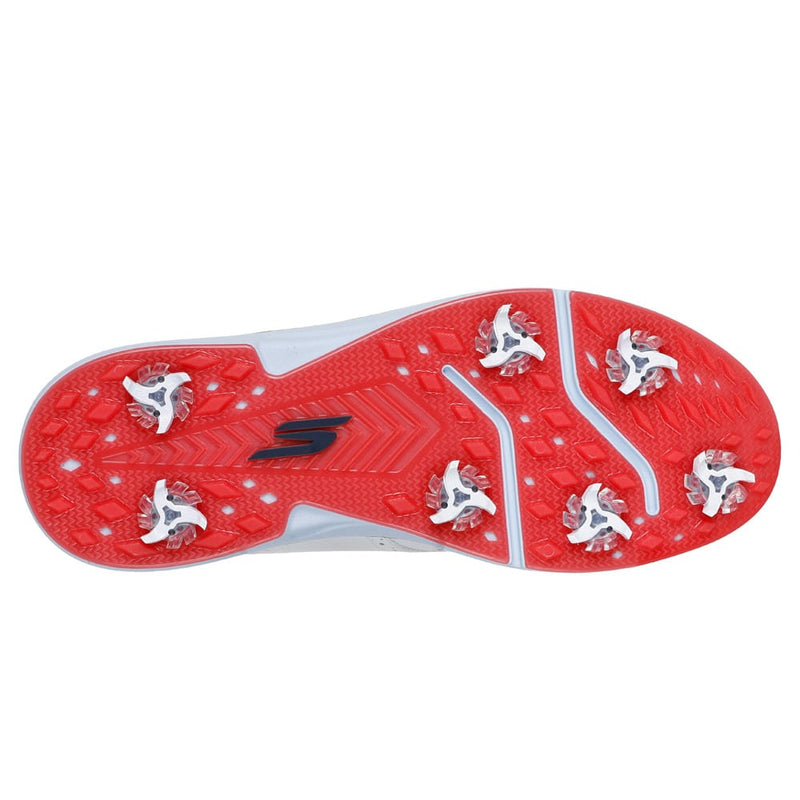
Replaceable cleats have a clear base or socket. You can usually see a small central fitting, such as a threaded hole or locking mechanism. The cleat may have a brand name or code molded into it.
Molded traction is part of the outsole. It does not unscrew. Trying to force a tool into a molded lug can damage the shoe and may void the manufacturer’s care guidance.
| Sole type | How to identify it | Can you replace the spike? |
|---|---|---|
| Replaceable soft spike | Separate cleat set into a socket | Yes, with the matching system |
| Spikeless rubber sole | Fixed lugs molded into the outsole | No, replace the shoe when worn |
| Hybrid traction sole | Small fixed points with no socket | Usually no |
| Older metal-spike design | Metal cleat with a visible fitting | Only with the same approved system |
The main takeaway is that a removable cleat needs a matching socket. A fixed rubber lug is not a replaceable spike, even if it has a similar shape.
Why the fitting system matters
Golf cleats can share a general look while using different locking methods. One system may screw in with a quarter turn. Another may need a full turn. A third may use a different key shape or a locking pin.
A poor fit can create several problems:
- The cleat may wobble.
- The cleat may fall out during a round.
- The base may strip.
- The shoe may sit unevenly.
- The golfer may feel pressure under one part of the foot.
- The outsole socket may become damaged.
For a beginner, the best clue is often the old cleat. Remove one carefully and compare its base with the replacement pattern. For an improving player, also inspect wear across the cleat set. Uneven wear may reveal a swing or walking issue, not just a shoe issue.
The common spike systems found in golf footwear
Skechers golf shoes may use a named cleat system, a manufacturer-specific system, or a design supplied by an outside traction company. The most common names seen across golf footwear include Softspikes systems and other threaded soft-cleat formats. The name on the shoe is more useful than the general shoe size.
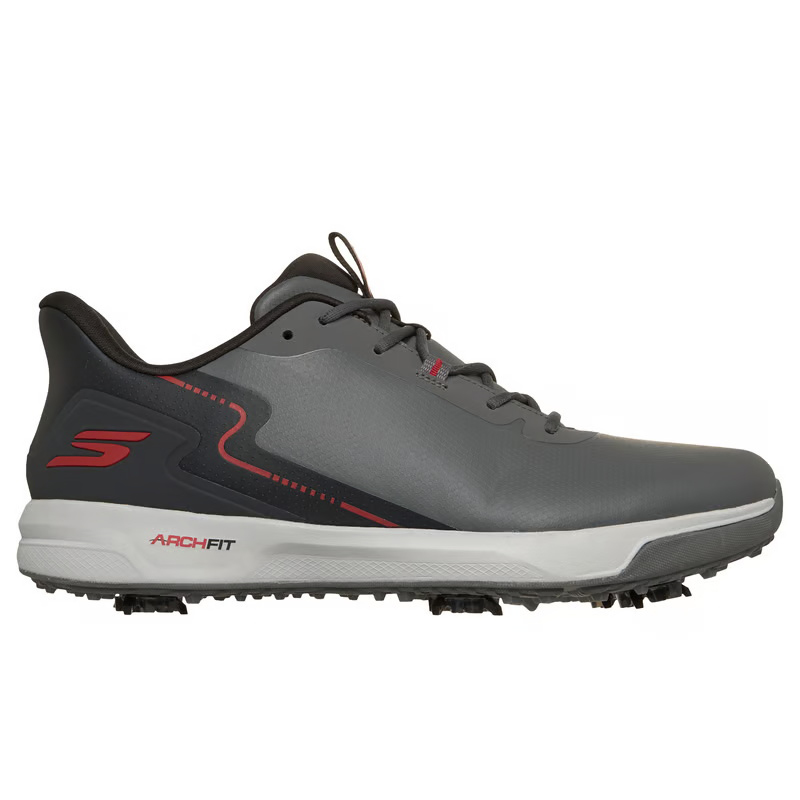
Because models change over time, the same brand can use more than one system. A Skechers shoe from one product family may not accept the cleats from another. Even two shoes that look alike may have different socket layouts.
Softspikes-style systems
Softspikes is a well-known golf traction brand. Its replacement cleats include several fitting patterns. Some use a threaded design, while others use a locking system with a particular base shape.
A cleat described as “Softspikes compatible” still needs the correct fitting type. Compatibility is not based only on the cleat’s outside shape. The internal base and the shoe socket must match.
PINS and similar threaded patterns
Some soft-cleat systems use a pin or threaded fitting. These may appear to screw into the shoe, but the shape and thread pitch must still match. Thread pitch means the distance between the ridges on the screw.
Do not assume that every threaded cleat uses the same thread. A cleat can start turning and still be wrong. If it does not seat firmly with light hand pressure, stop.
Fast Twist and other locking systems
Some golf shoe cleats use a twist-lock design. The cleat may enter the socket and lock with a short turn. The number of locking points and the shape of the base are important.
A twist-lock cleat may not work in a shoe made for a threaded cleat. Using force can bend or break the socket. Keep the original cleat as a reference when checking the replacement type.
| Spike feature | What to inspect | Why it matters |
|---|---|---|
| Thread or locking base | Shape, depth, and fitting points | It must match the shoe socket |
| Cleat diameter | Width of the traction piece | A large cleat may interfere with the sole |
| Number of cleats | Count the sockets on one shoe | Some systems use different layouts |
| Key slots | Notches for the removal tool | The correct tool should fit cleanly |
| Center post or pin | Shape of the central fitting | It can distinguish similar systems |
Takeaway one: the base is more important than the cleat’s outer shape. Takeaway two: use the old cleat and the outsole socket as your main references.
How to identify the correct Skechers golf spike
The best way to identify a replacement spike is to inspect the shoe in daylight and record the model information before removing anything. Look inside the tongue, along the inner side, or under the insole for a model code. The outsole may also show a traction brand or a small fitting mark.

Do not rely on color. Cleats in the same system may come in different colors, and different systems may use similar colors. A black cleat is not automatically interchangeable with another black cleat.
Step 1: Find the shoe model
Look for a label inside the shoe. It may include:
- Model name
- Style code
- Size
- Width
- Production information
- Country of manufacture
Write down the full style code if one is present. A broad name such as “Skechers golf shoe” is not enough to identify the fitting system.
Step 2: Turn the outsole over
Clean grass and mud from the sole. Count the removable cleats on one shoe. Then look at the center of each cleat.
Check for:
- A screw thread
- A twist-lock base
- A center pin
- Two or more locking wings
- A special key pattern
- A fixed rubber lug with no removable base
If there is no removable center or fitting, the shoe is likely spikeless.
Step 3: Compare one original cleat
If the cleat is worn but still intact, remove only one. Keep it in a small container. Compare its base with the replacement cleat, not just the top surface.
The replacement should enter the socket without excessive force. It should sit flat when fully installed. The traction wings should not touch the shoe upper or fold against the outsole.
Step 4: Check the removal key
Many golf cleat systems use a small wrench or key. The tool should fit the cleat slots without slipping. If the key does not fit, that is a warning that the system may be different.
Do not use pliers on a soft cleat unless the manufacturer gives that method. Pliers can crush the cleat and damage the socket.
| Identification clue | Likely meaning | Best action |
|---|---|---|
| Visible thread | Threaded soft-cleat system | Match the thread and base |
| Short-turn lock | Twist-lock system | Match the locking wings and key |
| No socket | Spikeless outsole | Do not install screw-in cleats |
| Worn or broken base | Socket may also be damaged | Inspect before fitting a new cleat |
| Unknown model | System cannot be confirmed | Use the shoe code and original cleat |
The most useful clue is the fitting under the cleat. The least useful clue is the color or general shape of the traction points.
A simple installation method
Installing a matching golf cleat is usually easy, but the process must be gentle. Clean the sole first. Dirt in the socket can prevent the cleat from sitting flat and can make a correct replacement seem too large.

1. Remove grass and dirt
Use a soft brush or an old toothbrush. Clear the spaces around the cleat. Do not soak the shoe for a long time, especially if it contains leather, suede, or bonded parts.
2. Remove the old cleat
Fit the correct cleat key into the slots. Turn in the direction marked by the system or the shoe instructions. Use steady pressure rather than a sudden twist.
If the cleat will not move, stop and clean the socket again. Rust, grit, or a cross-threaded base may be present.
3. Inspect the socket
Look for cracks, missing plastic, or a loose base. A new cleat cannot fix a damaged socket. The shoe may need professional assessment or replacement if the socket is pulling away from the sole.
4. Insert the new cleat by hand
Start the cleat by hand. This helps you feel whether the base is aligned. If it binds at once, remove it and check the fitting.
5. Tighten it with the correct key
Tighten until the cleat is secure and level. Do not over-tighten. Excess force can strip the threads or damage a locking post.
6. Check the whole set
Replace cleats in pairs or as a full set when possible. A mixed set can have different heights and different traction. That may change how the foot sits during the golf swing.
7. Walk on a safe surface
Before playing, walk on a clean floor or a safe outdoor surface. Check for clicking, wobbling, pressure, or an uneven feel. Then inspect the cleats once more.
💡 Pro Tip: Replace a full set when several cleats show heavy wear. A new cleat beside a badly worn cleat can create an uneven platform, especially for golfers with a wide stance or a strong weight shift.
What spike shape suits different golfers?
The correct spike system is a fit issue first, but cleat design also affects feel and traction. A golfer who walks 18 holes needs comfort and stability over many steps. A rider may notice traction more during the swing than during long walks.
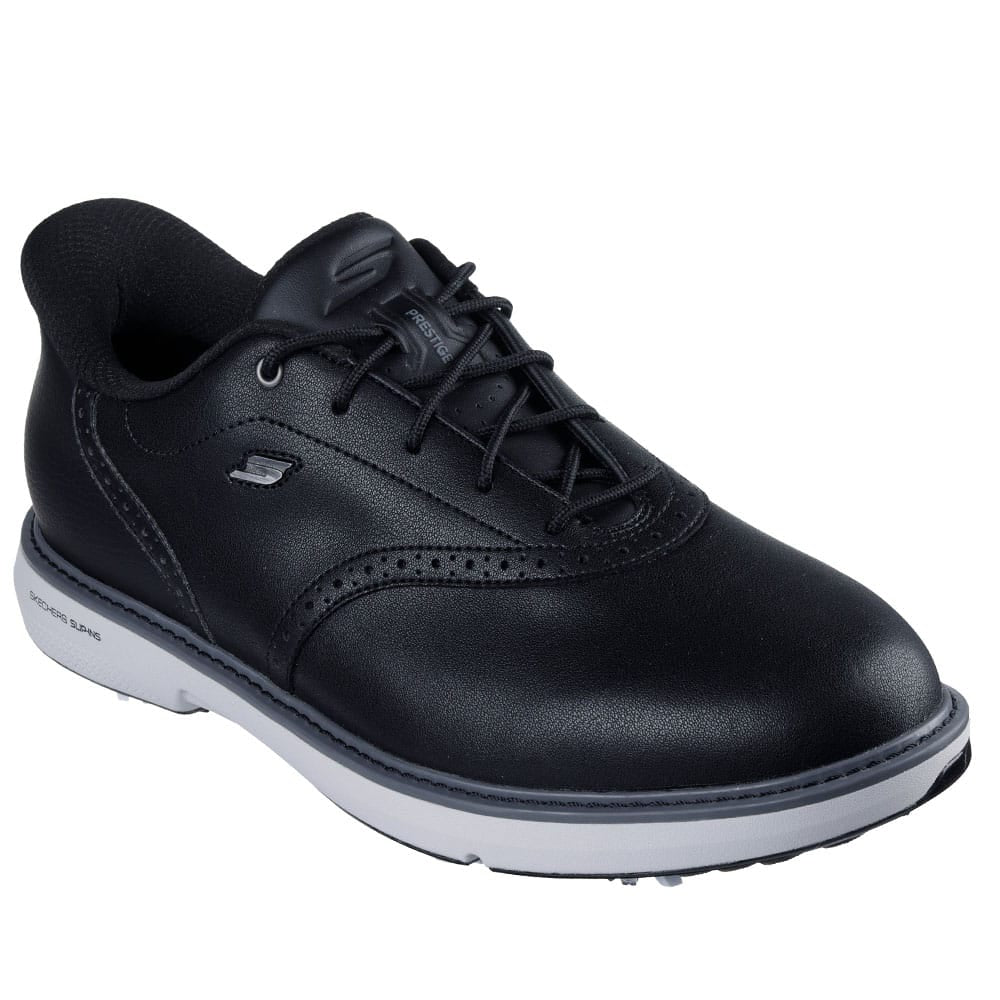
Beginners often benefit from a forgiving, balanced soft-cleat pattern. It can help them feel stable while they learn posture, stance, grip, backswing, impact, and follow-through. However, no spike can correct poor footwork or a stance that is too narrow.
Improving amateurs may notice how traction affects pressure transfer. A golfer with a fast downswing or aggressive hip turn may prefer a stable cleat pattern. The shoe must still allow a natural finish. Too much resistance can make the golfer feel stuck on the ground.
Seniors may value comfort, easy walking, and stable footing on slopes. Women’s and men’s shoes may use similar cleat families, but the exact model remains the deciding factor. Junior golfers need a secure fit and a light shoe that does not restrict natural movement.
| Golfer or use | What matters most | Limitation |
|---|---|---|
| Beginner | Stable footing and easy walking | Spikes do not replace sound stance basics |
| Improving amateur | Traction during weight transfer | Excess grip may feel restrictive |
| Senior golfer | Comfort, balance, and safe steps | A stiff sole may not suit every foot |
| Junior golfer | Light weight and correct shoe size | Adult cleats may be too large or heavy |
| Walking golfer | Even wear and soft underfoot feel | Worn cleats can increase fatigue |
| Cart golfer | Secure traction during the swing | Comfort still matters on uneven ground |
For most golfers, the best cleat is the one that matches the shoe, feels even under both feet, and suits the course. Skill level changes the feel you notice, not the basic fitting rule.
Spikes for wet grass, firm ground, and links courses
Course conditions change how traction feels. Wet grass can make the tee box, fairway, and rough slippery. Firm ground can make large or stiff cleats feel harsh under the foot. A links course may have wind, slopes, sandy soil, and firm turf.

A course superintendent also needs golfers to protect the turf. Modern soft spikes are designed to reduce damage compared with old metal spikes, but any worn or sharp cleat can mark the green. Follow club rules and avoid dragging your feet.
A wet morning may make a golfer feel more secure with a clean, intact cleat set. Mud packed around the cleat can reduce traction. It can also stop the cleat from sitting flat.
Course and weather effects
A soft cleat can collect mud. A spikeless sole can also lose grip when the rubber lugs fill with wet soil. Neither design is perfect in every condition.
On hard ground, inspect your feet and knees after walking. A very firm sole or uneven cleat may increase stress in the ankles, calves, knees, back, or hips. Golf fitness includes foot and ankle strength, but pain is not a normal sign of a good fit.
| Condition | What you may notice | Useful response |
|---|---|---|
| Wet fairway | More foot movement | Keep cleats clean and shorten the stride |
| Firm ground | Harder feel underfoot | Check for uneven or worn cleats |
| Deep rough | Grass catches the sole | Walk with care and keep balance |
| Sloped links turf | More side-to-side stress | Use controlled steps and stable posture |
| Soft morning turf | Mud around the base | Brush the sole between holes |
| Hot weather | Foot swelling and fatigue | Hydrate and loosen pressure points safely |
Takeaway one: course conditions change traction, but they do not change the fitting system. Takeaway two: a clean, level cleat matters more than a dramatic cleat shape.
Spikes, golf swing mechanics, and footwork
Golf spikes do not create a good swing, but they can influence how secure the feet feel. A stable stance gives the golfer a steady base for posture and rotation. It also supports balance during chipping, pitching, bunker shots, and putting.

During the backswing, the trail foot may rotate slightly while pressure moves toward the inside of the foot. During the downswing, pressure shifts toward the lead side. The lead foot must accept force without sliding, but it should not feel locked in place.
A golfer who pushes hard against the ground may notice a loose cleat sooner. A golfer with a smooth tempo may notice comfort more than traction. Swing speed, body weight, age, fitness, and flexibility all shape the feeling.
When too much traction feels wrong
Some golfers assume more grip is always better. It is not. If the foot cannot release during the follow-through, the knees, hips, or lower back may feel stressed.
This is especially important for golfers with limited hip rotation, past knee problems, or a stiff ankle. A golf professional or health professional can help if footwork creates pain. Stop if pain is sharp, persistent, or worsening.
⚠️ Safety Warning: Warm up before practice or play. Use easy swings, ankle circles, and gentle hip movement. If you feel back, knee, wrist, or foot pain, stop and seek medical advice rather than changing spikes as a self-treatment.
Footwork tips by skill level
For a beginner, practice a balanced finish. Hold it for three seconds without sliding. This teaches control without asking the cleats to do all the work.
For an improving player, watch pressure rather than trying to force the ground. A smooth transition can help you sense whether the shoe supports natural movement.
For a senior golfer or anyone returning from injury, use half swings first. A stable stance and easy tempo may suit you better than a hard swing with a locked lead foot.
Common mistakes when replacing Skechers golf spikes
The most common mistake is choosing by appearance. A replacement cleat can look right from above and still have the wrong base. The second mistake is forcing a cleat that does not start smoothly.
Other errors include changing only one cleat, ignoring a cracked socket, over-tightening the replacement, and playing before checking the fit. These problems can create noise, discomfort, or uneven traction.
| Mistake | Why it causes trouble | Better approach |
|---|---|---|
| Choosing by color | Color does not identify the fitting | Match the base and socket |
| Forcing the cleat | It may cross-thread or crack the base | Remove it and recheck alignment |
| Mixing systems | Different heights can alter foot feel | Use one matching system |
| Ignoring old sockets | The sole may be damaged | Inspect every socket |
| Over-tightening | Threads or locks may strip | Tighten firmly, not violently |
| Waiting until a round | Loose cleats can fail on course | Test at home first |
Why do my spikes keep coming loose?
Loose cleats may result from wrong fitting, worn threads, packed dirt, or insufficient seating. They may also loosen because the cleat is damaged.
Remove the cleat and inspect both parts. If the socket is worn, a replacement cleat may not solve the issue. Do not add random glue unless the shoe maker specifically allows it. Glue can block future removal and damage the socket.
Why does one shoe feel higher?
One cleat may be taller, newer, or seated at an angle. Uneven wear can also make one side feel different. This matters during the stance because even a small change can alter balance.
Set both shoes on a flat surface and compare the cleat height. Replace worn cleats as a set if the difference is clear.
Why do my feet slide even with spikes?
Sliding may come from wet grass, mud, worn cleats, or poor foot pressure. It can also come from a stance that is too wide or a swing that is too aggressive for the golfer’s balance.
Check the sole first. Then make a small swing with a shorter finish. If the problem continues, a PGA professional can review your stance and footwork.
A short traction check before every round
A two-minute check can prevent many problems. It suits all golfers, including beginners, juniors, and players who walk 18 holes.

Use this sequence:
- Look for missing, cracked, or worn cleats.
- Brush away grass and mud.
- Press each cleat to check for movement.
- Confirm that the shoe upper and sole are not separating.
- Walk on a safe surface.
- Pack the correct key if the course allows tools.
- Check the first tee for local shoe rules.
Do not inspect shoes while standing in a swing area. Keep tools away from children and anyone hitting balls. Juniors should have adult help with removal tools.
🌿 Course Care Note: Do not drag your feet across a green. Repair ball marks, replace divots when asked by the course, rake bunkers, and remove broken tees or litter. Good footwear should support good golf etiquette.
Spikes, rules, and golf etiquette
Golf shoes are equipment, and equipment rules can vary by event or club. The USGA and R&A Rules of Golf generally address equipment that may help a player make a stroke, while a committee may also set local conditions. Metal spikes may be restricted even when soft spikes are allowed.
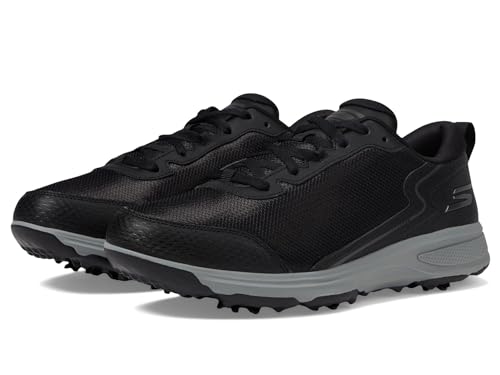
Before a tournament, check the current Rules of Golf, the notice to players, and the local committee. A private club may have shoe rules that differ from a public course. Parents should check junior event notices before a child arrives at the first tee.
Walking on the putting green also requires care. A cleat should not damage the surface. If your shoe is loose, uneven, or shedding material, do not continue to walk across delicate turf.
Stroke play, match play, and club events
In stroke play, every hole score counts toward the total. In match play, players compete hole by hole. A shoe issue does not change the need to follow the event’s equipment conditions.
Scramble and Stableford events may have local instructions as well. Stableford awards points based on scores such as par, birdie, and bogey. The format does not remove shoe or course-care duties.
📜 Check the Rules: Rules, equipment standards, and local policies can change. Check the latest Rules of Golf and your local committee for updates before a competition.
How to care for Skechers golf shoes and cleats
Good care starts after the round. Remove grass and soil with a soft brush. Let the shoes dry in a cool, ventilated place. Avoid strong heat, such as a radiator, hair dryer, or hot car floor.

If the shoes become wet, remove loose insoles if the design allows it and let moisture leave slowly. Heat can affect adhesives, leather, synthetic materials, and sole structure.
Do not store shoes with mud packed around the cleats. Dirt can harden and make the next removal difficult. Keep the replacement key with your golf cleaning items, but away from young children.
| Care task | How often | Reason |
|---|---|---|
| Brush off grass | After each round | Stops dirt from hardening |
| Check cleat security | Before each round | Finds loose or missing cleats |
| Dry naturally | After wet play | Protects materials and adhesives |
| Inspect the outsole | Every few rounds | Finds cracks and wear |
| Clean the key | When dirty | Helps it seat in the cleat slots |
| Replace worn cleats | When traction declines | Restores an even platform |
A clean shoe can also help with pace of play. You spend less time solving a loose cleat on the first tee or between holes.
When to replace the shoes instead of the spikes
Replacement cleats cannot repair every shoe problem. If the outsole is separating, the upper is torn, or the cleat sockets are cracked, the entire shoe may be unsafe or uncomfortable.

A worn traction point is one issue. A damaged sole is another. If the shoe bends in an unusual place or the foot rolls inside it, stop using it until the problem is checked.
The same applies to pain. A new cleat may change underfoot feel, but it cannot diagnose plantar pain, tendon trouble, arthritis, a stress injury, or a back problem. See a doctor or qualified health professional for ongoing pain.
Warning signs
Look for:
- A cleat that will not tighten
- A socket that turns with the cleat
- A crack around the fitting
- A sole separating from the upper
- A sharp point pressing into the foot
- Repeated ankle rolling
- Pain that lasts after play
Golf fitness can support balance and mobility, but footwear is only one part of the picture. A PGA professional can review your stance and movement. A medical professional should assess pain or injury.
Frequently asked questions
Q: Do all Skechers golf shoes use the same spikes?
A: No. Skechers golf shoes include replaceable-spike and spikeless designs. Replaceable models may use different fitting systems. Check the exact model, outsole, original cleat, and socket before choosing a replacement.
Q: Can I use any Softspikes cleat in Skechers golf shoes?
A: No. “Softspikes compatible” is not one universal fitting. Softspikes offers different base and locking systems. Match the fitting pattern, not just the brand name or outer shape.
Q: How do I know whether my Skechers shoes are spikeless?
A: Look for fixed rubber lugs with no removable center fitting. If the traction points are molded into the outsole, they are spikeless. Do not try to screw a replacement cleat into a molded lug.
Q: Can I use metal spikes in Skechers golf shoes?
A: Only if the shoe is designed for them and the course or event permits them. Many courses restrict metal spikes. Check the club policy and event conditions before play.
Q: Do men’s and women’s Skechers golf shoes use different spike systems?
A: They may or may not. Gender category does not determine the cleat system. The shoe model and outsole design do.
Q: Do junior golfers need special golf spikes?
A: Junior golfers need cleats that match the junior shoe’s socket and size. Adult cleats may be unsuitable. A parent or coach should check the fit and help with tools.
Q: Can left-handed golfers use the same spikes as right-handed golfers?
A: Yes. Spike systems are not handed. The same correctly matched cleats can be used by left- and right-handed players.
Q: Why did my new cleat not fit even though it looks right?
A: The base, thread, locking wings, or key pattern may be different. The shoe socket may also be worn or dirty. Stop forcing it and compare the original cleat with the new one.
Q: How often should golf spikes be replaced?
A: Replace them when they are worn, cracked, missing, loose, or no longer provide an even feel. Walking distance, swing force, turf type, and weather affect wear. Inspect them before every round.
Q: Can new spikes change my golf swing?
A: They can change how stable or free your feet feel, but they do not teach swing mechanics. If your footwork changes after a shoe change, use short practice swings and check your balance, tempo, and finish.
Q: Are soft spikes allowed in tournaments?
A: Often, but the event or course may have its own conditions. Check the latest Rules of Golf, the notice to players, and local rules.
Q: What should I do if a spike comes loose during a round?
A: Move to a safe area, check whether the cleat can be tightened correctly, and avoid walking across the putting green with a damaged shoe. If the cleat cannot be secured, play carefully and follow any event or club guidance.
Final thoughts
The right spikes for Skechers golf shoes are the cleats that match the exact outsole fitting system. Start with the model code, inspect the socket, compare the original cleat, and use the correct removal key. Never rely on color, general shape, or a vague claim that a cleat is universal.
For beginners, focus on a level and comfortable stance. For improving golfers, notice how traction supports pressure transfer without blocking the follow-through. For seniors, juniors, and golfers who walk, comfort and even wear matter just as much as grip.
Keep the cleats clean, follow course rules, protect the greens, and stop if the shoe or your body causes pain. A well-matched cleat can support a steady base, but good footwork, sound course management, and safe habits remain the foundation of golf.