What Is The Lightest Golf Shoe: Best Comfort Guide
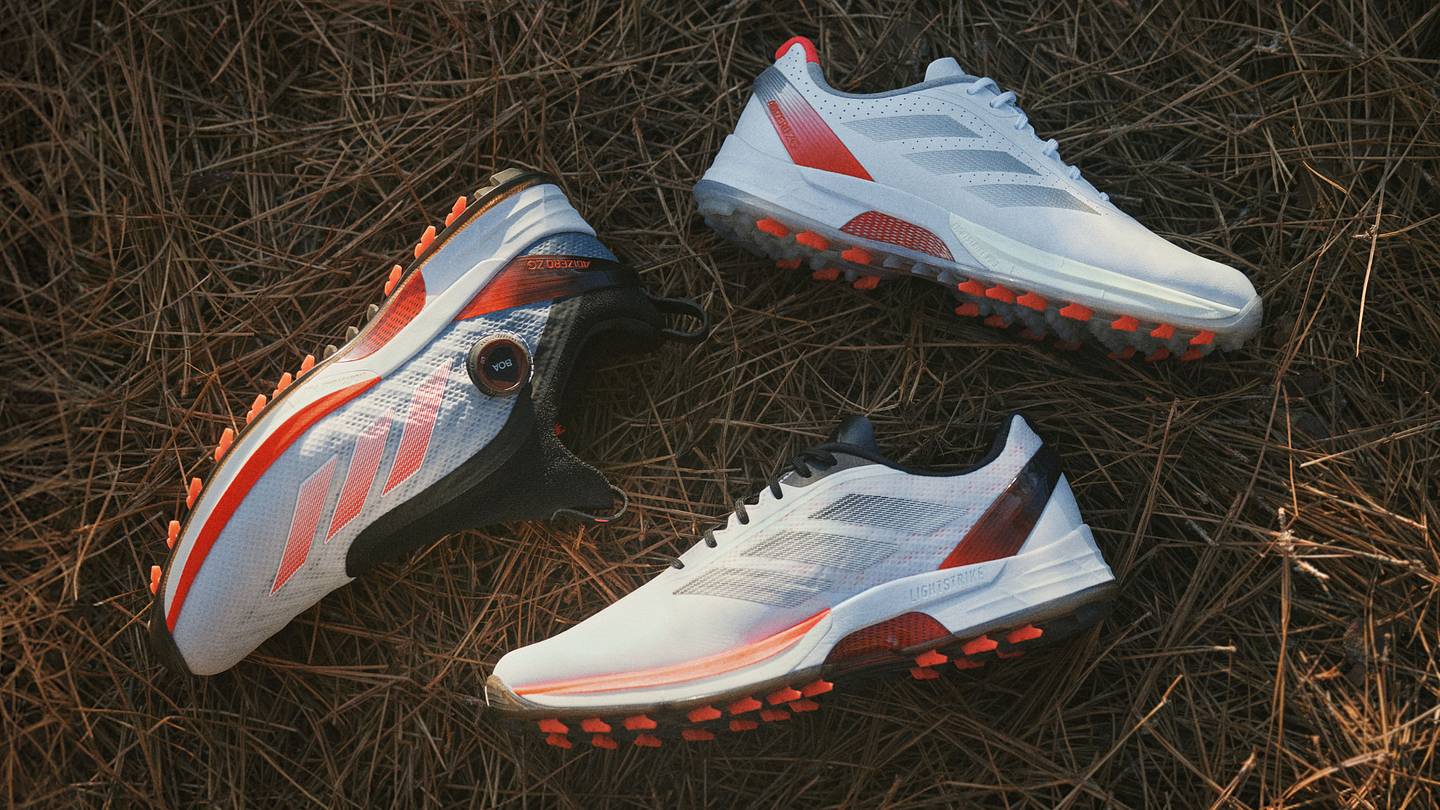
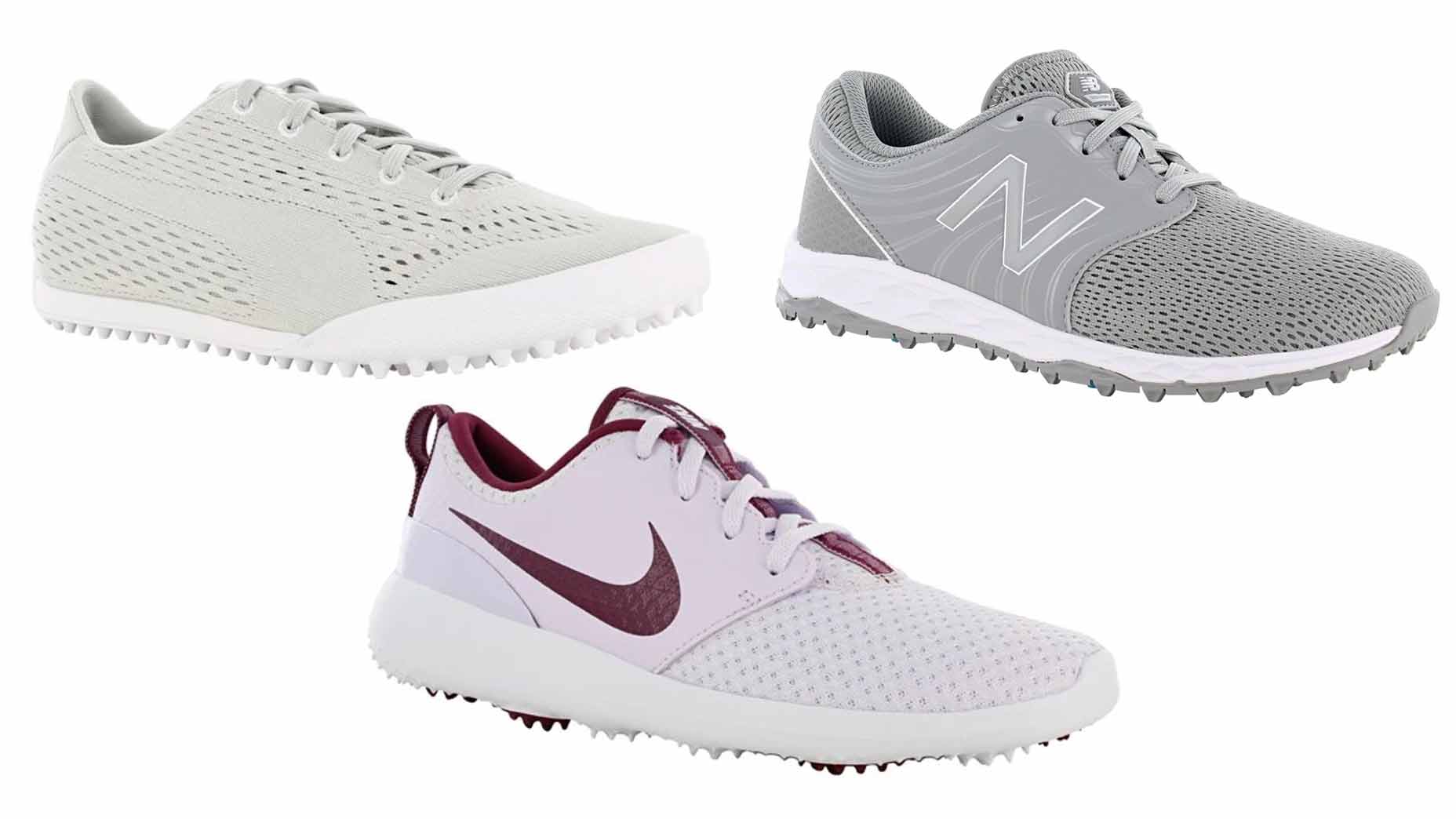
The lightest golf shoe is usually an ultralight spikeless golf shoe made with a thin mesh or knit upper, a light foam midsole, and a flexible rubber outsole. Some adult golf shoes weigh about 6 to 10 ounces per shoe, but the exact weight depends on shoe size, width, materials, and whether the shoe is waterproof. The lightest option is not always the best option for every golfer.
Golf shoes must do more than feel light. They also need to support the foot during the golf swing, provide grip on grass, protect the feet from wet ground, and remain comfortable during several hours of walking. A very light shoe may suit a junior, senior, beginner, or golfer who walks on dry fairways. It may not suit someone who plays in heavy rain, walks on steep terrain, or needs strong ankle and arch support.
This guide explains what makes a golf shoe light, how much golf shoes usually weigh, how shoe weight affects walking and swing comfort, and what different golfers should look for. It also covers spikeless and spiked designs, waterproof materials, golf rules, course conditions, and common mistakes.

Quick answer: what is the lightest golf shoe?
The lightest golf shoe is normally a lightweight spikeless model with a breathable upper and a simple foam sole. In general, a pair may weigh roughly 12 to 20 ounces, or about 340 to 570 grams, depending on size and construction. A very light shoe often has less waterproof material, less cushioning, and less structure than a heavier shoe.
Weight alone does not define a good golf shoe. The right choice balances lightness with grip, comfort, stability, water resistance, and foot shape. For most golfers, a shoe that feels light while still keeping the foot stable is more useful than the absolute lightest shoe.
What makes a golf shoe lightweight?
A golf shoe becomes light when the manufacturer reduces the weight of the upper, sole, lining, and support parts. The upper is the material around the top and sides of the foot. The sole includes the midsole, which provides cushioning, and the outsole, which touches the ground.
The lightest golf shoes often use mesh, knit fabric, thin synthetic panels, or flexible textile blends. They may also use fewer layers and a low-profile outsole. These choices can improve airflow and walking comfort, but they may reduce water protection or side-to-side support.

Common materials in lightweight golf shoes
The upper has a large effect on total shoe weight. Breathable fabric is usually lighter than thick leather or a multilayer waterproof shell. A thin upper may also bend more easily during walking.
The midsole matters too. Foam is light and can soften each step. A thick foam midsole may add comfort, but more foam also adds weight. The outsole must still provide enough contact with the turf for the golf swing.
| Shoe feature | Effect on weight | Possible trade-off |
|---|---|---|
| Mesh or knit upper | Reduces weight | Less protection from rain and wet grass |
| Thin synthetic panels | Keeps structure light | May offer less long-term support |
| Foam midsole | Adds light cushioning | Can feel less firm during the swing |
| Rubber outsole | Gives useful grip | Usually weighs more than very thin fabric |
| Waterproof membrane | Adds layers | Can reduce airflow and increase weight |
The main takeaway is simple: fewer layers usually mean less weight. The second takeaway is that every weight-saving choice can change comfort, grip, warmth, or durability.
How shoe size changes the answer
A shoe’s listed weight is not the same for every golfer. A larger men’s size normally weighs more than a smaller women’s or junior size. A wide shoe may also use more material than a standard-width shoe.
Weight comparisons are most useful when the size, width, and testing method are the same. One company may list the weight of one shoe, while another may list the weight of a pair. Always check the measurement before comparing numbers.
How much do golf shoes weigh?
Most adult golf shoes fall into a broad range of about 10 to 16 ounces per shoe. Lightweight models may be near the lower end, while waterproof, heavily cushioned, or structured shoes may be closer to the upper end or above it. Spiked shoes can weigh more because of their traction system, although modern spikes are often quite light.
A difference of only a few ounces per shoe can matter during a long walking round. A golfer may take several thousand steps during 18 holes. Still, comfort depends on fit and support as much as weight.
| Golf shoe category | Typical weight per shoe | Best suited to |
|---|---|---|
| Ultralight spikeless | About 6–10 ounces | Dry conditions and frequent walking |
| Light spikeless | About 8–12 ounces | General walking and casual play |
| Traditional spikeless | About 10–15 ounces | Golfers wanting more structure |
| Lightweight spiked | About 10–15 ounces | Players wanting stronger turf grip |
| Waterproof or winter shoe | About 12–18 ounces or more | Wet, cool, or soft conditions |
These are broad ranges, not fixed rules. Shoe size, width, materials, and design can change the result. A light shoe can also feel heavy if it is too tight, too stiff, or poorly balanced.

Why a few ounces can feel important
Weight sits at the end of the leg, so the foot lifts and moves it with every step. That can make a heavy shoe feel tiring after several miles. Lighter footwear may help a golfer feel less tired late in a round.
However, shoe weight is only one part of walking comfort. A shoe with poor cushioning can create foot, knee, back, or hip stress even if it is very light. A flexible shoe that bends in the wrong place can also make the feet work harder.
Weight and swing stability
During the golf swing, the feet help create a stable base. The grip, stance, posture, backswing, downswing, impact, and follow-through all depend on balance. A shoe must let the foot move naturally while resisting unwanted sliding.
A very soft or thin sole may feel less stable for a player with a fast swing speed. This does not mean a heavier shoe is always better. It means the golfer should test whether the shoe keeps the heel, arch, and forefoot secure through the swing.
Spikeless or spiked: which is lighter?
Spikeless golf shoes are often lighter because they use a simple rubber outsole with molded traction. Spiked shoes use replaceable or fixed cleats that can add some weight. The difference is not always large, and a modern spiked shoe can still be light.
The main difference between spikeless and spiked golf shoes is how they grip the turf. Spikeless shoes use small rubber shapes or lugs. Spiked shoes use cleats that press into the ground. Both types can be suitable for golf when they provide stable footing.

| Design | Weight tendency | Traction profile |
|---|---|---|
| Spikeless | Often lighter | Good on firm, dry surfaces |
| Soft-spiked | Often slightly heavier | Strong grip on soft or wet turf |
| Metal-spiked | Usually not used for most modern play | Restricted by many courses |
| Hybrid outsole | Varies by design | Mixes walking comfort and firm grip |
Spikeless shoes can be useful for beginners, juniors, and golfers who walk between the driving range, clubhouse, and course. Soft-spiked shoes may suit players who face wet grass, steep slopes, or soft ground.
When spikeless shoes work well
Spikeless shoes often feel natural on pavement and clubhouse floors. That can help a golfer who walks from the parking area to the first tee or practices on a driving range. They may also suit a golfer who plays on firm fairways in a dry climate.
The limitation is traction. A smooth or worn outsole may not hold well on wet grass or a sloped tee box. Golfers should inspect the sole and replace footwear when the traction has worn down.
When spiked shoes make more sense
Spiked shoes can offer a more secure connection on damp turf. They may help a golfer who has a powerful downswing, plays on hills, or often loses balance during impact. They can also suit a golfer who plays early in the morning when dew makes the grass slick.
Spikes do not fix poor footwork or a weak stance. A golfer who sways, slides, or loses posture may need a lesson with a PGA professional. Footwear can support balance, but it cannot replace sound technique.
Does the lightest golf shoe help you play better?
A light golf shoe can help a golfer feel less tired while walking, but it does not automatically improve swing mechanics or scoring. Golf performance depends on many factors, including grip, stance, posture, tempo, club control, course management, and the mental game.
For a beginner, comfort can make it easier to stay focused while learning chipping, pitching, bunker shots, putting, and green reading. For an improving amateur, the right shoe may help maintain balance late in the round. For a junior or senior, lower weight may reduce fatigue.

Benefits of a lightweight golf shoe
The main benefits are lower leg fatigue, easier walking, better airflow, and a more natural feel. A light shoe may also be easier for a child or older golfer to lift and flex. These benefits matter most during walking rounds.
A lightweight shoe can also help golfers who play executive courses or walk nine holes. It may be less important for a golfer who rides in a cart and plays on a short, flat course.
| Potential benefit | Who may notice it most | Limitation |
|---|---|---|
| Less foot fatigue | Walkers and seniors | Fit still matters more than a small weight difference |
| Easier flex | Beginners and juniors | Too much flex can reduce stability |
| Better airflow | Golfers in hot climates | Breathable material may not resist rain |
| Natural walking feel | Players on firm paths | May feel less secure on soft slopes |
| Lower leg effort | Players with low stamina | Does not replace golf fitness or warm-up |
The best use of this information is to match the shoe to the golfer and the course. A light shoe may help one player but feel unstable to another.
Lightweight golf shoes for different golfers
The ideal shoe weight depends on body size, foot shape, age, swing speed, walking habits, and course conditions. There is no separate rule that says men’s, women’s, junior, or senior golfers must use a certain shoe weight.
The right fit matters for left-handed and right-handed golfers alike. A right-handed golfer may place more force on the lead side during the downswing, while a left-handed golfer creates the opposite pattern. Both need stable footing under the lead foot and trail foot.

Beginners and new golfers
Beginners often benefit from a comfortable, light shoe that allows easy walking and basic balance. A shoe with moderate support may be more useful than an ultralight racing-style design. New golfers are still learning how stance width, ball position, posture, and weight shift affect the swing.
A beginner who plays only short sessions may not need a waterproof or highly structured shoe. A beginner who walks 18 holes should pay more attention to cushioning, heel hold, and traction.
Improving amateurs
Improving golfers often swing faster and create more force at impact. They may also play on different courses, from a flat parkland course to a windy links course. A slightly heavier shoe with stronger support may suit them better than the lightest possible model.
This golfer should watch for movement inside the shoe. If the heel lifts or the foot slides during the downswing, the shoe may not provide enough structure or the fit may be wrong.
Senior golfers
Senior golfers may value low weight because it can reduce fatigue during a walking round. However, seniors should not ignore cushioning, arch support, or grip. A thin sole may feel harsh on hard paths or uneven ground.
A senior with foot pain, balance problems, diabetes, or joint concerns should ask a medical professional about suitable footwear. Persistent pain is not a normal part of golf.
Women golfers
Women’s feet often have different width and heel-to-forefoot proportions than men’s feet, but individual shape matters most. A women’s golf shoe should hold the heel without squeezing the toes. Light weight can help during walking, but a narrow shoe is not automatically a better shoe.
Women who play early in wet conditions may need more water protection than the lightest fabric shoe provides. Climate and course type should guide the choice.
Junior golfers
Junior golfers usually need footwear that fits the current foot size and allows normal movement. Adult shoes can be too heavy, too wide, or too stiff for a child. Junior-sized shoes may naturally weigh less because they use less material.
Parents should check that the shoe stays secure during a full swing. Children also need safe practice habits, including a clear swing area, proper warm-up, water, sun protection, and care around carts.
👪 Parent or Beginner Note: A junior should not wear a shoe that is several sizes too large just to allow growth. Excess movement can affect balance and increase the risk of blisters or trips.
Lightweight shoes and course conditions
Course conditions change how much traction and protection a golfer needs. A dry, firm fairway is not the same as wet rough, soft sand, or a steep links course. The lightest shoe is most useful when its sole matches the ground.
A links course often has firm turf, wind, and uneven ground. A parkland course may have softer fairways and more trees. An executive course may require less walking time, while a long championship course can place greater demands on the feet.

| Course or weather condition | Useful shoe traits | Why it matters |
|---|---|---|
| Hot and dry | Breathable upper and light sole | Helps reduce heat and sweat |
| Morning dew | Reliable outsole grip | Grass can be slick |
| Heavy rain | Water-resistant or waterproof layers | Helps keep feet dry |
| Steep terrain | Firm heel hold and traction | Reduces unwanted sliding |
| Hard paths | Cushioning and shock control | Limits impact on feet and legs |
| Soft fairways | Strong turf contact | Helps during the downswing |
A lightweight breathable shoe may be excellent in summer but unsuitable in heavy rain. Waterproof shoes can protect the feet, but their extra layers may increase weight and reduce airflow.
Walking versus riding
Golfers who walk notice shoe weight more than golfers who ride in a cart. Walking also adds repeated stress to the feet, calves, knees, and lower back. A good warm-up routine, steady hydration, and sensible pace can help.
Cart users still need stable footwear. The feet must support the body during the golf swing, and cart paths can be hard or uneven. Cart safety also matters: keep hands and feet inside, follow course signs, and avoid steep or wet areas unless permitted.
How to measure golf shoe weight correctly
The simplest method is to use a kitchen or luggage scale. Weigh one shoe and then weigh the other. Record the size, width, and whether the shoe has spikes or inserts.
Remove temporary items only if they are not part of normal use. For a fair comparison, weigh both shoes with the same insoles and laces. A shoe with a waterproof liner, thick insole, or replacement cleats may weigh more than the same upper without those parts.

A simple home test
- Set the scale on a flat surface.
- Check that it reads zero.
- Weigh the left shoe.
- Weigh the right shoe.
- Add both numbers for the pair.
- Record the shoe size and conditions.
- Compare comfort and stability, not weight alone.
This test gives a useful personal answer. It does not create a universal ranking because different sizes and designs are not directly equal.
Pros and cons of the lightest golf shoe
The lightest golf shoe can be useful, but it has limits. A simple comparison helps golfers understand what they gain and what they may give up.
| Pros | Cons | Best match |
|---|---|---|
| Easy to walk in | May have less cushioning | Short or moderate walking rounds |
| Often more breathable | May offer less rain protection | Hot, dry climates |
| May reduce leg fatigue | Can feel less stable | Beginners and casual players |
| Often bends easily | May wear faster | Practice and light course use |
| Feels less bulky | May give less side support | Players with stable foot mechanics |
The key point is balance. The lightest shoe may suit a dry, flat course and a relaxed walking round. It may not suit wet hills, fast swings, or golfers who need strong foot control.

Common mistakes when choosing a lightweight golf shoe
Many golfers focus only on the number of ounces. That can lead to poor fit, weak grip, or foot pain. A shoe should support the whole round, not just the first tee.
Mistake 1: Choosing the lowest weight without checking fit
A light shoe that pinches the toes can create blisters and change the way a golfer walks. A loose heel can cause sliding inside the shoe. Both problems can affect stance and balance.
The toes should have room to spread, while the heel should stay secure. The widest part of the foot should match the widest part of the shoe.
Mistake 2: Ignoring water protection
Dew can make grass wet even on a sunny day. A shoe that absorbs water may become heavier during the round. Wet socks can also cause rubbing and blisters.
Golfers in dry climates may prefer airflow. Golfers in wet climates may need more protection, even if it adds weight.
Mistake 3: Using worn traction
Rubber lugs and spikes lose grip over time. A light shoe with worn traction may be less safe than a heavier shoe with a sound outsole. Check the sole before playing on slopes or wet grass.
Mistake 4: Confusing flexibility with stability
A flexible shoe can feel comfortable during walking. Yet too much bend under the arch or forefoot may reduce control during the swing. The shoe should flex near the natural forefoot joint, not fold in the middle.
Mistake 5: Wearing new shoes for a full 18 holes
New footwear can create hot spots before the golfer notices them. Test a new pair during a short walk or practice session first. This is especially useful for juniors, seniors, and golfers with a history of blisters.
💡 Pro Tip: Put on the shoes after a normal day of activity. Feet can swell slightly later in the day, so this test often gives a more realistic sense of space and comfort.
How to test a lightweight golf shoe on the range
The driving range is a useful place to test golf footwear. Start with a short walk, then make practice swings with a wedge. Move to a mid-iron and driver only if the shoe feels secure.
Notice the heel, arch, ball of the foot, and outside edge. Watch for sliding during the downswing, pressure at impact, or foot movement during the follow-through.
| Test | What to notice | What it may show |
|---|---|---|
| Five-minute walk | Hot spots and heel movement | Basic fit |
| Wedge swings | Forefoot comfort | Flex and toe space |
| Iron swings | Side-to-side movement | Stability |
| Driver swings | Lead-foot grip | Traction under force |
| Short putting session | Balance and stance | Comfort at low intensity |
| Gentle slope walk | Outsole hold | Terrain performance |
Takeaways are clear: test the shoe while walking and swinging. Also test it on the type of turf you normally play.
Foot health, golf fitness, and shoe weight
Footwear is one part of golf fitness. Strong calves, mobile ankles, stable hips, and good balance can help a golfer walk and swing with less strain. A light shoe cannot correct weak movement or poor posture.
A simple warm-up may include five minutes of easy walking, ankle circles, calf raises, hip turns, and slow practice swings. Start with short swings before full-speed swings.

When a light shoe may not suit you
The lightest shoe may not suit a golfer with a history of ankle sprains, severe overpronation, balance problems, or recurring foot pain. Overpronation means the foot rolls inward more than usual. A medical professional or qualified specialist can help assess these concerns.
It may also not suit a golfer who plays in cold rain, soft ground, or steep terrain. More structure and grip may be safer than a lower number on the scale.
Pain is a warning sign
Stop if you feel sharp pain, numbness, swelling, or pain that changes your swing. Do not try to play through ongoing foot, knee, hip, back, elbow, or wrist pain. Seek medical advice for persistent or worsening symptoms.
⚠️ Safety Warning: Leave the course at the first warning of lightning. Shoes do not protect a golfer from lightning. In heat, drink water, use sun protection, rest in shade, and watch for signs of heat illness.
Golf rules and lightweight shoes
The Rules of Golf do not normally require a certain shoe weight. Golfers may wear shoes that are suitable for the course, as long as the footwear does not violate a competition condition or local rule.
The main rules concern equipment and course conduct, not whether a shoe is light. Some facilities may restrict certain spike types to protect greens and clubhouse floors. A tournament committee or club may also set local conditions.

Shoe traction and the putting green
Golfers should avoid dragging their feet across the putting green. Spikes or outsole patterns can damage the surface. Walk carefully, repair ball marks, and follow local instructions.
A shoe itself does not give a golfer permission to test the green surface or improve the lie of the ball. The general Rules of Golf prohibit improving conditions that affect a stroke, except where a rule allows it.
Course care and etiquette
Good golf etiquette applies to every golfer, whether walking or riding. Repair ball marks, replace divots when appropriate, rake bunkers, keep pace of play, and dispose of litter, broken tees, and old balls properly.
📜 Check the Rules: Rules, local rules, and tournament conditions can change. Check the latest Rules of Golf and ask the club or committee if a shoe type or spike system is restricted.
Does waterproofing make a golf shoe heavier?
Waterproofing often adds weight because it may require extra layers, sealed seams, thicker fabric, or a protective lining. The increase varies by design. Some thin waterproof materials add little weight, while a fully sealed shoe may feel warmer and less flexible.
Golfers should match water protection to their normal course. A golfer who plays in a dry area may value airflow. A golfer who walks in morning dew or frequent rain may accept extra weight to keep the feet dry.

Waterproof versus water-resistant
Water-resistant footwear can shed light moisture for a short time. Waterproof footwear is designed to block water more fully, but no shoe stays perfectly dry in every condition. Water can enter through the tongue, collar, seams, or openings around the ankle.
Wet feet are not only uncomfortable. They can increase rubbing and blister risk. Dry socks, proper fit, and changing footwear after a wet round can help protect the skin.
A simple decision guide by golfer and course
There is no single lightest golf shoe for every person. The best answer changes with the golfer’s walking time, swing force, climate, and foot needs.

| Golfer or setting | Main priority | Useful general direction |
|---|---|---|
| Beginner on a flat course | Comfort and easy walking | Light, flexible, moderately supportive shoe |
| Senior walker | Cushioning and low fatigue | Light shoe with secure heel and stable sole |
| Junior player | Low weight and correct fit | Junior-sized shoe that does not slip |
| Fast-swinging amateur | Grip and lead-foot stability | Light-to-medium shoe with firm traction |
| Wet-climate golfer | Dry feet and grip | Water-resistant or waterproof construction |
| Cart user on firm turf | Comfort and basic traction | Light spikeless design may be enough |
These are starting points, not medical or fitting rules. Foot shape and personal comfort still come first.
How long does it take to get used to a new golf shoe?
Many golfers can adapt to a comfortable shoe within one or two short sessions, but the time varies. A change in heel height, sole stiffness, or arch shape may take longer. A golfer should not assume that discomfort is part of the break-in process.
Begin with a short walk and a few easy swings. Add time only when the foot feels normal. If pain or numbness continues, stop using the shoe and seek professional advice.
This advice suits beginners and experienced golfers. Juniors and seniors should take extra care because blisters, balance problems, and foot discomfort can affect movement quickly.
Frequently asked questions
Q: What is the lightest type of golf shoe?
A: An ultralight spikeless golf shoe is usually the lightest type. It often uses a mesh or knit upper, a thin foam midsole, and a molded rubber outsole. Weight varies by size, width, waterproofing, and the way the manufacturer measures it.
Q: Are spikeless golf shoes lighter than spiked shoes?
A: Spikeless shoes are often lighter because they do not use separate cleats. The difference may be small. Traction, fit, and course conditions matter more than a minor weight difference.
Q: What is a good golf shoe weight for beginners?
A: A beginner should focus on comfort, grip, and a secure fit rather than a precise weight. A light or medium-weight shoe with moderate cushioning and stable traction is often a practical starting point. The shoe should feel secure during a full swing.
Q: Are lightweight golf shoes good for seniors?
A: They can be helpful for seniors who walk because lower weight may reduce fatigue. Seniors should also look for cushioning, heel stability, and reliable traction. Anyone with foot pain or balance concerns should ask a medical professional for guidance.
Q: Are lightweight golf shoes good for women golfers?
A: They can be, provided the shape fits the golfer’s foot. The shoe should not squeeze the toes or allow the heel to slip. Women golfers should match water protection and traction to their course and climate.
Q: Should junior golfers wear the lightest golf shoes?
A: Junior golfers should wear shoes that fit correctly and allow secure movement. A very light adult shoe may still be too long, wide, or stiff. Junior-sized footwear is often a better match for a young player’s foot and body.
Q: Can a lightweight shoe improve my golf swing?
A: It may help you feel less tired and more comfortable, especially during a walking round. It cannot replace proper grip, stance, posture, tempo, or instruction. A recurring swing fault is best addressed with a PGA professional.
Q: Do lightweight golf shoes work on a links course?
A: They can work well on a firm links course if the outsole provides enough grip. Wind, slopes, dew, and uneven ground may increase the need for a secure heel and stable sole. Check the course conditions before playing.
Q: Are waterproof golf shoes heavier?
A: They often are because waterproof construction uses more layers or sealed materials. The exact difference varies. In wet conditions, keeping the feet dry may be more useful than choosing the lowest possible weight.
Q: Can I wear running shoes instead of golf shoes?
A: Running shoes may feel light, but their tread and side-to-side support are not always designed for a golf swing. Some courses allow athletic shoes, while others have dress or traction rules. Check the course policy before playing.
Q: Do golf shoes have to be spiked?
A: No. Both spikeless and soft-spiked golf shoes are used in golf. The best type depends on turf, weather, walking comfort, swing stability, and local course policy.
Q: How do I know if a golf shoe is too light for me?
A: Signs include foot movement inside the shoe, heel lift, slipping during the downswing, poor grip on slopes, and pain after walking. If the shoe feels unstable during a controlled range test, it may not offer enough support.
Q: Does shoe weight matter more for walking or riding?
A: Shoe weight usually matters more for walkers because they take many more steps. Cart users still need traction and stability during the swing. Hard cart paths can also make cushioning important.
Q: Can a light shoe cause foot pain?
A: Any poorly fitted shoe can cause pain, regardless of weight. A thin sole, weak support, narrow toe box, or loose heel may create problems for some golfers. Stop if pain persists and seek medical advice.
Q: How can I keep lightweight golf shoes in good condition?
A: Remove grass and dirt after each round, let the shoes dry naturally, and avoid high heat. Check the outsole for worn traction. Follow the care instructions for the shoe’s material.
Final thoughts
The lightest golf shoe is usually an ultralight spikeless design that uses breathable materials and a simple outsole. It may weigh around 6 to 10 ounces per shoe, but the number changes with size, width, waterproofing, and construction.
Lightness can make walking easier and may help reduce late-round fatigue. Yet grip, fit, cushioning, stability, water protection, and course conditions matter just as much. Beginners may value comfort, improving golfers may need swing stability, and juniors and seniors may need a careful balance of low weight and support.
The best answer is not simply the shoe with the smallest number on a scale. It is the lightest shoe that keeps your feet comfortable, your stance stable, your swing balanced, and your course experience safe.