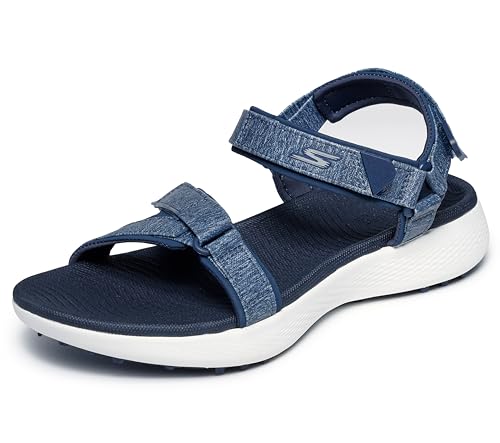
What Color Golf Shoes Should I Get: Best Style Guide
Choosing the right color golf shoes is less about fashion and more about fit, course use, weather, and personal style. Your shoes should feel natural during the swing, suit the clothes you wear, and handle the places where you play. Color cannot fix poor grip, weak posture, or poor balance, but it can affect comfort, confidence, care, and how often your shoes look clean.
For a first pair, a neutral color such as white, black, gray, brown, or navy is often the easiest choice. These colors match most golf outfits and work well for beginners, seniors, juniors, men, and women. More vivid colors can show personality, but they may need more care and may not suit every club’s dress code.
The best golf shoe color depends on your climate, whether you walk or ride, the type of course you play, and how formal your golf setting is. A dry desert course, wet links course, junior practice area, and private club may each call for a different approach.

Quick answer: What color golf shoes should you get?
The best golf shoe color for most golfers is a neutral shade that matches several outfits and suits the course conditions. White is classic and helps reflect heat. Black is smart and hides marks. Gray and navy are flexible. Brown works well with earthy outfits and firm, dry courses. Pick a color that follows local dress rules and makes you feel steady, relaxed, and ready to swing.

Why golf shoe color matters
Golf shoe color matters because your shoes are part of your full golf setup. They affect how your outfit looks, how much dirt shows, and how easy it is to move from the parking area to the first tee, fairway, clubhouse, or practice green.
Color does not change loft, launch angle, spin rate, or club path. Loft is the angle of the clubface that helps send the ball upward. Launch angle is the height at which the ball starts. Spin rate is how quickly the ball rotates. Still, feeling comfortable and presentable can support a calm mental game.
A golfer who feels distracted by wet, muddy, or hard-to-match shoes may think about appearance instead of stance, grip, tempo, and impact. That does not mean a certain color improves a swing. It means the right choice removes one small source of stress.

Color, comfort, and confidence
Golf is a game of repeated movement. You may stand over a putt for several seconds, walk several miles, climb slopes, or stay in one position during a long practice session. Your shoe color cannot replace good support, but a color you enjoy can help you feel more settled.
This applies to all skill levels. A beginner may feel more comfortable in a simple color that does not draw attention. An improving amateur may enjoy a bold color that shows style. A competitive player may prefer a quiet color that fits team clothing and tournament standards.
The key point is simple: choose color for confidence, but choose the shoe itself for fit, comfort, traction, and stability.
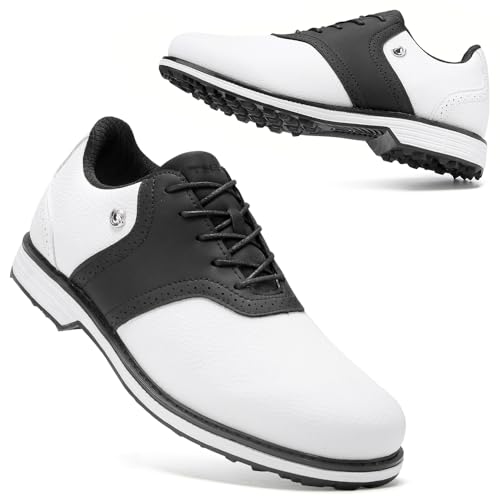
Appearance is not the same as performance
A bright shoe is not automatically less stable. A dark shoe is not automatically more durable. White does not always get dirty faster, and black does not always stay clean. Materials, stitching, outsole design, drainage, and care matter more than color.
Look at color as one part of a larger decision. Your shoe should support a balanced stance, stable foot pressure, and a smooth follow-through. It should not pinch your toes or force you to change your walking pattern.
| Color factor | What it can affect | What it cannot guarantee |
|---|---|---|
| Light shade | Heat feel and visible dirt | Better traction |
| Dark shade | Appearance of marks and formal style | Better swing balance |
| Bright shade | Personal style and visibility | More distance |
| Neutral shade | Outfit flexibility | Better putting or chipping |
Light colors may feel cooler in strong sun, while dark colors may hide some marks. Neither shade removes the need to inspect the sole and clean the upper.

The most useful golf shoe colors
The main difference between golf shoe colors is how they match your clothes, show dirt, handle heat, and fit the setting. No single color is best for every golfer or every course.

White golf shoes
White is a classic golf shoe color. It works with nearly every golf outfit and has a clean, traditional look. White can suit beginners, club players, juniors, and competitive golfers.
White may feel comfortable in hot weather because light colors absorb less visible heat than dark colors. It also stands out against green grass, which some golfers like for a crisp look.
The limit is care. Mud, grass stains, bunker sand, and wet soil can show clearly on white shoes. This may not suit golfers who play in wet regions, walk through rough grass, or move often between the course and the range.
White golf shoes are a strong choice for:
- Hot, dry climates
- Formal golf settings
- Players who wear light or bright clothing
- Junior golfers who enjoy a classic look
- Golfers who do not mind regular cleaning
Black golf shoes
Black golf shoes have a formal and strong appearance. They often match dark pants, belts, rain gear, and cooler-weather outfits. Black can suit senior golfers, tournament players, and golfers who prefer a classic style.
Black may hide some dark marks, wet soil, and grass stains better than white. Yet dust, pale sand, and dried mud can stand out. Black shoes may also feel warmer under strong sun, especially if they have a dark upper with little ventilation.
Black is a useful choice for:
- Cooler climates
- Fall and winter rounds
- Formal clubs or team uniforms
- Golfers who often wear dark clothing
- Players who want a serious, simple appearance
Black may not suit a golfer who plays in extreme heat or prefers a light summer wardrobe.
Gray golf shoes
Gray is one of the most flexible golf shoe colors. It sits between light and dark, so it can match many outfits without looking too formal or too bold. Gray can also hide small marks better than pure white.
Gray suits a wide range of golfers. It can work for a beginner who wants one simple color, an improving golfer who walks often, or a senior who wants an easy match with neutral clothing.
Gray is a practical choice for:
- Mixed weather
- Walking and riding
- Daily practice
- Neutral golf outfits
- Golfers who want a low-key style
Gray may feel less traditional than white or black, but that is not a rules issue in most settings. Always check local dress rules if you play in a formal event.
Brown and tan golf shoes
Brown and tan can look natural on firm courses, parkland layouts, and dry fairways. These shades pair well with khaki, cream, olive, navy, and earth-tone clothing.
Brown may suit golfers who want a less common color without choosing a bright shade. It can also blend well with dry grass and soil. However, brown may feel less flexible with bright or cool-colored outfits.
Brown and tan suit:
- Dry climates
- Firm fairways
- Earth-tone clothing
- Golfers who enjoy a classic outdoor style
- Players who want an alternative to black or white
These colors may not be the best fit for a very formal club if the dress code expects traditional colors. Check first rather than guessing.
Navy golf shoes
Navy offers a soft alternative to black. It looks sharp with gray, white, khaki, and blue clothing. Navy can suit men’s, women’s, and junior golf outfits.
Navy may show pale dust and sand more than black. It can also look less formal in some settings, though most modern golf dress codes allow a wide range of colors.
Navy is useful for:
- Summer golf wardrobes
- Coastal courses
- Golfers who wear blue or gray
- Players who want a dark but less severe color
- Families choosing coordinated junior outfits
Bright or multi-color golf shoes
Bright colors can show personality. Red, green, yellow, orange, and mixed patterns may suit social rounds, junior golf, charity events, and golfers who enjoy bold clothing.
A bright color may help a parent spot a junior golfer during a group practice session. It may also make a golfer feel cheerful and relaxed. That matters for a beginner who feels nervous on the first tee.
The tradeoff is flexibility. Bright shoes can be harder to match with many outfits. They may also attract attention in a formal competition or club setting.
Bright colors suit:
- Social rounds
- Junior golfers
- Families and team events
- Golfers with a bold personal style
- Casual practice at a driving range or executive course
They may not suit a strict dress code, formal tournament, or golfer who prefers a quiet appearance.
| Color | Main strength | Possible limit |
|---|---|---|
| White | Classic and cool-looking | Shows mud and grass |
| Black | Formal and hides dark marks | Can look warm in sun |
| Gray | Flexible and low-key | Less traditional to some golfers |
| Brown or tan | Natural and earthy | Harder to match with cool colors |
| Navy | Smart and softer than black | Shows pale dust |
| Bright colors | Expressive and easy to spot | May not suit formal settings |
A neutral color usually offers the most outfit flexibility. A bold color can be a good fit when personal style and local dress rules matter more than formal tradition.
How course conditions should guide your color
The best color for a golf shoe also depends on the course. Grass, soil, sand, rain, heat, and walking distance all change how the shoe looks and feels during a round.
A links course may expose your shoes to wind, firm ground, wet grass, and sandy paths. A parkland course may leave green marks and damp soil on the upper. A desert course may cover dark shoes with pale dust. An executive course may require less time on the course but still have wet morning grass.
Wet climates and morning dew
If you play in a wet climate, visible dirt is not the only issue. Moisture can affect comfort, cleaning, and drying time. Dark green grass and mud may show clearly on white shoes, while pale sand may stand out on black or navy shoes.
Gray can be a useful middle ground. Brown may blend with soil, but it can still show water marks. The shoe’s waterproof design and care routine matter more than its color.
For wet conditions:
- Allow shoes to dry fully after play.
- Remove loose mud before it hardens.
- Do not store damp shoes in a closed bag.
- Check the outsole for packed soil.
- Keep a separate pair for very wet rounds if your schedule allows.
Hot and sunny courses
White, light gray, tan, and other light colors may feel more suitable in strong sun. They can reflect more light than black or dark navy. This does not replace sun protection, water, or a proper warm-up routine.
Heat affects the whole golfer. Drink water, wear suitable clothing, use sunscreen, and seek shade when possible. If you feel dizzy, confused, weak, or sick, stop playing and get help.
⚠️ Safety Warning: In hot weather, color is a small concern. Hydration, shade, sun protection, and safe pacing matter more. Leave the course at the first lightning warning and follow the facility’s emergency plan.
Dry, sandy, or desert courses
Desert and sandy courses often place pale dust on dark shoes. Black and navy may show this dust quickly. White shoes may hide some pale dust but show grass or dark soil.
Tan, brown, gray, and white can all work. The better choice depends on your clothing and how much cleaning you want to do. A shoe brush can remove dry dust without spreading it across the upper.
Soft fairways and deep rough
Soft ground can leave dark stains and wet marks. Deep rough may brush against the shoe and collect seeds, grass, or mud. Neutral colors are often easier to live with in these conditions.
This is also where traction and sole design matter most. A stylish color cannot help if your feet slide during the downswing. Your stance should remain stable without locking your knees or gripping the ground with your toes.
| Course setting | Colors that often fit | Main care concern |
|---|---|---|
| Wet parkland | Gray, black, brown | Mud and slow drying |
| Hot desert | White, tan, gray | Pale dust and heat |
| Links course | White, navy, gray | Sand, wind, and wet grass |
| Dry firm course | Brown, tan, white | Dust and soil |
| Executive course | Any neutral shade | Walking comfort and easy care |
| Junior practice area | Bright or neutral | Visibility and simple cleaning |
The course does not force one color. It helps you understand which colors show the marks you are most likely to collect.
Match golf shoe color with your clothing
Color coordination should be simple. Your shoes do not need to match your shirt exactly. They should support the full outfit without creating a sharp clash.
A safe rule is to connect your shoes with one other item. That item may be a belt, hat, shorts, pants, socks, or outer layer. You can also use a neutral shoe to balance a bright shirt.
Easy color pairings
White shoes work with almost any color. They pair well with navy, black, gray, green, red, and pastel clothing.
Black shoes pair well with black, charcoal, navy, and dark outerwear. They can look heavy with very light summer clothing, but the full outfit matters.
Gray shoes work with white, black, blue, green, tan, and many patterns. They are often the easiest choice for a mixed golf wardrobe.
Brown or tan shoes work well with khaki, cream, olive, rust, and navy. They may look less natural with bright pink, purple, or cool blue unless the outfit includes a warm accent.
Men’s golf outfits
Men’s golf clothing often uses neutral pants, shorts, polos, belts, and hats. White, black, gray, brown, and navy shoes can all work well.
For a simple look, match dark shoes with a belt or outer layer. For a relaxed summer look, white, gray, or tan can support light trousers and a bright polo.
A man who plays in a formal club setting should check the club’s dress code. Some clubs may limit shorts, shirt styles, or shoe colors for events.
Women’s golf outfits
Women’s golf clothing may include skirts, skorts, dresses, pants, shorts, polos, and layered tops. Neutral shoes offer flexibility across these combinations.
White and gray can work with bright colors and prints. Navy can link well with blue, white, or gray outfits. Brown and tan can support earth tones. Bright shoes can add a clear accent to a simple outfit.
Comfort and fit remain more important than matching. A shoe that causes a blister can affect a walking round, stance, and focus.
Junior golf outfits
Junior golfers often benefit from practical choices. A child may enjoy a bright color, while a parent may prefer a neutral shade that works with school, team, or family clothing.
The shoe must fit the child’s current foot size. Do not use an oversized shoe to allow for growth. Extra space can affect balance and movement. A junior golfer should also learn to keep shoes clear of loose laces and to walk safely near the tee box.
| Outfit goal | Suitable color approach | Best for |
|---|---|---|
| One color for many outfits | White, gray, or navy | Beginners and families |
| Formal appearance | Black, white, or dark gray | Club events |
| Summer look | White, tan, or light gray | Hot-weather golfers |
| Earth-tone style | Brown, tan, or olive accents | Parkland and dry courses |
| Bold personal style | Bright or mixed colors | Social and junior golf |
The simplest wardrobe often needs a neutral shoe. A bold outfit may need a quiet shoe, while a plain outfit can handle more color.
Walking, riding, and golf shoe color
Walking golfers may think more about dust, moisture, and comfort. A walking round can last several hours, and the shoes may collect marks from tee boxes, fairways, rough, paths, and greenside areas.
Riding golfers may spend less time on grass, but they still walk from the cart to the ball. Cart users also need safe habits. Keep hands and feet inside the cart, follow signs, avoid restricted areas, and do not drive near steep edges or wet ground unless allowed.
Color for golfers who walk
If you walk, choose a color that fits your cleaning habits. Gray, navy, and brown may hide some common marks, but no color prevents stains. A comfortable fit, good cushioning, and a stable outsole should come first.
Walking golfers should also match the shoe to course type. A long hilly course places more stress on the feet, calves, knees, hips, and lower back. A warm-up routine can include easy walking, ankle circles, gentle leg swings, and controlled trunk rotation.
Color for golfers who ride
Golfers who ride may have more freedom with color because their shoes may face less grass and mud. Still, do not choose a shoe based only on appearance. You need a stable base during the swing and safe movement on slopes.
The swing starts from the ground. Your feet help control pressure during the backswing, downswing, impact, and follow-through. A comfortable shoe can help you maintain balance, but it cannot correct poor posture or an unstable stance.
💡 Pro Tip: Stand in your golf posture and make a slow practice swing before a round. Notice whether your feet stay planted without curled toes or excess pressure. This check suits every golfer, especially seniors and new players.
Golf shoe color and golf rules
Most Rules of Golf do not set one universal golf shoe color. Color is usually controlled by the dress code of the course, club, league, school, or tournament committee.
A rules official may enforce local dress standards even when the Rules of Golf do not mention shoe color. If you play in a competition, check the notice to players and local requirements before arriving.
Dress codes and local policies
A private club may expect traditional colors or may allow modern styles. A junior league may use team colors. A charity event may encourage bright clothing. A professional event, school competition, or club championship may have its own standards.
Do not assume that a color is legal or illegal everywhere. Ask the event organizer or club staff. Check the latest Rules of Golf and your local committee for updates.
📜 Check the Rules: Shoe color is usually a dress-code question, not a shot-penalty question. Confirm the current local policy with the club or tournament committee before a formal round.
Spikes, spikeless soles, and course access
Shoe color and sole design are separate issues. Some courses limit traditional metal spikes or require specific outsole types. Others allow modern spikeless designs.
The restriction may apply to the sole, not the color. A shoe can look acceptable but still fail a facility’s policy. Always check course rules if you are unsure.
| Situation | What to check | Why it matters |
|---|---|---|
| Club event | Dress code | Avoid being turned away |
| Junior tournament | Team and league policy | Follow event standards |
| School match | Coach or organizer rules | Meet competition requirements |
| Private course | Club handbook | Respect local customs |
| New course | Shoe and spike policy | Protect access and course care |
Rules and policies can change. The current local notice always matters more than a general style guide.
Color choices for different golfers
Different golfers have different needs. Age, experience, handicap index, fitness, climate, and course type all shape the best choice.
A handicap index is a measure of playing ability used to help compare scores across courses and skill levels. It does not decide your shoe color. It may, however, show how often you play and what kind of golf setting you use.
Beginners and new golfers
A beginner usually benefits from a neutral color that matches several outfits. This keeps attention on learning basic golf skills such as grip, stance, posture, alignment, and pace of play.
A simple shoe color can also reduce social worry. New golfers may already think about where to stand, when to hit, how to mark a ball, and how to move safely near others. A calm, familiar outfit can make the first few rounds feel less complex.
Beginners should not spend too much time chasing style. Learn basic etiquette, repair ball marks, rake bunkers, replace divots when suitable, and keep up with the group.
Improving amateurs
An improving golfer may play different courses and events. Gray, navy, black, and white can move easily between casual rounds, the driving range, and club play.
This golfer may also walk more, practice chipping and pitching, or spend time on green reading and putting. A color that hides normal range dust may be useful, but traction and fit still come first.
Improvement takes time. A golfer may need weeks or months to build a repeatable swing, depending on practice, fitness, coaching, and past experience. Shoe color has no direct link to handicap progress.
Seniors
Senior golfers may value comfort, easy care, and a stable feel. Neutral colors often match practical clothing and outer layers across changing weather.
Foot shape can change with age, and old injuries may affect balance. If a shoe causes pain in the back, elbow, wrist, knee, or foot, stop using it and seek medical advice. A PGA professional can help with swing issues, but a doctor or qualified health professional should assess pain.
Women golfers
Women golfers may want one color that works with multiple clothing styles. White, gray, navy, and tan are flexible choices. Bright colors can add a clear accent to a simple outfit.
Do not let fashion pressure decide comfort. A shoe should allow natural toe movement and stable weight transfer. This applies whether you play from the forward, middle, or back tee box.
Junior golfers and parents
Parents should focus on fit, safety, and ease of care. A junior golfer needs space for normal toe movement, but not so much room that the foot slides inside the shoe.
Bright colors can make a child easier to see during practice. Neutral colors may work better for team uniforms or shared outfits. Let the child have some say, but keep comfort and safe movement first.
Left- and right-handed golfers
Handedness does not change the best shoe color. Left-handed and right-handed golfers use the same basic color principles.
Handedness can affect swing patterns and practice space. A left-handed player may need extra clearance at the driving range. Everyone should check the area around the swing and keep other people outside the club’s path.
| Golfer | Color priority | Other priority |
|---|---|---|
| Beginner | Easy matching | Comfort and confidence |
| Improving amateur | Flexible for many settings | Stability and walking comfort |
| Senior | Simple care and calm style | Fit and pain-free movement |
| Woman golfer | Works with varied outfits | Support and toe room |
| Junior golfer | Fun or visible color | Correct size and safety |
| Competitive player | Meets event policy | Reliable fit and traction |
Color is personal. The best choice is the one that fits the golfer, the setting, and the care routine.
Common mistakes when choosing golf shoe color
Many golfers focus on color first and forget the demands of play. This can lead to a shoe that looks good but feels poor after nine or 18 holes.
Choosing a color that shows every mark
White shoes can look sharp, but a golfer who dislikes cleaning may become frustrated by visible grass and mud. Black shoes can hide dark marks, but pale sand and dust may stand out.
Think about your normal course. Choose a shade that matches your care habits, not an imagined perfect day.
Ignoring the club dress code
A color may look fine at a public course but not fit a club event. Dress rules can cover color, style, socks, shorts, and acceptable golf footwear.
Check before the round. This is especially important for juniors, school teams, charity events, and tournament players.
Matching the shoe too closely
An exact match can look forced. Golf outfits often look better when the shoe connects with one item rather than every item.
If your shirt has a bright pattern, use a neutral shoe. If your outfit is plain, a small color accent may work well.
Choosing style over fit
A color cannot make an uncomfortable shoe suitable. Pain changes your stance and walking pattern. It may also affect your focus during putting, bunker shots, or a long approach.
Try the shoe with the socks you normally wear for golf. Check toe room, heel movement, and pressure across the top of the foot.
Forgetting weather and course care
A shoe may collect mud, sand, and grass during a normal round. If you never clean it, the upper and outsole may suffer.
Repair divots, fix ball marks, rake bunkers, and avoid walking through protected areas. Good golf style includes caring for the course.
| Mistake | Why it causes trouble | Better approach |
|---|---|---|
| Picking only by color | Fit may be poor | Check comfort and stability |
| Ignoring local rules | Dress issue at the course | Ask before formal play |
| Choosing a hard-to-match shade | Fewer outfit options | Use a neutral base |
| Avoiding all cleaning | Marks become harder to remove | Clean after each round |
| Wearing the wrong size | Balance and comfort suffer | Use a proper fit check |
The best golf shoe color is still a poor choice if the shoe creates pain, slips, or breaks a local rule.
A simple golf shoe color decision guide
Use this process if you are unsure. It works for beginners and remains useful for experienced golfers who play in new settings.
1. List your main course conditions
Think about where you play most often. Is the ground wet, dry, sandy, firm, soft, hilly, or flat? Do you play a links course, parkland course, desert course, or executive course?
Your answer helps you predict which marks will appear most often.
2. Review your golf clothes
Look at the pants, shorts, skirts, skorts, shirts, belts, hats, and jackets you wear most. Find one or two colors that connect with most of them.
Neutral colors are usually easiest for one-pair wardrobes.
3. Consider walking distance
If you walk often, choose a color that fits your cleaning habits. More walking means more contact with grass, paths, sand, and soil.
If you ride, think about comfort and traction on slopes. Do not assume riding removes the need for a stable shoe.
4. Check the setting
Public golf, casual leagues, private clubs, school matches, and tournaments may have different standards. Confirm the current local policy.
5. Choose your care level
Ask yourself how often you will clean and dry the shoes. If you dislike visible marks, avoid a color that makes every mark obvious.
6. Test the full outfit
Wear the shoes with golf clothing, socks, and any outer layer. Stand in golf posture and take a few slow practice swings.
Color decision table
| Your main need | A useful color direction | Reason |
|---|---|---|
| One flexible color | White, gray, or navy | Matches many outfits |
| Formal play | Black, white, or dark gray | Traditional appearance |
| Hot weather | White, tan, or light gray | Light visual feel |
| Wet and muddy courses | Gray, brown, or dark neutral | May hide some marks |
| Bold personal style | Bright or mixed color | Adds visible character |
| Junior visibility | Bright or clear color | Easier to spot in practice |
This guide offers a starting point, not a rule. Your comfort, fit, course policy, and personal taste still lead the decision.
Caring for golf shoes by color
Good care keeps every color looking better. It also helps protect the upper, seams, outsole, and traction pattern.
After a round, remove loose grass and soil with a soft brush. Wipe the upper with a damp cloth if the material allows it. Let the shoes dry in a cool, open space.
Care for light colors
Light shoes need quick attention after muddy rounds. Let wet mud become slightly less sticky, then brush it away gently. Rubbing hard while dirt is wet can spread the mark.
Avoid harsh cleaners unless the shoe maker’s care guide allows them. Different materials react in different ways.
Care for dark colors
Dark shoes may hide some soil but show dust, salt, or pale sand. Brush them after dry rounds. Check the outsole because packed dirt can reduce contact with the ground.
Do not use a dark color as a reason to skip cleaning. A clean sole supports course care and safe movement.
Care for bright colors
Bright colors may fade if left in direct sun for long periods. Store shoes away from high heat and allow them to dry naturally.
Do not place wet shoes against a heater. Excess heat can damage materials and change the shape.
🌿 Course Care Note: Keep broken tees, wrappers, old balls, and other litter out of the course. Good care protects the ground and shows respect for the golfers behind you.
Do golf shoe colors affect performance?
Golf shoe color does not directly affect club speed, ball speed, carry distance, or handicap index. Performance depends more on sound technique, club selection, course management, fitness, and mental control.
A stable shoe can support balance during the swing. The color only changes the appearance and, in some cases, how heat or dirt feels. Do not expect a new color to fix a slice, hook, thin shot, fat shot, or poor putting stroke.
What matters more than color
Focus on these features first:
- Comfortable fit
- Stable heel
- Enough toe room
- Secure grip
- Suitable traction
- Breathable or weather-ready construction
- Safe movement on slopes
- Compatibility with course policy
A golfer who struggles with a recurring swing fault should work on grip, stance, posture, alignment, backswing, downswing, tempo, impact, and follow-through. A PGA professional can help identify the cause.
Color and the mental game
Color can support the mental game in a small way. A golfer who feels prepared may start the round with less distraction. Yet confidence should come from a repeatable warm-up routine, clear targets, and realistic expectations.
For a beginner, take a few chip shots, pitch shots, and putts before the first tee. For an experienced player, review course management and a simple plan for par, birdie chances, and safe bogey recovery.
Golf shoe color for different golf formats
Golf shoe color usually remains a style issue across formats. The setting may change, though. Stroke play, match play, scramble, and Stableford events can have different dress expectations.
Stroke play counts the total number of strokes. Match play compares holes won by each side. A scramble lets a team choose the best shot and play from there. Stableford awards points based on scores relative to par.
| Format | Color concern | Practical note |
|---|---|---|
| Stroke play | Formal event rules may apply | Check the committee notice |
| Match play | Club or league dress code | Respect the host course |
| Scramble | Team style may be relaxed | Follow event instructions |
| Stableford | Local policy still controls | Color does not change scoring |
| Junior match | School or league standards | Ask the coach or organizer |
The format does not make a color legal or illegal by itself. Local rules and event policies control.
FAQs about golf shoe color
Q: What is the best golf shoe color for beginners?
A: White, gray, navy, or black are simple choices for beginners. They match many outfits and suit most golf settings. Gray is a useful middle ground because it looks clean without showing every small mark. Beginners should focus more on comfort, fit, balance, and course etiquette than on style.
Q: Are white golf shoes a bad choice for wet courses?
A: No. White shoes can work on wet courses if you accept regular cleaning and drying. They may show dark grass, mud, and soil more clearly. The shoe’s waterproof features, fit, and traction matter more than its white color.
Q: Are black golf shoes too hot for summer?
A: Black shoes may feel warmer in strong sun, especially when the upper has limited airflow. They can still suit summer play when the shoe is breathable and the golfer uses water, shade, and sun protection. Light colors may feel more suitable for very hot conditions.
Q: Do golf shoe colors have to match my belt?
A: No. Matching the belt is a simple style rule, not a golf requirement. Your shoes can connect with your belt, hat, pants, or another part of the outfit. A neutral shoe often works well when the clothing already has a strong pattern.
Q: Can I wear bright golf shoes in a tournament?
A: It depends on the tournament and host course. Many events allow modern colors, but some clubs, schools, leagues, or committees have dress codes. Check the latest event notice and local policy before playing.
Q: What color golf shoes are best for women?
A: There is no separate required color for women golfers. White, gray, navy, black, tan, and bright colors can all work. Choose based on outfit flexibility, course conditions, comfort, and local dress rules.
Q: What color golf shoes are best for seniors?
A: Seniors often benefit from a comfortable neutral color such as gray, navy, black, or white. Color should support easy care and clothing choices. Fit, foot comfort, traction, and pain-free walking are more important than the shade.
Q: Should junior golfers wear bright golf shoes?
A: Bright shoes can be useful because they show personality and may make a child easier to spot during practice. Neutral colors also work well for team outfits. The correct size, safe fit, and comfort should guide the final choice.
Q: Do left-handed golfers need a different shoe color?
A: No. Left-handed and right-handed golfers can wear the same colors. Handedness affects swing space and practice setup, not shoe color.
Q: Can golf shoe color affect my handicap?
A: No. Color does not change handicap index, slope rating, scoring, or course difficulty. A golfer’s posted scores and the applicable handicap system determine handicap information.
Q: How often should I clean golf shoes?
A: Brush off loose dirt after each round. Wipe visible marks when needed and let the shoes dry fully before storage. Wet, muddy rounds need more care than dry rounds. Follow the care guidance for the shoe material.
Q: Are brown golf shoes only for men?
A: No. Brown and tan can suit any golfer. They pair well with khaki, cream, olive, navy, and other earth tones. Clothing, course setting, and personal taste matter more than gender.
Q: Do golf shoe colors matter on a links course?
A: Color does not affect play, but links conditions may involve wind, sand, wet grass, and firm ground. White, gray, navy, brown, and tan can all work. Choose a color that fits your clothing and cleaning habits, then confirm the course policy.
Q: What should I wear with navy golf shoes?
A: Navy golf shoes pair well with white, gray, tan, khaki, light blue, and many neutral colors. They offer a softer look than black while remaining easy to style. A navy belt or hat can create a simple link.
Q: How long does it take to get used to new golf shoes?
A: Some golfers feel comfortable at once, while others need several short sessions. Walk around at home, use them at the range, and check for hot spots before a long round. Do not ignore pain or blisters.
Q: Can golf shoes be any color on a public course?
A: Many public courses allow a broad range of colors, but policies vary. Some may require golf-specific footwear or limit certain spike types. Check the course’s current dress and footwear rules before you play.
Final thoughts
The best golf shoe color is the one that fits your golf life. For most players, white, gray, navy, black, or brown offers a useful balance of style and flexibility. Bright colors can suit social golf, junior players, team events, and anyone who enjoys a stronger personal look.
Let your course, climate, clothing, walking habits, and care routine guide you. Then put comfort, fit, traction, and local rules ahead of appearance. When your shoes feel stable and your color choice feels natural, you can give more attention to the parts of golf that matter most: a sound stance, a smooth tempo, thoughtful course management, and good etiquette from the first tee to the final green.