Iron shaft weight typically ranges from 90 to 130 grams and directly changes feel and ball flight.
I’ve built and fitted clubs for years, and I’ll walk you through iron shaft weight with clear, practical advice. You’ll learn what common weight ranges mean, how weight changes launch and accuracy, and how to test shafts so you pick the right iron shaft weight for your game.

Understanding iron shaft weight
Iron shaft weight is the mass of the shaft measured in grams. It is one of the main factors that change how an iron feels and how it performs. A heavier iron shaft weight usually gives more stability and control. A lighter iron shaft weight often allows faster swing speed and higher launch.
Shaft weight is not the same as swing weight. Swing weight is how heavy the club feels when swung. Iron shaft weight is a component of total club weight and influences swing weight. When you change shaft weight, you often need to adjust head or grip weight to keep swing weight balanced.
From my fittings, small changes of 5 to 10 grams can be noticed by most players. Players with smooth tempos often prefer slightly heavier shafts. Players with quick tempos sometimes benefit from lighter shafts to add clubhead speed.

How iron shaft weight affects ball flight and feel
Iron shaft weight affects launch, spin, dispersion, and the tactile feel at impact. Here are the common effects:
- Launch: Heavier iron shaft weight tends to lower launch slightly, while lighter iron shaft weight can increase launch.
- Spin: Heavier iron shaft weight often reduces spin for some players; lighter iron shaft weight can add spin due to higher launch.
- Distance: Lighter iron shaft weight may add yards through higher clubhead speed, but not always if timing breaks down.
- Accuracy: Heavier iron shaft weight can stabilize the clubhead and tighten dispersion for many players.
- Feel: Heavier iron shaft weight gives a firmer, more solid feel. Lighter iron shaft weight feels quicker and more lively.
Think of shaft weight like a steering wheel weight. A heavier wheel steadies direction. A very light wheel allows quick changes but can feel twitchy. The right balance depends on how you swing.

Typical iron shaft weights and how to choose
Common iron shaft weight ranges vary by material and intended player type. Typical ranges are:
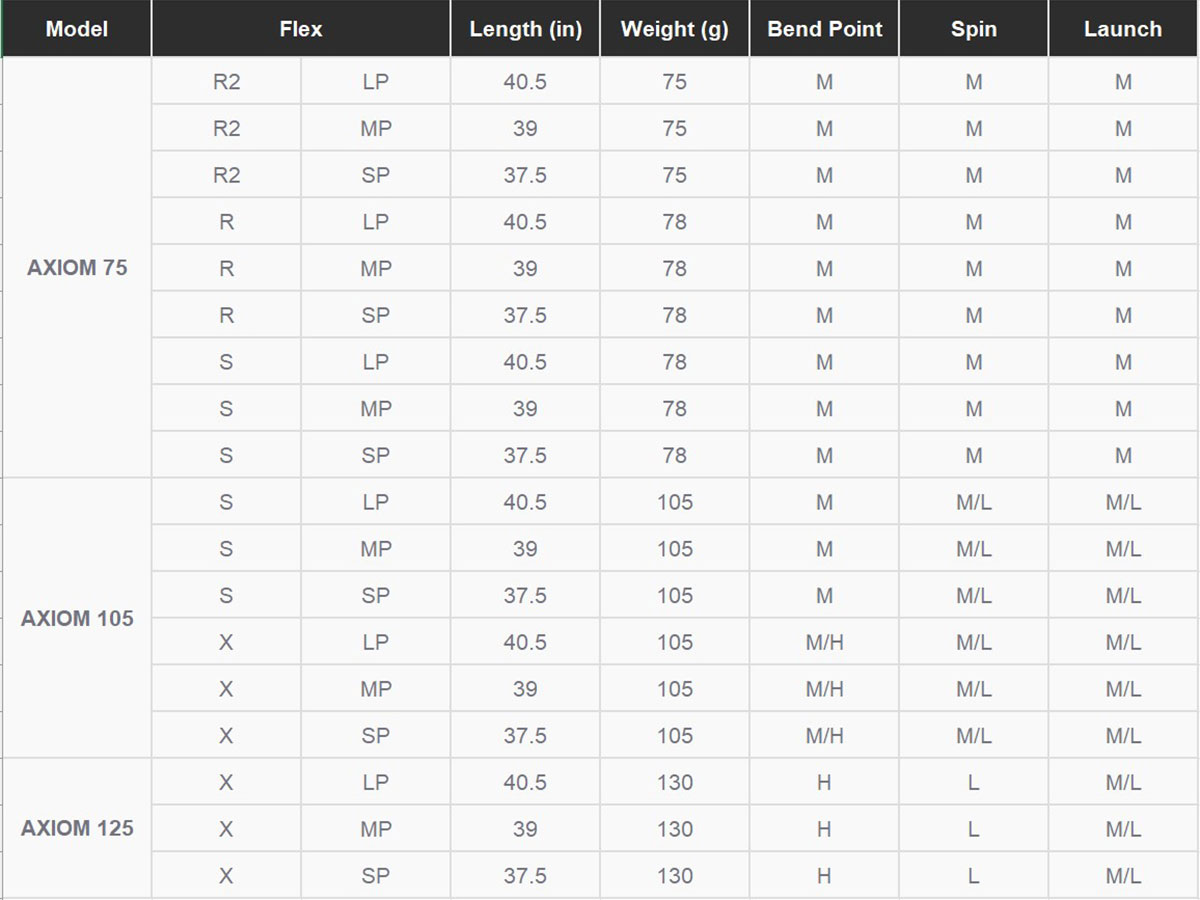
- Steel iron shaft weight for game-improvement irons: 95 to 110 grams.
- Steel iron shaft weight for better-player irons: 100 to 130 grams.
- Graphite iron shaft weight for game improvement: 70 to 95 grams.
- Graphite iron shaft weight for stability and players: 95 to 110 grams.
How to choose iron shaft weight:
- Measure swing speed and tempo. Faster speeds often match heavier iron shaft weight.
- Consider feel and control. If you need tighter dispersion, test heavier shafts first.
- Try both steel and graphite in the same weight class to compare feel.
- Check launch monitor data for ball speed, launch angle, and spin to decide.
When I fit players, I start with a baseline shaft weight based on swing speed and age. Then I test increments of roughly 5 to 10 grams heavier and lighter. That method usually finds the optimal iron shaft weight quickly.
Materials and weight distribution
Material and where weight sits in the shaft changes outcomes. Two main materials are steel and graphite.
- Steel iron shaft weight is denser, so shafts are thinner for the same weight. That often yields a consistent feel and stable tempo.
- Graphite iron shaft weight is lighter for the same stiffness, and allows weight savings that can be placed in the head or grip.
Weight distribution matters too:
- Butt-heavy shafts feel more responsive in the hands and can increase perceived head speed.
- Tip-heavy shafts feel more stable at impact and can lower launch.
- Mid-weight balance shafts aim to blend feel and control.
Manufacturers use step-down tapers, multi-material cores, and variable wall thickness to tune where mass sits. When customizing, remember changing shaft weight may require re-balancing the head or grip to maintain desirable swing weight.

Testing and fitting: practical steps
A simple testing routine helps pick the right iron shaft weight.
- Start with a trusted baseline shaft weight that matches your swing speed.
- Hit a series of shots on a launch monitor. Track ball speed, launch, spin, and dispersion.
- Swap to a shaft 5 to 10 grams lighter, then 5 to 10 grams heavier. Keep loft, lie, and head constant.
- Compare results and how each shaft felt at impact and through the swing.
On the course, play a short loop with each test setup. Range numbers are useful, but real play reveals workability, trajectory control, and confidence. I often ask players which shaft felt more consistent over six to nine holes. Consistency usually beats peak numbers.
Common mistakes and practical tips
Avoid these common errors when choosing iron shaft weight.
- Choosing solely for distance. A lighter iron shaft weight might add speed but can harm accuracy.
- Ignoring swing weight. Change the shaft without checking swing weight, and the club may feel wrong.
- Fitting only on the range. Course feedback is essential to confirm range data.
- Trusting marketing labels instead of numbers. Look at actual grams, not just model names.
- Skipping a stepwise test. Big jumps in weight can mask a shaft’s true value.
Actionable tips:
- Bring your own clubs to a fitting to compare. The same head with different iron shaft weight shows real differences.
- Record numbers and feelings. This log helps you remember which iron shaft weight improved which metric.
- Don’t assume lighter is always better. Sometimes slightly heavier iron shaft weight improves control and confidence.

Frequently Asked Questions of iron shaft weight
What is the best iron shaft weight for beginners?
Beginners often benefit from lighter iron shaft weight to help build clubhead speed and reduce fatigue. Graphite shafts in the 70 to 90 gram range are common for entry-level players.
Will a lighter iron shaft weight always give more distance?
A lighter iron shaft weight can increase clubhead speed, but distance gains depend on timing and launch conditions. If swing tempo breaks down, lighter iron shaft weight may reduce distance.
How does iron shaft weight affect accuracy?
Heavier iron shaft weight tends to stabilize the clubhead and tighten dispersion for many golfers. However, the relationship depends on swing tempo and consistency.
Can changing only the iron shaft weight change swing weight?
Yes. A lighter or heavier iron shaft weight changes overall club mass and can alter swing weight unless you adjust head or grip weight. Proper balancing is recommended after a shaft change.
Should older players use lighter iron shaft weight?
Many older players choose lighter iron shaft weight to preserve swing speed and reduce strain. Still, some prefer modestly heavier shafts for control, so testing both types is best.
How much difference does 5 grams make?
Many players notice a 5 gram change in feel and timing. The performance shift is small but can be meaningful for tempo and confidence.
Conclusion
Choosing the right iron shaft weight is about balance. Match weight to your swing speed, tempo, and control needs. Test in small steps, prioritize consistency, and use both launch data and on-course feel to decide. Try different iron shaft weight options during a fitting, take notes, and trust what produces repeatable shots. If you want better distance, accuracy, or feel, start by testing three weight options and play each for several holes to find what truly works.
If this helped, try a short fitting session or leave a comment with your swing speed and current shafts to get tailored suggestions.