How To Use A Golf Ball Marker: Quick Putting Tips
Use a golf ball marker by marking, lifting, replacing, then aligning your ball before putting.
I’ve taught and played hundreds of casual and competitive rounds, and this guide explains how to use a golf ball marker with clear steps, rules, and real tips you can trust. Read on to learn how to use a golf ball marker correctly, when to mark, etiquette to follow, and how to avoid common mistakes so you can save strokes and keep play moving.
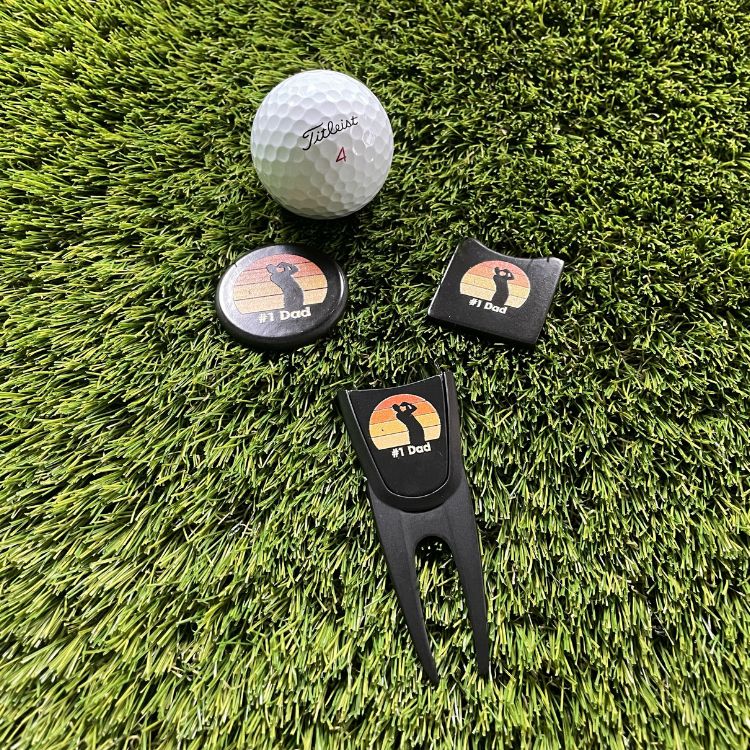
Why use a golf ball marker?
A golf ball marker is a small object used to mark the exact spot of your ball on the green. Knowing how to use a golf ball marker helps you avoid penalties, speed up play, and set up accurate putts. It also keeps you in line with the Rules of Golf and with good group etiquette.
Benefits of using a marker
- Preserve ball position when you must lift or when others need to play.
- Improve alignment and setup by marking and rotating the ball.
- Avoid disputable lies and penalties in match play and stroke play.
When use matters
- When your ball lies on the green or touches the fringe and you need to clean, align, or remove it.
- When a fellow player’s ball interferes with your line.
- When course staff or rules require lifting.

Types of golf ball markers
Markers come in many forms. Pick one that fits your style and rules needs.
Common types
- Coin-style markers: Flat and stable on the green.
- Magnetic markers: Snap to metal on caps or divot tools for storage.
- Personalized or novelty markers: Custom designs for easy ID.
- Alignment markers: Printed lines or arrows to help aim.
Pros and cons
- Coin-style is simple and cheap. It can flip in wind if thin.
- Magnetic markers are convenient but rely on a magnetic holder.
- Custom markers stand out but can be distracting to others.
How to choose
- Pick a flat, visible marker that won’t move easily.
- Choose a size you can place accurately without bending.
- Avoid overly reflective or noisy markers that distract play.

Step-by-step: how to use a golf ball marker
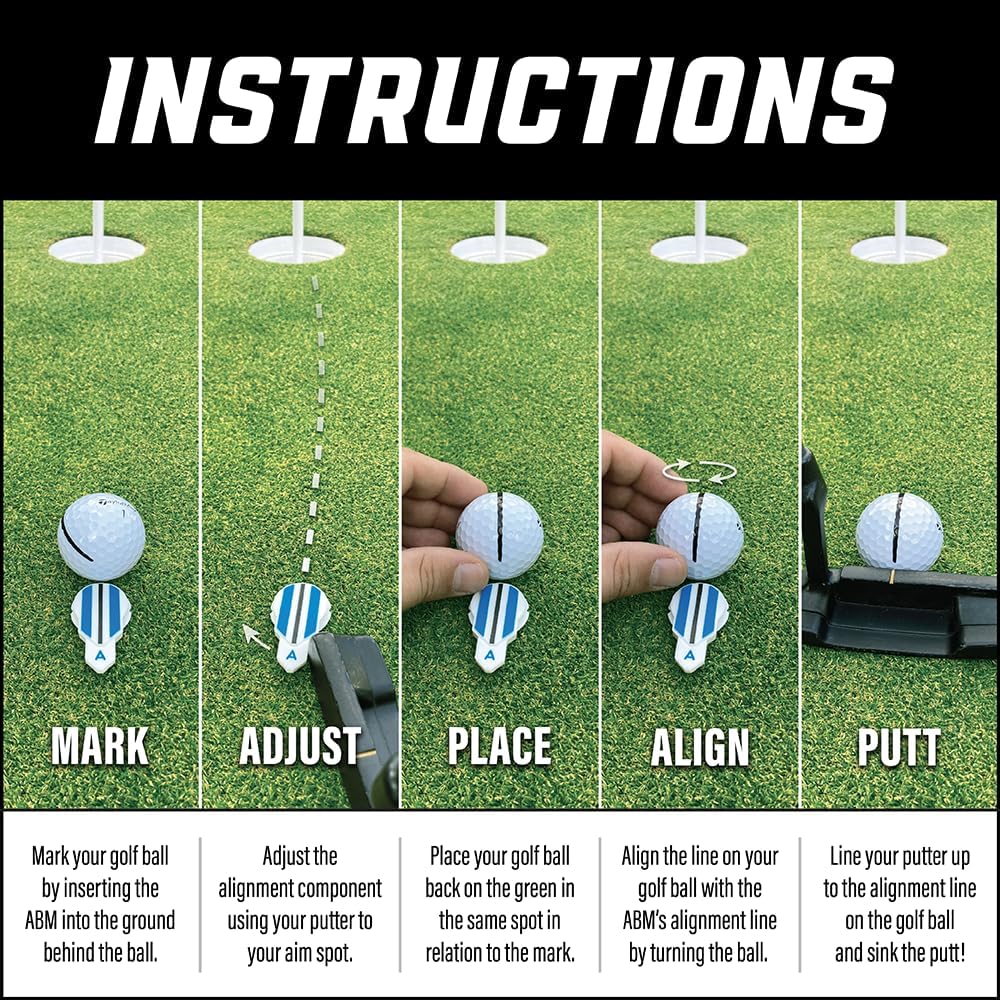
Follow these clear steps the next time you are on the green. This step-by-step process shows how to use a golf ball marker without slowing play.
- Decide if you must mark
- If the ball lies on the green, mark before you lift it.
- If it’s off the putting surface but interfering with a player, mark only when rules allow.
- Place marker precisely
- Kneel or crouch behind the ball.
- Use the marker to mark the spot directly behind or under the ball’s equator.
- Lift and clean the ball
- Lift the ball straight up to avoid changing the lie.
- Clean if allowed and dry the ball before replacing.
- Align for your putt
- Use the marker to step back and line up your putt.
- When ready, replace the ball onto the marked spot.
- Replace and remove marker
- Place ball on exactly the same spot.
- Pick up the marker once your ball is down and your turn is over.
Quick practical tips
- Keep the marker within easy reach, like attached to a hat, glove, or divot tool.
- When replacing, ensure the ball doesn’t wobble. A misaligned ball can change the line.
- If two balls are near each other, both players should mark to avoid confusion.
Personal experience
I once marked poorly and replaced the ball even a half-inch off. The putt missed. Since then I place the marker and use the ball’s dimples to realign. Simple habit change saved several shots.
:max_bytes(150000):strip_icc()/ball-marker-golf-59834cce68e1a20011eded05.jpg)
Etiquette and rules
Knowing etiquette and the rules helps keep pace and fairness. This section clarifies what to do and what not to do.
General etiquette
- Tell your group you will mark your ball to avoid confusion.
- Don’t mark another player’s ball without permission.
- Keep the green clear; remove markers quickly after replacing the ball.
Rules basics
- Under the Rules of Golf, you may mark and lift a ball on the putting green.
- You must return the ball to its original spot.
- In match play, if an opponent requests you to mark, cooperate courteously.
Common scenarios
- If your marker moves accidentally, replace it to the original spot before replacing the ball.
- If unsure about the original spot, use reference points like the hole, a blade of grass, or a nearby divot.
Common mistakes and tips
Avoid simple errors that cost strokes or create delays. Here are common mistakes and how to fix them.
Mistakes to avoid
- Not marking when required — leads to penalties and disputes.
- Replacing ball off the marker — small shifts can mislead your aim.
- Using an unstable marker — it may blow away or move.
Practical tips
- Use a larger marker in windy conditions to avoid movement.
- Mark and replace consistently the same way to build muscle memory.
- Communicate with your group: say “marking” or “I’m replacing” to prevent accidental play.
Real-life lesson
At a club tournament, a teammate used a tiny marker that blew into my line. After that, I started carrying a wider coin-style marker. It’s a small change with big payoff.
:max_bytes(150000):strip_icc()/ball-markers-rules-1500-56a3d2b83df78cf7727f6be8.jpg)
Choosing and customizing markers
A marker can be functional and personal. Here’s how to choose and customize yours.
Functional choices
- Weight: heavier markers resist wind.
- Size: visible but not cumbersome.
- Shape: flat coins are best on the green.
Customization ideas
- Add your initials to avoid mix-ups.
- Line or arrow prints help with alignment.
- Use different colors to spot your ball quickly.
Care and storage
- Keep markers in a hat, pocket, or magnetic clip.
- Replace worn markers to keep alignment consistent.

Related tools and alternatives
Markers are simple, but other tools and tricks can help.
Related items
- Divot repair tool: often includes a marker.
- Magnetic hat clip: holds marker for fast access.
- Line-drawing tools: legal up to certain rules and helpful for alignment.
Alternatives and limits
- In casual play, some players use coins, but check competition rules.
- Never use objects that alter the line or test the surface. That’s against the rules.
- Some courses ban metal coins to protect greens, so check local rules.
Frequently Asked Questions of how to use a golf ball marker
How do I mark my ball without changing its position?
Place a flat marker directly behind the ball, lift straight up, and replace the ball on the exact mark. Use a fixed reference like the hole or a blade of grass to verify position.
Can I mark my ball anywhere on the course?
You may mark a ball on the putting green. Off the green, you generally cannot mark unless local rules or your group agree. Always follow the Rules of Golf and local course rules.
What should I do if my marker moves?
If the marker moves accidentally, restore it to the original spot before replacing the ball. If you cannot determine the original spot, refer to the Rules of Golf or call a rules official.
Is it okay to use a coin as a marker?
Yes, coins are common but check tournament or course rules. Use a coin that lies flat and won’t roll in wind.
Who removes the marker after I replace the ball?
You should remove your marker immediately after replacing your ball. If you’re marking for another player at their request, allow them to remove your marker when their turn is complete.
Conclusion
Using a golf ball marker is quick, simple, and essential to fair and smooth play. Learn how to use a golf ball marker by practicing precise placement, following rules, and keeping good etiquette. Try a reliable coin-style marker and make marking a consistent habit to save strokes and speed up play. If you found this helpful, leave a comment, share your marker tips, or subscribe for more practical golf guides.