How To Tee Up A Golf Ball: Simple Tips For Better Drives
Place the tee in the ground and set the ball so its height matches the club and shot goal.
I’ve taught players of all levels and practiced countless rounds, so I know exactly how to tee up a golf ball for better contact, more consistency, and higher confidence on the tee box. This guide breaks down how to tee up a golf ball step by step, explains tee types and heights, covers common mistakes, and offers practical tips you can use right away to hit cleaner drives and more reliable tee shots.
Why teeing up matters
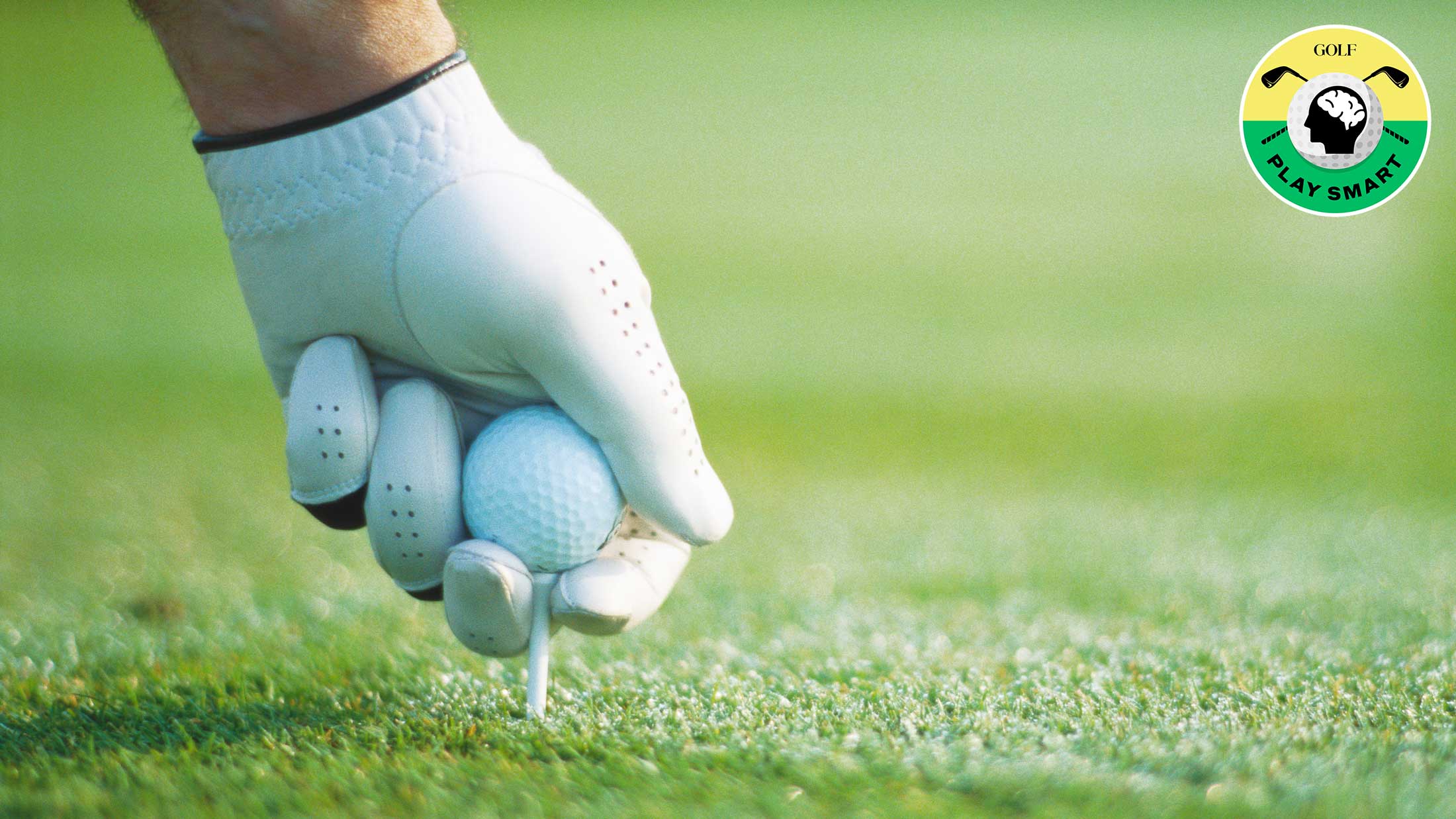
Teeing a ball right sets the stage for the entire shot. A correct tee height and position give the clubface the best chance to hit the center of the ball. Small changes in teeing can change launch angle, backspin, and direction. Learning how to tee up a golf ball saves strokes and reduces frustration.

Choose the right tee and tee height
Pick the tee type based on your club and preference. There are wooden tees, plastic tees, and adjustable tees. Wooden tees break easily but are inexpensive. Plastic tees last longer and often have shapes that help with consistent height.
Match tee height to the club. Use these simple rules when deciding how to tee up a golf ball:
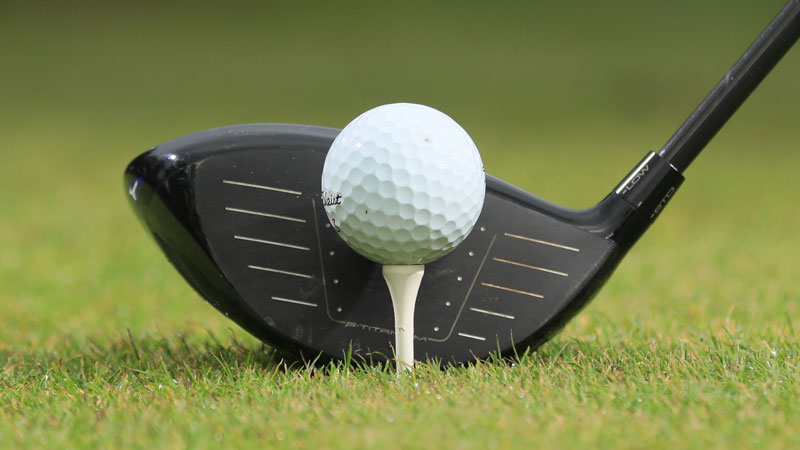
- Drivers: tee so roughly half the ball sits above the crown of the driver. This encourages upward strike and better launch.
- Fairway woods/Hybrids: tee lower so only a small part of the ball is above the club or keep it nearly flush with the ground.
- Irons: typically do not tee the ball. If allowed, use a very low tee for long irons or specialty rules.
- Wedges: do not tee unless local rules or practice calls for it.
I once played a week where I switched to a slightly shorter tee for my driver. The first two rounds were messy, then my strike pattern tightened. Small changes matter when you learn how to tee up a golf ball on a consistent tee.

Step-by-step: how to tee up a golf ball
Follow these clear steps to tee up a golf ball every time:
- Pick your tee. Choose a tee height that suits the club and shot. For most drivers, use a mid-to-long tee.
- Find soft ground. Press the tee into the turf where the ground is firm but not rock-hard. It should sit upright without wobbling.
- Position the tee. Place the tee so the ball will sit at the height you want. For a driver, aim for about half the ball above the crown. For a 3-wood, lower it so the ball is nearly flush.
- Place the ball on the tee. Set the ball on top, and gently squeeze it into the tee so it won’t blow off in wind.
- Check ball position in your stance. For a driver, the ball should be aligned with your front heel or just inside it. For long irons, move it slightly back toward center.
- Align the clubface and ball. Take your stance, set the club behind the ball, and make sure the sweet spot is aimed where you want the ball to go. Confirm height visually.
- Final check. Take a practice waggle or two and glance to ensure nothing shifted. Now commit to the shot.
Repeat these steps when you change clubs. Practicing how to tee up a golf ball this way creates muscle memory and consistency.

Ball position, stance, and alignment
Ball position affects launch and direction. Move the ball forward for higher launch and more draw tendency. Move it back for lower launch and less spin.
Stance setup tips:
- Driver: wide stance and ball near front heel helps sweep the ball up on the way through.
- Fairway woods: slightly narrower stance and ball closer to center produce a more shallow attack.
- Irons: ball in the center for solid, descending strikes.
When you practice how to tee up a golf ball, practice alignment with a club on the ground or an alignment stick. Visual cues speed up improvement.
Common mistakes and how to fix them
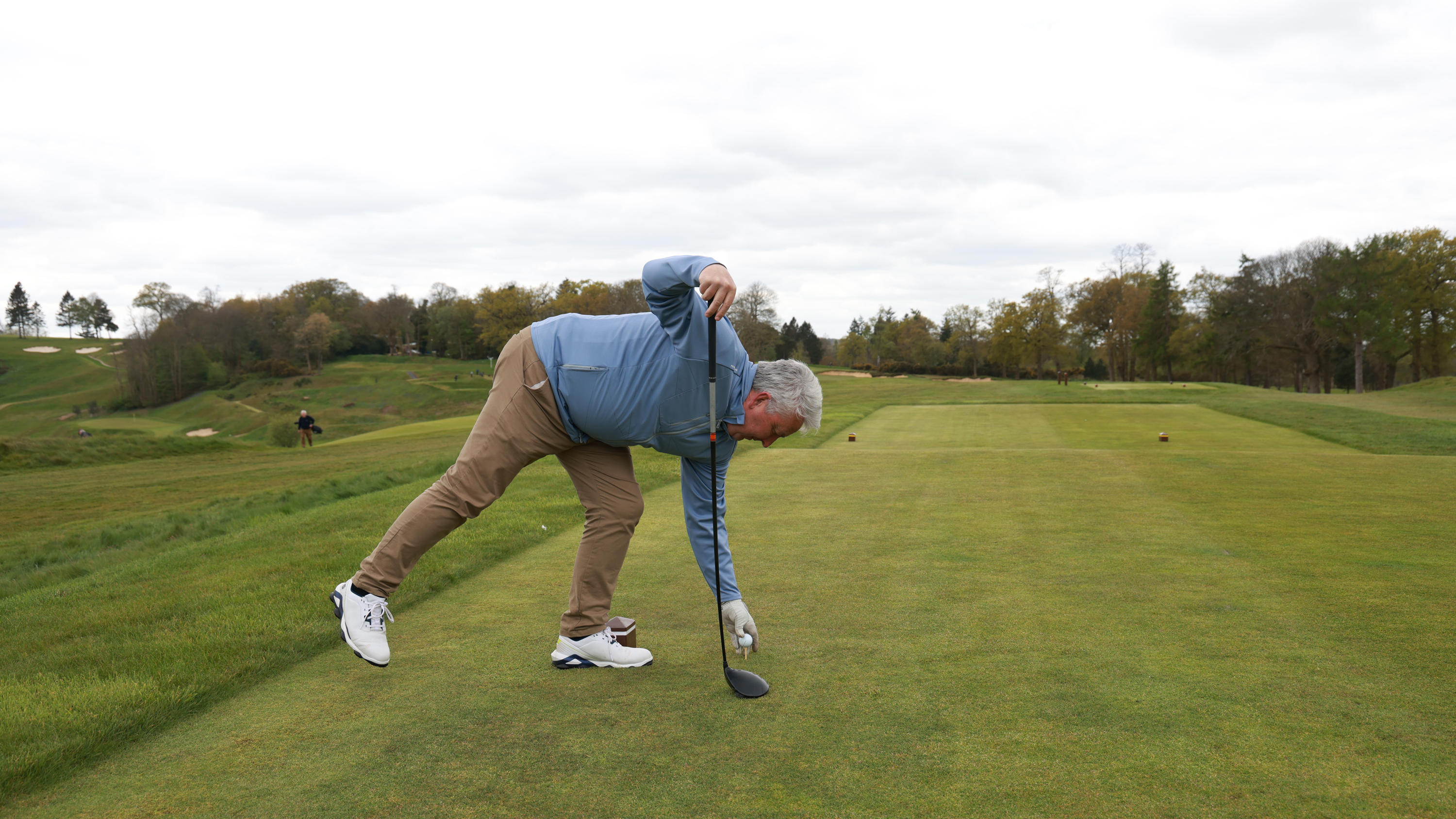
Here are errors I see often and quick fixes:
- Tee too low. Fix by raising the tee until the club connects on the upswing for drivers. You’ll get more distance and less ground contact.
- Tee too high. Lower the tee so you hit the ball with control, not the crown of the driver. High tees can cause weak fades or slices.
- Ball too far back in stance. Move the ball forward a bit for drives to encourage upward strike.
- Inconsistent tee placement. Mark a personal reference point on the tee or use a colored tee to repeat exact height.
- Wobbling tee. Press the tee deeper or choose firmer turf to keep the tee upright.
These fixes come from rounds where small adjustments saved me multiple strokes. Learning how to tee up a golf ball properly prevents avoidable mistakes.

Advanced tweaks: different clubs and conditions
Adjust how to tee up a golf ball for conditions and club specifics:
- Windy days: use a slightly lower tee to keep launch down and control ball flight.
- Soft fairways: tee a touch higher if the ground sinks; the tee may drag otherwise.
- Cold weather: ball compresses less; a slightly higher tee can help the driver find more launch.
- High-loft drivers: you may want the ball a bit lower to avoid ballooning shots.
- Shot shape goals: to encourage a draw, place the ball slightly forward and tee slightly higher; for a controlled fade, tee a touch lower.
In tournaments, I once had to move from a high tee to a low tee after the first hole revealed a crosswind. The adjustments improved my control that round. Knowing how to tee up a golf ball for conditions helps you adapt.
Equipment and rules to know
Most casual rounds do not restrict tee type, but tournament tee boxes define the playing area. Basic equipment notes:
- Use tees made of wood, plastic, or advanced materials.
- Adjustable tee systems help set consistent height.
- Practice tees or markers can speed setup.
If you play competitive golf, remember to follow local tee box boundaries and rules. Being sure about rules prevents penalties and keeps you focused on the shot.
Personal tips and lessons learned
From my experience, these practices helped me the most:
- Keep one or two reliable tee heights in your bag. I travel with two sizes for drivers and woods.
- Practice with the same tee setup you use on the course. Simulate wind and lie.
- Watch your ball flight after changes. If your ball starts popping up too high or hooking unexpectedly, recheck tee height.
- Use a colored or unique tee as a visual cue for consistent height during practice sessions.
When I switched to a routine of checking front-heel alignment and using one orange tee for all drives, my dispersion tightened. That consistency taught me how to tee up a golf ball under pressure.
Frequently Asked Questions of how to tee up a golf ball
How high should I tee my driver?
Tee your driver so about half the ball sits above the crown of the club. This encourages an upward strike for better launch and distance.
Should I tee up fairway woods?
You can tee fairway woods, but keep the tee lower than a driver setup. Aim for a flush or slightly elevated ball to allow a sweeping contact.
Can I tee up irons?
It is uncommon to tee irons in normal play. For long practice drives or certain formats, use a very low tee and focus on a descending strike.
Does tee height affect ball spin?
Yes. A higher tee height with a driver generally reduces backspin and increases launch. Lower tees can increase spin and lower launch.
What’s the best tee for consistency?
Use a durable plastic or adjustable tee and keep a consistent personal height. Marking a preferred height reduces setup variability and helps repeat your results.
Conclusion
Teeing the ball properly is a small habit with big rewards. By learning how to tee up a golf ball—choosing the right tee, setting consistent height, and aligning your stance—you’ll hit cleaner shots and score better. Start by testing one small change at a time, note the results, and make the adjustment your new routine. Try these tips on the range this week, and share your progress or questions below to keep improving.