How To Choose The Right Golf Ball: Pro Tips For Distance
Pick a golf ball that matches your swing speed, spin needs, and feel preferences.
Choosing the right golf ball can transform your game. I have tested dozens of balls on the range and in rounds, and I’ll walk you through how to choose the right golf ball with clear steps, simple tests, and real-life tips. Expect easy-to-follow guidance on construction, compression, spin, and fit so you can pick the exact ball for your swing and goals.

Understand golf ball construction and why it matters
A basic grasp of construction helps you decide which ball fits your game. The number of layers, core design, and cover material change distance, spin, and feel. Learning these parts makes it easier to answer how to choose the right golf ball.
- Core
- Affects ball speed and compression.
- Softer cores often give more feel; firmer cores can add distance for fast swings.
- Mantle or inner layers
- Control energy transfer between the core and cover.
- Help tune spin and launch.
- Cover material
- Urethane covers give more spin and feel around the greens.
- Surlyn or ionomer covers are more durable and provide less spin.
What this means for you: if you want more spin around the green, pick a urethane, multi-layer ball. If you want value and durability, choose a two-piece ionomer cover ball. These basics will guide your choice when deciding how to choose the right golf ball.
Match ball compression and spin to your swing
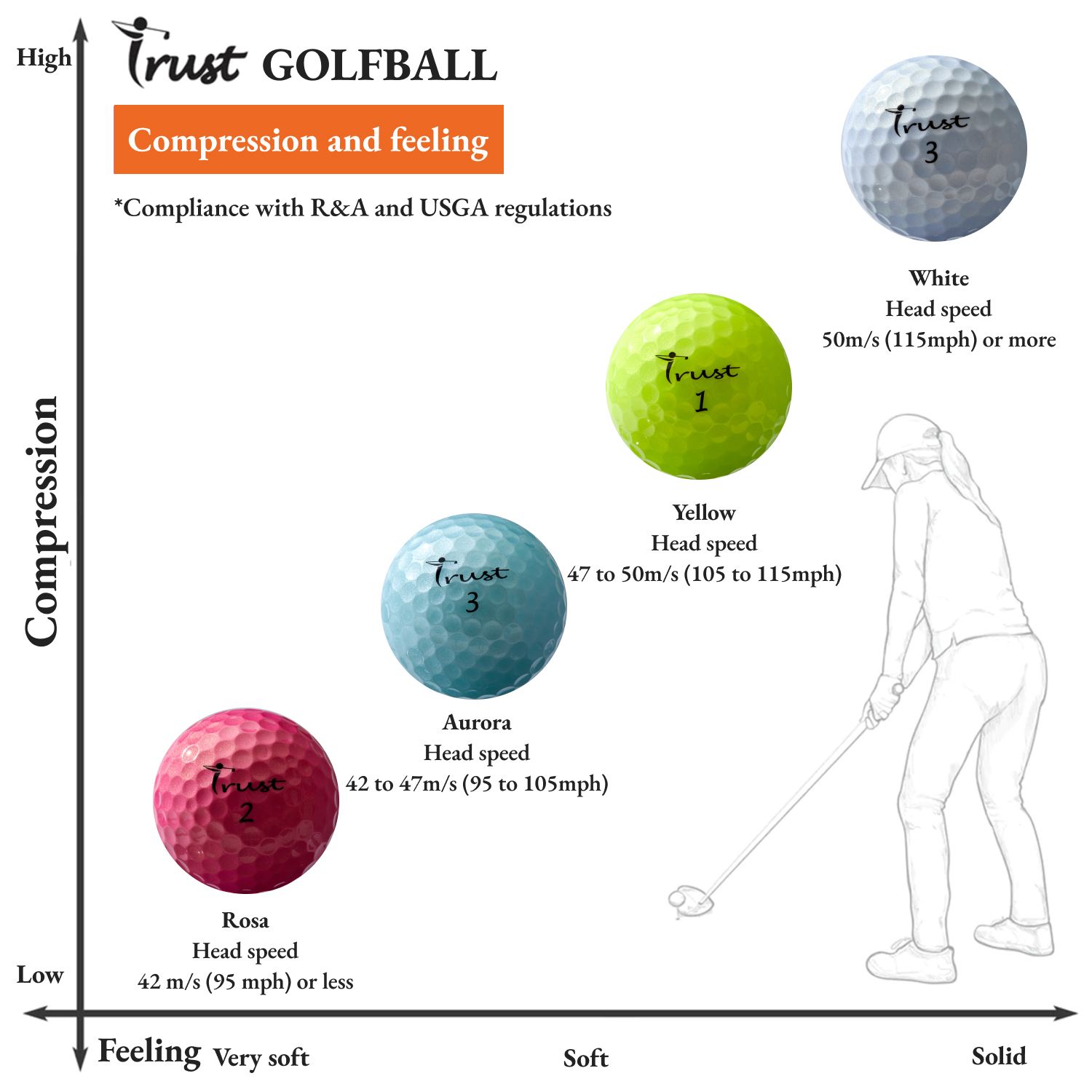
Compression and spin need to match your swing speed and tendencies. This is core to how to choose the right golf ball.
- Swing speed
- Slow to moderate swings (under 90 mph) benefit from lower compression balls.
- Faster swings (over 95 mph) can take advantage of higher-compression balls for more distance.
- Spin profile
- High spin off the driver can shorten distance. Look for lower-spin driver options if you slice or spin out.
- High spin around the greens helps control approach shots and stopping power.
- Feel preference
- Softer balls feel better on short shots and putts.
- Firmer balls can feel clicky but may roll farther on long shots.
Personal note: I once switched from a high-spin, soft ball to a lower-spin, firmer model after fighting a ballooning ball flight. Distance and confidence improved immediately. Use swing-speed tests or a launch monitor to match compression when deciding how to choose the right golf ball.

Prioritize performance: distance, control, or feel?
Your priorities determine which ball to pick. Be honest about what you need most. This clarity is central to how to choose the right golf ball.
- Distance
- Two-piece balls with firm cores and low spin help maximize length off the tee.
- Control
- Multi-layer urethane balls are best for stopping power and shaping shots.
- Feel
- Soft-core balls give better feedback on chips and putts.
Example: A mid-handicap player who wants more greenside control should move from a distance-focused two-piece ball to a 3- or 4-piece urethane ball. Testing shows trade-offs: increased short-game spin sometimes costs a few yards off the tee. Decide what matters most and pick accordingly.

How to test and fit your ball (simple steps)
A short, focused test beats guessing. Use this plan to refine your choice and learn how to choose the right golf ball for your game.
- Gather 3–4 candidate balls that match your needs.
- Hit 10 drives and 10 approach shots with each ball on the range.
- Record feel, dispersion, distance, and greenside spin.
- If possible, use a launch monitor for ball speed, spin rate, and launch angle.
PAA-style question: What ball should beginners use? Try a durable, low-cost two-piece ball with low spin to gain distance and reduce side spin.
PAA-style question: Do expensive balls improve scores? They can for players who need spin control and feel; beginners may not see value from premium balls.
I recommend logging results in a simple notebook. Over several sessions you’ll see consistent differences. This hands-on approach is the most practical way to decide how to choose the right golf ball.

Common mistakes and practical tips
Avoid easy errors that waste money and time. These tips show how to choose the right golf ball without common pitfalls.
- Buying the fanciest ball first
- Test before upgrading. Premium balls can be a downgrade if they don’t match your swing.
- Ignoring weather and turf
- Soft, wet turf calls for higher spin; firm, dry turf benefits distance and roll.
- Sticking to one ball forever
- Reassess twice a season or after a swing change.
- Overvaluing brand over fit
- Brand prestige doesn’t replace proper fit.
Personal anecdote: I once bought a tour-level ball after a demo day. It cost a lot and felt great, but my mid-iron distances dropped. After testing, I returned to a mid-tier ball and played better. Learn from that: test and match, not shop by name, when you decide how to choose the right golf ball.
Buying guide: picks by handicap and budget
This quick guide helps you narrow options fast. Use it when selecting how to choose the right golf ball.
- Beginners and high handicaps (20+)
- Two-piece, low-cost, durable balls with low spin for distance and forgiveness.
- Mid-handicap (10–20)
- 3-piece balls that balance distance and greenside control.
- Low handicap (0–10)
- Multi-layer urethane balls that maximize spin control and feel.
- Budget tips
- Buy a sleeve of premium balls to test before committing to a box.
- Consider refurbished or practice balls for range sessions.
Remember to test in real rounds, not just the range. Performance under pressure reveals what the label won’t. This testing habit is part of smart decision making for how to choose the right golf ball.
Frequently Asked Questions of how to choose the right golf ball(make it h2 tag)
Which ball type gives the most distance?
Two-piece balls with firm cores and low spin usually give the most distance off the tee. They trade short-game spin for longer drives.
How do I match compression to my swing?
Measure your swing speed. Slower speeds benefit from low-compression balls; faster swings can use higher-compression models for more efficient energy transfer.
Will changing balls improve my scores?
Yes, if the new ball fits your swing and priorities. Many players see better distance or control after switching to a ball that matches their needs.
Are colored or high-visibility balls worth it?
They can help you find balls faster and boost confidence. Color does not change performance, though some coatings slightly affect feel.
How often should I re-evaluate my ball choice?
Reassess after major swing changes, equipment updates, or twice a season. Regular testing keeps your ball aligned with your current game.
Conclusion
Choosing the right golf ball is about match, test, and priorities. Know your swing speed, decide between distance or control, and test a few models in real play. Small changes in ball choice can yield big gains in confidence and scoring. Try a short, focused test this week, track results, and make a choice that fits your goals. If this guide helped, leave a comment with your favorite ball or subscribe for more gear tips and testing notes.