How To Stop Chunking The Golf Ball: Fix Your Fat Shots
Stop chunking by improving setup, shallow angle, and consistent tempo—simple drills fix most cases.
I’ve taught and fixed chunk shots for players of all levels, and I’ll walk you through why chunking happens and exactly how to stop chunking the golf ball. This guide blends clear mechanics, drills I’ve used on the range, simple practice plans, and course tips so you can remove chunking from your game faster and with less frustration.
What chunking the golf ball means and why it happens
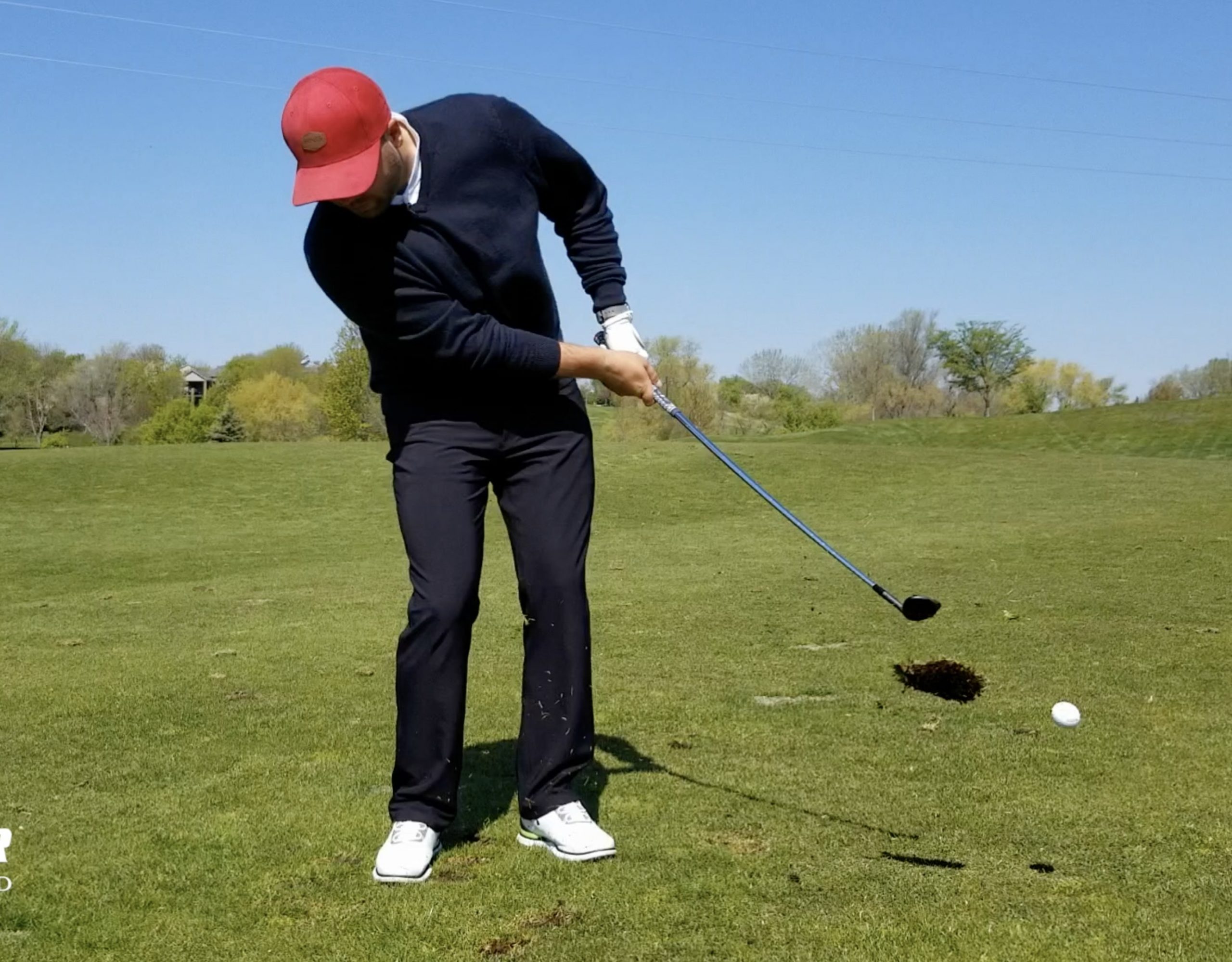
Chunking the golf ball means hitting the ground before the ball and leaving a fat shot that loses distance and control. It often feels like the club “stops” in the turf or the hands get ahead of the club at impact.
Common causes are poor setup, early weight shift, steep or over-the-top swings, and deceleration through the ball. When you want to stop chunking the golf ball, you must address setup, swing bottom, and tempo together. I learned this after coaching dozens of players who fixed their chunking with the same three changes.
Fix your setup to prevent chunks
A bad setup makes chunking much more likely. Simple, repeatable setup beats fancy fixes.
- Ball position — Place the ball slightly back of center for mid- to short-irons and center for longer clubs. A ball too far back invites hitting the ground first.
- Weight and posture — Keep weight balanced just slightly on the front foot and spine tilted forward from the hips. Avoid standing too upright or leaning back.
- Hands and shaft tilt — Hands should be slightly ahead of the ball at address for short shots. This encourages a descending strike without digging.
- Grip pressure — Hold the club with a moderate, relaxed grip; squeezing tight makes the wrists lock and can cause a chunked shot.
Practice one setup point at a time. When I coach beginners, I start with ball position and weight only. Small setup tweaks often stop chunking by themselves.

Fix your swing mechanics to stop chunking the golf ball
A few swing changes prevent the club from digging too deep.
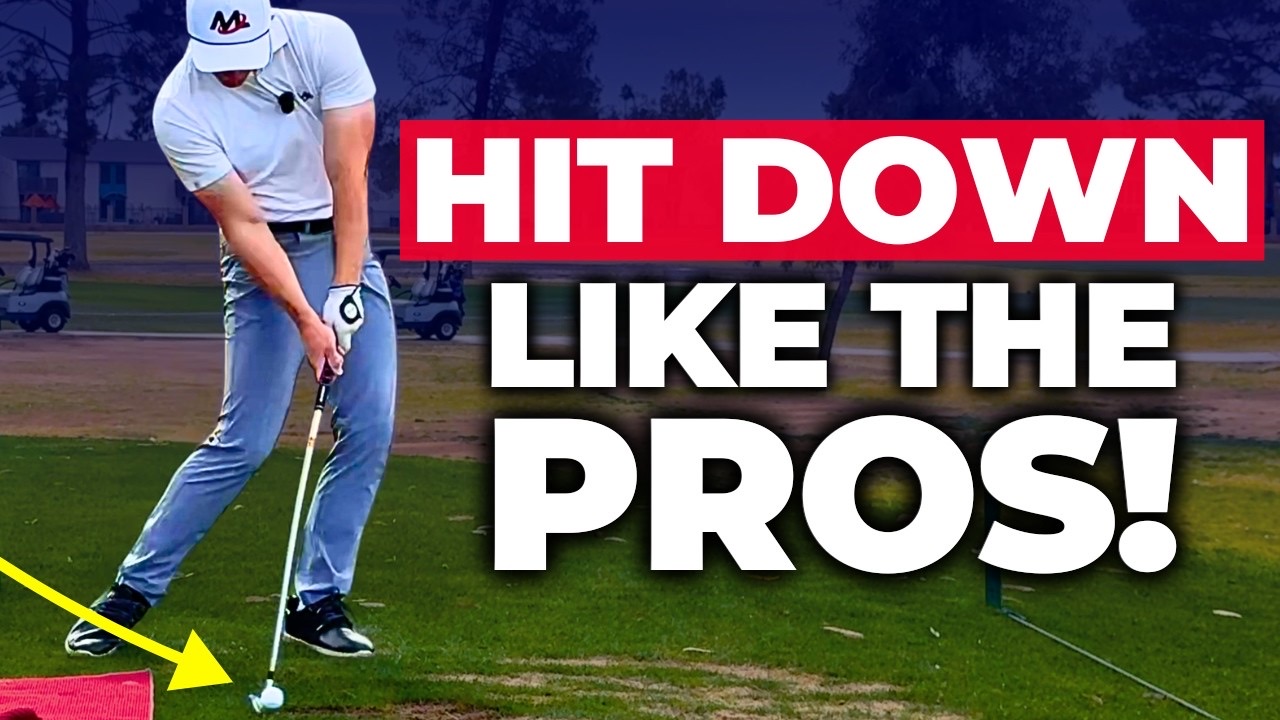
- Maintain a shallow downstrike — Think sweep then compress. The club should descend at a shallow angle into the ball.
- Avoid early extension — Keep your hips moving toward the target through impact. Standing up forces the club to hit the turf too early.
- Release and acceleration — Swing through the ball with intent. Decelerating to “hit” the ball makes the club bottom early.
- Keep your hands and arms working as a unit — Collapsing the wrists before impact causes the club to dip.
I once worked with a mid-handicap player who fixed chunking by simply feeling like he rotated his chest through impact instead of pulling with his hands. He stopped chunking in three practice sessions. These feel-good cues help you rebuild muscle memory.
Quick questions golfers ask (PAA-style)
Why do I chunk only with certain clubs?
Chunking often appears with higher-lofted clubs because the ball is played slightly back and the attack angle is steeper. Adjust ball position and shallow your angle of attack for those clubs.
Can posture alone stop chunking?
Posture is a big factor. Fixing early extension and keeping a forward tilt through impact removes the body move that often causes chunks.
How much does weight shift affect chunking?
Large or late weight shifts toward the back foot encourage fat shots. A smooth shift to the lead foot through impact promotes a clean strike.
Simple drills that stop chunking fast
Drills build reliable feel and give clear feedback. Try each drill slowly, then speed up.
- Tee drill — Place a tee 1–2 inches in front of the ball (just off the ground). The goal is to miss the tee after ball contact. This trains a shallow, ball-first strike.
- Line-on-turf drill — Put a towel or alignment stick just behind the ball. Practice hitting shots without touching the towel. It forces you to hit the ball first.
- Foot wedge drill — Stand with your front foot slightly closed and press into the ground at impact. This encourages weight to move forward and stops early lifting.
- Slow-motion impact drill — Make half swings focusing on hip rotation and hands working together. Feel the bottom of the swing after the ball.
- One-handed drill — Hit short chips with your lead hand only. This teaches release and prevents flipping.
Do each drill in short 5–10 minute blocks. I use the tee drill as my go-to; it gives clear instant feedback and stops chunking in most cases.

Equipment, turf interaction, and course management
Sometimes chunking is aggravated by gear or conditions. Fix these to reduce mistakes.
- Club choice — Higher-loft clubs have steeper faces; play a club you can shallow for the lie.
- Grooves and sole grind — Worn grooves or a sole that digs can encourage chunking. Keep wedges clean and matched to your swing.
- Ball lies — Tight, bare turf can steal the club’s bounce and cause a fat shot. If the lie is tight, pick a fuller swing or use a sweeping motion.
- Tees and fairway texture — On soft turf, take a slightly shallower angle and trust your hands more to remove turf contact.
On windy or wet days, aim to play more controlled swings and focus on the strike rather than max distance. I once switched to a lower-lofted club off the fairway and avoided chunks all day.

Mental game, tempo, and a simple practice plan
A calm mind and steady tempo stop nervous deceleration that causes chunks.
- Pre-shot routine — Use the same routine to set posture, alignment, and tempo. A 3-4 step routine calms the body.
- Tempo drills — Count “one-two” on your swings. A steady rhythm keeps your hands from grabbing at the ball.
- Practice plan — Work 3 times a week: 10 minutes of setup focus, 15 minutes of drills, 15 minutes of on-course simulations. Track misses and adjust one variable at a time.
- Video feedback — Record your swing to spot early extension, steep downswing, or weight leaks.
From experience, players who add a tempo cue and a short routine get rid of chunking faster than those who only change mechanics. Trust the process and practice with intent.
Common mistakes to avoid when you try to stop chunking
Avoid these repeating errors that undo progress.
- Changing too many things at once — Fix one thing, practice, then add another change.
- Trying to lift the ball with hands — That causes flipping and chunking. Use body rotation.
- Ignoring setup — Players spend hours on the range but never fix ball position or posture. That wastes time.
- Over-drilling without speed — Drill slowly to build correct feel before swinging full speed.
I once saw a player switch grips, ball position, and backswing path in one lesson. The confusion made chunking worse. Simple, steady fixes work best.

Frequently Asked Questions of how to stop chunking the golf ball
How quickly can I stop chunking the golf ball?
Most players see improvement in a few practice sessions if they focus on setup and one drill. Consistent practice and feedback speed up the change.
Will changing my grip pressure stop chunking?
Reducing grip tension helps, but grip pressure alone rarely fixes chunking. Combine a lighter grip with setup and swing changes for best results.
Are wedges more likely to cause chunk shots?
Yes, higher-lofted clubs can encourage chunking because they need a steeper attack. Adjust ball position and shallow your swing for wedges.
Should I use a different club when I keep chunking?
Temporary club changes can help on the course, but long-term improvement comes from fixing technique and practice drills. Use a different club only when needed.
Is chunking the ball caused by poor fitness or flexibility?
Limited mobility can contribute, especially with early extension or poor rotation. Simple mobility work and warm-ups often reduce chunks.
Conclusion
Fixing chunking means combining a repeatable setup, a shallow, accelerating downswing, targeted drills, and steady tempo. Start small: correct one setup fault, practice a focused drill, and build your tempo. Track progress and be patient—most golfers see clear gains within weeks of deliberate practice.
Get out and try one drill today, record a short swing, and share your results or questions below. Subscribe or leave a comment to keep learning and beat chunking for good.