How To Start A Golf Simulator Business: Quick Profit Guide
Start a golf simulator business by planning, choosing the right tech, securing space, and selling experiences.
I’ve built and consulted on indoor golf ventures, and I’ll walk you step-by-step through how to start a golf simulator business. This guide covers market fit, costs, equipment, space design, operations, marketing, and common pitfalls. You’ll get practical tips, real-life lessons, and checklists you can use today to move from idea to open doors.

Market overview and opportunity for a golf simulator business
The demand for indoor golf experiences keeps growing. Players want year-round practice, social play, and coaching in a controlled setting. As golf becomes more casual and tech-savvy, a golf simulator business can serve serious players, beginners, corporate groups, and families.
A good location can pull golfers and non-golfers alike. Mixed-use centers, retail corridors, and urban entertainment districts work well. Think of your venue as part tech studio and part social hub.
Who pays for simulators? Golfers pay for practice time and lessons. Groups pay per session for parties and corporate events. Subscription models and leagues add steady revenue. This mix improves margins.
Why now is a good time to start: simulator tech is more accurate and affordable. Customer familiarity with virtual experiences is rising. If you want to learn how to start a golf simulator business that lasts, understanding the market is step one.
Step-by-step startup plan: how to start a golf simulator business
Start with a clear plan. Follow these steps to move from idea to opening day.
-
Business concept and niche
- Decide if you will focus on coaching, entertainment, events, simulator retail, or a hybrid. Your niche shapes pricing, equipment, and marketing.
- Example niches: coaching studio, family entertainment center, corporate event space, or combo bar + simulator lounge.
-
Market research and validation
- Visit local courses, indoor labs, and competitors. Note prices, capacity, and customer mix.
- Run a simple survey with local golfers. Ask about pricing, preferred hours, and desired services.
-
Create a business plan
- Include an executive summary, target market, services, pricing, staffing, and three-year financials.
- Model conservative, likely, and optimistic revenue scenarios.
-
Legal & finance setup
- Choose an entity (LLC, S-corp). Register the business and get necessary licenses.
- Open a business bank account and set up accounting software. Plan for lines of credit or small business loans.
-
Location scouting and lease negotiation
- Look for 800–3,000 sq ft for a single bay venue, or 3,000–10,000+ sq ft for multi-bay centers.
- Negotiate tenant improvements and rent abatement. Bring an estimate for build-out to the landlord talk.
-
Technology and vendor selection
- Test multiple simulator systems before buying. Check for accuracy, software library, and warranty.
- Decide if you will lease equipment, buy used, or buy new.
-
Build-out and design
- Design the space for safety, sightlines, and comfort. Plan lighting, flooring, and sound control.
- Add a front desk, small retail area, and F&B if you plan to serve food.
-
Hiring and training
* Hire staff for customer service, coaching, and operations. Train thoroughly on the simulator software and hardware.- Cross-train staff for busy days and events.
-
Marketing and soft launch
- Build a simple website with booking. Use local ads, social content, and partnerships with golf clubs.
- Run a soft opening with friends and influencers to collect feedback.
Each of these steps helps you answer the core question of how to start a golf simulator business in a way that is practical and realistic.

Cost breakdown and expected financials
Getting costs right helps you avoid surprises. Here’s a realistic breakdown.
-
One-bay startup (small studio)
- Simulator hardware and software: $10,000–$40,000
- Screen, impact pad, and enclosure: $2,000–$8,000
- Rent deposit and build-out: $5,000–$25,000
- Furniture, POS, and marketing: $2,000–$8,000
- Total estimate: $20,000–$80,000
-
Multi-bay center (3–6 bays)
- Simulator hardware and software: $60,000–$250,000
- Build-out and partitions: $30,000–$150,000
- F&B, HVAC upgrades, and permits: $20,000–$100,000
- Total estimate: $150,000–$600,000+
Revenue assumptions vary by model. Many studios price hourly sessions at $30–$80 per bay. Coaching, leagues, and memberships boost lifetime value. Expect 12–24 months to reach stable cash flow if you execute well.
Return on investment depends on location, utilization, and additional revenue streams. Keep a 6–12 month cash reserve for slow months.
Choosing equipment and technology
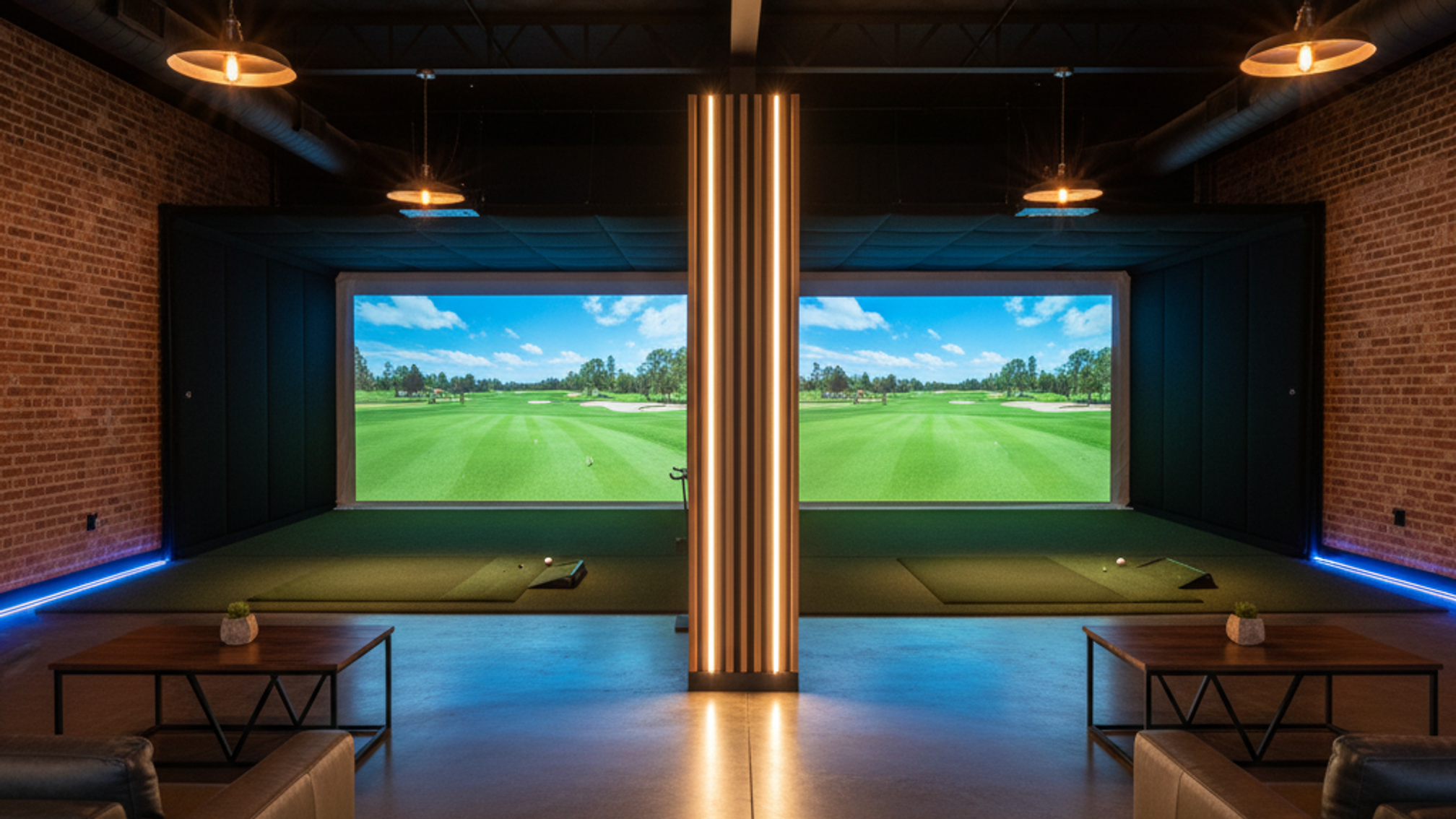
Selecting the right gear is central to success. The tech shapes the user experience and the costs.
What to evaluate
- Accuracy and ball-tracking methods. Systems use cameras, radar, or infrared. Choose tech suited to your target customers.
- Course library and software features. Look for club analysis, practice modes, and multiplayer options.
- Hardware durability and support. Choose vendors with strong service plans and spare parts.
- Integration with booking and POS systems. Seamless booking reduces friction.
Setup tips
- Test systems in real conditions. Bring experienced golfers to trial sessions.
- Consider a modular approach: start with one high-quality bay, then scale.
- Keep warranties and service contracts in writing. Plan for a backup laptop or tablet.
From my experience, a slightly higher initial spend on reliable equipment reduces downtime and drives better reviews.
Location, design, and space planning
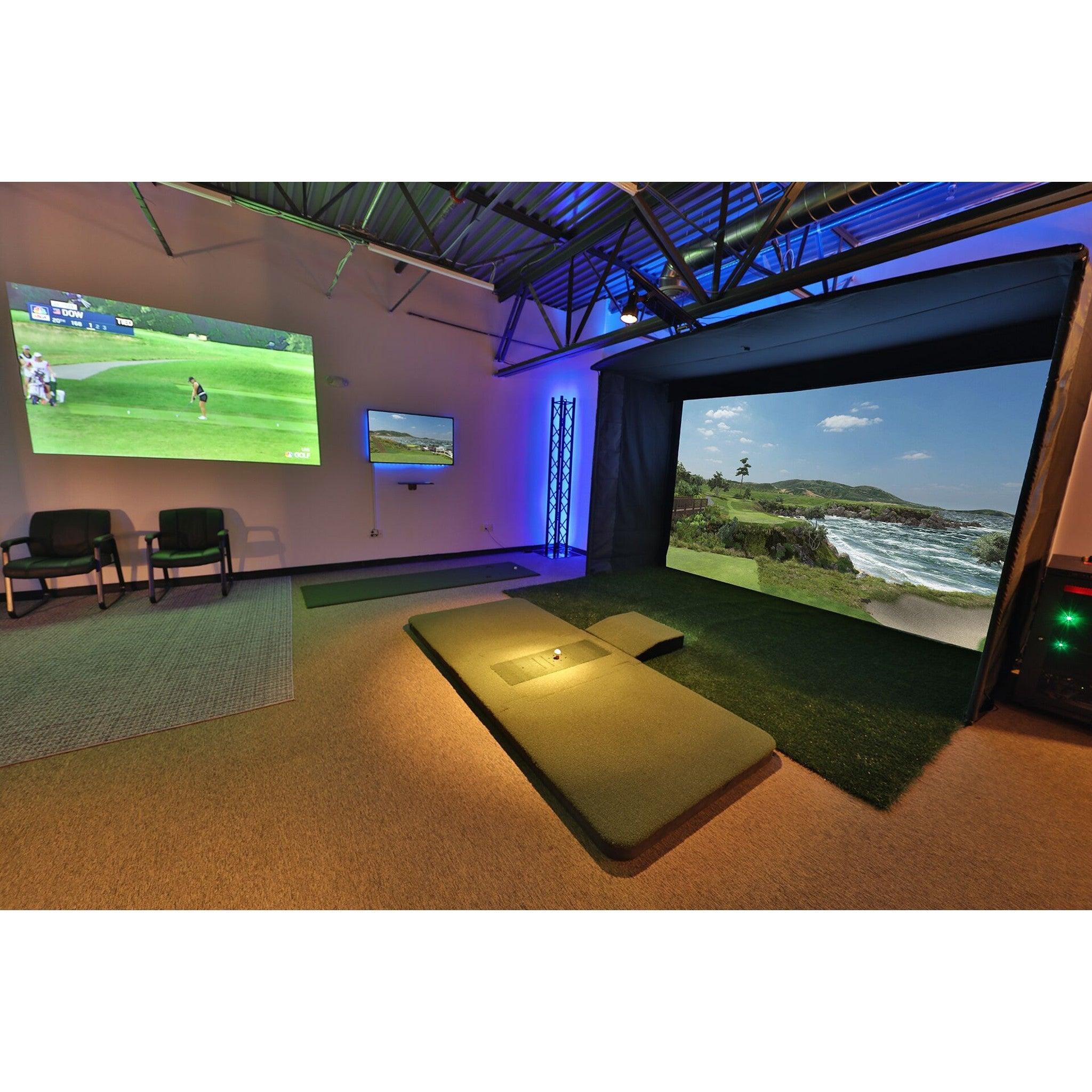
Design impacts both cost and customer experience. Plan the space around comfort and flow.
Space needs
- Single-bay: 12–16 ft wide and 18–24 ft deep.
- Multi-bay: Bays divided by netting or partitions. Add common lounge and reception.
- Ceiling height: Minimum 9–10 ft for comfortable play.
Design priorities
- Sightlines and safety. Place bays so flights don’t risk people walking by.
- Acoustics. Use sound panels to keep noise manageable.
- Lighting. Use dimmable lights around bays and brighter lights in reception.
- Accessibility. Make sure the layout meets local accessibility codes.
A clean, inviting space helps justify premium pricing. I once reworked seating to improve sightlines and saw bookings rise by 20% in two months.

Operations, staffing, and customer experience
Smooth operations make repeat customers. Focus on training and simple systems.
Daily operations
- Booking system should allow online reservations and payments.
- Standard opening and closing checklists protect your equipment.
- Regular maintenance schedule prevents downtime.
Staffing and roles
- Host or manager to greet customers.
- Coach or simulator expert for lessons and tech issues.
- Part-time staff for events and peak hours.
Customer experience tips
- Offer brief onboarding at first visit. Show how to start a session and safety rules.
- Create packages: lessons, party packages, corporate rates, and memberships.
- Use feedback loops. Ask for short reviews and act on common issues.
Personal note: small gestures like offering a short club-fitting trial during visits brought several customers into coaching packages.

Marketing and growth strategies
A good marketing plan brings traffic. Use a mix of tactics to reach local customers.
Local marketing
- Google Business Profile to show hours and location.
- Local ads and sponsored events at golf clubs and driving ranges.
- Partner with coaches and golf shops for cross-promotion.
Digital marketing
- SEO: optimize pages for terms like how to start a golf simulator business (yes, include the phrase in blog posts and landing pages to capture search intent).
- Social media: post short clips of play, lessons, and events.
- Email: send monthly newsletters with specials and league results.
Promotions that work
- Free trial hours for first-time bookers.
- League nights and tournaments to build community.
- Corporate packages for team events and client entertainment.
Track conversion metrics. Know your cost per booking and customer lifetime value. Reinforce what works and stop what doesn’t.
Common pitfalls and how to avoid them
Knowing mistakes ahead saves money and stress. Here are frequent traps and fixes.
-
Underestimating build-out costs
- Fix: Get multiple quotes and add a 15–25% contingency.
-
Choosing tech by price alone
- Fix: Test systems for accuracy and user feel with real golfers.
-
Poor booking and scheduling setup
- Fix: Use proven booking software and set clear cancellation rules.
-
Ignoring local regulations and permits
- Fix: Consult local zoning and health departments early.
-
Weak customer onboarding
- Fix: Create a short welcome process that reduces confusion and equipment misuse.
Learning from mistakes is crucial. I once underbudgeted for HVAC upgrades and had to pause operations for repairs. Plan for hidden costs.
Frequently Asked Questions of how to start a golf simulator business
What is the first step to start a golf simulator business?
Start with market research and a clear business plan that outlines services, pricing, and costs. Validate demand with surveys and local conversations.
How much does it cost to open a golf simulator business?
Costs vary widely. Expect $20,000–$80,000 for a one-bay studio and $150,000+ for a multi-bay center.
What equipment do I need to start?
At minimum you need a simulator unit, impact screen, hitting mat, computer/tablet, and reliable internet connection. Add spare parts and service contracts.
How do I price simulator sessions?
Price based on local demand, cost per hour, and competitor rates. Typical rates range from $30–$80 per hour, with discounts for memberships and off-peak times.
How long until a simulator business becomes profitable?
Profitability often takes 12–24 months, depending on location, utilization, and additional revenue streams like lessons or F&B.
Can I run a golf simulator business part-time?
Yes. Many start part-time to test the market. Part-time can work if you keep hours consistent and manage bookings tightly.
Conclusion
You can build a successful golf simulator business with smart planning, the right tech, and strong local marketing. Focus on customer experience, reliable equipment, and clear pricing. Start small, test assumptions, and scale when demand is proven. Take one step today: draft a short business plan or book demos with two simulator vendors to compare options. If you have questions or want help with a plan, leave a comment or subscribe for more guides.