How To Loosen Puma Disc Golf Shoes: Easy Fit Guide
Puma Disc golf shoes use a dial-based closure system instead of normal laces. This system can feel tight when you first wear it, after a round in wet weather, or when your foot swells during a long walk. Learning how to loosen Puma Disc golf shoes takes only a few simple steps, but the right method matters if you want to protect the dial, wire, and shoe upper.
The key is to turn the Disc dial in the release direction and lift the dial when you need more room. Do not yank the wire or force the dial while standing with your full weight on the shoe. A slow release works better, especially for beginners, juniors, seniors, and golfers with stiff fingers or sensitive feet.
This guide explains how the Puma Disc system works, how to loosen it before and during a round, what to do when the dial sticks, and how to adjust the fit for walking, riding, wet grass, heat, and different foot shapes. It also covers care, safety, golf performance, and common mistakes.

Quick Answer: How to Loosen Puma Disc Golf Shoes
To loosen Puma Disc golf shoes, turn the Disc dial in the release direction, usually counterclockwise, until the wire tension drops. For a faster release, pull the dial upward if your model uses a pull-to-release design. Then lift your heel, slide your foot back, and adjust the shoe by hand. Check the markings on your exact shoe because Disc systems can vary by model.

If the dial does not release, stop turning it with force. Remove your foot if possible, brush away dirt, and gently work the dial while holding the shoe steady. A stuck dial may need cleaning or professional inspection.
| Action | What to do | Why it helps |
|---|---|---|
| Normal release | Turn the dial in the marked release direction | Reduces wire tension |
| Quick release | Pull the dial upward if the model allows it | Opens the closure faster |
| Final adjustment | Spread the tongue and lift the heel | Gives the foot more room |
The most important takeaway is simple: release tension before pulling your foot out. This protects the closure and reduces pressure on your toes, instep, and heel.
Why Proper Loosening Matters on the Golf Course
Proper loosening helps your feet stay comfortable and your shoes work as designed. A golf round may last several hours, and walking golfers can cover many miles. Your feet may swell in heat, feel stiff in cold weather, or change shape after repeated hills and uneven lies.
A shoe that is too tight can create hot spots, numb toes, heel pain, blisters, or pressure across the top of the foot. It can also affect your stance and balance. When your foot feels trapped, you may shift your weight, lift your heel, or change your posture during the golf swing.
For beginners, comfort is part of learning. It is hard to focus on grip, stance, posture, backswing, downswing, tempo, and impact when your feet hurt. Improving amateurs may notice the issue more during a walking round, a practice session, or a day with extra chipping and putting.
Seniors and golfers with arthritis, diabetes, circulation concerns, or past foot injuries should pay close attention to pressure. Parents should also check junior golfers’ shoes during a round because children may not speak up when a shoe feels tight.
Walking Versus Riding
Walking places more repeated load on the foot than riding in a cart. Each step can press the forefoot into the front of the shoe, especially while climbing a hill or walking through rough. A slightly flexible fit may feel better for walking, while a stable fit can feel more secure during a swing.

Cart golfers still need proper adjustment. A tight shoe can hurt during the swing, and a loose shoe can let the foot slide inside the shoe. That movement may reduce stability during a bunker shot, pitch, or full swing.
| Golf situation | Fit priority | Loosening advice |
|---|---|---|
| Long walking round | Room for natural foot swelling | Recheck the dial after warm-up |
| Cart round | Stable heel and midfoot | Use light tension, not maximum tension |
| Practice range | Comfort during repeated swings | Loosen between sessions |
| Hot weather | Extra room for swelling | Avoid tightening the shoe too early |
A good fit should feel secure without feeling like a clamp. If you have to ignore pain to finish a round, the shoe is too tight or the foot needs medical attention.
Understand the Puma Disc Closure System
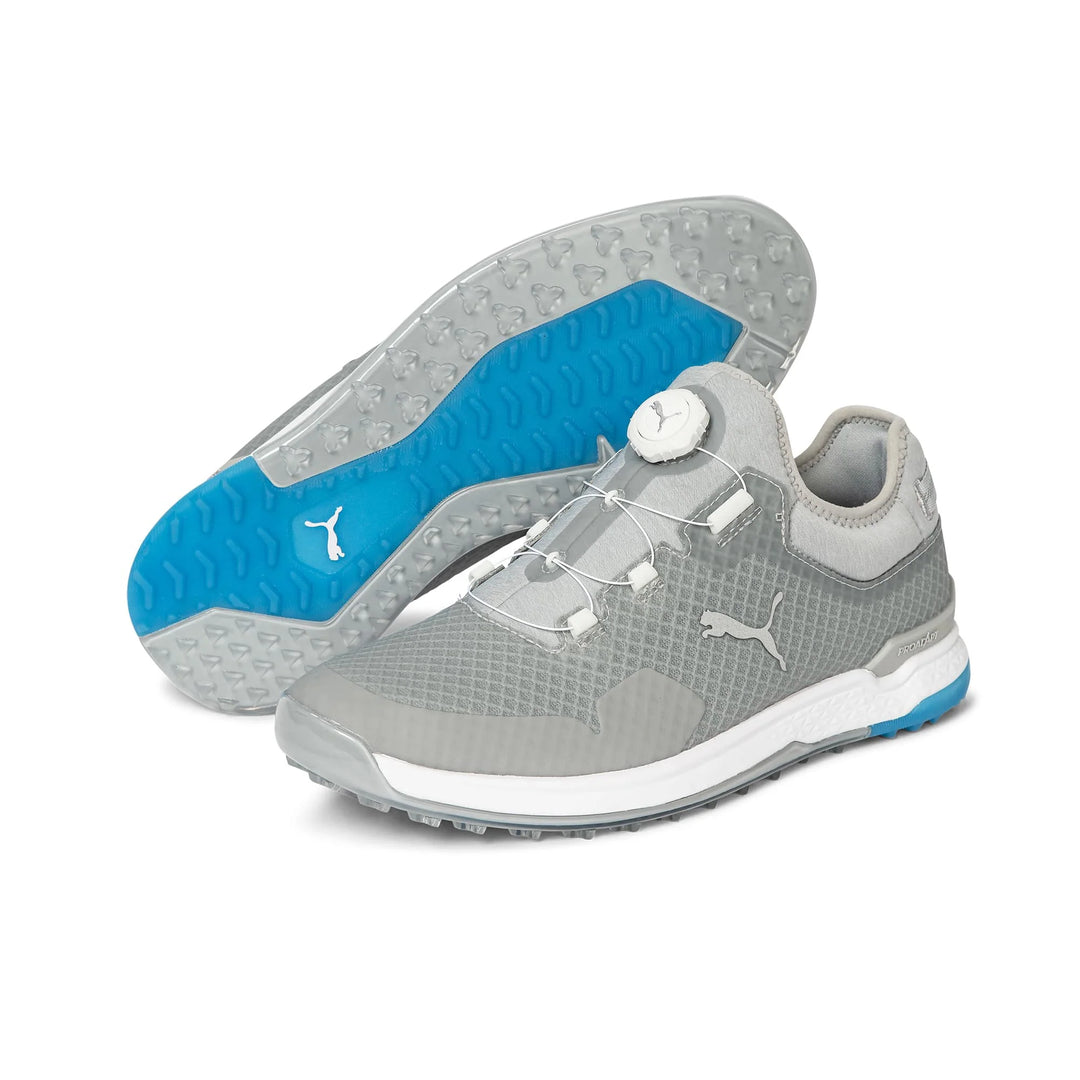
The Puma Disc system uses a round dial, a thin wire or cable, and guides around the shoe. Turning the dial changes the wire tension. Depending on the design, turning one way tightens the closure and turning the other way loosens it.
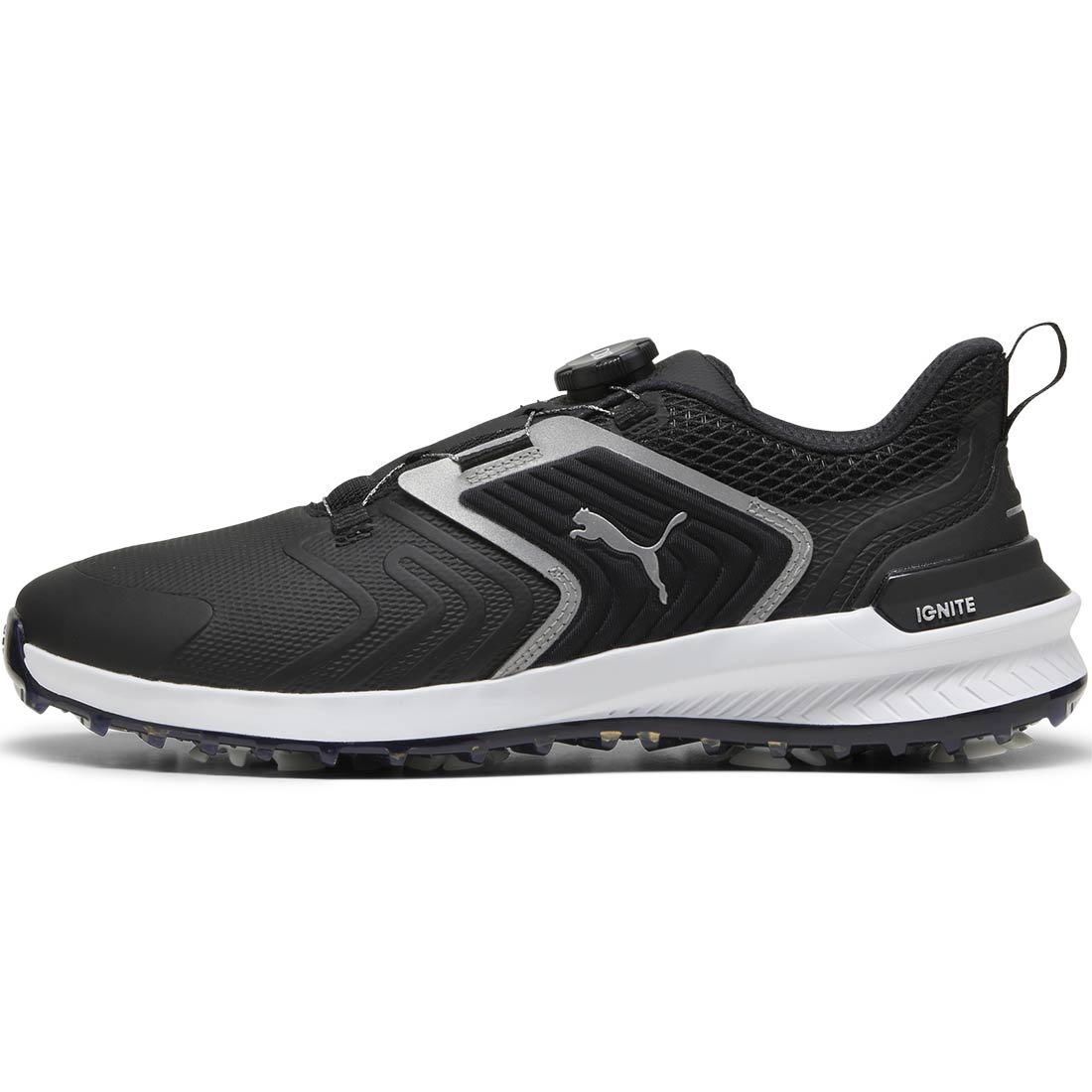
Many Puma Disc shoes use a dial that can be lifted to release tension quickly. Some models may use a twist-and-pull action, while others may have different markings. The label on the dial and the shoe’s care instructions are more reliable than a general rule.
The wire usually spreads pressure across several points. This can create a smooth fit, but it also means that one small adjustment may affect the whole upper. The shoe may feel tighter near the tongue, forefoot, or ankle at the same time.
Identify the Release Direction
Look for arrows, plus and minus symbols, or wording near the dial. A minus sign usually means less tension. A plus sign usually means more tension. If the symbols are hard to see, hold the shoe in both hands and turn the dial slowly.

Do not guess by using force. Turn the dial a small amount and feel whether the wire relaxes. If the wire becomes tighter, reverse the direction.
Know the Difference Between Loosening and Releasing
Loosening means reducing tension in small steps. Releasing means opening the system enough to put on or remove the shoe. These are not always the same action.

For a small comfort change, turn the dial slightly. For removal, lift the dial if the model allows it. This can release the wire more quickly than repeated turning.
| Adjustment type | Method | Best use |
|---|---|---|
| Small loosen | Turn the dial a few clicks | Pressure across the instep |
| Medium loosen | Turn the dial until the foot moves freely | Walking comfort |
| Full release | Pull the dial up when allowed | Taking off the shoe |
A controlled adjustment is better than opening the shoe fully every time. It lets you keep a stable fit while reducing pressure during a round.
Step-by-Step: How to Loosen Puma Disc Golf Shoes
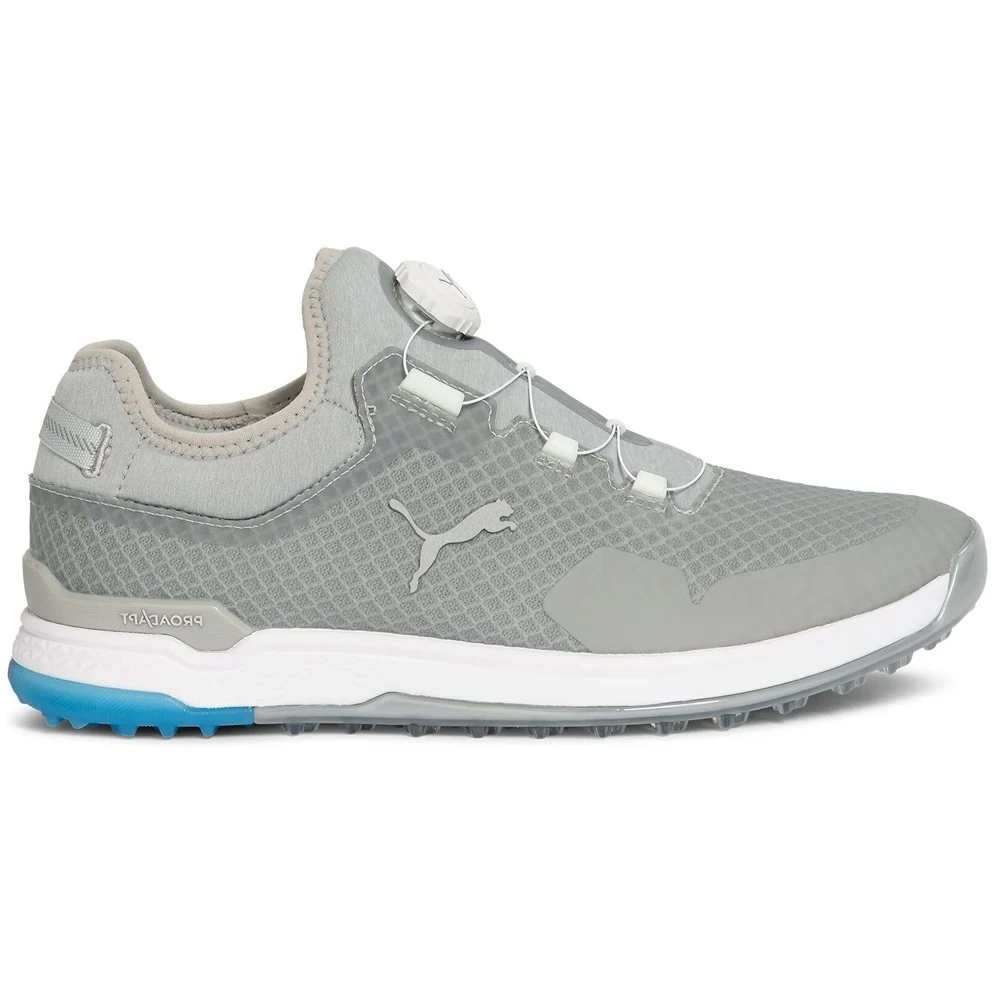
The best way to loosen Puma Disc golf shoes is to remove weight from the shoe, release the dial, and then adjust the foot by hand. Use these steps before a round, during a break, or when removing the shoes.
1. Sit Down and Support the Shoe
Sit on a bench, chair, or golf cart seat. Place the shoe flat on the ground or hold it with one hand. Avoid loosening the dial while standing on one foot.

Taking your weight off the shoe reduces stress on the closure. It also lowers the risk of twisting an ankle while you try to adjust the fit. This step suits every golfer, but it is especially useful for juniors, seniors, and anyone with balance concerns.
2. Find the Disc Dial
Locate the round dial on the tongue, side, or top of the shoe. Wipe away grass or mud so you can see the markings. Check the direction arrows before you turn it.

Puma has used different Disc layouts over time. The dial may sit in a different place on a golf model than on a casual or training shoe. Never pull on the wire to find the dial.
3. Turn the Dial Toward Less Tension
Turn the dial in the marked release direction. Use small movements at first. You should feel the wire relax and see a little more space near the tongue.

If the wire becomes tighter, stop and turn the opposite way. The dial should move with moderate finger pressure. A dial that feels locked may have dirt, ice, corrosion, or a damaged internal part.
4. Lift the Dial for a Quick Release
If your shoe allows it, pull the dial upward. This usually releases the wire tension across the shoe. The wire may remain in its guides, but the upper should open more easily.

Do not assume every Disc model uses the same release motion. If the dial does not lift, do not pry it with a tool. Use the shoe’s model instructions or ask a qualified shoe repair professional to inspect it.
5. Open the Tongue by Hand
Use your fingers to spread the tongue and upper. Do not pull hard on the wire. Move the sides of the shoe apart so your foot can slide out without scraping the heel.

This matters when removing wet shoes. Damp material may resist movement, and force can bend the wire guides. A wide opening also helps golfers with high insteps, swollen feet, or limited hand strength.
6. Slide the Heel Out First
Lift your heel and slide the foot backward. Then move the toes out. Avoid dragging the front of the shoe across the toes.

If the heel feels stuck, loosen the dial more. Do not use the other foot to stomp down on the heel. That habit can crush the heel counter and change the shoe’s support.
7. Adjust the Fit Before Your Next Swing
After loosening, walk a few steps. Check your toes, heel, arch, and instep. Then make a small adjustment before returning to the tee box, fairway, or practice area.
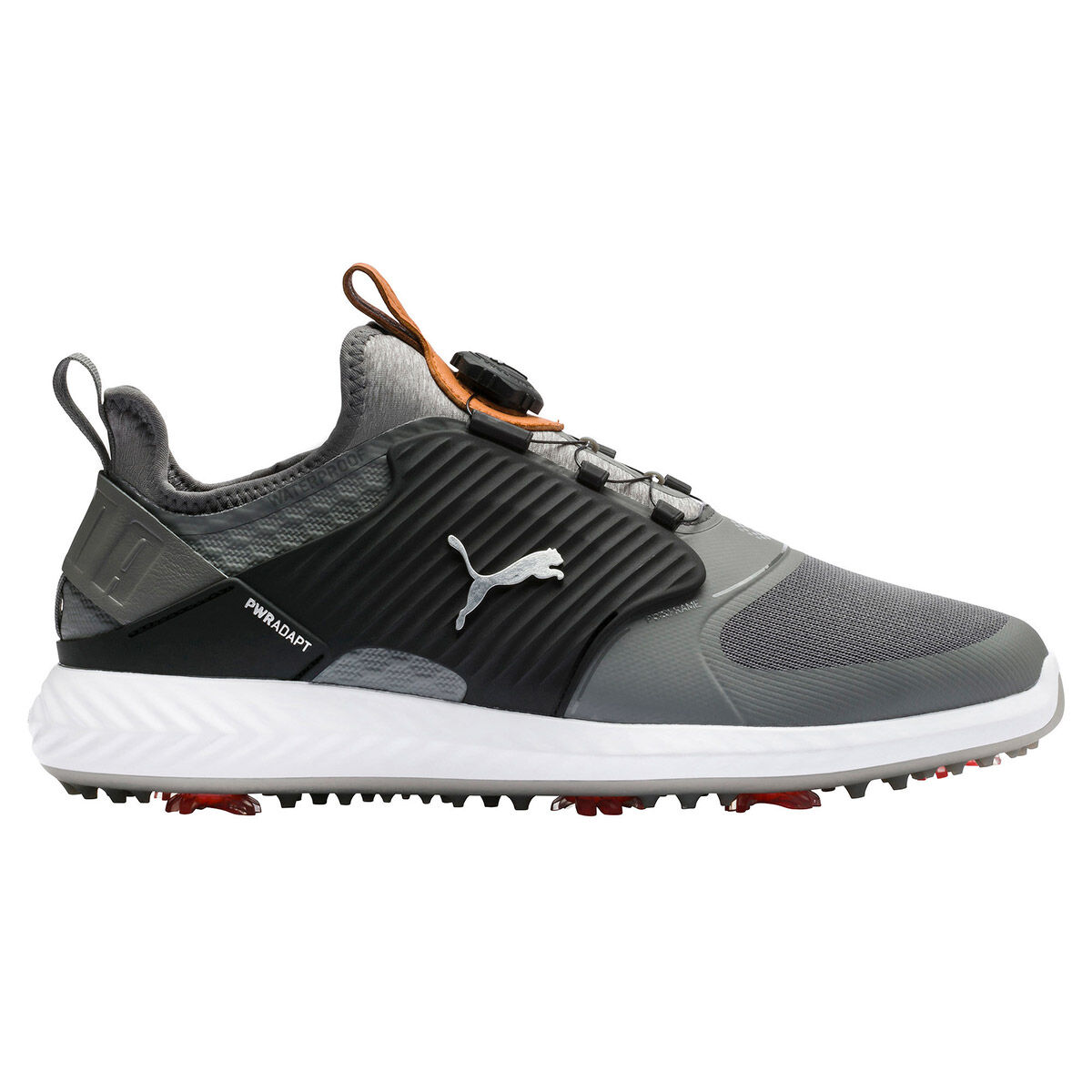
Your heel should stay mostly in place, but your toes should be able to move. The shoe should not pinch when you bend your knee or shift weight during a swing.
8. Retighten With Small Dial Turns
To put the shoes back into playing mode, close the tongue and turn the dial in the tightening direction. Stop when the shoe feels secure. Do not keep turning just because the dial still moves.
A stable golf stance does not require maximum tension. Too much pressure can make the foot numb and may cause the upper to crease across the toes. Use less tension for a relaxed walk and slightly more for a firm swing base.
| Fit check | Good sign | Warning sign |
|---|---|---|
| Toes | Can move slightly | Press against the front |
| Heel | Stays mostly in place | Lifts with each step |
| Instep | Secure and comfortable | Numb, hot, or painful |
| Midfoot | Even pressure | One sharp pressure point |
Walk on level ground before testing the shoes on a slope. If the shoe feels fine on flat ground but painful on a hill, reduce pressure and inspect the fit again.
How Tight Should Puma Disc Golf Shoes Feel?
Puma Disc golf shoes should feel secure, not painful. Your heel should not slide enough to create blisters, and your toes should not touch the front when you walk downhill. The upper should hold the foot without causing numbness or sharp pressure.
A golf shoe needs a balance between comfort and stability. A loose shoe can let the foot move during the downswing. A tight shoe can limit natural movement and make you change your stance. Both problems can distract you from the shot.
A Simple Three-Part Fit Test
Use this test before playing a full round:
- Stand in the shoes with your normal golf socks.
- Walk, climb a few steps, and bend your knees.
- Make several slow practice swings.
Your toes should not curl to hold the shoe. Your heel should not rub with every step. The dial should not press into a single spot on the top or side of your foot.
Fit Differences by Golfer
Men, women, juniors, and seniors can all use the same basic release steps, but their fit needs may differ. Men may need more room in the forefoot or instep. Women may notice heel movement or pressure near a narrower ankle. These are general patterns, not rules for every foot.
Junior golfers often need frequent checks because their feet grow. A junior shoe that fit in spring may feel tight later in the season. Seniors may need more room because of swelling, reduced flexibility, or changes in foot shape.
Left-handed and right-handed golfers use the same shoe adjustment. Swing direction does not change how the Disc dial releases. However, golfers with a dominant-side injury may need to sit down and use both hands.
| Golfer | Common concern | Useful adjustment |
|---|---|---|
| Beginner | Unsure how tight is enough | Use light tension and walk-test |
| Improving amateur | Stability during practice | Recheck after repeated swings |
| Junior | Fast foot growth | Check toe room often |
| Senior | Swelling or stiff fingers | Use the pull release when available |
| Walking golfer | Heat and foot fatigue | Loosen during a planned break |
No single fit suits every golfer. Pain, numbness, or repeated blisters are signs to stop and assess the shoe, sock, foot, and walking load.
Loosening the Shoes During a Round
You can loosen Puma Disc golf shoes during a round without creating a rules problem. The main concern is safety and pace of play. Make the change at a tee box, cart stop, bench, or other safe place, not while another player is preparing to swing.
Golf rules focus on the ball, club, playing conditions, and conduct. Adjusting your footwear is not normally a penalty. Still, tournament committees may have local policies about safety equipment or unusual footwear, so check the current Rules of Golf and local rules when playing in competition.
Use Planned Adjustment Points
Good adjustment points include:
- Before the first tee shot
- After the warm-up routine
- At the turn
- Before a long hill
- After walking through wet grass
- When your feet begin to feel hot or numb
A small change early can prevent a larger problem later. This is useful for golfers who walk an executive course, a hilly parkland course, or a links course with firm ground and long walks between holes.
Do Not Wait for Sharp Pain
A hot spot is an early warning. Stop when you feel rubbing, pressure, tingling, or numbness. Remove the shoe and inspect the skin.
Continuing through pain can lead to blisters or a change in your walking pattern. That change can affect your knees, hips, back, and golf posture. If pain remains after the round, seek medical advice rather than treating it as a normal part of golf.
💡 Pro Tip: Loosen the Disc dial one small step before your feet become tired. Small changes are easier to control than a full release after swelling has already caused pain.
Common Problems and Practical Fixes
Most Puma Disc loosening problems come from dirt, excess tension, a twisted wire, or a fit issue. Start with the simplest fix. Do not force the closure or use sharp tools.
| Problem | Likely cause | Safe first step |
|---|---|---|
| Dial will not turn | Dirt or excess tension | Remove weight and clean the dial |
| Dial turns but shoe stays tight | Wire may be caught | Lift the dial if designed to release |
| One side feels tighter | Wire is not seated evenly | Open the shoe and inspect the guides |
| Foot feels numb | Too much tension | Release and check foot position |
| Heel slips after loosening | Shoe is too open | Retighten in small steps |
| Wire looks damaged | Wear or impact | Stop using the closure until checked |
The best first step is to remove the shoe from your foot. This gives you better control and lets you see the entire wire path. If you see fraying, a sharp bend, or a broken guide, do not continue playing in the shoe.
When the Dial Feels Stuck
Hold the shoe firmly and turn the dial slowly in the marked release direction. Remove loose grass, sand, and mud with a soft brush. Do not pour harsh cleaner into the dial.
If the shoe is wet and cold, allow it to warm and dry naturally. Ice or stiff material can limit movement. Do not place the shoe on a heater or use high heat, because heat may damage adhesives, foam, synthetic leather, or the wire system.
When the Shoe Is Too Tight Even Fully Released
A fully released dial cannot solve every fit problem. The shoe may be too short, too narrow, or too low across the instep. Thick socks can also create pressure.
Try normal golf socks and check foot position. Your heel may have moved too far forward. If the same pressure remains, the issue is likely the shape of the shoe rather than the Disc system.
⚠️ Safety Warning: Stop playing if your toes become numb, pale, blue, or painful. People with diabetes or circulation problems should be extra cautious and should ask a medical professional about foot protection.
Cleaning and Care After Golf
Cleaning the shoes can help the Disc system release smoothly. Grass, sand, clay, and dried mud may collect around the dial and wire guides. Care also helps you notice wear before it becomes a failure.
Basic Cleaning Steps
- Remove loose dirt with a soft brush.
- Wipe the upper with a damp cloth.
- Clean around the dial and wire guides.
- Let the shoes air-dry at room temperature.
- Store them with the dial released.
Do not scrub the wire with a hard brush. Do not pull the wire away from the shoe. If the care label allows mild soap, use only a small amount and rinse the cloth well.
Drying Wet Golf Shoes
Wet shoes can feel tighter because the upper may become less flexible. Remove the insole if the shoe design allows it, loosen the dial, and let the shoe dry in an open area.
Never use a hair dryer, radiator, oven, or direct high heat. Fast drying may shrink or harden parts of the shoe. It can also weaken glue and change the shape of the upper.
| Care task | Do | Avoid |
|---|---|---|
| Remove mud | Use a soft brush after drying | Scraping with metal |
| Clean the dial | Wipe around it gently | Flooding it with water |
| Dry the shoe | Air-dry at room temperature | Direct high heat |
| Store the shoe | Leave the closure relaxed | Keeping full tension overnight |
Clean footwear also supports course care. Brush off mud before entering a clubhouse or cart area, and dispose of grass, packaging, broken tees, and worn items properly.
🌿 Course Care Note: Keep mud and loose debris off paths, greens, and tee boxes. Repair ball marks, replace divots when allowed, rake bunkers, and keep pace of play.
Weather, Terrain, and Course Conditions
Weather changes how Puma Disc golf shoes feel. Heat can increase foot swelling. Cold can stiffen materials and fingers. Rain can make the upper damp and can increase slipping risk on slopes.
On a dry, firm links course, you may want a secure fit because the ground can be uneven and exposed to wind. On a soft course, mud may build around the outsole and dial area. On a hot day, plan a fit check before the back nine.
Heat and Humidity
Drink water and take breaks when needed. Heat can affect judgment, grip, tempo, and foot comfort. A tight shoe may feel acceptable on the first tee and painful several holes later.
Sun protection also matters. Use shade, suitable clothing, and sun protection during long rounds. If you feel dizzy, weak, confused, or unusually sick, stop playing and seek help.
Rain and Wet Grass
Wet grass can reduce traction. A loose shoe may move inside the upper, while an overly tight shoe can limit balance. Walk carefully on slopes and near bunkers.
Do not assume a tighter dial fixes poor traction. Traction comes from the outsole, ground conditions, walking technique, and safe decision-making. When lightning threatens, leave the course at the first warning and follow the facility’s safety plan.
Cold Weather
Cold fingers may make the dial hard to turn. Loosen the shoes indoors before walking to the first tee. Keep your warm-up routine gentle and include ankle, calf, and hip movement.
Cold weather can also make feet feel less sensitive. Check for pressure during the round even if the shoe does not hurt at first.
| Condition | Foot effect | Smart response |
|---|---|---|
| Heat | More swelling and sweat | Allow room and stay hydrated |
| Rain | Wet material and slick ground | Dry the shoe and shorten steps |
| Cold | Stiff material and less feeling | Adjust indoors and warm up |
| Hills | More heel and forefoot pressure | Recheck fit before slopes |
These adjustments suit all skill levels. A low-handicap player still needs safe footing, and a beginner still needs comfort to learn.
What Not to Do When Loosening Disc Shoes
The most common mistakes are forcing the dial, pulling the wire, and changing the fit while standing. These actions can damage the shoe and may cause a fall.
Avoid these habits:
- Do not yank the cable to open the shoe.
- Do not twist the dial with pliers.
- Do not pry under the dial with a knife.
- Do not stomp on the heel to remove the shoe.
- Do not keep playing through numbness.
- Do not dry the shoe with high heat.
- Do not tighten the shoe until your foot cannot move.
A golf shoe is part of your contact with the ground. The goal is not maximum pressure. The goal is even support through the stance, backswing, downswing, impact, and follow-through.
The Wrong Fix for a Loose Heel
Some golfers tighten the whole shoe when only the heel feels loose. This can create pressure over the toes and instep. Try repositioning the heel and tongue first.
If the heel still moves, the shoe shape may not match your foot. A professional shoe repair worker or qualified fitting specialist can help assess the issue. Do not solve every fit problem by turning the dial harder.
The Wrong Fix for Toe Pressure
Toe pressure may come from shoe length, foot position, thick socks, downhill walking, or swelling. Releasing the dial can help only when the pressure comes from overall tension.
If your toes touch the front while walking downhill, the shoe may be too short or your heel may not be held in the correct place. Persistent toe pressure needs a fit review.
A Short Pre-Round and Mid-Round Checklist
A checklist helps beginners and busy parents avoid rushed adjustments. It also helps experienced golfers notice small changes before they affect walking comfort or swing balance.
| Time | Check | Action |
|---|---|---|
| At home | Dial and wire | Confirm they move normally |
| Before warm-up | Toe and heel space | Use normal golf socks |
| After practice swings | Pressure points | Loosen or retighten slightly |
| After several holes | Swelling and heat | Recheck before discomfort grows |
| After the round | Dirt and moisture | Clean and air-dry |
Takeaway one: test the shoes before the first tee, not during a rushed start. Takeaway two: check again after walking, because fit can change during a round.
Warm-Up Routine
Before golf, walk for a few minutes and make slow ankle circles. Add gentle calf raises, hip turns, and easy practice swings. Avoid aggressive stretching when your body is cold.
This routine can help you feel how your feet contact the ground. It also gives you time to adjust the Disc closure before the first full swing.
Who May Need Extra Help?
Most golfers can loosen Puma Disc shoes on their own. Some people may need help because of limited hand strength, poor balance, vision problems, injury, or pain.
Ask a playing partner, parent, coach, or caregiver for help if you cannot safely stand, sit, or use the dial. Juniors should learn the steps but should not force a stuck mechanism. Parents can teach children to report tightness early.
When to See a PGA Professional
A PGA professional can help when shoe fit changes your stance, balance, or swing. This is not because the professional repairs the dial. The value is in seeing how footwear affects setup and movement.
Seek a lesson if you keep lifting your heel, sliding inside the shoe, losing balance, or changing posture to avoid pain. A teaching pro can observe your stance, weight shift, and foot pressure during a full swing, chip, pitch, bunker shot, and putting stroke.
When to See a Doctor
See a doctor or qualified medical professional for persistent pain, swelling, numbness, skin changes, or repeated blisters. Do not treat sharp foot, ankle, knee, hip, or back pain as a normal golf problem.
Golf fitness can support mobility and strength, but it cannot diagnose an injury. A medical professional can assess the cause and advise when it is safe to return to walking and swinging.
Frequently Asked Questions
Q: Which way do I turn a Puma Disc dial to loosen it?
A: Turn it in the direction marked for release, often counterclockwise. The exact direction can vary by model, so check the arrows or symbols on the dial. Turn slowly and confirm that the wire tension decreases.
Q: Can I loosen Puma Disc golf shoes while wearing them?
A: Yes, but sit down first. Remove weight from the shoe, turn the dial in small steps, and check your toes and instep. Sitting reduces the risk of losing balance and makes the adjustment easier.
Q: How do I fully open Puma Disc golf shoes?
A: Turn the dial toward release and pull it upward if your model supports a quick-release action. Then spread the tongue by hand. Do not pull the wire or pry the dial.
Q: Why will my Puma Disc dial not loosen?
A: Dirt, mud, excess tension, cold material, or a damaged mechanism may be the cause. Take the shoe off, clean around the dial with a soft brush, and try again gently. If it remains stuck, stop using force and have it inspected.
Q: Can I use lubricant on the Disc dial?
A: Do not use oil or chemical lubricant unless Puma’s care instructions specifically allow it. These products may collect dirt or affect materials. Gentle cleaning is the safer first step.
Q: Why are my toes numb after wearing the shoes?
A: The closure may be too tight, or the shoe may be too short or narrow for your foot. Loosen the dial, remove the shoe, and check your skin and circulation. Seek medical advice if numbness continues.
Q: How tight should golf shoes be for beginners?
A: They should feel secure without pain. Your heel should stay mostly in place, while your toes should have room to move slightly. Beginners should use a walk-test and several slow practice swings before playing.
Q: Do women need a different way to loosen Puma Disc golf shoes?
A: No. The release steps are the same. However, women may have different heel, forefoot, or instep shapes, so the best tension level depends on the individual foot.
Q: Do seniors need to loosen golf shoes more often?
A: Some seniors may need more frequent checks because feet can swell, stiffen, or become less sensitive. Use the dial before discomfort begins. Sit down for adjustments and seek help if hand strength or balance is limited.
Q: How should parents teach juniors to use Disc golf shoes?
A: Show the child how to find the release marking, turn the dial gently, and report pressure early. Check toe room and skin after play. A child should never use tools or force a stuck dial.
Q: Can tight golf shoes change my swing?
A: They can affect comfort, balance, and foot pressure. You may change your stance, lift your heel, or shift weight to avoid pain. That can influence posture, tempo, impact, and follow-through.
Q: Is it a golf rules violation to adjust my shoes during a round?
A: Adjusting footwear is not normally a penalty. Still, follow pace of play and avoid distracting another player. Check the latest Rules of Golf, local rules, and tournament committee instructions for competition.
Q: How long does it take to learn how to loosen Puma Disc golf shoes?
A: Most people understand the basic motion in a few minutes. Safe, confident use may take several short practice sessions. Learn the release at home before relying on it during a busy round.
Q: Can wet weather make Disc shoes harder to loosen?
A: Yes. Wet material, mud, cold, or debris may add resistance. Remove the shoe, clean it gently, and allow it to air-dry. Do not use high heat or force the dial.
Q: What if the shoe feels loose after I release it?
A: Retighten the dial in small steps and walk a few paces. Check that the heel stays in place and that your toes remain comfortable. If the shoe still slips, the issue may be the shoe shape or size rather than the dial.
Final Thoughts
Learning how to loosen Puma Disc golf shoes is mainly about controlled tension. Sit down, follow the release marking, lift the dial when the model allows it, and open the tongue by hand. Then test the fit with a short walk and a few slow practice swings.
A comfortable shoe supports better focus, safer movement, and a steadier connection with the ground. That matters for beginners learning the basics, improving golfers managing long practice sessions, juniors growing into new footwear, and seniors protecting their feet during a full round.
Do not force a stuck dial, ignore numbness, or use heat to dry wet shoes. Clean the closure, check your feet, respect course safety, and ask a PGA professional or medical professional for help when the problem affects your swing or causes pain.