How To Hit The Golf Ball Consistently: Simple Pro Tips
Consistency comes from a simple setup, repeatable swing, and focused practice every session.
I have spent years teaching and practicing golf. I know how to hit the golf ball consistently and why most players miss. This guide breaks the process into clear steps. You will learn setup habits, swing basics, drills, gear tips, and mental habits that make consistency real. Read on for easy, tested methods to hit the golf ball consistently on the range and on the course.
Why consistency matters for every golfer
Consistent ball striking gives you better distance and more fairways. It cuts score and reduces frustration. When you know how to hit the golf ball consistently, you make smarter choices on the course. That leads to more fun and lower scores.
The fundamentals: grip, stance, and posture
Grip is the connection to the club. A neutral grip helps square the clubface at impact. Check that your palms face each other and your thumbs point down the shaft.
Stance sets the base for your swing. Stand shoulder-width for mid irons. Shift feet wider for long clubs. Keep a slight knee flex.
Posture affects swing plane. Hinge from the hips. Keep your spine straight and your chin up. A balanced posture helps you make the same motion every time.
Practical setup checklist:
- Hands level with the clubshaft and not too tight.
- Weight evenly distributed on balls of your feet.
- Slight tilt from the hips, not the waist.
- Eyes over or slightly inside the ball for better strike.
When you focus on these basics you build a repeatable setup. That is the first step to knowing how to hit the golf ball consistently.

Ball position and alignment
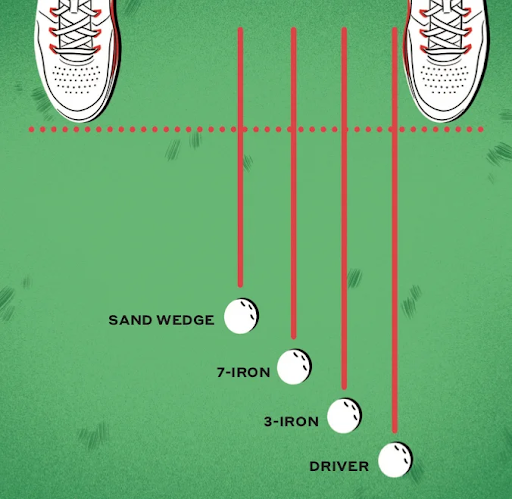
Ball position changes launch and direction. Place the ball just inside your lead heel for a driver. Move it slightly back for short irons. For most mid irons place the ball in the center or slightly forward of center.
Alignment is simple but often missed. Pick a target line, then pick a parallel line for your feet. Aim your chest, hips, and toes along that line. A quick alignment check before each shot ensures consistency.
Simple alignment routine:
- Pick a small target 20–30 yards ahead.
- Drop a club down on your toe line to check alignment.
- Adjust stance until the club points at the target.
These small checks help you learn how to hit the golf ball consistently to your intended target.
Swing basics: path, face, and tempo
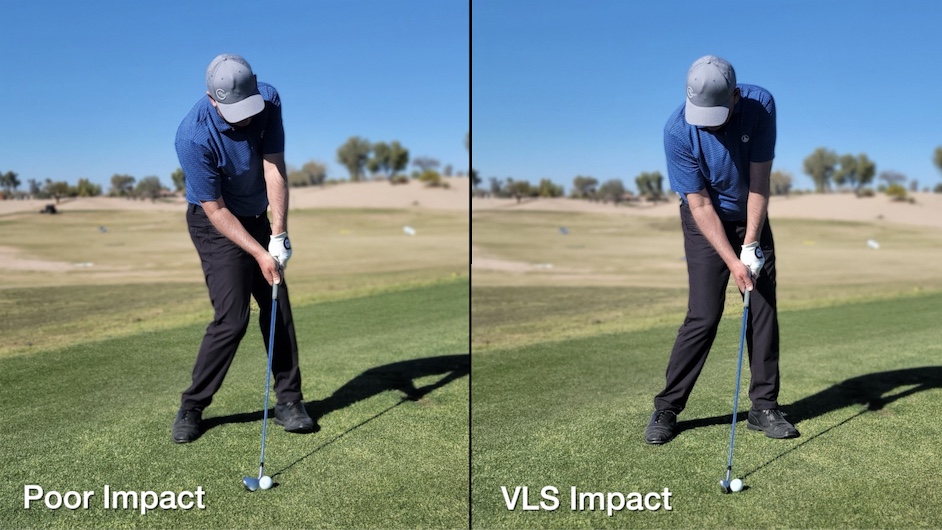
Impact depends on clubface and swing path. A square face plus a slightly inside-to-square path gives solid shots. Learn to feel the clubhead through impact.
Tempo is rhythm. Slow backswing, smooth transition, controlled follow-through. Count or use a metronome to train a steady tempo.
Key focus points:
- Make a connected takeaway using your shoulders.
- Turn your hips and coil your torso on the backswing.
- Shift weight to the front foot on the downswing.
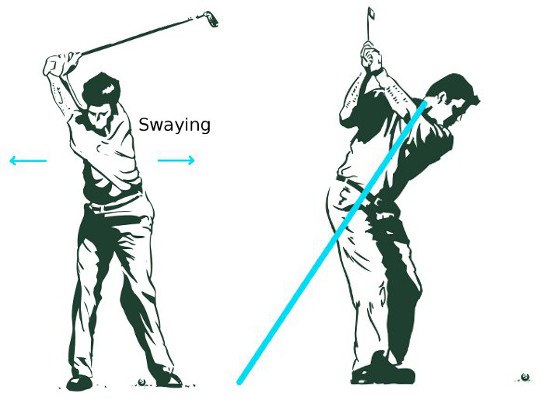
- Maintain a steady head position through impact.
I learned early that tempo beats power for consistency. When I slowed down my swing I hit the ball more solidly and more often. That is a core principle of how to hit the golf ball consistently.

Practice drills to build repeatable contact
Drills create habits. Use short, focused reps. Here are drills that helped my students and me.
Gate drill for clubface control
- Place two tees slightly wider than the clubhead near the ball.
- Swing through the tees without hitting them.
- Repeat 20 times to groove a square face at impact.
Impact bag or towel drill for compression
- Hit a soft impact bag or a folded towel on the ground.
- Focus on compressing the ball and holding the finish.
- Do sets of 10 to feel solid contact.
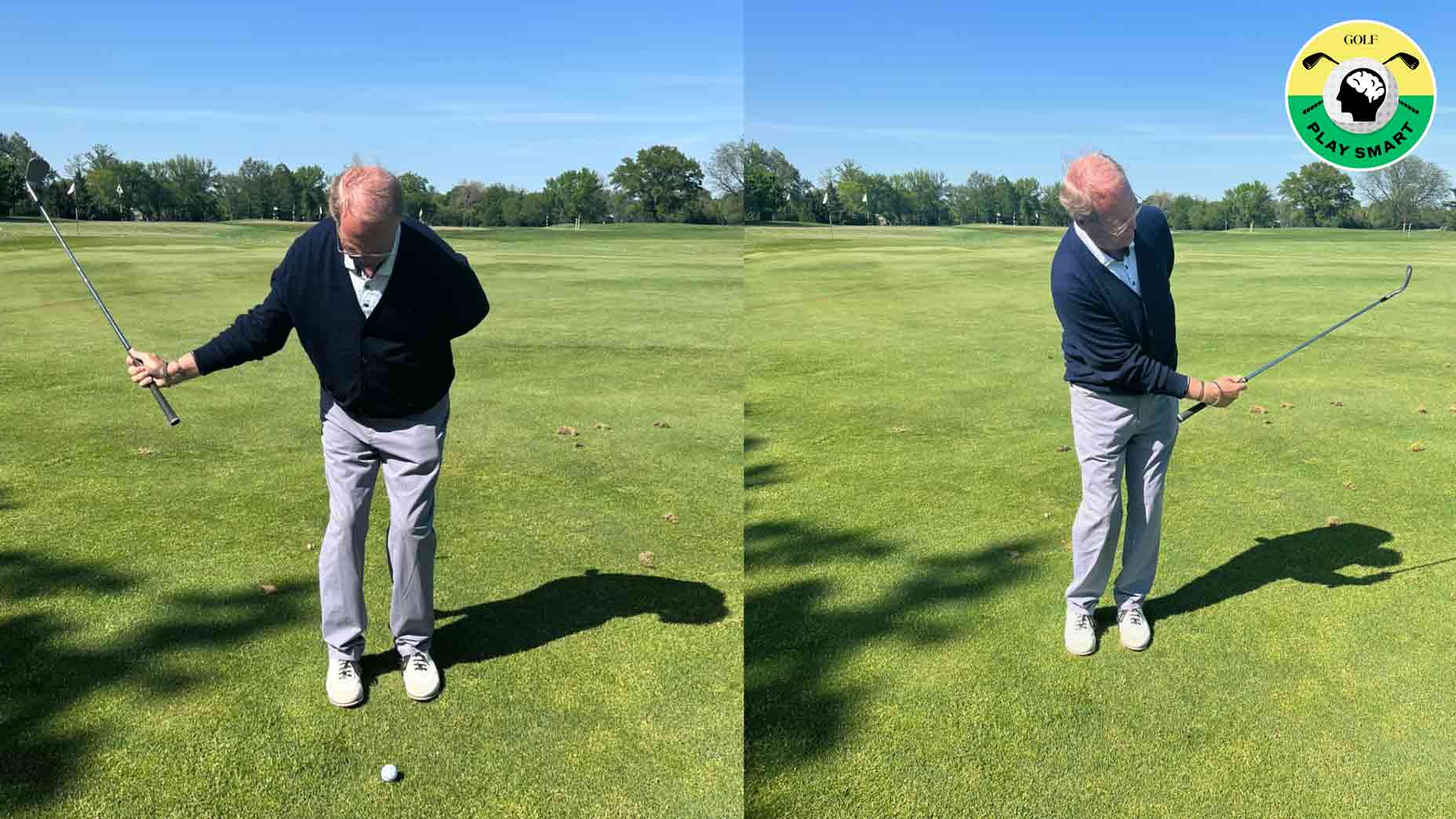
One-handed drill for club path
- Hit small pitch shots with only your lead hand.
- This trains the path and prevents flipping.
- Follow with two-handed swings keeping the same path.
Tempo drill with metronome
- Set a slow beat (about 60–70 BPM).
- Backswing on one beat, downswing on the next.
- Practice 30 swings to lock tempo.
These drills teach muscle memory. Repeat them often to learn how to hit the golf ball consistently.

Equipment, ball choice, and fitting
Gear affects contact and feel. A mismatched shaft or wrong loft makes solid strike hard. Get fit for clubs when possible.
Shaft flex matters
- Too stiff reduces whip and can lead to low, thin shots.
- Too soft can cause hooks or fat shots.
Clubhead and loft
- Modern clubs can help with launch and spin.
- Match loft and lie to your swing path and body.
Ball choice
- Use a ball that fits your swing speed.
- Softer balls help feel; firmer balls add distance for fast swings.
A proper fit shortens the learning curve for how to hit the golf ball consistently. I felt the difference when I moved to the right shaft; my misses dropped immediately.

Mental game and course habits
Golf is a mental game. Calm focus helps consistent swings. Develop a simple pre-shot routine to repeat under pressure.
Pre-shot routine example
- Visualize the shot for 3–5 seconds.
- Take a practice swing feeling the tempo.
- Set your stance, aim, and commit.
Manage expectations
- Accept that every golfer misses sometimes.
- Aim for a good strike, not a perfect result.
On the course, use conservative targets and trust your setup. This mental work is key to knowing how to hit the golf ball consistently when it counts.

Common mistakes and quick fixes
Many players repeat the same faults. Here are quick fixes I use with students.
Overgrip and tension
- Fix: Take practice swings focusing on a light grip pressure.
Lifting the head early
- Fix: Mark a spot on the ground to keep your eyes steady through impact.
Too much swing, not enough control
- Fix: Use half swings to build rhythm and contact first.
Casting or early release
- Fix: Practice the one-handed drill to feel the lag and release later.
These fixes help you correct bad habits and learn how to hit the golf ball consistently faster.
PAA-style quick questions
What is the fastest way to improve ball contact?
- Focus on setup and tempo. Use impact and gate drills for quick feedback.
How often should I practice to get consistent?
- Short, frequent sessions beat long, rare ones. Aim for 3–4 focused practice slots per week.
Should I change clubs to be more consistent?
- Only after a fitting or clear data shows a mismatch. Often technique and routine help first.
Can a slow swing be more consistent than a fast one?
- Yes. Slower swings often make cleaner contact and are easier to repeat.
What role does posture play in consistency?
- Big role. Good posture creates a steady swing plane and better contact.
Frequently Asked Questions of how to hit the golf ball consistently
How long does it take to start hitting the golf ball consistently?
Most players see improvement in weeks with focused practice. Consistency builds over months as habits form.
Can practice swings without a ball help consistency?
Yes. Practice swings train tempo, path, and muscle memory. Add real ball strikes to validate the feel.
Is it better to practice on the range or play more on the course?
Both matter. Range work builds mechanics. Course play builds decision-making and pressure management.
How important is grip pressure for consistent shots?
Very important. Light grip pressure improves feel and clubface control. Tight grips lead to tension and poor contact.
Should I use training aids to learn consistency?
Training aids can help if used correctly and briefly. They should guide feel, not replace real swings.
Conclusion
Work on setup, tempo, and simple drills. Keep practice short and focused. Use gear that matches your swing and build a calm pre-shot routine. These steps will help you learn how to hit the golf ball consistently. Start small today: pick one drill, one setup habit, and one tempo focus. Track your progress and stay patient. Share your results, subscribe for more tips, or leave a comment about your best drill.